How to start advocating for something
I was at a conference recently and I met someone from Joshua Tree, who told me he was working on a way to connect the high desert…
How to start advocating for something
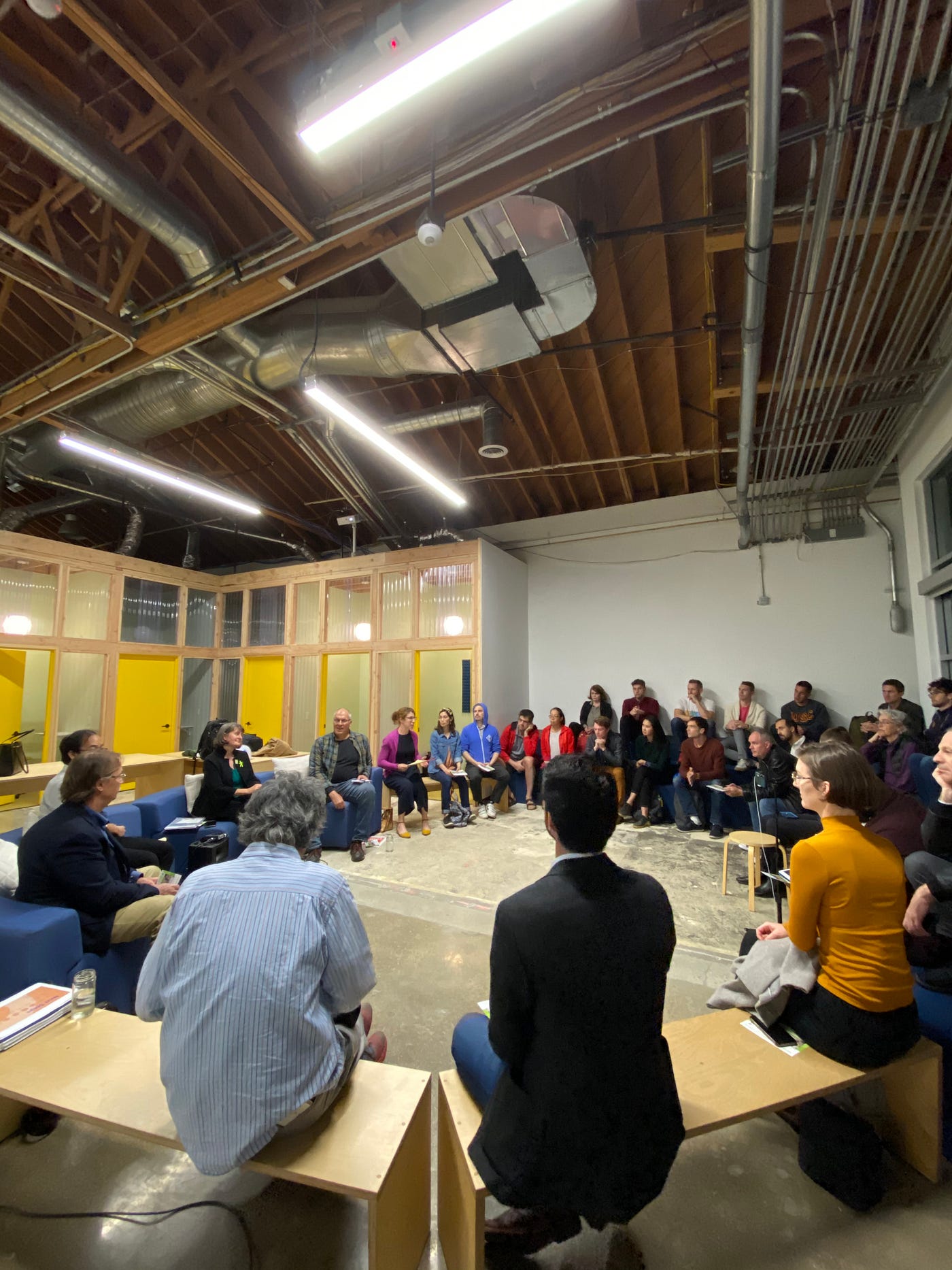
An early meeting for Streets For All’s Venice Blvd For All, March 2020, just before COVID
I was at a conference recently and I met someone from Joshua Tree, who told me he was working on a way to connect the high desert communities with bike infrastructure, and wasn’t quite sure where to start.
Here’s what I told him, and what I believe is generally the roadmap for successful local advocacy:
- Define the vision. This is the fun part! Get on a Google Map and map out the project visually. What communities are you trying to connect? What are the barriers? What should the end result look like if it’s going to be successful? Use AI or someone with talent to make a few before/after renderings to help people visualize the goal and get people excited. Here’s an example of a map we created for Streets For All’s Venice Blvd For All project.
- Identify the stakeholders. What cities is the project going through? Which counties? Which State Senate or Assembly districts? Which Congressional districts? What key landmarks are along the route (Universities, businesses, museums, schools, etc)? Put everything in a Google Sheet — all the Councilmembers, and the designated County supervisor(s), Assemblymember(s), State Senator(s), and the relevant member of Congress.
- Create a Google Slides with the project roadmap — explain everything, and use as many visuals as possible. Keep it short and sweet. This is what you’re going to take staff members of politicians through once you get in front of them. You’ll also use it for any relevant community meetings. Here’s an example from Streets For All’s Connecting The Creeks project, and another example from Streets For All’s Reimagine 6th Street project. If a project is big enough, it also might warrant its own website. Here’s an example from Streets For All’s Westwood Connected project.
- Go through the stakeholder list and drill down on decision makers — for example, if you need a Councilmember’s support, look at their website and try and figure out which staff member would be the most likely to support the project and is in a position of influence within the office. Do the same for each elected official on your list, and update your Google Sheet.
- Start with the lowest hanging fruit — either the politician you expect to be most supportive, or a personal connection you have to an office. Create a Google Doc with a draft letter of support, and ask them, after presenting the project to them, to consider putting your draft letter on their letterhead, signing it, and giving you a PDF (here’s an example of a draft from Streets For All’s Marina Central Park project, and the Mayor’s support letter that followed). Once you have your first letter, the others become much easier — politicians don’t like to feel like they’re the only one supporting something, and once you get one, the second one is easier, and the third even easier, and so forth.
- Start local. Usually doing this process locally and then expanding to county, state, and then federal is the right move. Get your city (or the relevant cities) on board before talking to the County Supervisor — it’s much easier for the County to support something the cities are already asking for. Once you’re talking to state representatives, it’s much easier for them to support something if their cities and counties are asking for it, etc.
- Engage volunteers and supporters — if the project is too big for you to be able to manage yourself, find other like-minded people who are passionate about creating the same thing you are. Even one or two people helping can make a huge difference. If it’s a large enough project, you might consider creating a toolkit to track outreach and give volunteers tools they need to succeed. Here’s an example from Streets For All’s first-ever advocacy campaign to add bike and bus lanes on Venice Blvd. Building up a coalition of other orgs that support the same thing is also very helpful. Create a draft letter of support and then ask them to put it on letter and sign (example from Streets For All’s Hill to Sea project).
- Shore up political support, and then figure out the money part. Once politicians say they support something, it’s easier to get them to put money where their mouth is. Work with them to find funding; if it’s a smaller amount of money, maybe local dollars can be found. If it’s more than is possible locally, a state program similar to California’s Active Transportation Program could be the right fit — and you can support them applying for a grant. Your member of Congress can also try and get a federal earmark to support the effort. In one example — Streets For All’s effort to extend the Ballona Creek bike path — we raised $420,000 from local governments to do a feasibility study, which we then passed on to the City of LA, which used our feasibility study to apply for, and win, grant funding from the State of California.
That’s about it! People like supporting other people’s visions, especially if they’re exciting, logical, well thought through, and a benefit to the community. Doing the steps above make it easy for the people you need to support you, to support you.
메타데이터
- post_id
- aebf532acd88
- slug
- how-to-start-advocating-for-something-aebf532acd88
- url
- https://medium.com/@michaelschneider/how-to-start-advocating-for-something-aebf532acd88
- canonical_url
- https://medium.com/@michaelschneider/how-to-start-advocating-for-something-aebf532acd88
- author_url
- https://medium.com/@michaelschneider
- status
- ok
- fetched_at
- 2026-07-24 00:40:53