Allergic to Sterility : A World Without Plastic
A Meandering Exploration of Character versus Convenience
Allergic to Sterility : A World Without Plastic
A Meandering Exploration of Character versus Convenience
The more I think about the modern world, the more I have been wondering how human civilization was functioning before the invention of plastic. Plastic, especially the type from the by-product of petroleum, came in practically free in cost. A true miracle. Wood was usually used before, among other material. When finer dimension is needed, wood usually cannot be crafted as precise and hold its shape, metal like brass, copper, iron, steel and later on aluminum (remember not long ago aluminum was considered more precious than gold) were used. Plastic is practically free and come in all kinds of shape, sizes, flexibility or toughness, easy to mold and make. Plastic literally made modern life possible, along with electricity in no lesser importance.
But I dare you, reader with an adventurous mind, to contemplate this peculiar notion: civilization existed — nay, thrived — for thousands of years without a single polyethylene terephthalate water bottle or acrylonitrile butadiene styrene phone case to its name. Our ancestors somehow managed to transport water, preserve food, and construct shelters without once heading to the nearest big-box store for a plastic solution.
The Great Plastic Divide
There exists an invisible line dividing the classical period and the modern in terms of material available, and that is the availability of plastic. I imagine a place where everything is made without plastic. That place will probably be much less convenient and more expensive, but in the same time more intimate and romantic in the sense that the rawness of thing better show their identity and character.
This Great Plastic Divide is perhaps the most profound yet unsung revolution in human history. One day, mankind was whittling combs from bone and horn, crafting buttons from shell and wood, and wrapping leftovers in waxed paper. The next — or at least after the chemical wizardry of the early 20th century — we were swimming in an ocean of Bakelite, nylon, and eventually the tidal wave of petrochemical polymers that now threaten to outweigh the very fish in our seas.
The Character of Things: A Explorer’s Observation
Take for example, a plastic toothbrush verses a wooden stem brush with hard plant fiber. Which one has more character? Or consider a plastic pen verses a bronze nib wood handle dip pen. Or something close to everyday life: a plastic mug that never breaks verses a wine glass.
Mark Twain, that keen observer of American life, would surely have something colorful to say about our plastic existence. I can almost hear him drawl: “The difference between a man who uses a fine bone-handled razor and one who uses a disposable plastic cartridge is approximately the same as the difference between Shakespeare and the back of a cereal box. One may get the job done, but only one tells a story worth hearing.”
Consider the morning ritual of a gentleman in the Great Exploration Age versus his plastic-encased tame descendant in Modern Sterility:
The 19th-century Marcus rises with the sun — not because he’s virtuous, but because his mattress is stuffed with horsehair and corn husks that have been tormenting his spine for hours. He splashes water from a ceramic basin onto his face, lathers up with soap made by human hands from actual fat and lye (not a laboratory’s approximation of “Spring Breeze”), then scrapes yesterday’s whiskers from his face with a straight razor that could, if the morning goes poorly, end his shaving days permanently. There’s character in such danger! There’s romance in knowing that your morning ablutions require skill rather than just opposable thumbs!
Meanwhile, modern Taylor drags himself from a memory foam mattress (a petroleum product dressed up in bamboo fabric), stumbles to a bathroom filled with plastic bottles containing liquids of suspicious origin, and mindlessly drags a five-bladed plastic cartridge across his face while scrolling through social media on a plastic-encased smartphone, tormenting about how his girlfriend Monique went on shopping with her friend with more body hair than his dog. The most dangerous part of his morning is the possibility of dropping said phone into the toilet from his jealous hands.
Before the Age of Forever
In the grand era of exploration, simply acquiring breakfast could be an adventure. Coffee didn’t come in plastic pods; it arrived as green beans from exotic locales, often with romantic names like Mocha or Java scrawled on burlap sacks, requiring one to roast, grind, and brew it through a process that engaged all five senses and could wake the household without a drop touching a lip.
Today? We press a button on a plastic machine that makes a sound like a dying robot, and out comes a substance claiming to be coffee. The only exploration involved is the occasional expedition to the grocery store when we run out of pods.
Consider the simple act of writing a letter in the 19th century: One would select paper made from actual rags, not from trees tortured into submission by industrial processes. The pen might be a quill that once helped a goose fly or a fine metal nib requiring careful dipping into an inkwell. The writer would consider each word carefully, knowing there was no backspace key, no “delete” option. The letter itself would embark on an adventure — carried by horse, train, or steamship across vast distances, touched by many hands before reaching its destination.
And now? We tap plastic keys (or worse, glass screens) to send instant messages that require neither thought nor commitment, composed in environments so sterile and convenient that we often find ourselves needing to add “emotion” through cartoonish symbols to indicate that we are, in fact, still human.
The modern man sends fifty messages to say nothing at all, while his grandfather would cross an ocean to avoid writing a single unnecessary word.
A Lament of Modern Comfort
There is one notable inclusion in my imagined world though: non-vulcanized rubber, the natural organic material coming from trees, is allowed. This makes a lot of things easier.
But what have we sacrificed upon the altar of convenience? The modern man visits a department store and returns with twenty identical drinking vessels, each costing less than a decent tip and destined to outlive civilization itself in a landfill. His great-grandfather commissioned a silversmith to create a single cup that would be passed down through generations, each dent and tarnish mark telling a story of family history.
The modern child has a bedroom overflowing with plastic toys, each making noise without human input, each resembling an infinite number of identical toys in identical bedrooms across the globe. Her counterpart from 1880 might have a single hand-carved wooden horse, its mane worn thin from years of loving play, or a cloth doll with button eyes sewn by a mother’s hand — objects that required human ingenuity and care in their creation.
As Twain famously noted about another matter entirely, but equally applicable here: “The less there is to justify a traditional custom, the harder it is to get rid of it.” Our plastic tradition, barely a century old, has dug its non-biodegradable claws so deeply into our existence that imagining life without it requires an act of historical imagination.
The Contrasting Worlds: Vitality versus Sterility
In the pre-plastic era, the 19th century Marcus might own a hundred objects in his lifetime, each one earned through labor or craft, each one maintained with care and attention. Taylor the modern apartment dweller acquires and discards plastics with such frequency that his relationship between girlfriends and possession has become as disposable as the materials themselves.
Consider the music lover of yesteryear: attending a concert required physical presence, proper attire, and a commitment of full attention. The experience was unrepeatable, immediate, alive. Today’s Spotify listener taps on a plastic case to stream infinite music through plastic earbuds, often while doing something else entirely, the music reduced to mere background noise for a distracted mind.
A man who has never heard music performed by human hands on instruments made of wood and gut and brass might believe himself a connoisseur of music, just as a man who has never seen a mountain might consider a molehill impressively tall.
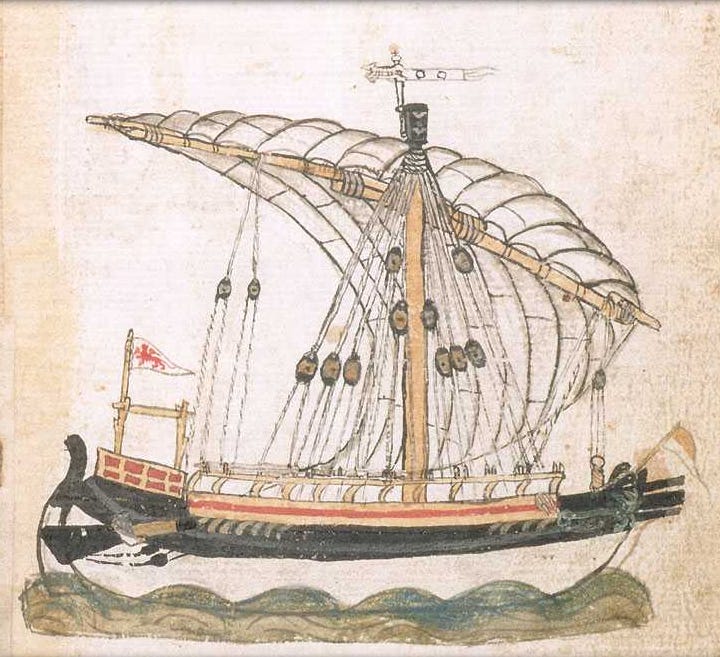
The 19th-century explorer embarked on journeys with no certain outcome, armed with hand-drawn maps and instruments crafted from brass and wood. Today’s traveler follows a plastic GPS device to pre-reviewed destinations, complaining when the pre-booked experience fails to match the plastic-perfect photos seen online.
In fact, twenty years from now you will be more disappointed by the things you didn’t do than by the ones you did do. So stop thinking whether it is the best time to send that text, and start doing. Sail away from the safe harbor and catch that trade wind in your sails. Words increasingly difficult to follow in a world where “exploration” means finding a new restaurant through a plastic-encased phone app.
Creating Your Plastic-Free Sanctuary
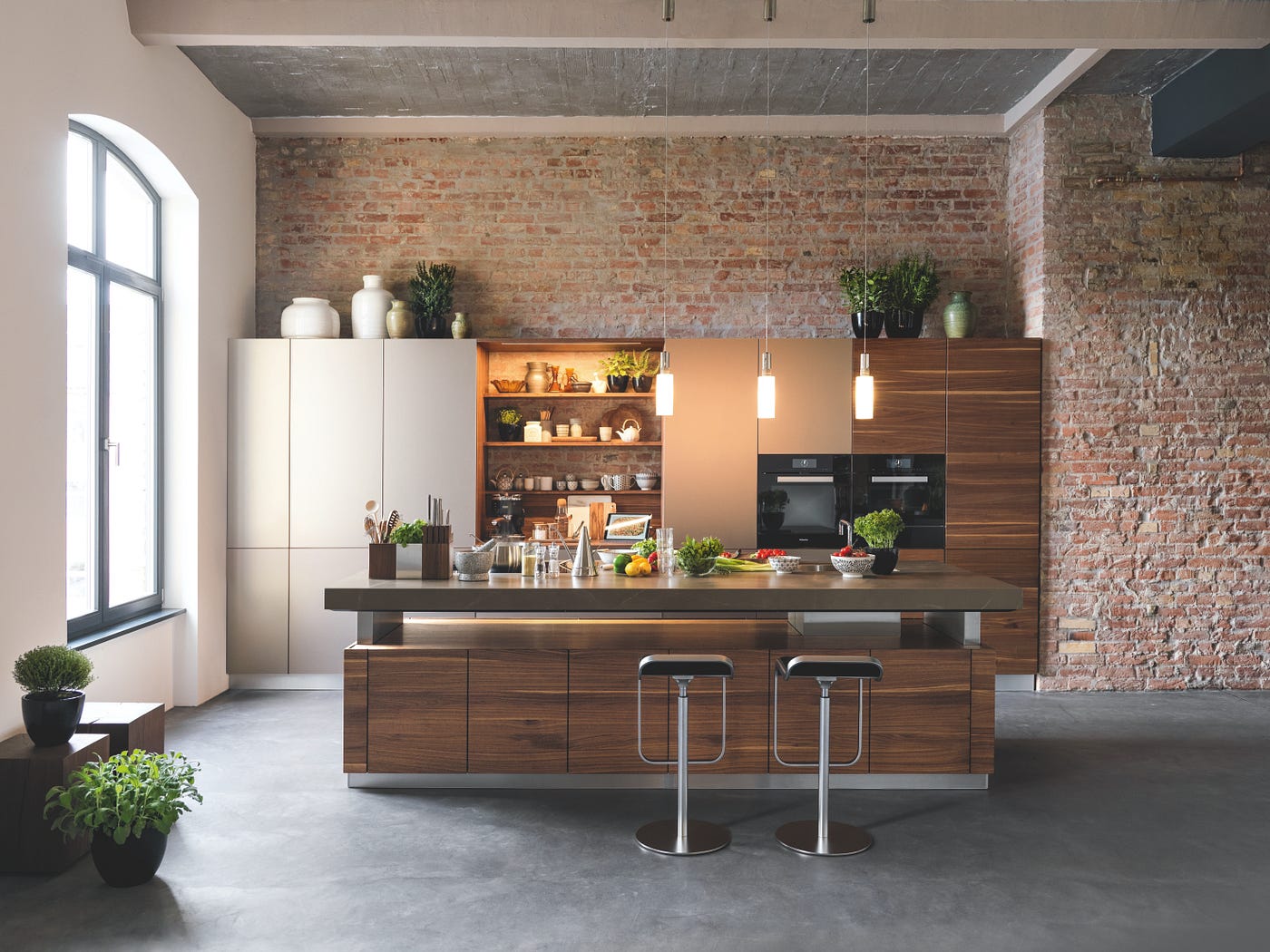
This place is where I would want to take a vacation to. It is as if one can travel back in time to experience a vastly different life, while still engage in things you want to do (mostly) in life. And this is not for environmental reason, as the impact of not using plastic is debatable since plastic replace a lot of need to chop down trees or firing up that mill, for instance. This is aesthetically aspired. And this world is not hard to imagine: just find out the time before production of cheap polymer material is available, perhaps, according to the article I quoted above, human civilization before WWII. And from what I read and heard, a lot of people fantasized and loved the romance of Western European world before WWI. Would these be connected? I think so.
I challenge you to make that place possible, perhaps in a room at your house. Indeed, creating such a sanctuary might be the most radical act of imagination in our plastic-saturated age. Start with a single room — declare it a plastic-free zone, a place where everything must have a story, a birthplace, a maker with a name.
Replace your synthetic-filled pillows with those stuffed with down or wool. Swap out plastic picture frames for wood or metal. Trade mass-produced plastic pens for fountain pens that require attention and care. Install wooden-handled tools instead of their garish plastic counterparts.
Would it be inconvenient? Certainly! Would it be expensive? Indeed! But comfort is the enemy of achievements. It removes the desire and motivate to struggle through and come out better. The plastic-free room would demand more from you — more attention, more care, more thought. But it would reward you with something increasingly rare: a relationship with your surroundings that feels authentic rather than merely functional.
Consider what you might rediscover: the satisfaction of using objects that grow more beautiful with age rather than simply degrading. The pleasure of knowing the origin of each item in your sanctuary. The relief of escaping, even briefly, the constant buzzing and beeping of plastic electronics demanding your attention.
In such a room, you might rediscover something our ancestors took for granted — that human environments once reflected human hands and human limitations, not corporate efficiency and industrial availability. You might rediscover the pleasure of using things that were made to last rather than made to be replaced.
The secret of getting ahead is getting started. Your plastic-free sanctuary need not be perfect; it need only be begun. Replace one plastic item with something of character and substance, then another, then another. Soon, you’ll find yourself inhabiting a space that feels more like a continuation of human tradition than a showroom for petroleum by-products.
For those concerned that such nostalgia represents mere backward thinking, remember: knowing where we’ve been helps determine where we’re going. If our plastic-suffused present represents “progress,” we might be wise to question what, precisely, we’re progressing toward.
In a world increasingly artificial, creating a space of authenticity isn’t merely aesthetic indulgence — it’s a revolutionary act of imagination. It squarely confronts us with the fact that the worst loneliness is not to be comfortable with yourself. And perhaps that discomfort many feel in our convenient modern world stems from surroundings that offer everything except character, everything except a connection to the human hands that crafted them.
So go ahead — create that plastic-free room. Fill it with objects that demand something of you, objects that age alongside you, objects with stories to tell. You might discover that convenience and character make poor bedfellows, and that what we’ve gained in ease we’ve lost in meaning.
And isn’t that a trade worth reconsidering?
메타데이터
- post_id
- aed087bbaf1d
- slug
- allergic-to-sterility-a-world-without-plastic-aed087bbaf1d
- url
- https://medium.com/@solarletter/allergic-to-sterility-a-world-without-plastic-aed087bbaf1d
- canonical_url
- https://medium.com/@solarletter/allergic-to-sterility-a-world-without-plastic-aed087bbaf1d
- author_url
- https://medium.com/@solarletter
- status
- ok
- fetched_at
- 2026-07-20 20:45:26