The Handshake and the Gas: The Secret Math of the Iran-Iraq War
on July 3, 1988-an Iranian civilian airliner carrying 290 people was struck by two missiles and broke apart in midair. Wreckage and bodies…
The Handshake and the Gas: The Secret Math of the Iran-Iraq War
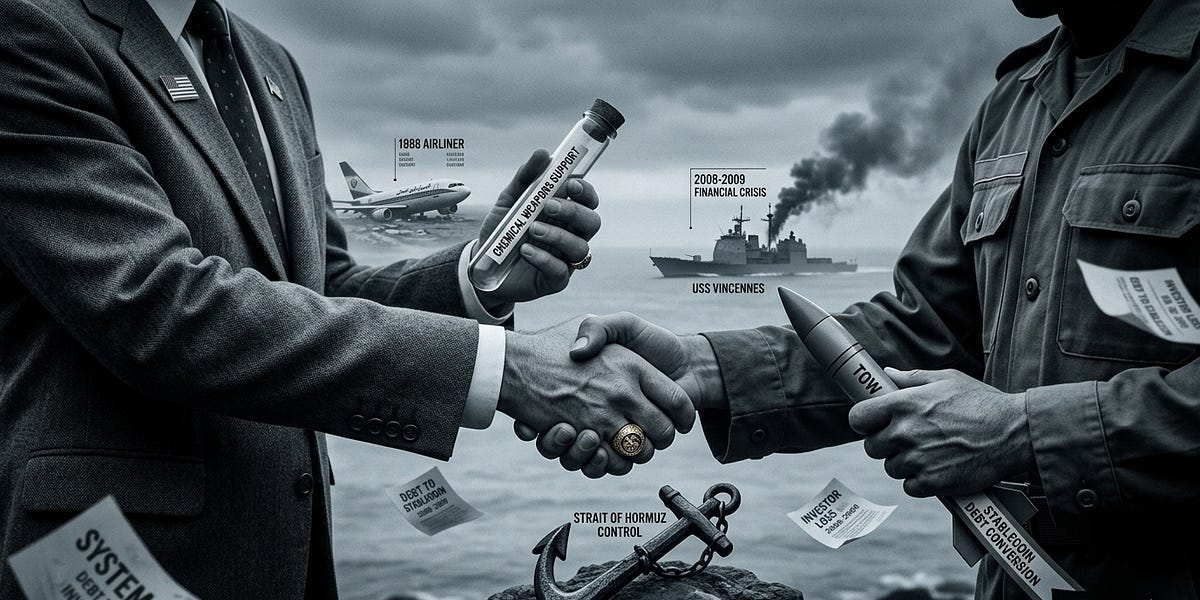
on July 3, 1988-an Iranian civilian airliner carrying 290 people was struck by two missiles and broke apart in midair. Wreckage and bodies scattered across the Persian Gulf. A schoolbag belonging to an 11-year-old boy floated on the surface, filled with notebooks and colored pencils. A mother drifted in the water, still clutching her infant, their hands tightly held together.
The missiles were fired by the U.S. warship USS Vincennes. The captain was not held accountable; instead, he was awarded a government medal.
Even more astonishing: just three years earlier, the United States had secretly sold Iran 2,000 missiles, helping them kill Iraqi soldiers on the battlefield. At the same time, the U.S. was providing Iraq with satellite intelligence and equipment for chemical weapons facilities, helping them gas Iranian troops.
This is not a conspiracy theory. This is one of the darkest truths of the Iran-Iraq War. The United States stood by the ring, handing knives to both fighters, waiting until they were both half-dead-then stepping in to count the money.
In 1979, the U.S. suffered a humiliating defeat in Iran: 66 diplomats were held hostage for 444 days. President Carter’s rescue mission ended in total failure-eight helicopters crashed in the desert in a ball of fire. The world expected retaliation. Instead, the U.S. turned to Saddam next door and whispered: “Iran is weak. You can strike.”
Saddam believed it. On September 22, 1980, a force of 100,000 troops crossed the border, with 2,000 tanks tearing through Iranian defenses. In the first month of the war, Saddam did win. Iranian border forces collapsed, Baghdad erupted in celebration, and Saddam waved to cheering crowds from a balcony as if victory were within reach.
But Khomeini gave the order, and half a million Iranians surged to the front lines-not soldiers, but civilians: 15-year-old boys, 60-year-old men. They strapped explosives to their bodies, held what they were told were “keys to heaven,” and charged into minefields shouting “Allahu Akbar.” Explosions echoed across the desert; bodies were torn apart to clear paths for tanks behind them. Iraqi soldiers watched wave after wave of human bombs advance, their hands trembling as they pulled the trigger.
The war turned from a lightning campaign into a meat grinder-from something expected to end in days into an eight-year stalemate.
By 1982, Iranian forces had pushed back to the border and regained lost territory. They could have declared victory. But Khomeini was not satisfied-he wanted Baghdad, he wanted Saddam to kneel. The war shifted from defense to revenge.
Iraq began to falter. Soldiers deserted in large numbers. Saddam sat in his palace, ashtrays overflowing, his face grim. And then, help arrived.
In December 1983, Reagan sent a special envoy-Donald Rumsfeld, the same man who would later lead the Iraq War. He flew to Baghdad, shook Saddam’s hand, smiling like an old friend.
After the meeting, Iraq received full sets of chemical weapons production equipment, along with U.S. satellite intelligence on Iranian troop deployments. Months later, new weapons appeared on the battlefield.
On March 11, 1985, Iranian forces launched a major offensive toward Basra. This time, they used coordinated tactics and pushed Iraqi defenses into retreat. Just as the Iranian Revolutionary Guard believed victory was near, yellow clouds drifted across the battlefield-mustard gas and nerve agents.
Five thousand Iranian soldiers convulsed, vomited, and suffocated in the poison. Their skin blistered, their eyes oozed yellow fluid, their lungs burned as if on fire. Some tried to crawl out of the gas zone, only to collapse after a few meters, fingers clawing at the sand. The materials and equipment for these chemical weapons all came from the United States.
But there was another side to the story.
In November 1986, a Lebanese magazine exposed a major scandal: while publicly supporting Iraq, the U.S. was secretly selling weapons to Iran. A cargo plane landed in Tehran, carrying 2,000 U.S.-made TOW anti-tank missiles.
Reagan’s national security advisor, Robert McFarlane, traveled to Tehran under a forged Irish passport, carrying a Bible signed by Reagan and a pistol-there to negotiate.
How much did the U.S. make? Weapons worth $30 million were sold for $50 million-a profit of $18 million. And even more remarkably, that money was then funneled to anti-government forces in Nicaragua. One deal, two profits.
Once Iran received the missiles, the battlefield shifted immediately. No more human-wave attacks. They simply waited kilometers away for Iraqi tanks to enter the kill zone of TOW missiles. One tank after another was blown apart, with no chance for the crews to escape.
The United States gave Iraq intelligence to help them gas Iranians, and sold Iran missiles to help them destroy Iraqi forces. It profited from both sides-and had blood on both sides.
Why?
The answer lies in a 1983 CIA internal memo, which stated clearly: prolonging the Iran-Iraq War served U.S. long-term interests. As long as these two regional powers kept destroying each other, the U.S. could maintain control over the Persian Gulf’s oil lifeline.
They supported Iraq to prevent Iran from winning. They sold weapons to Iran to prevent Iraq from becoming too strong. The balance was maintained-while the body count kept rising.
Meanwhile, U.S. arms dealers counted profits, and oil companies secured control of oil fields.
By the sixth year of the war, both countries were exhausted. Iraq had accumulated $80 billion in debt. Iran’s oil infrastructure was in ruins. A generation of young men had been reduced to casualties or disabled veterans.
At that moment, the U.S. Navy entered the Persian Gulf-officially to protect Kuwaiti oil tankers, but in reality to control the Strait of Hormuz.
And then came the scene at the beginning.
On July 3, 1988, the USS Vincennes shot down the Iranian airliner. 290 people-66 children and a pregnant woman among them-were killed.
What was the U.S. response? Vice President George H. W. Bush stood at the United Nations and calmly stated: “It was a wartime accident. Our crew acted appropriately.” There was no apology. Instead, the captain was awarded a medal.
Eight years later, the U.S. paid $130 million-about $300,000 per victim. But the official statement made it clear: this was an ex gratia payment, not compensation. No admission of guilt.
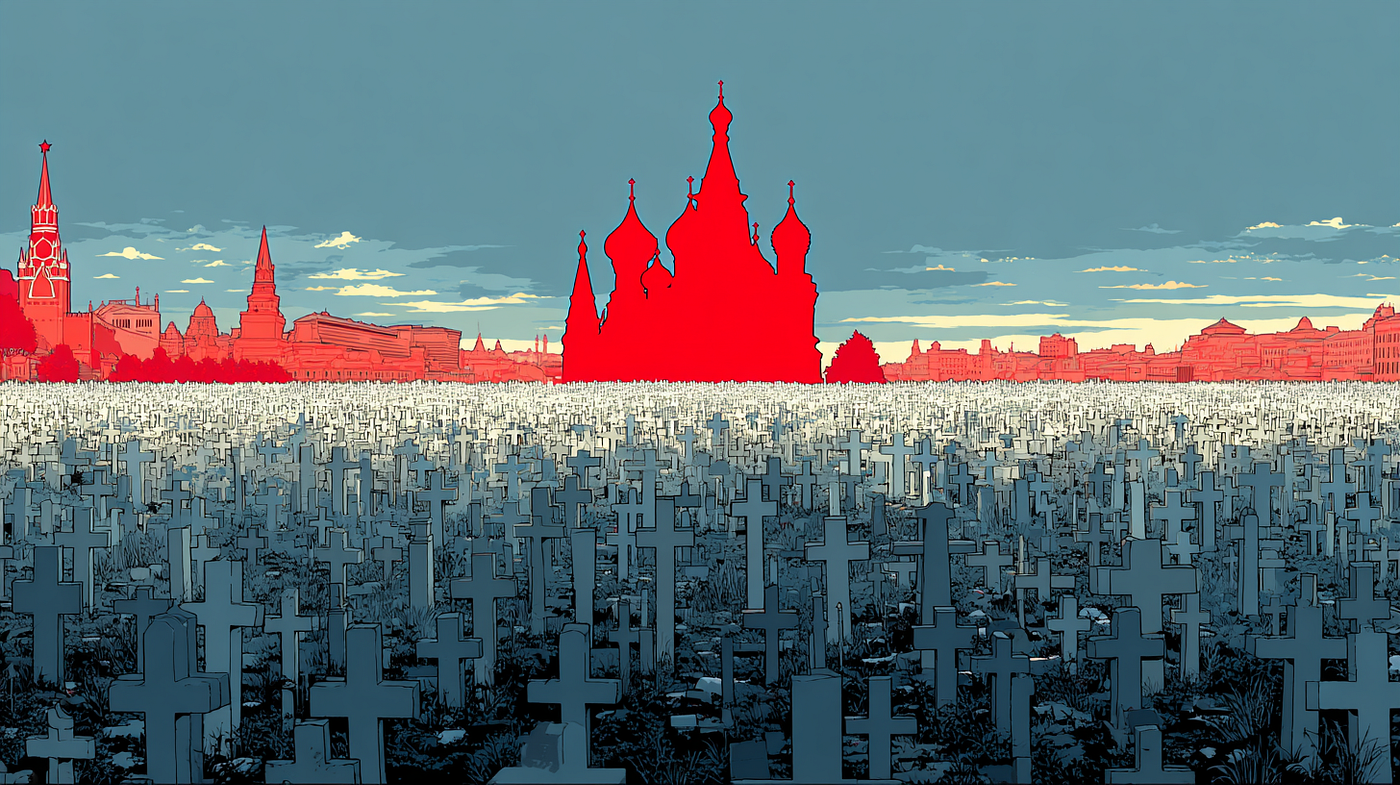
When the war ended, Iran and Iraq returned to their starting positions. Not an inch of border had changed. But together, they had lost one million lives. Their economies were set back thirty years. An entire generation was buried in the desert.
And the United States? Arms dealers made enormous profits. Oil companies secured dominance over the Persian Gulf. No country in the Middle East could challenge U.S. hegemony again. Oil-producing states like Saudi Arabia and Kuwait were terrified-and from then on, firmly aligned themselves with the U.S.
The irony is even deeper. In 2003, when the U.S. moved to remove Saddam, it pointed to those same chemical weapons from the Iran-Iraq War as evidence that he was a war criminal.
Rumsfeld stood before Congress and said without hesitation: “Saddam has weapons of mass destruction. The world knows it.”
But decades earlier, he himself had shaken Saddam’s hand while facilitating the transfer of chemical weapons equipment. Twenty years ago: “We are friends.” Twenty years later: “You are a terrorist.” Same mouth. Same hands. Different script.
After the war, Iraq was drowning in debt. Saddam, desperate, invaded Kuwait in 1990 to seize oil wealth-only for the U.S. to turn against him, assemble a coalition, and bomb Iraq back into the “Stone Age.”
This is the pattern: raise a dog, use the dog, then beat the dog. A full-service cycle.
And today, the Middle East is still paying the price. Iraq has yet to recover. Iran has endured decades of sanctions. The hatred between them helped create the conditions for the rise of ISIS.
The Iran-Iraq War reveals a brutal truth: in the chessboard of great power politics, the flesh and blood of smaller nations are always the cheapest pieces.
While the United States counted money in the Persian Gulf, one million souls drifted over the desert, still waiting for an answer that will never come-what, exactly, did they die for?
AI Translation Disclaimer: This piece was translated using AI. Since algorithms can’t always capture the full weight of human sacrifice or political irony, any misunderstandings should be resolved by consulting the original text. Original manuscript available from the author upon request.
Originally published at https://satireonedge.substack.com on March 19, 2026.
메타데이터
- post_id
- aed6e4efa04b
- slug
- the-handshake-and-the-gas-the-secret-math-of-the-iran-iraq-war-aed6e4efa04b
- url
- https://medium.com/@sslddiamant8/the-handshake-and-the-gas-the-secret-math-of-the-iran-iraq-war-aed6e4efa04b
- canonical_url
- https://medium.com/@sslddiamant8/the-handshake-and-the-gas-the-secret-math-of-the-iran-iraq-war-aed6e4efa04b
- author_url
- https://medium.com/@sslddiamant8
- status
- ok
- fetched_at
- 2026-06-21 19:25:17