What If Markets Could Tell You What To Do Next?
Prediction markets are designed to answer one question: what is most likely to happen? Will a team win? Will inflation rise? Will a…
What If Markets Could Tell You What To Do Next?
Prediction markets are designed to answer one question: what is most likely to happen? Will a team win? Will inflation rise? Will a candidate get elected? The market aggregates public conviction into probabilities.
But knowing what will happen is not always the same as knowing what action to take next.

A startup founder does not just want a probability. They want to know which feature users genuinely believe in enough to back with conviction. A music label wants to know which unreleased artist insiders quietly think will break out next. A sports organization wants stronger signals when evaluating talent, strategy, or roster decisions.
That is where opportunity markets become interesting.
Bench is exploring a completely different category of information market, one designed not around forecasting outcomes, but around sourcing actionable conviction. Instead of asking “What will happen?”, opportunity markets ask “What should we do next?”

That sounds like a small difference, but architecturally it changes everything.
How Bench Uses Staking to Measure Conviction
The modern internet is extremely good at collecting opinions. Likes, polls, comments, ratings, and reposts create massive amounts of engagement, but most of these systems have almost no cost attached to participation. People can casually support ideas without having any real conviction behind them.
Bench changes that dynamic through staking.

A market creator launches a market with a prize pool and an initial set of options. Participants then stake capital behind the option they believe best answers the creator’s question. Unlike traditional prediction markets, participants can also introduce entirely new options the creator never considered.

That matters because valuable insight is often asymmetric. Sometimes the best answer is not already visible in the initial choices.
The stake itself becomes the signal. The more conviction someone has, the more they are willing to back their answer financially. If their contribution ultimately helps produce the winning outcome, they receive a larger share of the reward pool. Early stakers also receive multiplier advantages, rewarding people who identified strong opportunities before consensus formed.
The result is not just a popularity contest. It becomes a market for high-conviction information.
How Opportunity Markets Differ From Prediction Markets
Prediction markets aggregate public expectations about future events. Opportunity markets aggregate private conviction about decisions.

That distinction becomes clearer in real-world scenarios.
A venture capital firm could launch a market asking which early-stage AI startup category currently has the strongest long-term potential. A music label could ask which unreleased artist has breakout potential before committing marketing resources.

A sports organization could crowdsource conviction around draft prospects, lineup changes, or recruitment strategies. A founder could ask which product feature users believe is genuinely worth prioritizing next.
In all of these cases, the goal is not simply predicting a future event correctly. The goal is extracting useful signal from people who may possess genuine expertise, intuition, or informational advantage.
That only works if participants have incentives to contribute honestly. And that is where privacy becomes critical.
Why Public Markets Make Valuable Information Useless
Information markets have existed conceptually for years. The problem is that high-value information usually loses value the moment it becomes public.
If a trader publicly reveals alpha immediately, the edge disappears. If insiders reveal conviction publicly, everyone else copies the position. If expertise becomes fully transparent in real time, the market quickly becomes performative instead of informative.
Without privacy, valuable signal gets front-run almost instantly.

That is the infrastructure problem Bench is trying to solve.
How Arcium Keeps Market Signals Private
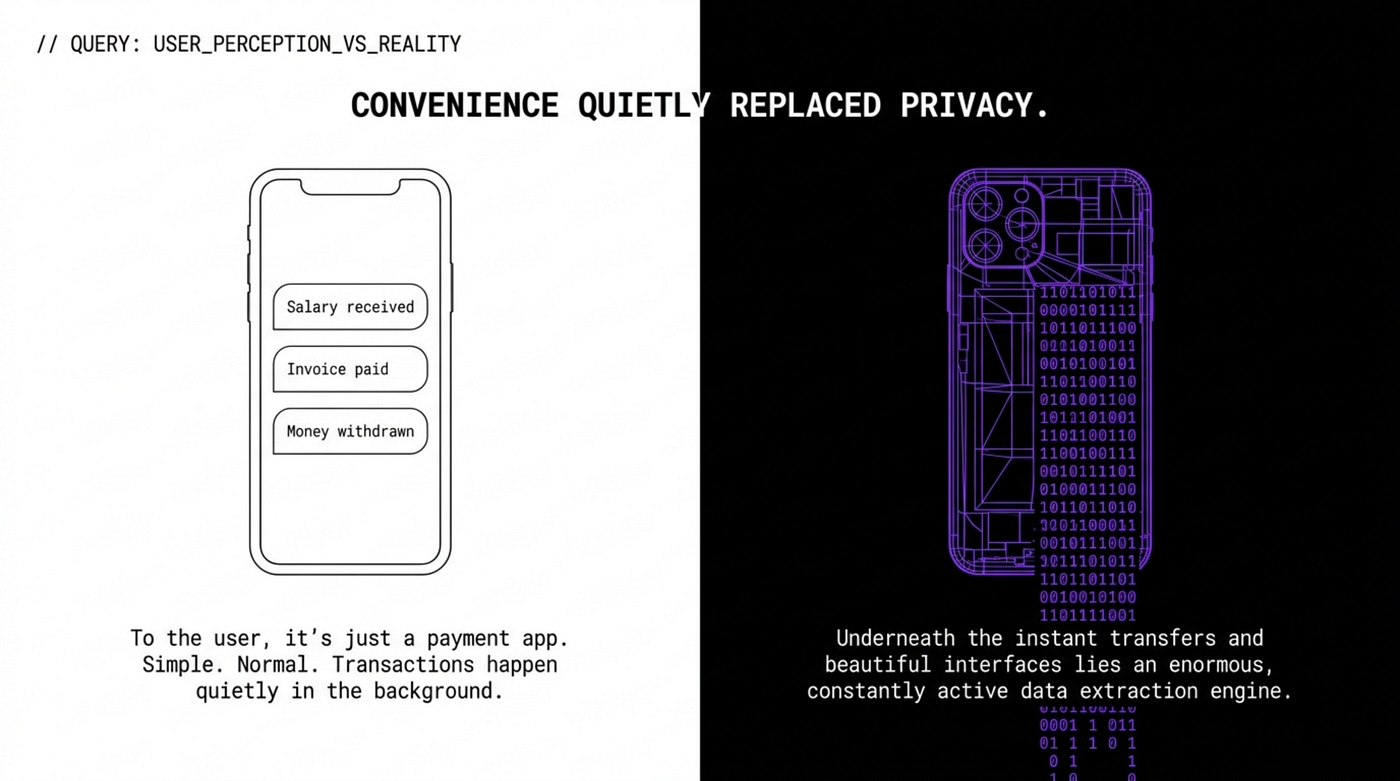
Arcium’s encrypted compute allows Bench to keep who staked, what they staked on, and how much they staked hidden from everyone except the market creator. This changes the behavior of the system entirely. Participants can contribute high-conviction information without immediately exposing their positioning to the broader market.

The signal remains useful because it is not instantly diluted by visibility.
That privacy layer is not just an optional feature. It is what makes the opportunity market model viable in practice. Without encryption, the incentives collapse.
How Bench Could Be Used by Founders, Investors, and Sports Teams
Most internet platforms optimize for visibility. Bench is interesting because it explores what happens when information coordination is built around selective privacy instead.
A founder could use Bench to determine which product feature users genuinely believe deserves prioritization.

Venture capital firms could use it to crowdsource conviction around emerging sectors before consensus forms publicly.

Sports organizations could use opportunity markets to evaluate draft prospects, roster changes, or strategy decisions using privately submitted expertise.

The internet already has systems for public opinions, public engagement, and public forecasting. What it lacks are systems designed to extract actionable private conviction without immediately destroying its value.
That is the category opportunity markets are trying to explore.
Prediction markets tell you what people think will happen. Opportunity markets try to discover what informed people believe is actually worth doing next.
Links:
Arcium: https://www.arcium.com/
Arcium X: https://x.com/Arcium
Bench Website: https://bench.markets/
Bench X: https://x.com/benchdotmarkets
메타데이터
- post_id
- aeffaabab1ed
- slug
- what-if-markets-could-tell-you-what-to-do-next-aeffaabab1ed
- url
- https://medium.com/@pandabhurr/what-if-markets-could-tell-you-what-to-do-next-aeffaabab1ed
- canonical_url
- https://medium.com/@pandabhurr/what-if-markets-could-tell-you-what-to-do-next-aeffaabab1ed
- author_url
- https://medium.com/@pandabhurr
- status
- ok
- fetched_at
- 2026-06-09 15:37:30