I Tried Desperately to ‘Fix’ Myself: Fears of Being GAY
The weight of the biggest secret I had
I Tried Desperately to ‘Fix’ Myself: Fears of Being GAY
The weight of the biggest secret I had

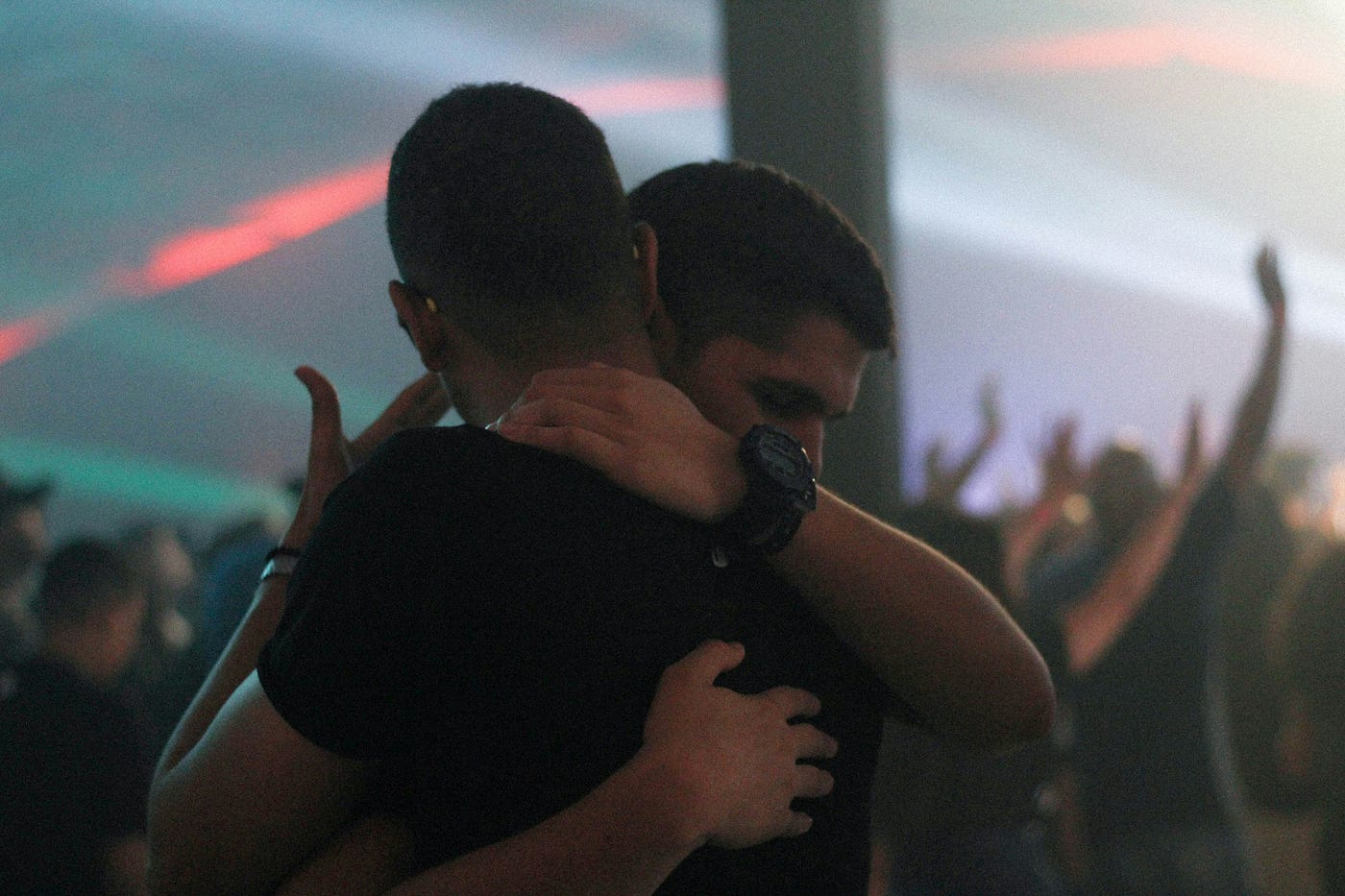
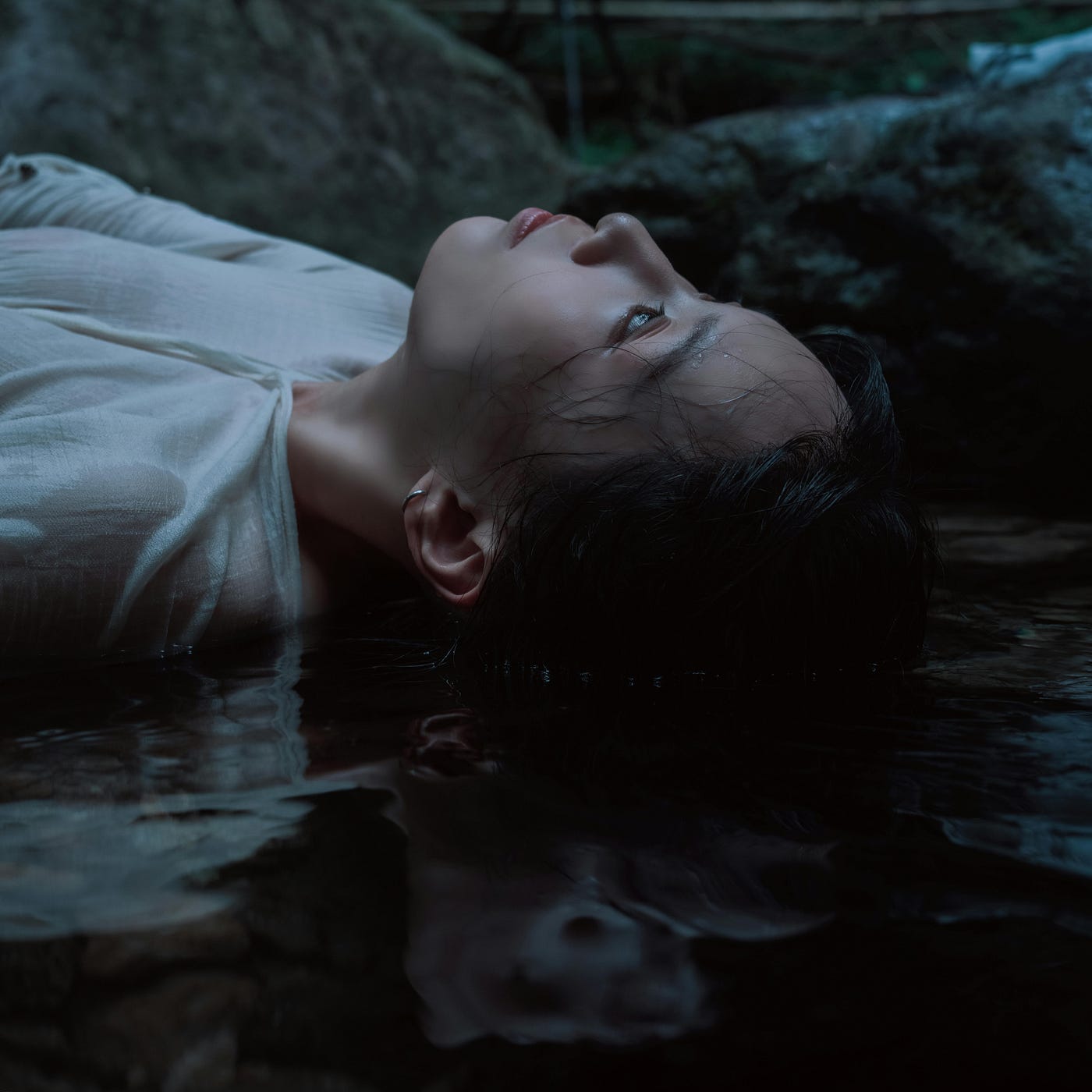
photo by mali desha on unsplash
Every day, from the moment I got out of bed to the moment I returned to it, my mind was never quiet. There were too many thoughts…
Thoughts no growing teenager should have to carry, deep fears that slowly broke me from the inside, the weight of the biggest secret I had, and a constant noise in my head that never seemed to stop.
For a long time, I thought there was something wrong with me. Not because anyone had explicitly told me so, but because fear had quietly become the lens through which I viewed my entire life.
Fear of being rejected. Fear of disappointing my family. Fear of being condemned by God. Fear of being discovered. Fear of ending up alone.
Looking back now, I realize that my teenage years were shaped less by what actually happened to me and more by what I feared might happen.
These were the fears that occupied my mind.
Peer rejection
Have you ever wondered why human beings always seek people? It could be friends, neighbors, classmates, family, or lovers. No matter who it is, we are rarely built to survive completely alone.
There is something deeply human about wanting company, about searching for comfort in the presence of others…. Belonging is not just emotional. It is survival.
Sometimes, the need to belong becomes so strong that we start becoming things we are not. We laugh at jokes we do not find funny. We support things we do not believe in. We hide parts of ourselves just to remain accepted.
Maslow’s hierarchy of needs speaks about belongingness as something essential. And maybe that is true.
“Because sometimes, being accepted feels more necessary than being honest.”
It took me some time to understand that I was different from others, not physically, not emotionally, but in the way I was attracted to men. Now, I know it is not a big deal. I know it is normal.
But back then, being different felt terrifying. I was afraid that if people ever found out the truth about me, they would cast me out and see me differently.
And honestly, that fear was not irrational. Even today, many of us still grow up in deeply homophobic environments where people treat sexuality like a choice and mock gay people for simply existing.
I remember a boy in my class who was soft-spoken and slightly feminine. People constantly mocked him, calling him gay behind his back. No one wanted to sit beside him. No one wanted to be associated with him.
And the worst part is… I went along with it too, I laughed with my friends. I joined them in teasing him. Not because I hated him, but because I was terrified of becoming him. Sometimes, survival makes you cruel in ways you do not understand until much later.
Family disapproval
My parents always treated me with love. I received most of my emotional security through my mother and financial security through my father. It is not the case that my father never supported me emotionally or never spent time with me. He was the sole provider of our family, and he spent most of his life working for us. Maybe that is why I formed a stronger emotional bond with my mother than with him.
But despite that distance, my father always made me feel protected.
He used to say, “Whatever it is, and whoever stands against you — even if the whole world turns against you — I will always stand with you. You will never be alone.”
Every time I heard those words, I felt like I had the strength of a thousand elephants inside me. But at the same time, another thought quietly haunted me. “Was this unconditional love only unconditional if I was straight?”
Would my parents still love me after knowing that I was different?
Would they think they had failed because of me?
Would they stop seeing me as their child?
Would my existence make them feel ashamed?
These were the questions I always carried inside me, but I never had the courage to search for the answers because I was terrified that the answers might turn against me.
The home that once felt safest slowly became the place where I hid the most. After discovering myself, my house no longer felt completely safe or completely frightening. It became something in between, a place constantly oscillating between comfort and fear.
My father had lost his father as a teenager, and maybe because of that, he was deeply protective of me. He never wanted me to go through the hardships he faced after losing his father.
He raised me with discipline. From my haircut to the clothes I wore, from the way I spoke to the way I spent my day, almost every aspect of my life carried some form of structure and discipline.
And maybe that was one of the reasons I never felt comfortable telling him the truth. I did not want him to see me differently.
I could not bear the thought of someone who loved me unconditionally turning into someone distant, disappointed, or ashamed of me.
Society would already hate me. But I could not afford to lose my own people too. My father is still my idol in many ways. He set a standard for how I should live my life. Yes, he is a little old-fashioned, carrying beliefs shaped by another generation, but that never made me hate him.
I was just a child afraid of losing his parents’ love because of who he truly was from inside.
Moral and religious conflict
Do you know how many times I prayed to God to change me, to remove the attraction I felt towards men?
Maybe God was busy solving other people’s problems and never listened to me. Or maybe what I had was never a problem that needed to be fixed in the first place. Maybe that is why he never listened.
I tried so hard to suppress my feelings because I truly believed that my existence was a sin, that something divine and sacred saw me as unnatural.
“THIS IS A SIN.”
But what exactly is a sin? To love someone? Or to live the way God created us to be? If God created me, why would he create me this way — only to hate me for it?
“THIS IS AGAINST NATURE.”
But what is truly against nature? To express yourself honestly? To exist as you are?
“GOD MADE MAN AND WOMAN.”
Yes, he did. But when did He create boundaries for love? All I ever learned from my religion was that love is boundless, divine, and healing. No matter what form it takes, love is supposed to liberate us from worldly pain.
And sometimes, I find it painfully ironic that the very thing meant to heal people became the reason so many of us suffered.
There was always a voice inside my head reminding me of what I was and what I was supposed to be. All I wanted at that age was one voice telling me that my existence is not a sin, that I am not a stain upon God’s creation.
But I had no one. I had to figure myself out alone. And somewhere along the way, I realized something — “if there truly is an entity called God, then He would never hate His own children for being who they are.”
Hypervigilance
I do not remember the last time I truly expressed myself. For years, I carried a version of myself that was never truly authentic, but was instead the version society expected from me — the one that would be accepted, loved, and appreciated.
I slowly began surveilling myself and my actions. The way I walked. The way I spoke. The way I behaved around others. I became terrified of appearing even slightly feminine.
Even the word “gay,” when casually used by someone else, made me uncomfortable. I constantly worried about how I looked at my classmates. How much eye contact was too much? Would someone notice something unusual in me?
I used to panic whenever my father touched my phone, afraid that something I had watched or searched for would expose the truth about me. I pretended to have crushes on girls in my class when all I was truly attracted to — were boys.
I lied to my friends about the kinds of girls I liked so they would not question me. I laughed at homophobic jokes just to fit in.
I do not know what else to call this.
Fear had turned me into my own surveillance system. And after years of living two different lives, I became exhausted. I pretended so much that eventually I stopped knowing which version of me was real.
I tried desperately to “fix” myself. I distanced myself from other queer people. The hatred of society slowly became the voice inside my own head, and I spent years trying to remove a part of myself that had never done anything wrong.
At one point, I not only judged myself, I even found myself judging other queer people for openly being themselves. Looking back now, I realize that fear and shame had changed the way I saw both myself and others.
Fear of ending up alone
It did not matter how many people surrounded me — friends, family, classmates, anyone. I still felt completely invisible.
And then I realized something: Loneliness is not the absence of people; it is the absence of being fully known.
Even though there were many people around me, no one truly knew what was going on inside my mind. And maybe that was also my fault because I never tried explaining myself to anyone. I was terrified of being judged.
Sometimes, I used to fear that I would end up alone, growing old with a loneliness I never wanted. The thought, “Will I ever truly be loved without hiding?” haunted me more often than I liked to admit.
More than anything, I feared a future where I would spend my whole life hiding from the world and eventually from myself.
And strangely, that fear always felt heavier whenever I was alone and it was dark outside. I do not know what relationship sadness has with darkness, but for me, the necessary conditions for my sadness were always simple:
I have to be alone.
And it had to be dark.
Sometimes, I feel like I missed most of my childhood, hiding from these fears. As if I were so busy surviving that I forgot how to simply be a child. I often think that fear stole many parts of my childhood. If I ever had the chance to change my past, I would not ask for perfection; I would only ask for a softer childhood.
One with less fear, where I could have been happy for who I truly was.
메타데이터
- post_id
- af3c81031952
- slug
- tried-fix-myself-fears-gay-af3c81031952
- url
- https://medium.com/prismnpen/tried-fix-myself-fears-gay-af3c81031952
- canonical_url
- https://medium.com/prismnpen/tried-fix-myself-fears-gay-af3c81031952
- author_url
- https://medium.com/@kaali-tamoharan
- status
- ok
- fetched_at
- 2026-06-26 03:39:16