How Long Can Food Stay Fresh in a Cold Room?
Keeping food fresh is one of the biggest challenges for restaurants, supermarkets, food processors, and catering businesses. A properly…
How Long Can Food Stay Fresh in a Cold Room?
Keeping food fresh is one of the biggest challenges for restaurants, supermarkets, food processors, and catering businesses. A properly designed cold room plays a crucial role in preserving food quality, reducing waste, and ensuring food safety. However, many people wonder how long different foods can actually stay fresh inside a cold room.
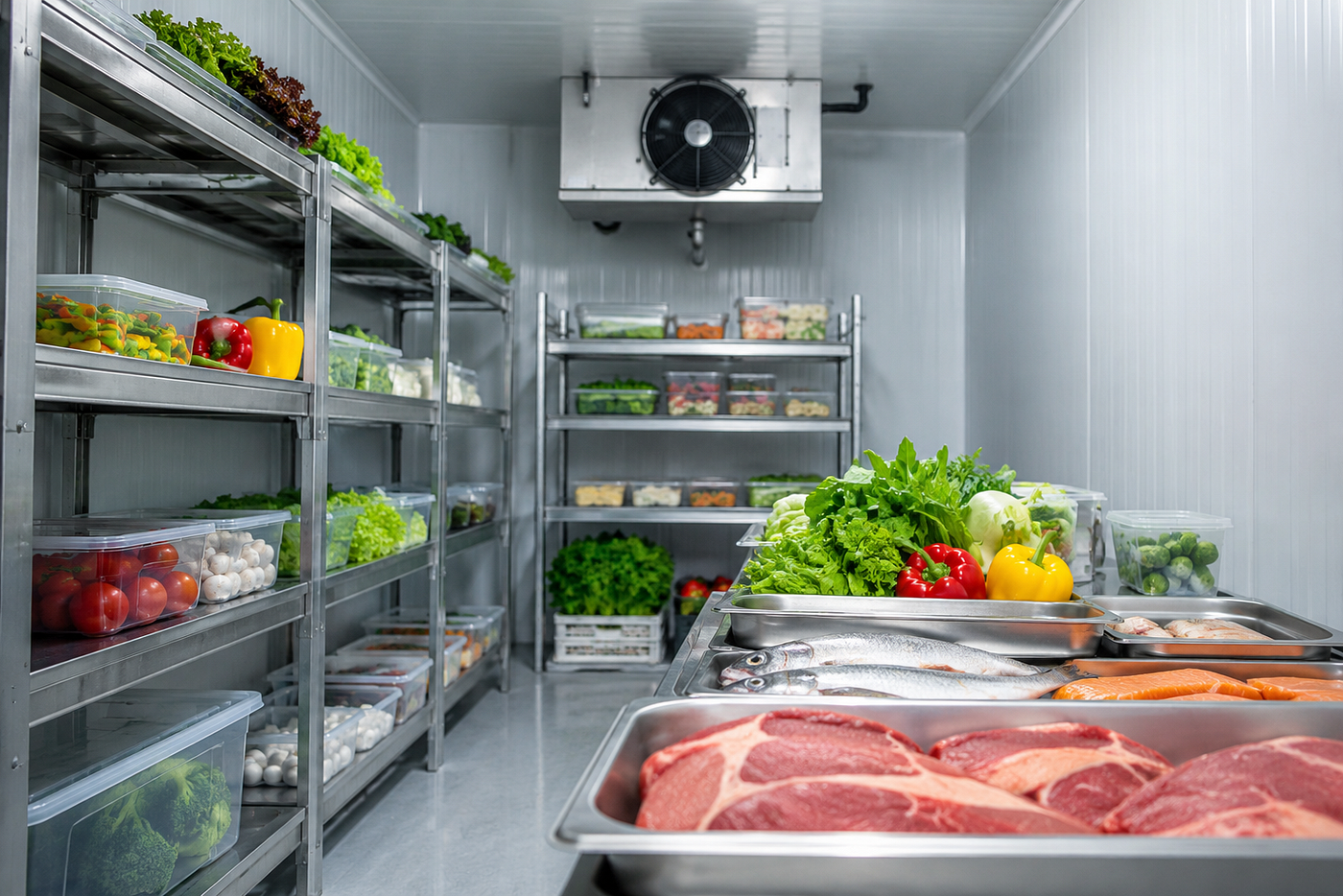
The answer depends on several factors, including the type of food, storage temperature, humidity levels, and how well the cold room is maintained. Understanding these factors can help businesses and homeowners maximize the shelf life of their products while maintaining freshness and nutritional value.
Why Cold Rooms Are Essential for Food Storage?
Cold rooms are specially designed refrigeration spaces that maintain a controlled temperature to slow down the growth of bacteria, yeast, and mould. Lower temperatures help preserve the taste, texture, and nutritional content of food while extending its usable life.
Businesses in the food and beverage industry rely on cold rooms to store products safely and comply with food safety regulations. Proper storage also helps reduce spoilage, saving money and minimizing unnecessary waste.
For commercial cold room solutions and refrigeration systems, businesses can explore cold room solutions designed for different storage requirements.
How Long Can Different Foods Stay Fresh in a Cold Room?
Although storage times can vary depending on freshness and handling practices, the following guidelines are commonly recommended.
Fresh Fruits and Vegetables
Most fruits and vegetables remain fresh for several days to several weeks when stored at temperatures between 0°C and 10°C.
- Apples: 1 to 3 months
- Carrots: 2 to 4 weeks
- Leafy greens: 3 to 7 days
- Potatoes: Several weeks under suitable conditions
Proper humidity control is important because excessive moisture can lead to mould growth, while low humidity can cause produce to dry out.
Meat and Poultry
Raw meat and poultry should be stored at temperatures between 0°C and 4°C.
Typical storage periods include:
- Fresh beef: 3 to 5 days
- Chicken: 1 to 2 days
- Pork: 3 to 5 days
- Ground meat: 1 to 2 days
Maintaining consistent temperatures is essential to prevent bacterial growth and preserve food quality.
Seafood
Seafood is highly perishable and requires careful temperature control.
Recommended storage periods:
- Fresh fish: 1 to 2 days
- Shellfish: 1 to 2 days
- Cooked seafood: 3 to 4 days
Keeping seafood close to 0°C helps maintain freshness and quality.
Dairy Products
Dairy products generally have longer shelf lives when refrigerated properly.
Approximate storage durations include:
- Milk: Up to 7 days after opening
- Cheese: Several weeks depending on the type
- Butter: 1 to 3 months
- Yogurt: 1 to 2 weeks
Always follow the manufacturer’s recommendations and expiration dates.
Prepared and Cooked Foods
Cooked foods should be stored at temperatures below 4°C.
Typical storage times include:
- Cooked rice: 3 to 4 days
- Soups and stews: 3 to 4 days
- Cooked meats: 3 to 4 days
- Pasta dishes: 3 to 5 days
Proper packaging helps maintain quality and prevent contamination.
Factors That Affect Food Freshness
Storage Temperature
Temperature is one of the most important factors affecting food preservation. Even slight fluctuations can reduce shelf life and increase the risk of spoilage.
Humidity Levels
Certain foods require higher humidity to stay fresh, while others perform better in dry conditions. Maintaining the correct balance prevents dehydration and mould growth.
Packaging
Airtight and food-grade packaging helps protect products from moisture loss, contamination, and odours.
Air Circulation
Good airflow ensures even cooling throughout the cold room and helps maintain stable temperatures.
Hygiene and Maintenance
Regular cleaning and maintenance prevent bacteria buildup and ensure the refrigeration system operates efficiently.
Recommended Cold Room Temperatures
General temperature guidelines include:
- Fruits and vegetables: 0°C to 10°C
- Dairy products: 1°C to 4°C
- Meat and poultry: 0°C to 4°C
- Seafood: Around 0°C
- Frozen foods: -18°C or lower
These temperature ranges help maintain food quality and comply with food safety standards.
Tips to Keep Food Fresh Longer
Businesses and homeowners can extend food freshness by following a few simple practices:
- Monitor temperatures regularly.
- Avoid overloading the cold room.
- Keep doors closed whenever possible.
- Store raw and cooked foods separately.
- Use the first-in, first-out method to rotate inventory.
- Clean shelves and surfaces regularly.
- Inspect products frequently for signs of spoilage.
Final Thoughts
A well-maintained cold room can significantly extend the freshness of food and help businesses reduce waste. While storage times vary depending on the product, maintaining the right temperature, humidity, and hygiene standards is essential for preserving quality and ensuring food safety.
Whether you operate a restaurant, supermarket, food processing facility, or catering business, investing in a reliable cold room system can make a substantial difference in protecting your inventory and maintaining customer satisfaction.
메타데이터
- post_id
- af40eb9ebc9b
- slug
- how-long-can-food-stay-fresh-in-a-cold-room-af40eb9ebc9b
- url
- https://medium.com/@uaechillerexperts/how-long-can-food-stay-fresh-in-a-cold-room-af40eb9ebc9b
- canonical_url
- https://medium.com/@uaechillerexperts/how-long-can-food-stay-fresh-in-a-cold-room-af40eb9ebc9b
- author_url
- https://medium.com/@uaechillerexperts
- status
- ok
- fetched_at
- 2026-08-10 14:47:56




