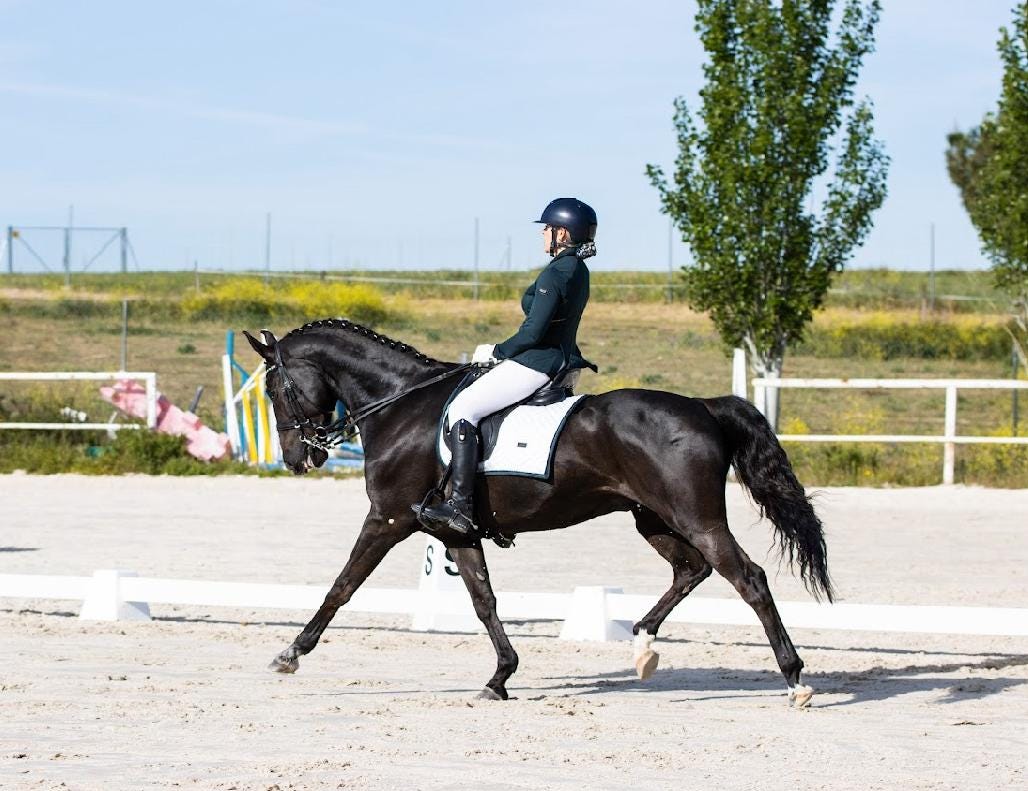
Are You Riding Too Much With Your Hands? AI Says Yes (Most of the Time)
Modern equestrians have access to more information than ever, but sometimes the most powerful insights come from the outside looking in —…
Are You Riding Too Much With Your Hands? AI Says Yes (Most of the Time)
Modern equestrians have access to more information than ever, but sometimes the most powerful insights come from the outside looking in — way outside. As AI-powered tools begin analyzing rider biomechanics frame by frame, a surprisingly consistent pattern is emerging: most riders rely too heavily on their hands to communicate, correct, and control.
It’s a slightly uncomfortable truth… but maybe it’s exactly the push the horse world needs.
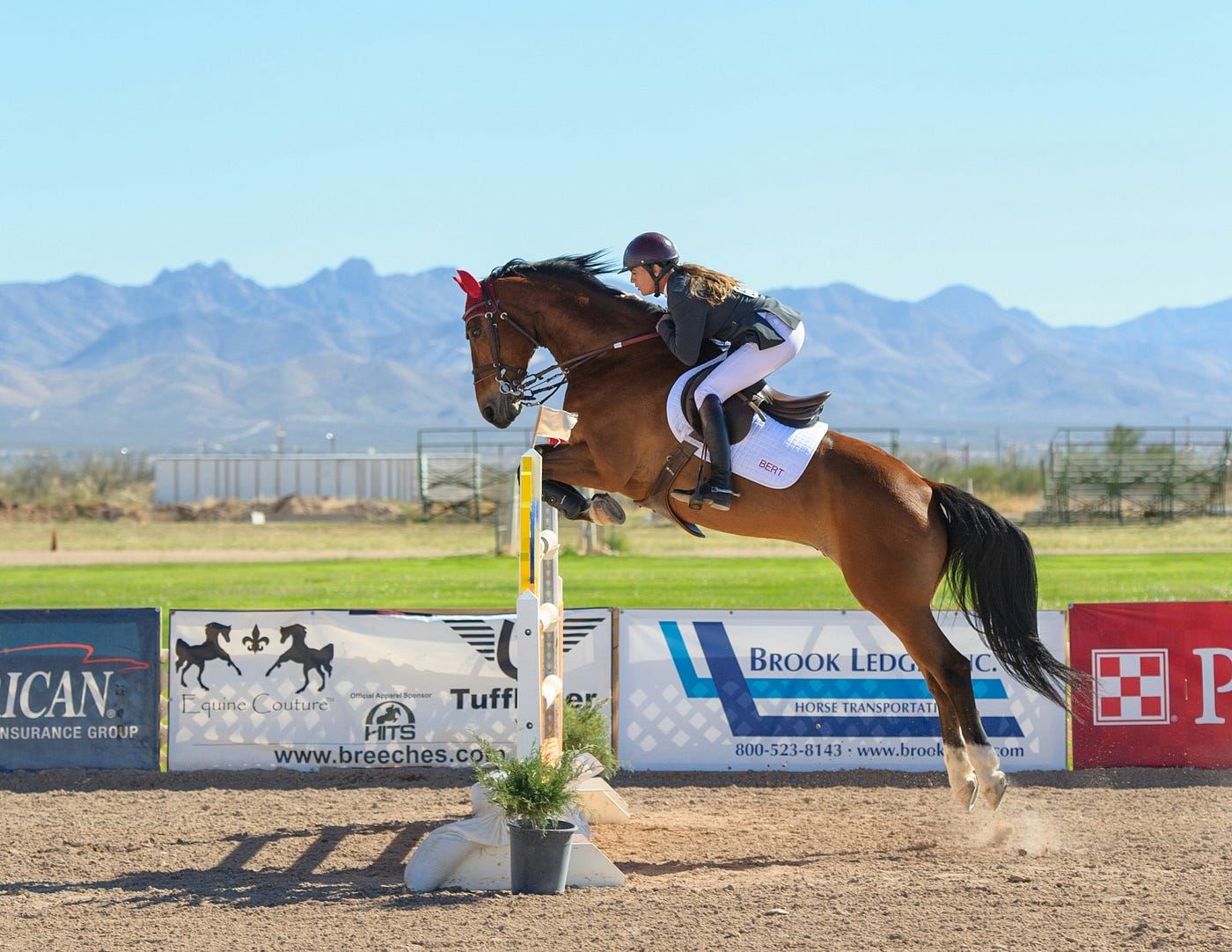
The Hard Reality: AI Doesn’t Lie About Your Hands
Watch any lesson, clinic, or warmup ring and you’ll spot it — busy hands. Riders who mean well often end up doing too much: shortening reins, lifting hands, seesawing, pulling back for half-halts, or hanging on for balance.
AI systems designed to read tension, rein pressure, and movement asymmetries are confirming what trainers have said for decades: hand-dominant riding is one of the most common habits across all levels.
Why?
Because hands are fast. They’re the easiest tool to overuse. They compensate when the seat isn’t stable, the core isn’t engaged, or the timing is off.
But just because something is easy doesn’t mean it’s right.
Your Horse Feels Everything — Even What You Don’t Notice
The AI data shows a clear trend:
- Riders believe they’re using soft contact…
- …while the horse shows signs of bracing, inverting, shortening strides, or avoiding the bit.
Micro-corrections add up. What feels like “light guidance” can translate to constant noise for the horse.
And horses don’t thrive in noise — they thrive in clarity.
The Seat and Legs Should Lead. The Hands Should Whisper.
Good riding isn’t about no contact; it’s about using the reins as a final refinement, not the first reaction.
AI analysis highlights that riders with the most balanced, rhythmic seat have the quietest hands — and their horses show the most relaxed frames, consistent tempo, and even muscle development.
In other words: Quiet hands come from correct posture, stability, and timing — not just “trying harder.”
Ready to See What AI Says About Your Hands?
If you’re ready for honest, objective feedback that helps you develop softer hands, better balance, and a happier horse, it’s time to bring AI into your training toolkit.
👉 Try AI Equestrian today and let advanced riding analysis transform your rides — one frame at a time.
AIEquestrian #EquestrianAI #RiderBiomechanics #HorseTrainingTech #BetterRidingBetterHorses
메타데이터
- post_id
- af8fc313585f
- slug
- are-you-riding-too-much-with-your-hands-ai-says-yes-most-of-the-time-af8fc313585f
- url
- https://medium.com/@projects_52011/are-you-riding-too-much-with-your-hands-ai-says-yes-most-of-the-time-af8fc313585f
- canonical_url
- https://medium.com/@projects_52011/are-you-riding-too-much-with-your-hands-ai-says-yes-most-of-the-time-af8fc313585f
- author_url
- https://medium.com/@projects_52011
- status
- ok
- fetched_at
- 2026-07-08 02:40:31