DPWH, Contractors, and Ghost Projects: A System Designed to Leak Money
When projects exist on paper but not in reality, the problem isn’t oversight. It’s design.
DPWH, Contractors, and Ghost Projects: A System Designed to Leak Money
When projects exist on paper but not in reality, the problem isn’t oversight. It’s design.
Recurring scandals involving ghost projects and inflated infrastructure costs in the Philippines are often treated as isolated cases of corruption. This essay argues that these are not anomalies but predictable outcomes of a system built on fragmented oversight, manual verification, and weak real-time accountability. Fixing the problem requires redesigning procurement and project monitoring systems — not just investigating after the fact.
Every few months, a familiar headline appears.
Ghost projects. Missing funds. Unfinished roads declared “completed.” Overpriced contracts.
Public outrage follows. Investigations begin. Statements are issued.
And then, eventually, the cycle resets.
We treat each case as a scandal.
But what if it’s not?
What if ghost projects are not exceptions — but outputs of the system itself?
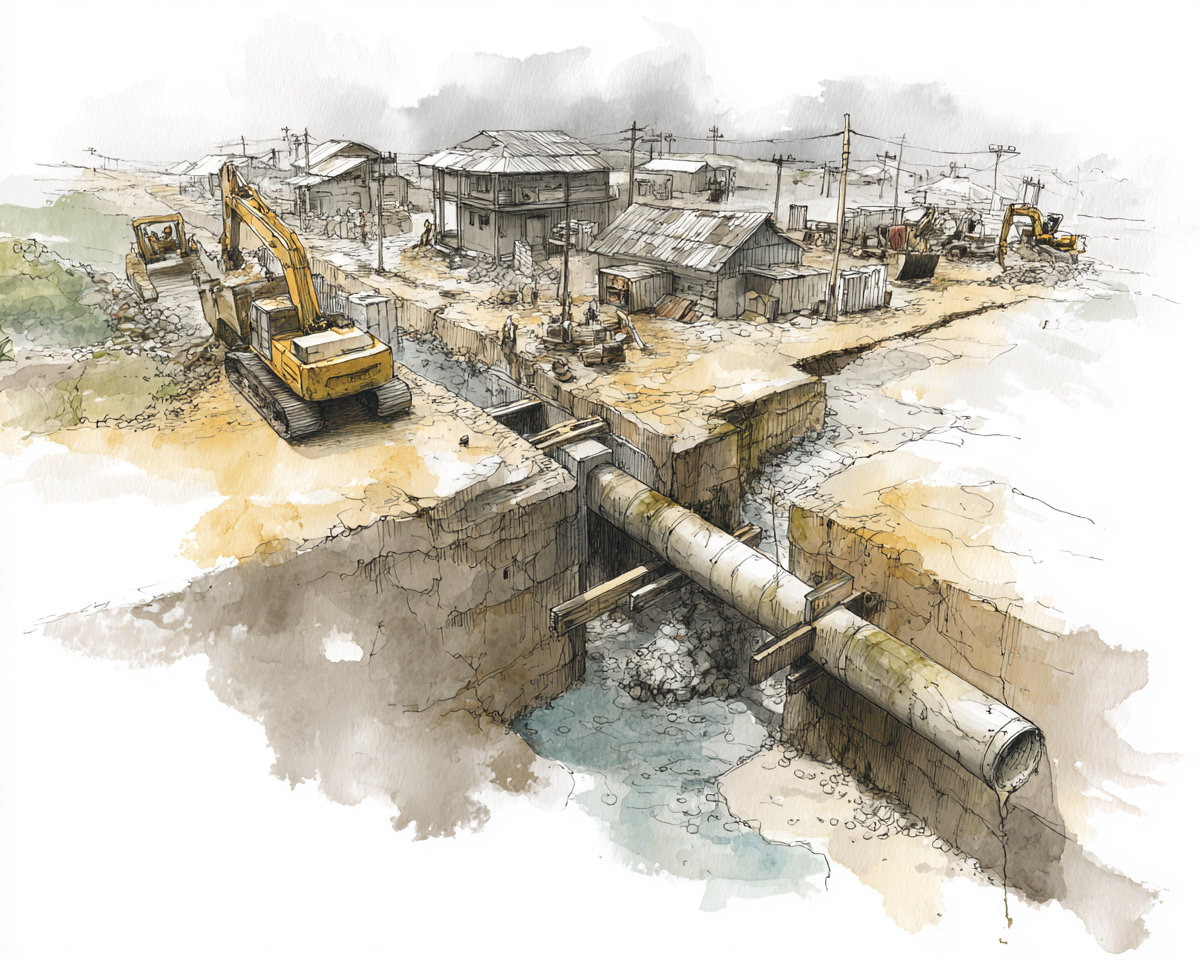
How a Ghost Project Happens
A project is approved. A budget is allocated. A contractor is assigned.
On paper, everything looks legitimate.
Progress reports are submitted. Milestones are marked. Funds are released.
But on the ground:
- the project is incomplete,
- delayed,
- substandard,
- or doesn’t exist at all.
And by the time discrepancies surface, the money is gone.
This is not magic.
It is process.
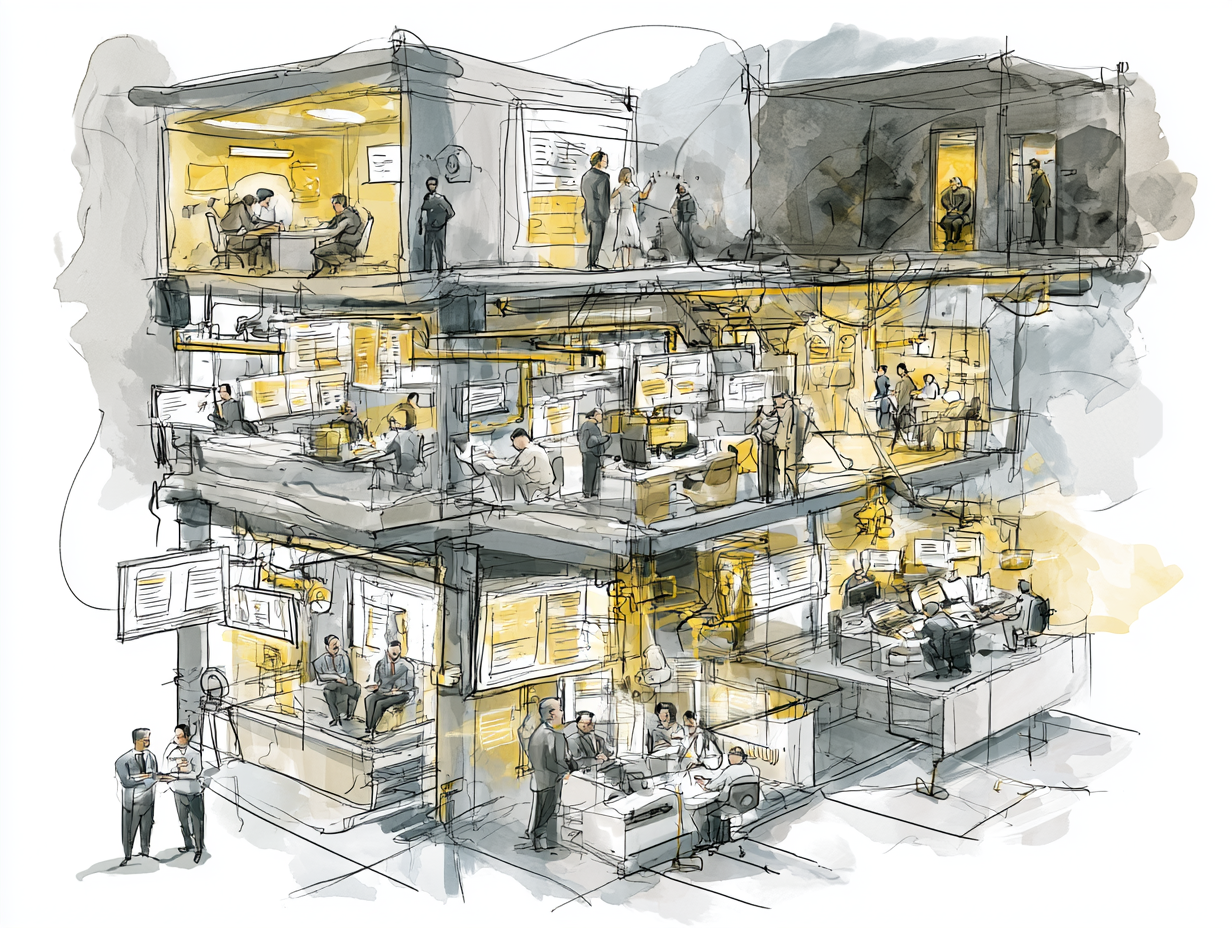
Fragmented Oversight Creates Blind Spots
Infrastructure projects involve multiple layers:
- planning
- budgeting
- procurement
- implementation
- inspection
- auditing
Each layer may be handled by different units or entities.
But these layers rarely operate on a single, unified system.
So:
- data is not synchronized,
- updates are delayed,
- verification is inconsistent.
No single point sees the full picture in real time.
And where no one sees everything, gaps emerge.
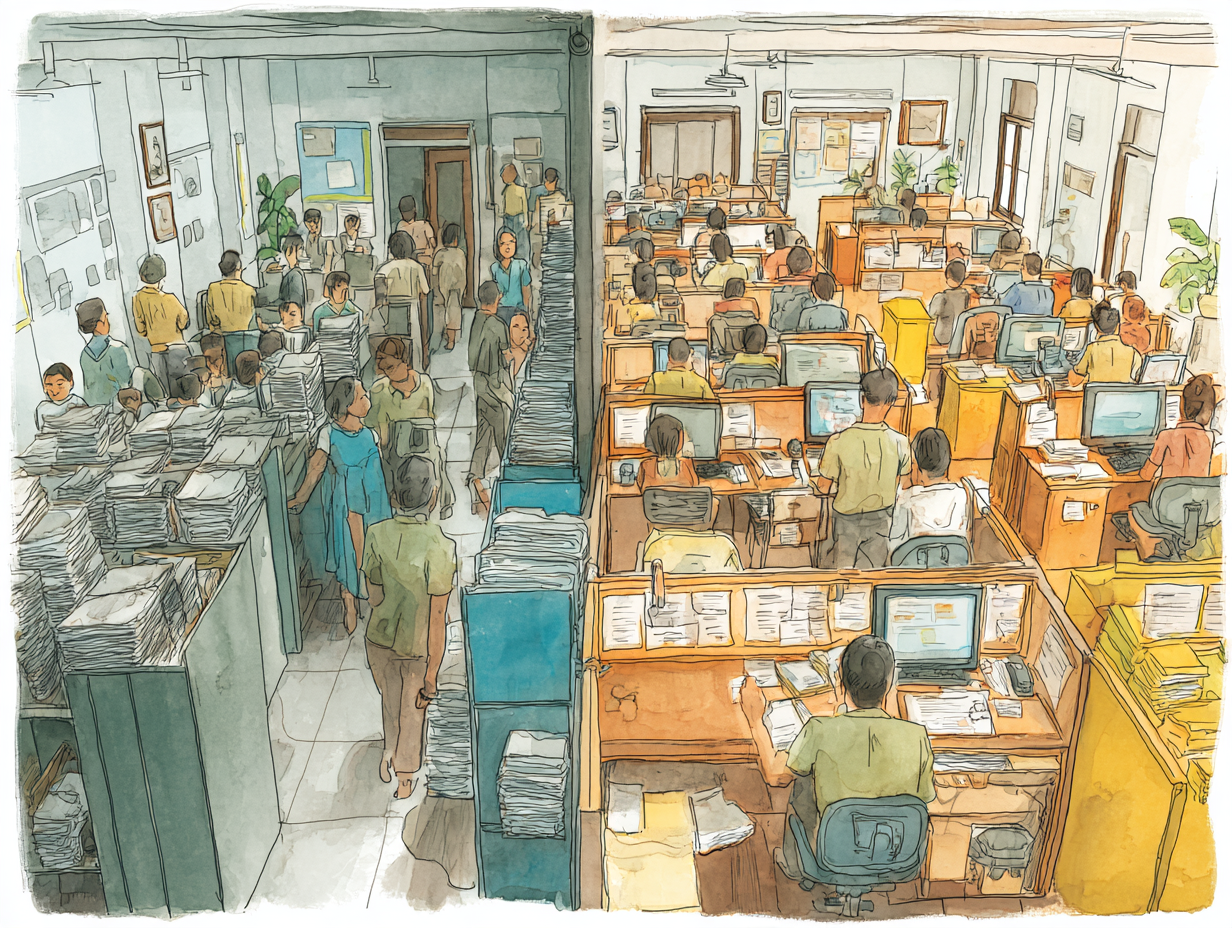
Reporting Without Verification
Most monitoring relies on submitted reports.
- progress percentages
- completion certificates
- inspection summaries
These are:
- often manual,
- sometimes delayed,
- occasionally inaccurate.
Verification is:
- periodic,
- sample-based,
- or triggered by suspicion.
This creates a dangerous gap between: reported progress and actual reality.
When reporting is easier than verifying, manipulation becomes possible.
Manual Systems Enable Plausible Deniability
When processes are manual:
- records can be delayed
- documents can be misplaced
- timelines can be adjusted
- responsibility becomes diffused
No single action appears obviously fraudulent.
Instead, small inconsistencies accumulate.
And when something goes wrong, accountability becomes unclear.
Everyone can say: “I followed the process.”
Even if the outcome failed.
Procurement Focuses on Price, Not Integrity
Procurement systems often prioritize:
- lowest bids
- formal compliance
- documentation completeness
But not always:
- contractor track record
- execution capacity
- long-term reliability
This creates incentives where:
- winning the bid matters more than delivering quality,
- and cost-cutting becomes a strategy for survival.
When margins are squeezed, quality is often the first casualty.
Inspections Are Not Continuous
Most projects are not monitored continuously.
Instead:
- inspections are scheduled
- visits are announced
- reports are submitted after milestones
This creates windows where:
- progress can be staged,
- issues can be hidden,
- and appearances can be managed.
Without continuous verification, oversight becomes episodic.
And episodic oversight is easy to game.
The Delay Between Action and Audit
Audits often happen:
- months after completion
- or after funds have been fully released
By then:
- documents are finalized
- contractors have moved on
- evidence is harder to verify
Accountability becomes reactive.
But by the time problems are discovered, recovery is difficult.
Why This System Persists
Because it works — just not for the public.
The current structure allows:
- flexibility in reporting
- discretion in approval
- limited real-time scrutiny
These conditions:
- reduce friction internally
- but increase risk externally
And like all inefficient systems, it becomes normalized over time.
The Real Solution: Build a System That Sees Everything in Real Time
Fixing infrastructure leakage is not about stricter punishment.
It is about eliminating blind spots.
1. Unified Project Tracking Platform
Every project should exist in a single system that tracks:
- budget
- contractor
- timeline
- milestones
- disbursements
Accessible in real time.
Not scattered across reports.
2. Geo-Tagged and Time-Stamped Evidence
Progress updates must include:
- geo-tagged photos
- time-stamped uploads
- consistent documentation standards
This makes staging more difficult and verification faster.
3. Satellite and Remote Monitoring
Large projects can be verified through:
- satellite imagery
- drone monitoring
- periodic automated checks
Reality should be measurable without relying solely on reports.
4. Automated Disbursement Controls
Funds should be released only when:
- verified milestones are completed
- evidence matches system data
- discrepancies are cleared
Not based on submitted paperwork alone.
5. Public Transparency Dashboard
Citizens should be able to see:
- project status
- budget vs. actual spending
- completion timelines
- responsible parties
Transparency adds pressure.
And pressure improves compliance.
What This Changes
When systems become:
- real-time
- integrated
- and verifiable
then:
- ghost projects become harder to create
- delays become visible
- manipulation becomes detectable
Corruption doesn’t disappear.
But it becomes riskier.
Why This Matters Beyond Infrastructure
Infrastructure spending is one of the largest uses of public funds.
If it leaks:
- growth slows
- trust declines
- budgets become inefficient
Fixing this system:
- improves fiscal discipline
- accelerates development
- and strengthens public confidence
Stop Investigating the Past — Start Designing the Present
We are very good at investigating problems after they happen.
But investigation is not prevention.
A system that depends on catching mistakes late will always lose to a system that prevents them early.
Ghost projects are not mysteries.
They are symptoms.
And until we redesign how projects are:
- tracked
- verified
- and funded
we will keep reacting to the same problem.
Again and again.
Because in the end, the issue is not whether corruption exists.
The issue is whether the system makes it easy.
메타데이터
- post_id
- aff2f5023abf
- slug
- dpwh-contractors-and-ghost-projects-a-system-designed-to-leak-money-aff2f5023abf
- url
- https://medium.com/@crmlmcchia2/dpwh-contractors-and-ghost-projects-a-system-designed-to-leak-money-aff2f5023abf
- canonical_url
- https://medium.com/@crmlmcchia2/dpwh-contractors-and-ghost-projects-a-system-designed-to-leak-money-aff2f5023abf
- author_url
- https://medium.com/@crmlmcchia2
- status
- ok
- fetched_at
- 2026-06-09 15:37:30