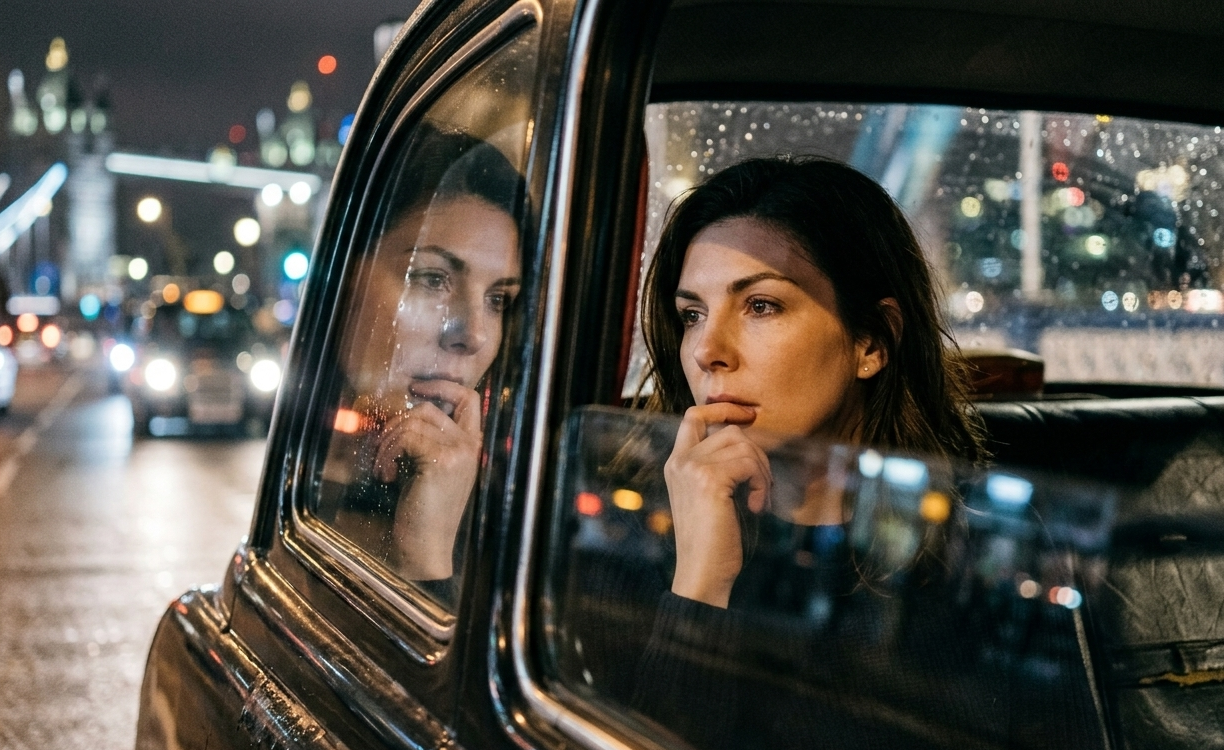
Pretty Privilege Isn’t About Beauty, It’s About Power
And yes, we need to talk about what’s actually going on in men’s heads
Pretty Privilege Isn’t About Beauty, It’s About Power
And yes, we need to talk about what’s actually going on in men’s heads
I’ve written about this before. Clearly it didn’t sink in. If you are interested in reading the previous posts:
Previous post links:
Pretty Privilege? Let Me Walk You Through My Tuesday
Pretty Enough to Dismiss, Apparently
I Know What You Thought When You Saw Her
You saw her walk in and something happened in your brain before your manners could catch up.
Don’t lie.
Something fired. Something animal and prehistoric crawled up from whatever swamp we all climbed out of and went,
great tits. Nice legs. I wonder what she sounds like. I wonder if she likes it hard. What an amazing ass. I would love to slide into that…
And before that thought even finished loading before it was fully rendered she had already been filed. Categorised. Assigned a value. Given a treatment plan.
Not all men. I mean it. Some men genuinely, fully, see a woman walk into a room and think about the meeting agenda. I believe those men exist. I have met some of them.
But enough men. Enough for it to be a pattern. Enough for it to be a problem. Enough for it to show up in the data, in hiring statistics and sentencing records and salary gaps and medical case notes enough that we cannot keep calling it individual bad behaviour and pretending there isn’t a current running underneath everything.
We’re not talking about monsters here. That’s the uncomfortable part. We’re talking about ordinary men. Polite men. Men who open doors and remember birthdays and consider themselves feminists. Men who would be genuinely offended if you accused them of bias. Men whose internal monologue in that first split second goes places their LinkedIn profile would never survive and then snaps back to professional so fast they don’t even clock the gap.
That gap is where pretty privilege lives.
That half second between she walked in and let me assess her professionally, that is where she either gets the halo or she doesn’t. That is where her ideas get pre-approved or pre-dismissed. That is where the meeting goes differently depending on whether the swamp brain gave her the nod.
And she never gets to know which one happened.
She just notices, over time, that some rooms are easier than others. That some men listen longer. That some doors open faster. That sometimes her ideas land and sometimes identical ideas evaporate and she cannot put her finger on why because the variable was never her competence.
The variable was whether someone wanted to sleep with her before she opened her mouth.
That’s not attraction. That is power being allocated by a brain that hasn’t fully left the swamp yet. And the fact that it happens in a flash, unconsciously, without malice, doesn’t make it neutral. It makes it harder to fight.
Pretty Privilege Is Bias With a Nicer Face
Here’s what the research actually says, because I’m not just here to rant. I am a little here to rant. But also the research. Attractive people get lighter criminal sentences. They get hired more. They get promoted faster. They get better medical care, YES, REALLY read the research, doctors spend more time with them, take their pain more seriously, don’t dismiss them as quickly.
Let that one sit.
A pretty woman describing chronic pain is more likely to be believed than a plain woman describing the same pain.
Her face and body is making her more credible. Her symmetry is giving her access to healthcare.
That is not beauty. That is a power structure wearing beauty as a Halloween costume.
It flies under the radar of our collective moral attention because it doesn’t feel like prejudice. It feels like preference. It feels like chemistry. It feels like just the way things are.
That invisibility is not an accident. It is a feature of every effective power system. You don’t notice it until you’re being punished by it. And even then, you’re not sure you’re allowed to complain.
Who Decided What Pretty Even Is
Here’s where it gets political and uncomfortable and I need you to stay with me because this is the part where most people click away and I need you not to do that.
Pretty is not neutral. Pretty is not natural.
Pretty is not some universal truth your lizard brain arrived at independently while sitting in a cave thinking original thoughts. Pretty was designed. Pretty was built. Pretty was installed in you so gradually and so thoroughly that it feels like instinct. It feels like you. It feels like your own authentic taste that you developed freely as a sovereign human being.
It isn’t.
It was designed by advertisers who needed you to feel just inadequate enough to keep buying things. Not broken enough to give up. Just insecure enough to come back. The beauty industry is a forty billion dollar machine that runs entirely on the gap between who you are and who the machine tells you that you should be. Close that gap and the whole thing collapses. So the gap never closes. The standard just moves.
It was built by algorithms that learned to serve you faces that already got engagement, which were the faces of people who already had resources and ring lighting and personal trainers and time and money and proximity to power. The algorithm didn’t discover beauty. It laundered existing privilege back to you as aesthetic preference and called it your taste.
It was constructed by a media industry that spent an entire century a hundred years, relentlessly, across every screen and magazine and billboard telling you that thin, symmetrical, young, able-bodied and conventionally feminine was the template. The default. The correct answer. And everything else, every body that didn’t fit, every face that didn’t conform, every woman who existed outside those precise and arbitrary coordinates was the deviation. The before photo. The cautionary tale.
And here’s the part about me.
I know this. I have written about this. I have read the research, built the arguments, sat with the discomfort. I can give you the lecture with citations. And I still feel it.
I still walk into a room and feel the difference between the days I’ve slept and the days I haven’t. Between the days I feel like I’m hitting some invisible mark and the days I feel like I’ve drifted outside the frame. I still catch myself doing the mental calculation, the outfit, the skin, the energy running the numbers before I’ve even decided if I want to be perceived at all. Despite the fact I can point at this system, I am not outside this system. Nobody is outside this system.
That’s what makes it so devastatingly effective. You can understand exactly how the trap works, map every mechanism, name every architect and still feel the pull. Still feel the small collapse when you don’t measure up to a standard you consciously reject. Still feel the quiet relief when you do. The conditioning doesn’t care about your politics. It doesn’t care about your awareness. It just runs.
Because you didn’t develop your preferences and your fears and your self-assessments in a vacuum. You developed them inside a machine. A machine that was built by people who benefit, financially, socially, politically, from keeping the circle of acceptable very, very small and keeping the rest of us running toward it our whole lives.
So when you say I just find her more attractive, yes. You do. That’s real. And that preference was partially written by a corporation that has never met you and does not care if you suffer.
We’re not victims. We’re not stupid. We’re not weak for falling for it. We fell for it because it was everywhere, always, from the very beginning, dressed up as reality.
That’s not a personal failing. That’s a very expensive, very sophisticated, very deliberately constructed lie. And the most insidious thing about it? Knowing it’s a lie doesn’t make you immune. It just makes you angry.
The Price Tag Nobody Mentions At The Door
You think the pretty women like it. You think the sexy women are walking around drunk on the attention, thriving on the double takes, collecting the open doors like loyalty points and cashing them in at will.
Some of it is flattering. I won’t lie to you. I’m not going to perform a level of woke purity that pretends there isn’t a small, complicated, deeply human part of you that notices when you’re noticed. When the room shifts. When someone leans in. When the door opens a half second faster than it did yesterday.
That part is real. And it is also a trap.
Because the same system that hands you the flattery hands you the label that comes with it.
Too pretty to be smart. She got the job because of how she looks. Don’t trust her, she knows what she’s doing. She’s using it. She’s manipulative. She’s calculating. She’s not to be taken seriously, and simultaneously she is to be watched extremely carefully because a woman who knows she’s attractive is apparently both an idiot and a criminal mastermind depending on what’s most convenient for the person judging her.
You cannot be pretty and competent in the same sentence without someone adding a but. You cannot be attractive and ambitious without someone implying the ambition is a performance. You cannot be sexy and serious. The system will not allow it. The box is too small and the label is already printed.
The Client Meeting. You Know The One.
Let me tell you something that happened to me. That has happened to me more than once. That I suspect has happened to women reading this in numbers that would make your stomach turn.
I have been asked to attend a client meeting because he likes me. Not because I was the most senior person. Not because I had the most relevant expertise. Not because I was the right strategic choice. Because he likes me.
Because my presence in the room would smooth something over. Soften an edge. Because apparently my face and my manner and whatever it is I represent to this particular man was a business asset that my employer felt completely comfortable deploying without ever once asking whether I wanted to be deployed.
It is never said directly. Nobody calls it what it is. It doesn’t arrive as we need you there because he finds you attractive and it makes him easier to manage. It doesn’t arrive as your job today is to be decorative and compliant and smile through whatever he says so we can close this deal. It arrives dressed in soft language.
- You’d be great in this meeting.
- He really responds well to you.
- You just get him somehow.
- The team needs you in the room.
- You have a way of bringing people round.
And you stand there holding this sentence that sounds like a compliment, that is shaped like an opportunity, that has the texture of being valued and somewhere underneath it you can feel the actual thing that is being said. The thing nobody will put in writing. The thing that would sound obscene if it were stated plainly.
He wants to look at you. We need something from him. Go. And you go. Because what else do you do with a compliment that is also an instruction.
- I have been the decoration at the table.
- I have been the warmth injected into a cold commercial negotiation.
- I have been selected, specifically, because the company I worked for knew that a certain kind of man responds to a certain kind of woman in a way that makes him easier to manage.
And I am not alone in this. Not even close. Women are paraded through boardrooms, client dinners, supplier meetings, industry events, not because their contribution is valued but because their presence is useful. There is an entire unspoken economy built on the strategic placement of attractive women in front of men who have something the business wants. Nobody writes it in the brief. Nobody puts it in the agenda. But everyone in the room knows.
The Anger Nobody Talks About
Not the polite professional disappointment. Not the carefully worded HR complaint. The real anger. The kind that sits in your chest during the pre-meeting briefing when you realise why you specifically were chosen. The kind that burns quietly while you smile across the table at a man who is looking at you in a way that has absolutely nothing to do with the project costs.
You feel used.
You feel it in the way you feel any transaction where your consent was assumed rather than asked for. Where your value was assessed in a currency you didn’t agree to trade in. Where the thing that was leveraged was not your skill or your knowledge or your years of experience but the way your face lands on a particular kind of man at a particular kind of moment.
And you cannot say it.
You cannot say it because you will sound ungrateful. Because you got the meeting, didn’t you? You got the face time. You got the exposure. Some people would kill for that opportunity darling, don’t be difficult. But here is the thing nobody wants to say out loud.
The client knows. The supplier knows.
They can feel it. That slight transactional undertone humming beneath the professional surface. The sense that you have been sent rather than chosen. That your appearance in this room is a tactic. That somewhere upstream a decision was made to use you and you arrived carrying that decision in your posture whether you knew it or not.
Have you ever sat across from someone and felt them register it? Felt them clock the dynamic and decide how to play it? Some lean in, delighted, happy to participate in the game. And some, and these are the ones that stay with me some look at you with something that might be pity. A brief flicker of recognition. She doesn’t want to be here like this either.
And the resentment you feel in that moment is not simple. It is not just anger at your employer, though it is that. It is not just anger at the client, though it is that too. It is anger at the whole architecture. The whole quiet, seamless, self-perpetuating structure that decided your face was a resource before you were old enough to have an opinion about it. That built an entire system of extraction around a thing you didn’t choose and cannot fully opt out of.
The Surveillance That Comes With the Territory
And then there is the other side of the coin that nobody puts in the privilege column.
You get watched. Constantly. Not admired, watched. There is a difference and your nervous system knows it even when your brain is still being polite about it.
You get judged for aging. As though the audacity of your face changing over time is a personal betrayal of everyone who found you useful. You get criticised for styling changes. You get touched without asking. You get your credibility questioned the moment you walk into a room that expected someone who looked different.
You become public property.
Men feel entitled to comment. To rate. To approach. To be visibly offended when you don’t perform gratitude for their attention as though your face is a service they are owed and your indifference is a malfunction. And God forbid you gain weight, go grey, get sick, stop performing, because the same system that handed you the benefits will snatch them back without a word of explanation. No exit interview. No transition plan. Just a slow, creeping realisation that the rooms aren’t opening quite as fast as they used to and nobody is going to explain why because everybody already knows why and nobody is going to say it.
Pretty privilege is a loan, not a gift. And the interest rate is your entire sense of self.
The Women the System Was Never Built For
Now let me be direct about who gets left out of this conversation entirely. Fat women. Disabled women. Older women. Trans women. Women who don’t perform femininity the way the rulebook says. Women with visible illness. Women whose hair doesn’t do what European beauty standards decided hair should do.
These women are not failing to be pretty. The system is failing to see them. Those are different things and we have been confusing them for too long. The standard isn’t neutral and then some people meet it and some people don’t. The standard was written to exclude specific people. It was written by people who wanted to keep power concentrated in a particular kind of face and body and then called it taste. Called it preference. Called it just the way things are.
It’s not taste. It’s policy with prettier branding.
And every woman who sits outside that standard doesn’t just miss out on the benefits. She gets actively punished. Less patience. Less credibility. Less access. Less forgiveness. More dismissal. More invisibility. More of the room deciding she doesn’t matter before she’s opened her mouth. The same split second that gives one woman the halo takes it from another. Same room. Same meeting. Completely different reality.
So What Are We Actually Talking About
Pretty privilege is not a compliment dressed up in academic language. It is not chemistry. It is not nature. It is not just the way things are.
It is a system that takes the most arbitrary, unearned, unchosen thing about a person, the face and body they were born with, refracted through a beauty standard they didn’t write and uses it to allocate real resources. Jobs. Safety. Healthcare. Freedom. Patience. Credibility. The right to be taken seriously in a room full of people who made their decision about you before you sat down.
It rewards certain women with access and then charges them privately for it in ways that never show up on the balance sheet. It uses certain women as instruments and calls it opportunity. It excludes other women entirely and calls it preference. And it runs on a fuel of conditioning so deep and so old and so thoroughly embedded in every algorithm and advertisement and boardroom decision and split-second social judgement that even the people operating it, even the women being processed by it can’t always see the mechanism while it’s moving.
I can see the mechanism.
I have described the mechanism in detail, more than once. And I still feel it running through me on a bad day, when I haven’t slept and the meeting is in an hour and I am standing in front of a mirror doing the calculation. That’s not weakness. That’s how deep the installation goes.
The pretty woman who walked into the room? She didn’t ask for the halo. She didn’t design the system. She’s just trying to get through the meeting without being either dismissed or consumed.
And somewhere in that room, a man who considers himself a good person is deciding whether her ideas are worth hearing. Based on something that happened in his brain before she opened her mouth. That’s not beauty. That’s power.
The Career Ms 💋
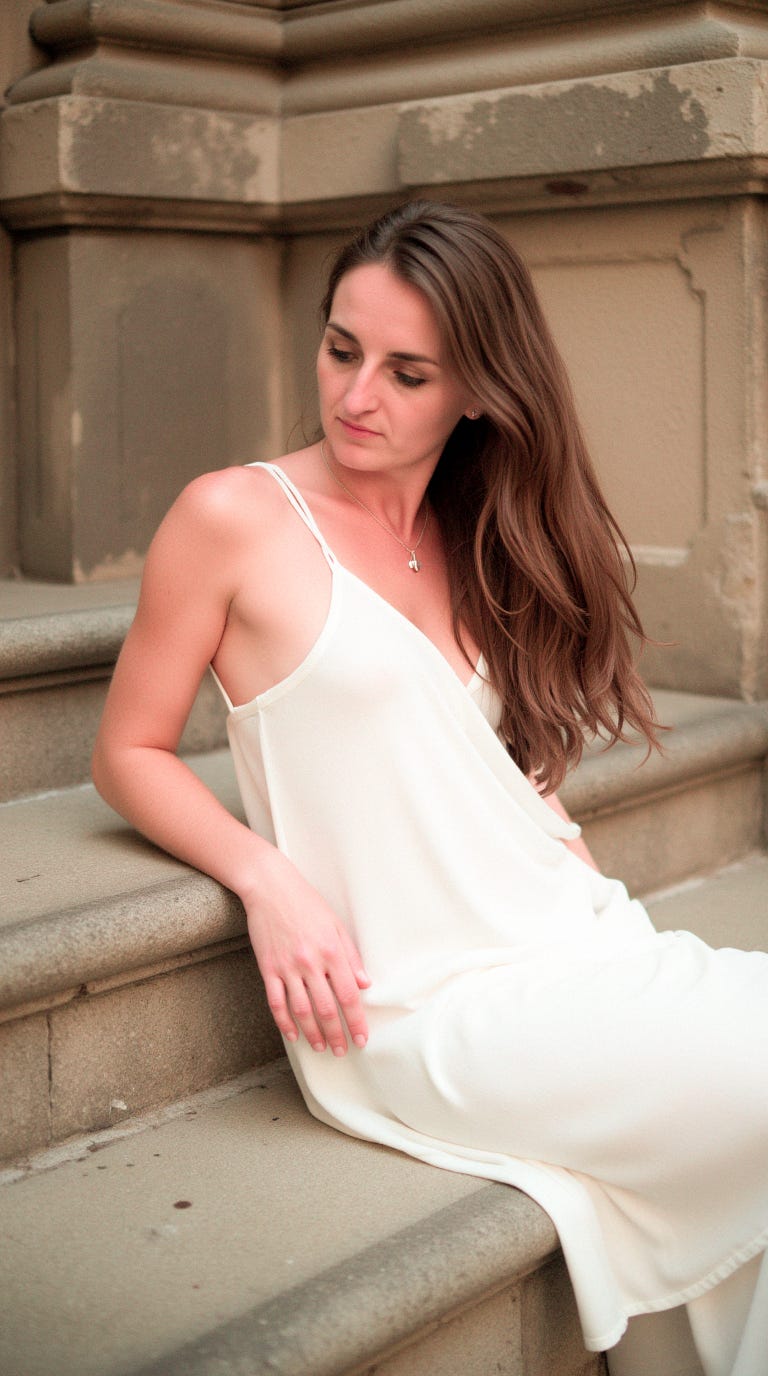
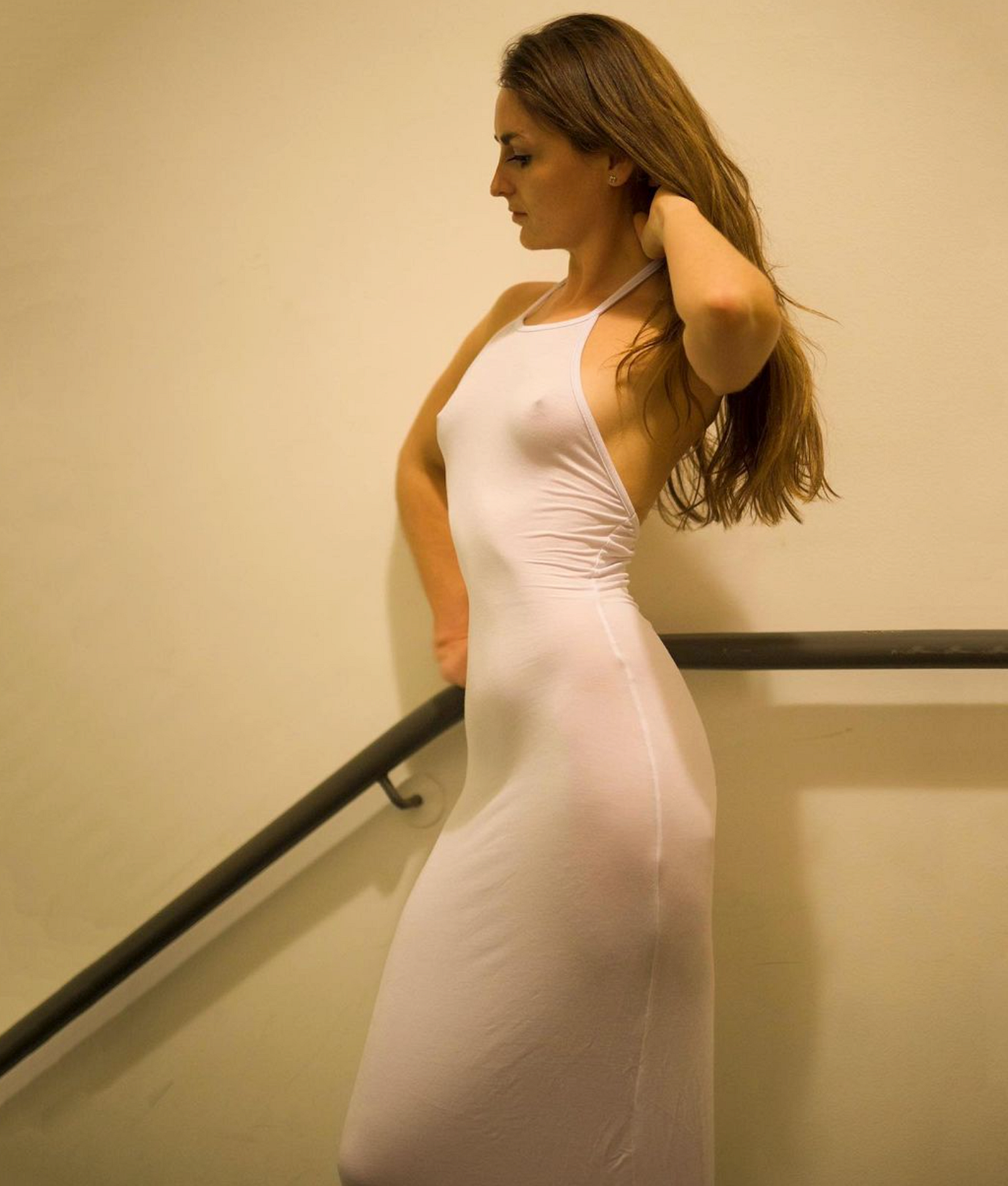
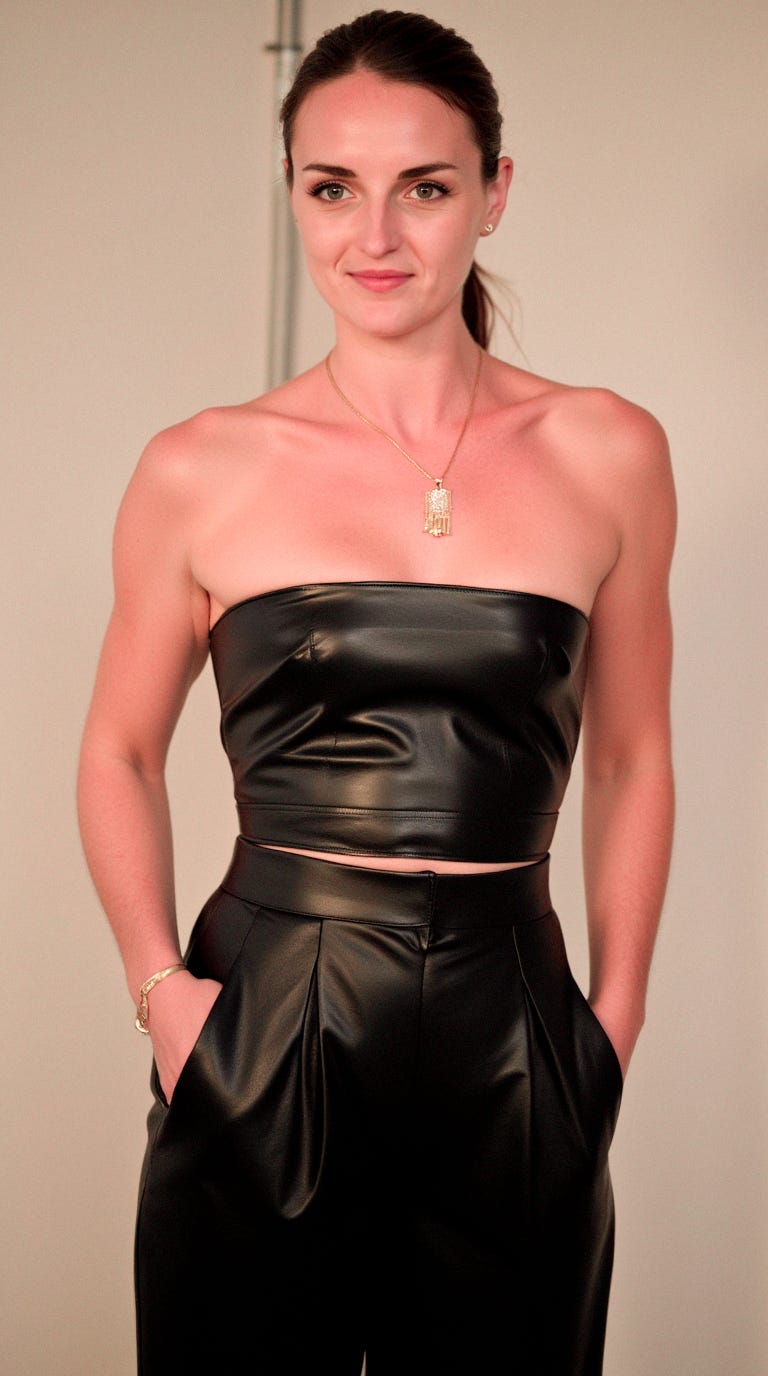
I thought about posting a photo for this piece. Something carefully censored, artistic, intentional. And then I caught myself thinking, will more people open this if there’s a suggestive photo?
Yes. Probably. The algorithm says yes. The data says yes. Every instinct I have developed watching what performs and what doesn’t says yes.
So I want to ask you something directly. Did you open this because of the image or despite the absence of one. Did something fire in that first half second before you read a single word. Did the thumbnail make a promise that made you click. Be honest. You don’t have to tell me. But tell yourself.
메타데이터
- post_id
- b0070d70920a
- slug
- pretty-privilege-isnt-about-beauty-it-s-about-power-b0070d70920a
- url
- https://medium.com/sensual-enchantment/pretty-privilege-isnt-about-beauty-it-s-about-power-b0070d70920a
- canonical_url
- https://medium.com/sensual-enchantment/pretty-privilege-isnt-about-beauty-it-s-about-power-b0070d70920a
- author_url
- https://medium.com/@thecareerms
- status
- ok
- fetched_at
- 2026-06-12 10:20:10