He Studied Black People For Years, Then Helped Build Project 2025
I cannot stop thinking about the irony of it all. The man widely associated with helping shape Project 2025, a policy agenda many critics…
He Studied Black People For Years, Then Helped Build Project 2025
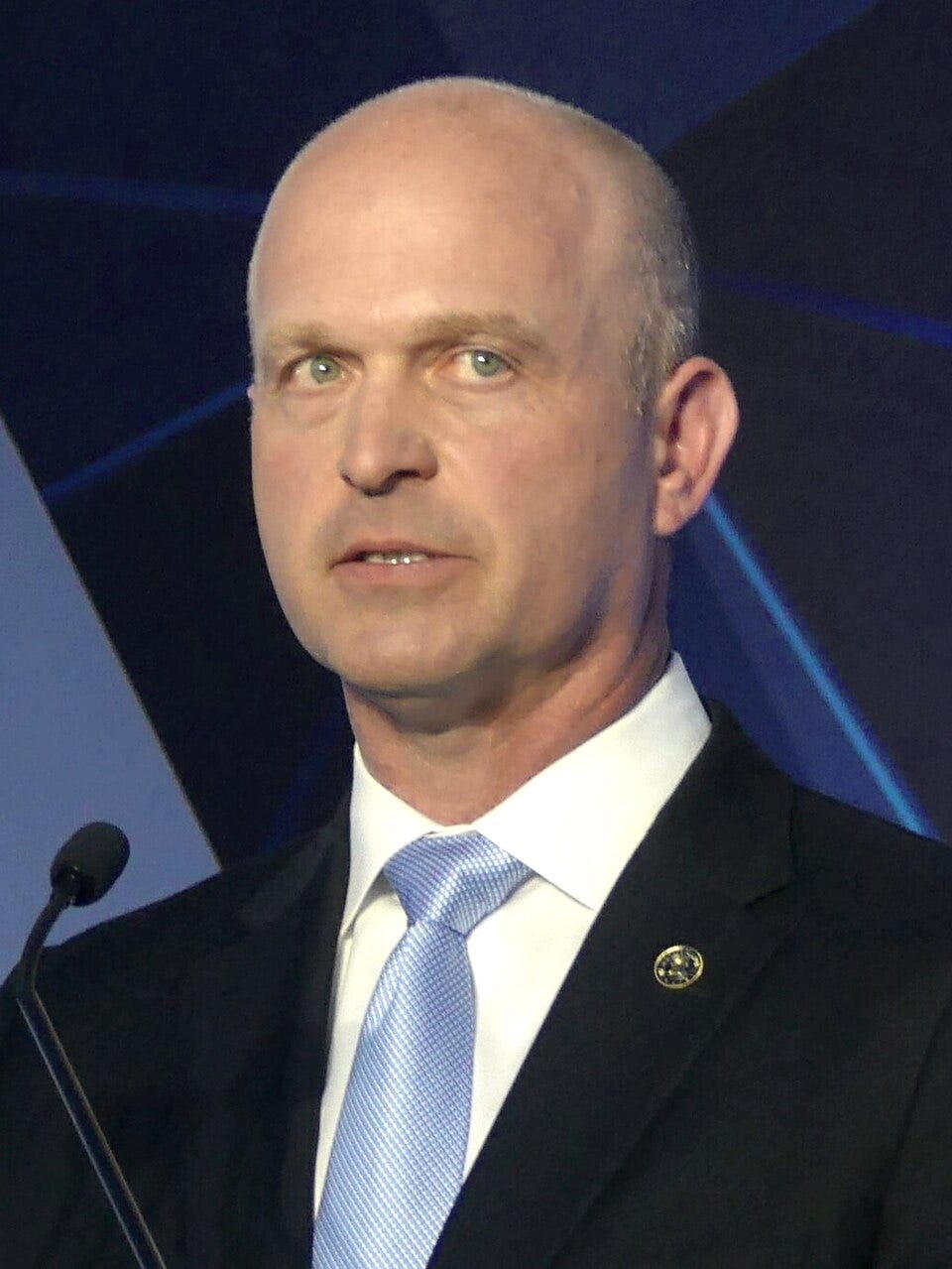
I cannot stop thinking about the irony of it all. The man widely associated with helping shape Project 2025, a policy agenda many critics believe could significantly harm Black communities through attacks on DEI, federal protections, and institutional equity initiatives, reportedly spent years academically studying African Americans. Not casually, but deeply and intimately.
His academic work reportedly focused on the transatlantic slave trade and kinship systems among enslaved Black communities. And if I am being honest, there is something about that fact that feels deeply and grossly disturbing to me. What happens when marginalized people become subjects of study for individuals who later ascend into systems of political power that may ultimately work against those same communities?
That question has been exploding across social media this week, and honestly, I understand why people are reacting so strongly. For many Black Americans, this does not feel like some abstract academic contradiction. It feels familiar.
Historically, Black communities have often been observed, studied, researched, categorized, analyzed, diagnosed, measured, documented, and theorized about. While simultaneously being denied protection, resources, safety, political representation, or institutional care. That contradiction is woven throughout American history.
And that is why this conversation resonates emotionally. To be clear, I cannot prove Kevin Roberts studied Black communities with some secret 30-year master plan to later help disenfranchise them politically, but I also cannot disprove it, and I do find it somewhat coincidental — a little too much so for comfort.
But I also think many people are missing the larger point. The point is not whether he consciously planned this decades ago, as sick as that would be. The point is that scholarship does not automatically equal solidarity.
Studying people does not necessarily mean valuing them politically. Understanding a marginalized group does not automatically prevent someone from later supporting, or even creating, systems that may disadvantage them. And perhaps that realization is what feels so unsettling.
Especially because Project 2025 is not being discussed in a vacuum. Critics argue the initiative has led to:
- rollbacks of DEI programs,
- weakened civil rights protections,
- restructuring of federal agencies,
- educational policy shifts,
- and broader ideological attacks on equity-focused initiatives.
For many Black Americans, especially Black women already navigating workplace inequities, political hostility, and economic instability, those policies do not feel theoretical. They feel personal. I mean, hundreds of thousands of Black women were recently laid off across the country in a devastating “labor shift” under the current administration.
That is why this particular detail about Roberts’ academic history hit such a nerve online. It taps into a larger historical wound and the feeling that Black suffering, Black resilience, Black culture, and Black survival are often treated as intellectually fascinating while Black people themselves remain politically disposable.
That tension exists everywhere. In academia, media, corporate diversity campaigns, and in politics. People build careers studying marginalized communities all the time. But what matters is how they use the power, access, influence, and institutional credibility they gain afterward.
That is the real conversation many people are trying to have right now. And honestly, I think younger generations, particularly Black millennials and Gen Z, are increasingly unwilling to separate intellectual discourse from material consequences.
People are asking harder questions now:
- Who benefits from this knowledge?
- Who gains power from studying marginalized communities?
- Who receives protection?
- Who remains vulnerable?
- Who gets humanized?
- And who remains politically expendable?
Those are uncomfortable questions, but they are necessary ones. There is something deeply painful about watching Black history, Black trauma, and Black resilience become areas of expertise for people who later support systems many believe make Black life materially harder.
Perhaps that discomfort is exactly why this conversation has gone so viral. Not simply because of one man. But because many people recognize a much larger pattern hiding underneath him.
메타데이터
- post_id
- b01a9256fb17
- slug
- he-studied-black-people-for-years-then-helped-build-project-2025-b01a9256fb17
- url
- https://zora.medium.com/he-studied-black-people-for-years-then-helped-build-project-2025-b01a9256fb17
- canonical_url
- https://zora.medium.com/he-studied-black-people-for-years-then-helped-build-project-2025-b01a9256fb17
- author_url
- https://medium.com/@mnhoskin25
- status
- ok
- fetched_at
- 2026-06-09 15:37:30