PLA vs Plastic Packaging for Fresh Produce: It’s Not Just About Material
When people compare PLA packaging with traditional plastic, the conversation usually starts with sustainability.
PLA vs Plastic Packaging for Fresh Produce: It’s Not Just About Material
When people compare PLA packaging with traditional plastic, the conversation usually starts with sustainability.
But in real operations, the decision is rarely just about material.
From what we’ve seen working with produce exporters and packaging buyers, most packaging problems don’t come from the product itself — they come from how packaging performs across the supply chain.
Why Material Comparison Alone Is Not Enough
Traditional plastic (such as PET or PP) is still widely used because it is:
- Low cost
- Highly standardized
- Easy to source
PLA packaging, on the other hand, is:
- Plant-based (derived from renewable resources like corn starch)
- Industrially compostable (EN13432 / ASTM D6400)
- Better aligned with sustainability requirements
At first glance, this looks like a simple environmental comparison.
But in practice, that’s only part of the picture.
Where Packaging Actually Fails
In fresh produce supply chains, issues usually appear during:
- Handling
- Cold chain transportation
- Retail display
For example:
- Poor ventilation can lead to condensation and reduce shelf life
- Weak structures may cause damage during stacking and transport
- Inconsistent packaging formats increase sourcing complexity
This is why many buyers are no longer just asking:
👉 “Which material is better?”
Instead, they are asking:
👉 “Which packaging system works better for my operation?”
Why Some Buyers Choose PLA Packaging
PLA is not always the “better” option.
However, it tends to perform well in scenarios where:
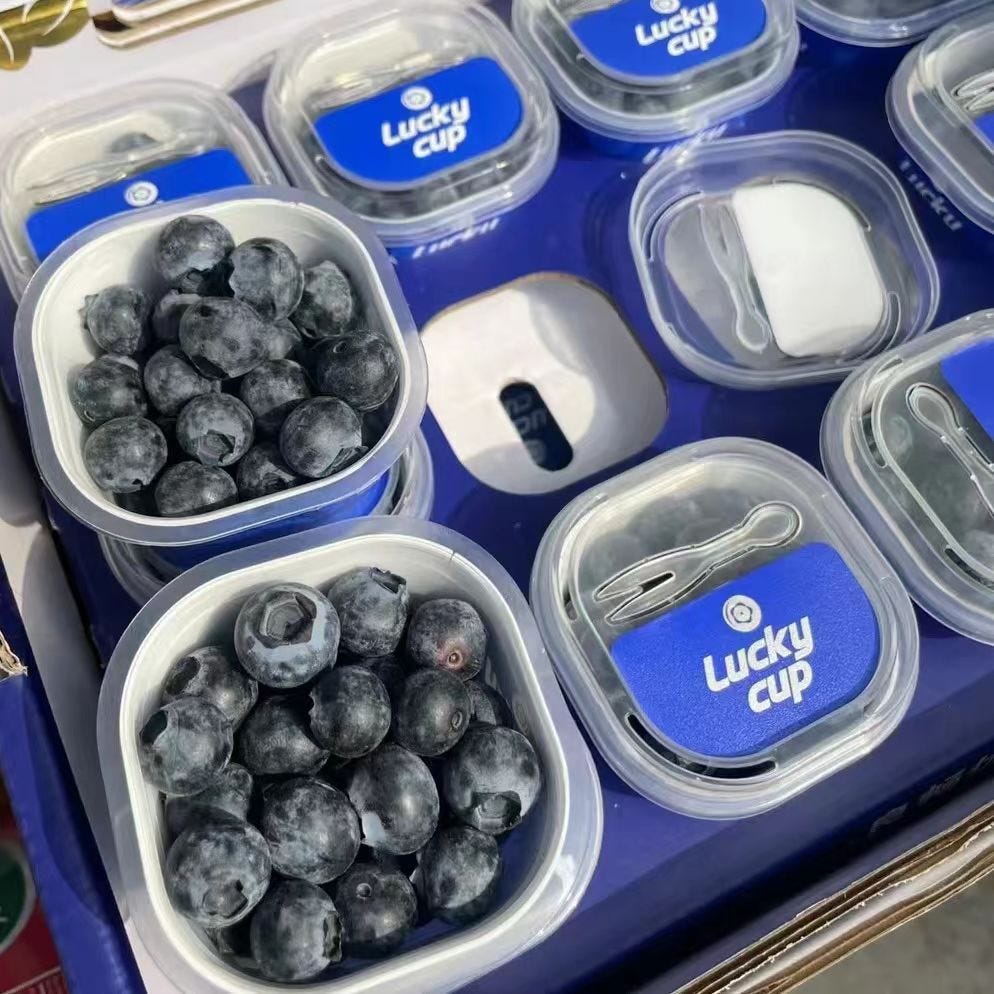
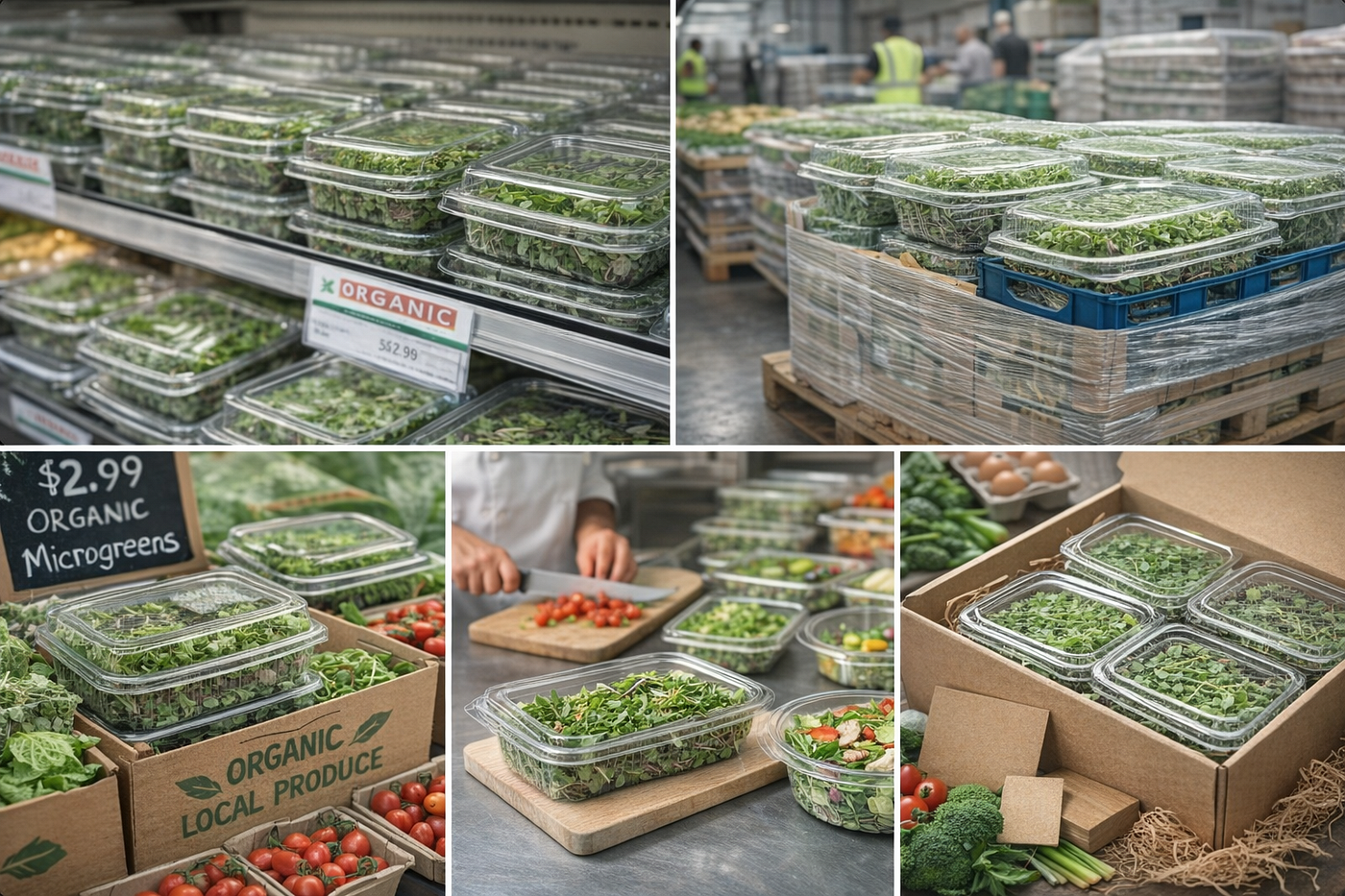
- Products are sensitive (berries, leafy greens, microgreens)
- Moisture control and ventilation are critical
- Sustainability requirements affect procurement decisions
- Consistency across packaging stages is important
One practical advantage is that PLA can be used across multiple stages:
- Seedling handling
- Transport packaging
- Retail clamshell packaging
This helps reduce supplier fragmentation and improve operational efficiency.
A More Practical Way to Evaluate Packaging
From our experience, most companies don’t fully switch materials at once.
Instead, they:
- Test PLA in one product line
- Evaluate performance under real logistics conditions
- Scale gradually if results are positive
This approach helps balance cost, performance, and compliance without adding unnecessary risk.
Final Thoughts
The shift away from traditional plastic is not just about sustainability.
It’s about building a packaging system that works under real conditions — from handling and transport to retail.
🔗 Explore More
If you’re evaluating packaging options for fresh produce, you can explore practical examples and material comparisons here: 👉 https://www.yitopack.com/
메타데이터
- post_id
- b01f4f6c6503
- slug
- pla-vs-plastic-packaging-for-fresh-produce-its-not-just-about-material-b01f4f6c6503
- url
- https://medium.com/@yitopackaging/pla-vs-plastic-packaging-for-fresh-produce-its-not-just-about-material-b01f4f6c6503
- canonical_url
- https://medium.com/@yitopackaging/pla-vs-plastic-packaging-for-fresh-produce-its-not-just-about-material-b01f4f6c6503
- author_url
- https://medium.com/@yitopackaging
- status
- ok
- fetched_at
- 2026-06-13 00:08:42