The Tree of Life: Why the Baobab is Zambia’s Greatest Ancient Superfood
“Beyond the ‘superfood’ hype: A deep dive into the nutritional power and 3,000-year cultural heritage of Africa’s most iconic tree.”
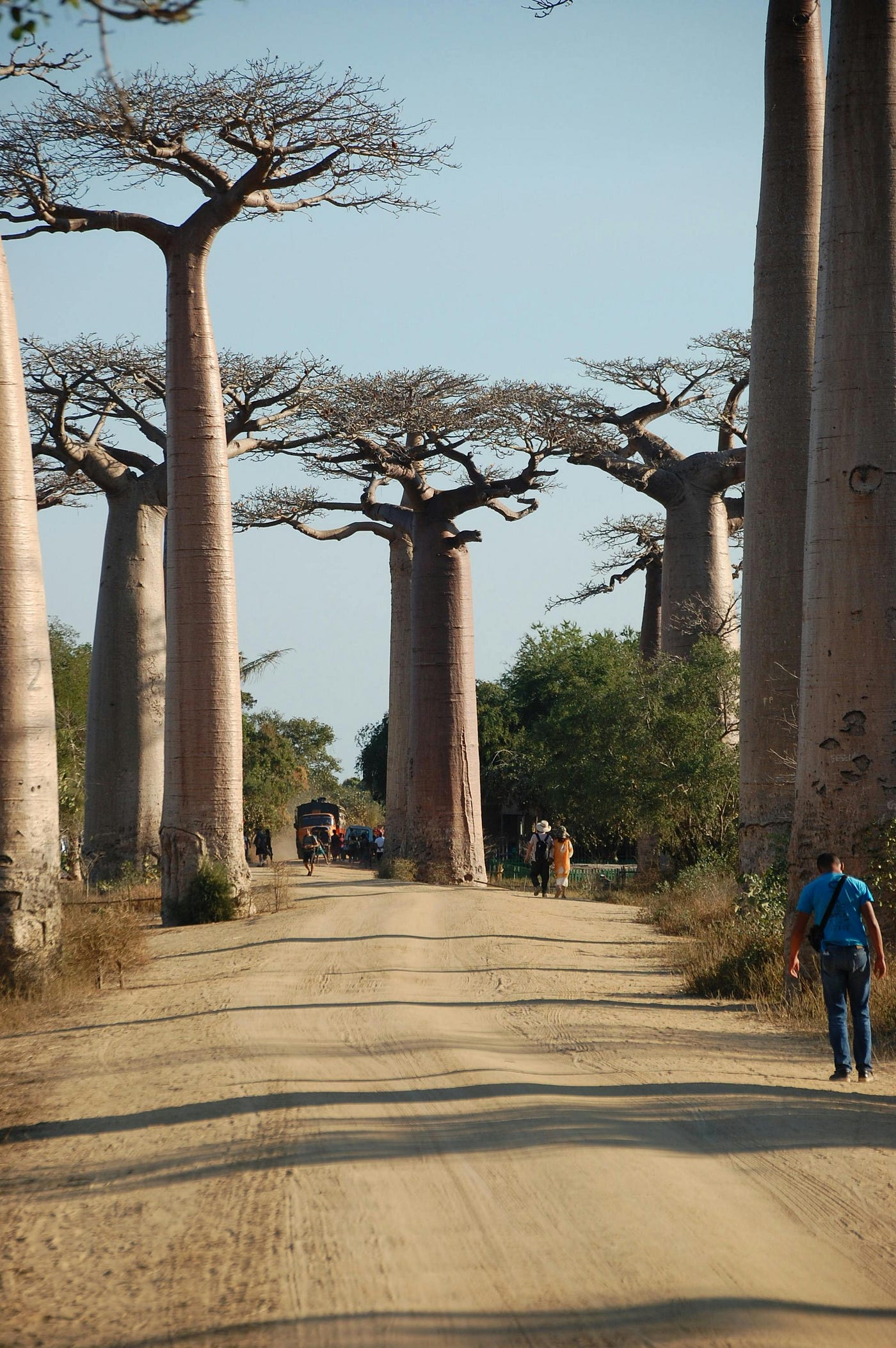
Baobab Tree
The Tree of Life: Why the Baobab is Zambia’s Greatest Ancient Superfood
“Beyond the ‘superfood’ hype: A deep dive into the nutritional power and 3,000-year cultural heritage of Africa’s most iconic tree.”
In the heart of Zambia’s sun-drenched savannahs stands a giant that predates modern civilization. With its massive, water-storing trunk and branches that look like roots reaching for the sky, the Baobab (Adansonia digitata) is often called the “Upside-Down Tree”. But for those of us who grew up under its shade, it is known by a much more vital name: The Tree of Life.
While the global wellness industry has recently “discovered” baobab powder as a premium supplement, for Zambians, it has been a cornerstone of our diet and heritage for centuries.
A Nutritional Powerhouse in a Pod
The magic of the baobab lies within its hard, woody fruit pods. Unlike most fruits that are juicy and moist, the baobab fruit naturally dries on the branch. When cracked open, it reveals a white, powdery pulp that is a nutritional marvel:
- Vitamin C Giant: Gram for gram, baobab pulp contains six times more Vitamin C than an orange. This makes it a vital immune booster in rural communities.
- The Fiber King: It is almost 50% fiber. This high fiber content helps regulate blood sugar and supports gut health by acting as a natural prebiotic.
- Mineral Rich: It is packed with potassium (essential for heart health), magnesium, and calcium.
More Than Just Food: A Cultural Anchor
In Zambia, the baobab is not just a source of vitamins; it is a community hub. Historically, its hollowed-out trunks have served as meeting halls, shelters, and even “post offices”.
Growing up, I remember the traditional Mabuyu — baobab seeds coated in a bright, sweet-and-sour sugar syrup — sold at every street corner. It is the ultimate nostalgic snack for any Zambian child. We also use the powder to thicken porridges and create refreshing juices that provide a steady energy release during long school days.
The Future of Sustainable Heritage
As a member of Gen Z, I see the baobab as a bridge between our past and a sustainable future. The tree is a “keystone species” that protects our soil and provides food during dry seasons when other crops fail. By bringing traditional knowledge of the baobab into the digital age, we aren’t just following a trend — we are preserving a living legend.
Next time you see a “Baobab Smoothie” at a health cafe, remember the ancient giants of the Miombo woodlands. It’s not just a superfood; it’s a story of resilience that has stood for over 3,000 years.
By
Shimwa Yves
메타데이터
- post_id
- b021efa4e8af
- slug
- the-tree-of-life-why-the-baobab-is-zambias-greatest-ancient-superfood-b021efa4e8af
- url
- https://medium.com/@jeannetteishimwe90/the-tree-of-life-why-the-baobab-is-zambias-greatest-ancient-superfood-b021efa4e8af
- canonical_url
- https://medium.com/@jeannetteishimwe90/the-tree-of-life-why-the-baobab-is-zambias-greatest-ancient-superfood-b021efa4e8af
- author_url
- https://medium.com/@jeannetteishimwe90
- status
- ok
- fetched_at
- 2026-07-23 08:39:15