How Modular Outdoor Furniture Transforms Modern Spaces
Modular outdoor furniture brings new life to modern spaces through adaptability, beauty, and comfort that grow with every occasion.
How Modular Outdoor Furniture Transforms Modern Spaces
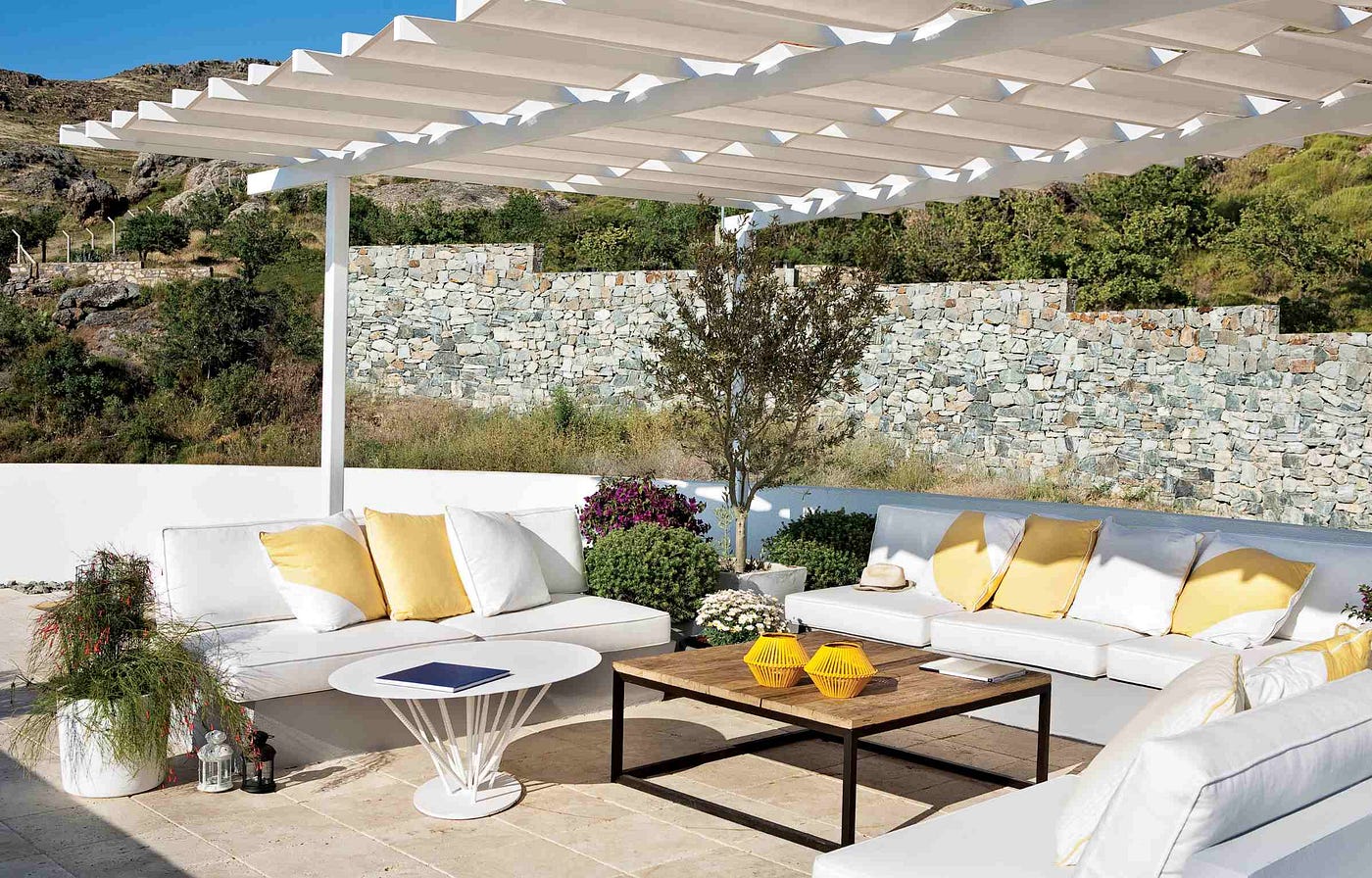
A quiet transformation takes place in gardens, patios, and terraces across the world. Modular outdoor furniture becomes a language of freedom and design. It adapts to moments rather than seasons. It answers the need for comfort, versatility, and purpose. What once felt like a fixed corner of the home now feels alive, shifting with each gathering and quiet hour.
Outdoor living now turns into an art of arrangement. Pieces connect, separate, and reshape according to mood and occasion. This adaptability reflects how people live today, open, flexible, and ready for change.
From sleek urban balconies to wide beachfront decks, modular outdoor furniture speaks of design and intent.
It makes outdoor life less static, more human. In that change, modern spaces find their rhythm again.
The Rise of Modular Thinking
Modern life values change. Modular furniture follows this rhythm. Each unit becomes part of a larger design that can grow, shrink, or move freely.
It began as a response to compact living and became a symbol of thoughtful design. Homeowners now choose possibility over permanence. Modular sets fit city apartments, countryside homes, and everything between.
The beauty lies in how easily one can reinvent a space. A sofa divides into seats, or a corner expands into a lounge. Each layout tells a new story, shaped by human hands.
The Craft Behind Flexibility
True craftsmanship hides within simplicity. Each modular piece must fit perfectly, allowing movement without losing balance. This reflects art meeting structure.
Designers study human flow. They observe how people move through space, how gatherings form and dissolve. The result is furniture that breathes with its surroundings.
In this balance of design and practicality, **outdoor furniture Malaysia** brings meaning to every space. A single day can shift from solitude to celebration without rearranging life itself.
“Every well-crafted piece carries the handprint of its maker,” said Daniel Moore, a designer who believes true beauty lives in quiet precision.
Comfort in Every Configuration
Comfort defines how people use outdoor spaces. With modular furniture, comfort depends on choice. It becomes a decision shaped by need.
Deep cushions, gentle lines, and adjustable backrests turn every seat into an experience. Whether facing the sun or curling into shade, the body finds its place.
The idea reflects belonging. Comfort grows from small changes. Shifting a piece closer or apart can alter the entire feeling of a space.
The Elegance of Functionality
Function creates form. Modular outdoor furniture achieves elegance by solving real problems quietly. It invites beauty and practicality to share the same frame.
A table that serves as storage or an ottoman that completes a sectional shows thoughtfulness in design. Each element carries purpose with quiet confidence.
The global outdoor furniture market alone is projected to expand from USD 56 billion in 2025 to USD 81.44 billion by 2032, representing a compound annual growth rate (CAGR) of about 5.5% (Fortune Business Insights).
This growth reflects rising demand for multifunctional and modular designs that blend use and style.
This blend of use and style gives outdoor living a calm sophistication. It allows people to enjoy design while keeping simplicity intact.
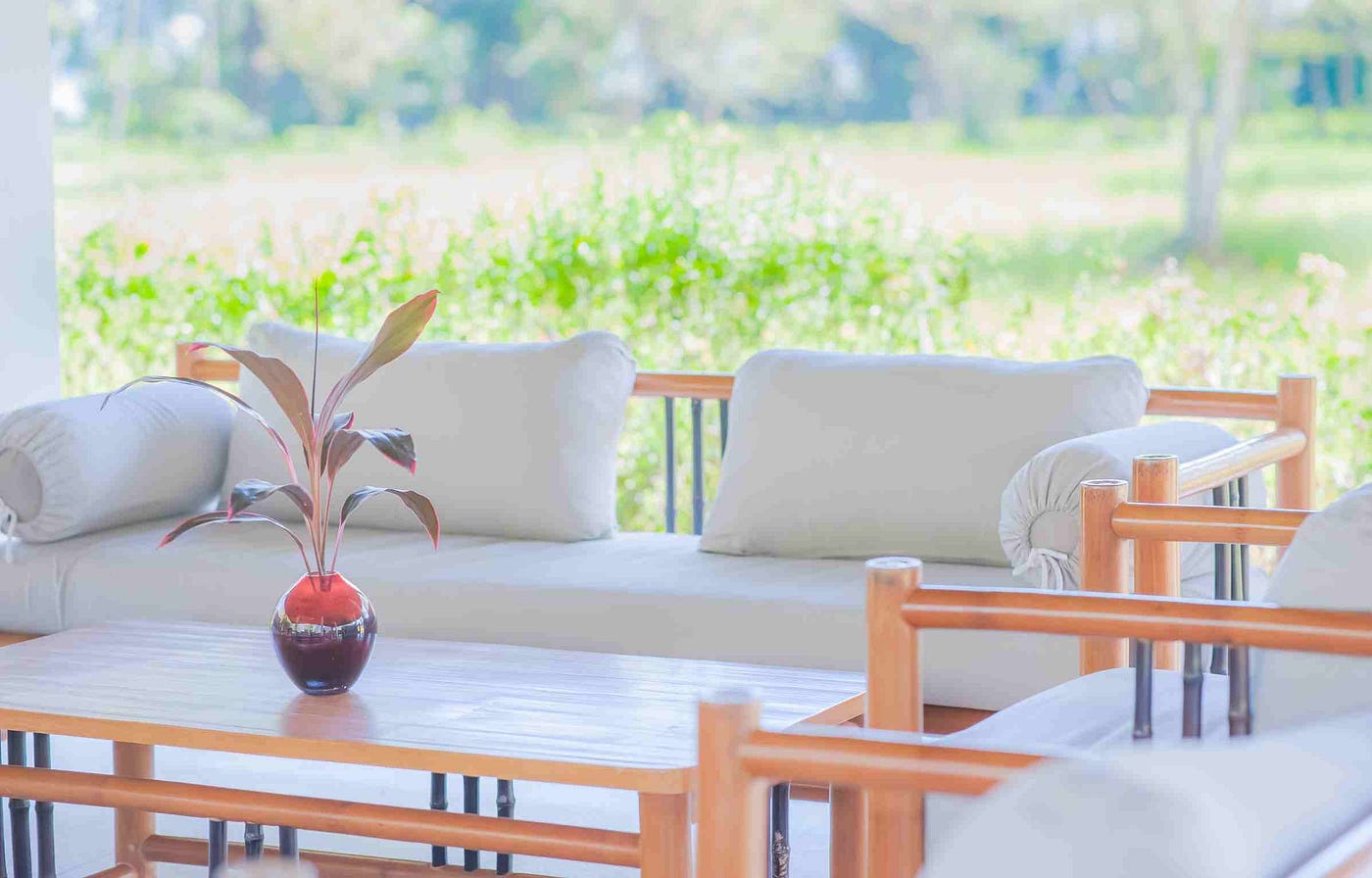
Sustainability Through Longevity
Sustainability begins where waste ends. Modular outdoor furniture extends life through renewal. When one part wears, it can be replaced, not discarded.
Designers use materials like teak, aluminium, and weatherproof fabrics that resist time and climate. Such endurance reflects respect for both craft and environment.
Owning less yet using better becomes the quiet philosophy behind modular design. It turns consumption into continuity, one piece at a time.
“True sustainability is not a trend but a return to responsibility,” said Laura Bennett, an environmental designer known for promoting long-lasting craftsmanship in modern furniture.
Redefining Urban Outdoor Living
In cities, space speaks softly. Balconies and terraces act as escapes from the rhythm of concrete. Modular outdoor furniture transforms these corners into personal sanctuaries.
A compact two-seater becomes a lounger on weekends. A coffee table moves aside to make room for a yoga mat. Flexibility replaces compromise.
Urban dwellers find freedom in rearrangement. Each configuration changes how the city feels, from a place of rush to one of rest.
Hospitality and Shared Design
Hotels, cafes, and resorts now use modular furniture as part of their identity. It allows them to reimagine settings daily without large overhauls.
Guests notice how the same pieces appear different at sunrise and evening. A lounge turns into a dining space. A poolside retreat becomes a social circle.
This adaptability reflects hospitality’s new vision, making every visitor feel the space was designed for them alone.
The Psychology of Space Transformation
Spaces shape mood. Modular furniture, through its adaptability, helps people feel more connected to their surroundings. It responds to emotion and change.
A small shift in layout can transform the tone of a day. Rearranging brings a sense of renewal. It is movement with meaning.
This interaction between space and spirit turns modular furniture into a conversation between human and home.
“I have seen how a single change in arrangement can lift the mood of an entire room,” said interior stylist Michael Carter. “Design becomes personal when space begins to reflect the rhythm of one’s own mind.”
The Role of Material and Texture
Every surface tells a story. The warmth of teak, the cool strength of metal, the soft resilience of fabric speak through touch.
Material choice defines how a space feels. Weather-resistant fabrics bring ease. Teak frames promise permanence. Together, they shape outdoor harmony.
The global outdoor fabric market was valued at USD 14.08 billion in 2024 and is projected to reach USD 16.54 billion by 2035 (Market Research Future), showing the growing preference for durable and sustainable materials in outdoor design.
Textures matter as much as structure. They connect the senses with the environment, making the open air feel intimate.
The Future of Outdoor Design
The future points toward adaptability. As lives grow more fluid, design follows. Modular outdoor furniture stands as a quiet forecast of that evolution.
Technology may add new layers, such as lightweight alloys, smart fabrics, and climate-responsive materials, yet the essence remains human. Furniture moves with life, never against it.
In the years ahead, modularity will guide design language across homes and communities. It continues to teach how simplicity can hold complexity with grace.
Bottom Line
Outdoor spaces now hold a rhythm of their own, guided by weather, light, and human presence. Modular outdoor furniture captures that rhythm with humility and intelligence. It allows every arrangement to mirror life’s constant change, temporary, beautiful, and deeply personal. Each movement, each shift of a chair or table, becomes an act of renewal. In transforming modern spaces, modular furniture has done something greater.
It has transformed the way people live within them.
메타데이터
- post_id
- b041d2cb2fa2
- slug
- how-modular-outdoor-furniture-transforms-modern-spaces-b041d2cb2fa2
- url
- https://medium.com/@furnituremagic/how-modular-outdoor-furniture-transforms-modern-spaces-b041d2cb2fa2
- canonical_url
- https://medium.com/@furnituremagic/how-modular-outdoor-furniture-transforms-modern-spaces-b041d2cb2fa2
- author_url
- https://medium.com/@furnituremagic
- status
- ok
- fetched_at
- 2026-07-16 07:43:41