Sleepless in Spain
Art, AI, and Nancy Kress’s Beggars in Spain
Sleepless in Spain
Art, AI, and Nancy Kress’s Beggars in Spain
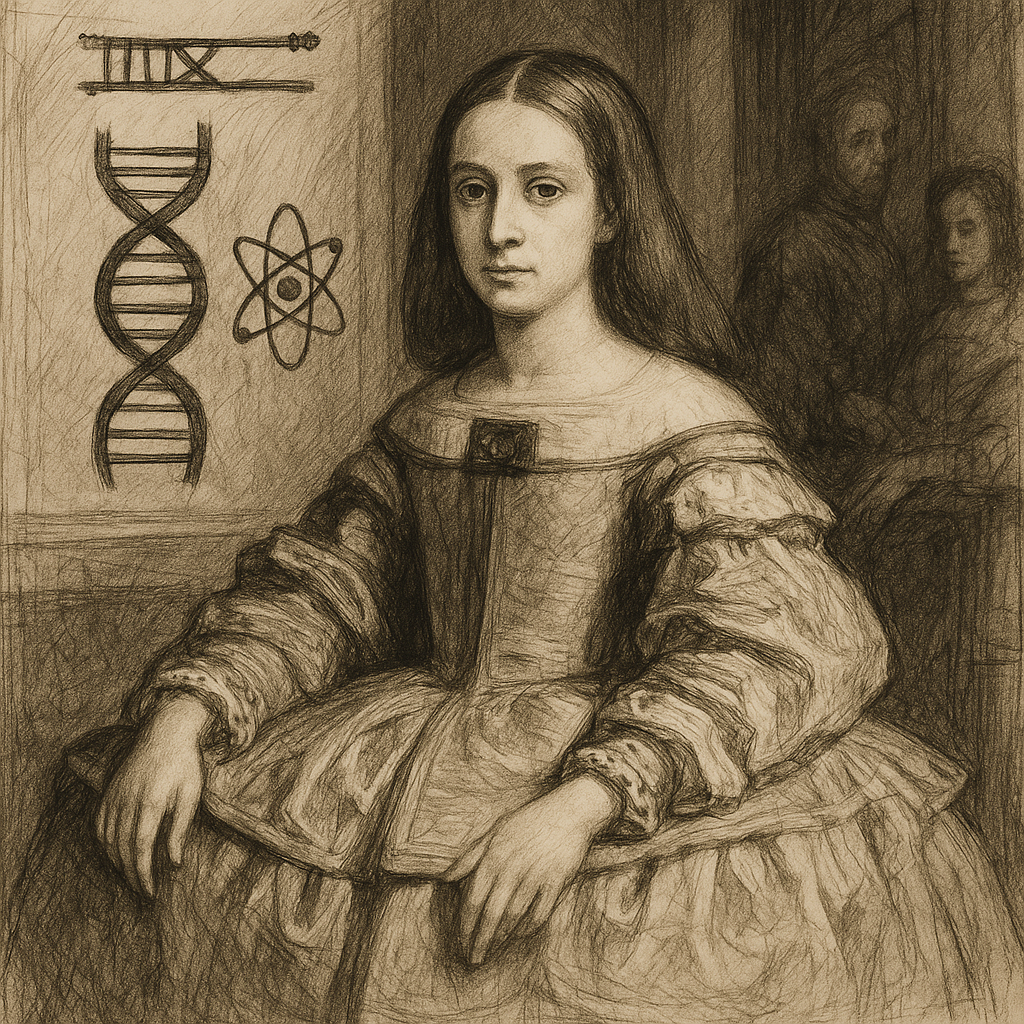
From canvas to Chromosome — Who decides what’s ‘human enough’? — Sanjay Basu
Right now, I’m writing this from Madrid, in between espresso shots and museum marathons. I’ve been on an art tour, tracing the evolution of the European mind — from Gothic altarpieces to the Baroque theatrics of Rubens, to Goya’s chilling black paintings that whisper truths even the 21st century finds uncomfortable. It’s like every canvas here at the Prado or the Reina Sofía breathes in oil paint and exhales philosophy. And yet, between Velázquez’s Las Meninas and Picasso’s Guernica, my mind keeps wandering back to Nancy Kress’s Beggars in Spain — a novel about engineered perfection, sleepless minds, and what happens when humanity splits itself with precision tools of progress.
Art as Evolution
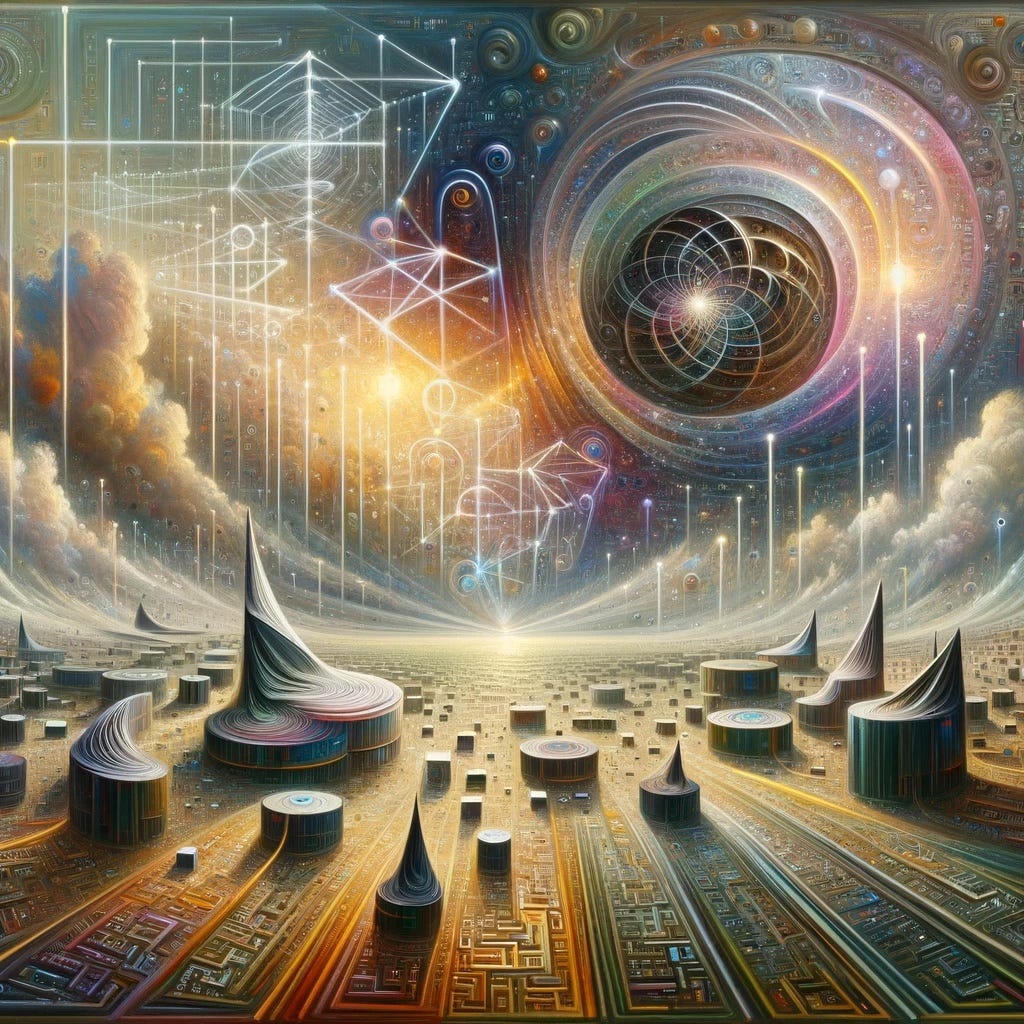
There’s something beautifully ironic about reading Beggars in Spain — a book about the engineered elite — while standing in front of Hieronymus Bosch’s The Garden of Earthly Delights, that masterclass in moral chaos. Gothic art, rigid and reverent, had no place for individuality; it was all about function and fear. Baroque, on the other hand, is practically screaming with drama — light flares, torsos twist, and saints levitate. Then Goya arrives, painting nightmares and revolution.
You walk into the Reina Sofía and there’s Guernica, an exploded scream in black and white. It’s an anti-war manifesto in Cubist syntax. But here’s the thing: Picasso painted a world tearing itself apart. Nancy Kress, meanwhile, imagines a world slicing itself apart voluntarily — with CRISPR scissors and AI-enhanced ambition.
And now, back to the book.

Copyright: Sanjay Basu
We begin in a very near future where genetic engineering is as casual as ordering tapas. The ultimate designer baby is Leisha Camden — engineered not to sleep, and thus destined to outthink, outwork, and outpace all her sleepy peers. In today’s AI world, think of Leisha as the human GPT-10 beta — faster, smarter, less emotional clutter. But Kress doesn’t write a simple utopia. Oh no. She dives headlong into the ethical mess: what happens when the enhanced live among the unenhanced?
Leisha’s father is a titan of industry, all in for bio-enhancement. Her mother, not so much. The book sets up its thesis early: technology divides before it unites. This is the “Cambrian Explosion” of human speciation — except this time, we’re choosing it. These early chapters follow Leisha’s early growth, her education, and her discovery of others like her — the Sleepless — who begin to form a community. It’s eerily predictive of today’s AI research collectives and longevity cults that orbit Silicon Valley.
Here we get the philosophical heart: “Yagaiism” — named after a fictional economist who champions the right of the productive to not be leeched by the unproductive. It’s Randian Objectivism with biotech upgrades. The Sleepless begin retreating into self-reliant enclaves, tired (ironically) of being resented for their gifts. Kress paints this with nuance: Leisha still wants connection, but others — like her “sister” Alice — turn cold and pure.
These are chilling in light of today’s debates around AI labor replacement, universal basic income, and the productivity obsession that fuels tech culture. The question isn’t just “What can we build?” but “Who gets left outside the building?”
The Sleepless build Sanctuary, a literal floating arcology above Earth — a place where brilliance thrives and the unenhanced can’t reach. It’s the Davos of gene-hacked post-humans. Meanwhile, the “Beggers in Spain” — a pejorative term for those who aren’t genetically gifted — grow resentful, and violence simmers.
This part of the book could be tomorrow’s newspaper. In a world increasingly bifurcated by access to AI tools, healthcare, and data, Sanctuary feels less science fiction and more like a predictive design brief for the ultra-rich. The beggars don’t just want handouts; they want acknowledgment. Kress is asking the eternal question: what do we owe one another?
In the final chapters, Leisha must decide where she stands — not as a Sleepless or a Yagaiist, but as a human. She rejects extremism and seeks to bridge the gap. It’s a subtle but powerful ending. She isn’t trying to undo what’s been done. She’s trying to reimagine belonging.
Here in Madrid, the masterpieces remind you that every human leap comes with a philosophical price. The printing press broke the Church. The telescope dethroned Earth. CRISPR, AI, and neural nets? They’ll do the same to biology, labor, and cognition. Nancy Kress saw this in 1993 — well before ChatGPT, AlphaFold, or Neuralink — and asked a question we still haven’t answered:
If you could sleep less, think more, and achieve faster — would you still need your fellow humans?
In today’s world of generative AI and genetic editing, we’ve already stepped into Kress’s Sanctuary. Biohackers wear glucose monitors like jewelry. AI developers claim we’ll “cure death” and “solve intelligence.” But if we’re not careful, we’ll also create new classes of beggars — those left behind by progress and yet still human, still deserving.
So, as I leave the Reina Sofía and step into the sunlit chaos of Madrid’s plazas, I carry with me two truths: Velázquez showed us the aristocracy on canvas. Kress showed us the future aristocracy in genes and code. And somewhere between art and algorithms, we’ll have to decide what kind of species we want to be.
Have you read Beggars in Spain? What do you think about AI and genetic enhancement drawing new borders around who gets to belong? Drop your thoughts — whether you’re a dreamer, a Sleepless, or somewhere in between.
AI #GeneticEngineering #NancyKress #SciFiRealities #Bioethics #SleeplessFuture #Madrid #MuseumThoughts #ArtAndFutures #HumanityRebooted
메타데이터
- post_id
- b09d4ba54dc2
- slug
- sleepless-in-spain-b09d4ba54dc2
- url
- https://medium.com/physics-philosophy-more/sleepless-in-spain-b09d4ba54dc2
- canonical_url
- https://medium.com/physics-philosophy-more/sleepless-in-spain-b09d4ba54dc2
- author_url
- https://medium.com/@sanjaybasu0
- status
- ok
- fetched_at
- 2026-06-28 14:26:31