4D/3N Masai Mara Safari: Experience the Great Migration and Kenya’s Remarkable Wildlife
A journey to the Masai Mara is not simply another international holiday. It is an opportunity to enter one of the world’s most celebrated…
4D/3N Masai Mara Safari: Experience the Great Migration and Kenya’s Remarkable Wildlife

Masai Mara Tour
A journey to the Masai Mara is not simply another international holiday. It is an opportunity to enter one of the world’s most celebrated wildlife ecosystems, where vast grasslands, dramatic river crossings, powerful predators and enormous herds create an experience that is difficult to reproduce anywhere else.
For travellers who want an immersive African safari without committing to a lengthy itinerary, a 4D/3N Masai Mara Safari provides a practical balance between wildlife exploration, comfortable travel and time away from work or everyday responsibilities.
Luxury Unlocked’s Great Migration package is positioned around migration-focused game drives, carefully selected wildlife-viewing periods and the option to add experiences such as a hot-air balloon safari. The package is intended for travellers who want to experience the Masai Mara’s most recognisable landscapes and wildlife activity within a focused itinerary.
Explore the **4D/3N Masai Mara Safari**.
Why the Masai Mara Is One of Africa’s Most Famous Safari Destinations
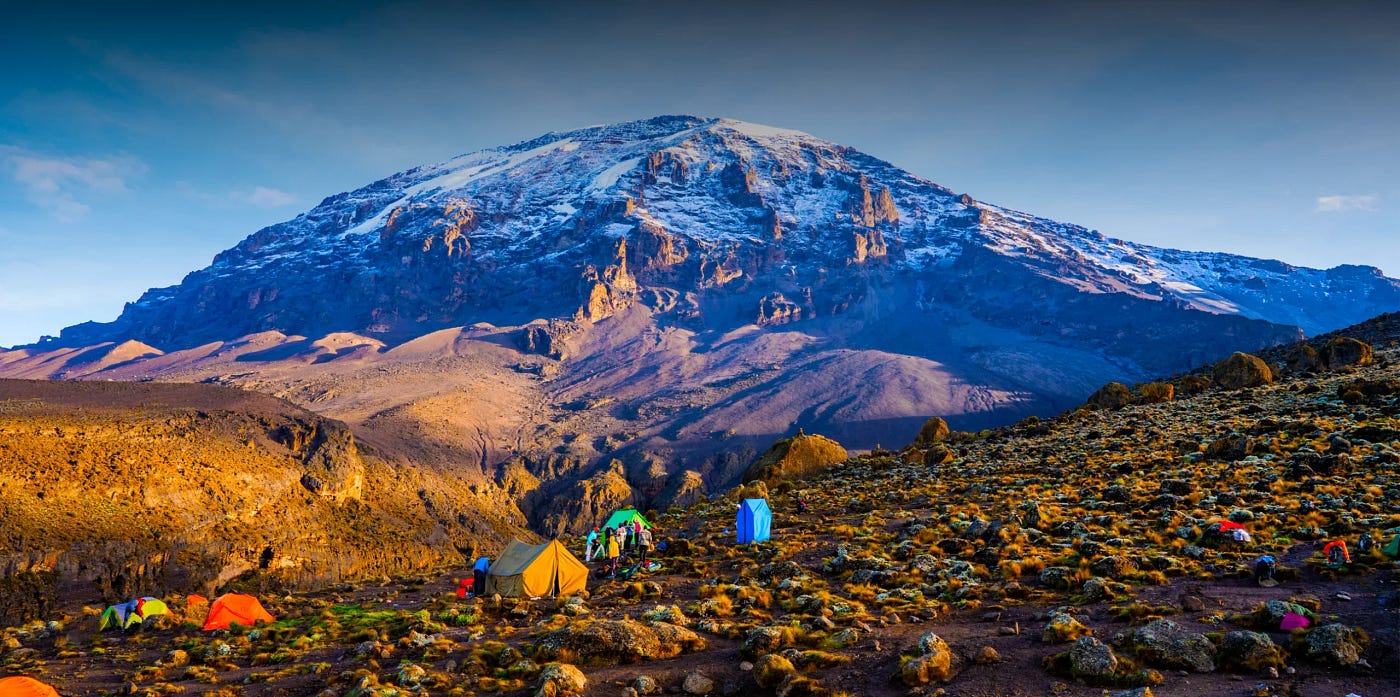
The Maasai Mara Game Reserve is situated in Narok County in southwestern Kenya. Covering approximately 1,510 square kilometres, it forms the northern section of the wider Serengeti–Mara ecosystem, which extends across Kenya and Tanzania.
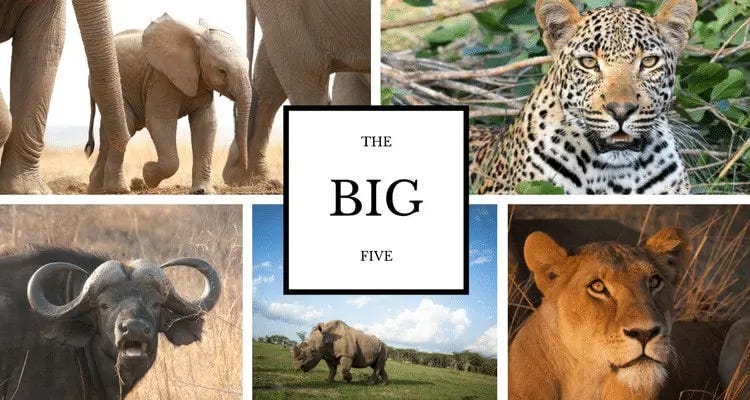
The reserve includes open grasslands, acacia-dotted plains, riverine habitats, hills and major waterways such as the Mara River. These interconnected habitats support elephants, wildebeest, zebras, buffalo, lions, leopards, cheetahs, black rhinoceroses and many other animal species.
The landscape itself is one of the main attractions. Visitors can look across seemingly endless plains, follow herds moving towards water and observe predators using grassland and riverbank habitats for hunting and shelter.
Unlike a zoo or controlled wildlife park, the Masai Mara offers an unscripted natural environment. Every drive can be different. One morning may involve watching elephants cross the savannah, while another may reveal lions resting after a hunt or giraffes moving between acacia trees.
This unpredictability is central to the safari experience.
Understanding the Great Migration
The Great Migration is a continuous movement of wildebeest, zebras and other grazing animals through the Serengeti–Mara ecosystem. The animals move in response to rainfall, fresh grass, water availability and changing seasonal conditions.
When large herds reach the Masai Mara, visitors may see thousands of animals spread across the plains. The most dramatic moments can occur around river crossings, where wildebeest and zebras attempt to cross fast-moving water while avoiding strong currents and predators.
Migration movements are governed by nature rather than a fixed timetable. River crossings cannot be scheduled or guaranteed, and herds may arrive earlier or later depending on rainfall and grazing conditions.
Migration activity in the Masai Mara is generally associated with the period from July through October, although the precise location and movement of the herds can vary significantly. River crossings are commonly anticipated around late July, August and parts of September, with some southward movement occurring later in the season.
A well-planned migration safari therefore focuses on suitable travel dates, strategically located accommodation, knowledgeable guides and sufficient time on game drives rather than promising a particular event at a particular hour.
Why Choose a 4D/3N Masai Mara Safari?
A shorter safari can feel rushed when it includes long transfers and very limited time inside the reserve. At the same time, not every traveller can dedicate a full week or longer to a wildlife holiday.
A four-day itinerary provides a useful middle ground.
It can offer enough time to settle into the safari environment, participate in multiple game drives and explore different wildlife zones. It is also manageable for professionals, couples and families planning an international break around limited leave.
The 4D/3N Great Migration package promoted by Luxury Unlocked emphasises migration-oriented game drives, prime wildlife-viewing windows and an optional balloon safari. Exact accommodation, transportation, meals, park charges and other inclusions should be confirmed in the final customised quotation.
The package may be particularly suitable for:
- First-time African safari travellers
- Couples seeking a distinctive international holiday
- Wildlife and landscape photographers
- Families looking for an educational travel experience
- Honeymooners combining wildlife with luxury accommodation
- Travellers from India with limited annual leave
- Groups celebrating an anniversary or milestone
- Nature enthusiasts hoping to witness seasonal migration activity
What to Expect During a Masai Mara Game Drive
Game drives are the foundation of most Masai Mara safari itineraries. Travellers enter wildlife areas with a trained driver-guide, usually in a purpose-built safari vehicle offering raised seating and clear views.
Early mornings and late afternoons are often valuable wildlife-viewing periods because temperatures are cooler and many animals are more active. Midday drives may also produce memorable sightings, especially around rivers, shade trees and watering areas.
A game drive is not simply about moving rapidly from one animal to another. Experienced guides observe tracks, alarm calls, animal behaviour, weather conditions and information shared by other guides.
They may notice vultures circling above a distant area, antelopes staring towards possible danger or fresh tracks leading away from a riverbank. These signs can help guide the search, but no animal encounter is guaranteed.
Travellers may see elephants feeding in family groups, giraffes moving through open woodland, buffalo grazing across the plains and hippos occupying river pools. Zebras, wildebeest, gazelles, impalas and other herbivores are commonly associated with the ecosystem.
Predator sightings may include lions, cheetahs and leopards, while black rhinoceroses are present but generally more difficult to locate. UNESCO’s description of the reserve specifically recognises its importance for elephant, black-rhino and large-carnivore conservation.
Wildlife Sightings Are Never Guaranteed
Marketing photographs often show lions positioned beside safari vehicles, wildebeest crossing rivers or cheetahs running across open grasslands. Such moments are possible, but they should not be treated as scheduled attractions.
Wild animals move freely. Their behaviour is affected by food, water, weather, reproduction, territorial activity and the presence of predators or people.
A responsible safari planner should be honest about this uncertainty.
Travelling during a favourable season, staying close to important wildlife zones and spending more time on guided drives can improve opportunities, but nature ultimately determines what visitors see.
This uncertainty makes genuine sightings more meaningful. Watching a leopard emerge from long grass after an hour of careful tracking is very different from seeing an animal placed in a controlled environment.
The Optional Hot-Air Balloon Safari
A hot-air balloon safari can add a completely different perspective to a Masai Mara holiday.
Balloon flights normally take place around sunrise, when the light is softer and the plains can be viewed from above. Instead of observing wildlife from ground level, travellers may see winding rivers, animal trails, scattered trees and herds moving through the landscape.
Luxury Unlocked lists a balloon safari as an optional enhancement to its Great Migration package. Availability, operating conditions, age restrictions, weight policies, transportation and additional charges should be checked at the time of booking.
Because balloon operations are weather-dependent, travellers should also understand that flights may be delayed or cancelled when conditions are unsuitable.
For photographers, couples and travellers marking a special occasion, the balloon experience may become one of the most memorable parts of the journey.
Is the Masai Mara Suitable for First-Time Safari Travellers?
The Masai Mara is frequently selected by first-time safari visitors because it combines recognisable African landscapes with a substantial variety of wildlife.
A well-organised package can also reduce the complexity of planning transfers, accommodation, game drives and reserve access independently.
However, travellers should arrive with realistic expectations.
Safari days can begin early. Roads may be rough or dusty. Mobile signals may be inconsistent in remote areas, and wildlife viewing can involve waiting patiently.
These conditions are not disadvantages when understood in advance. They are part of travelling through a natural reserve rather than a conventional resort destination.
First-time travellers should discuss comfort requirements, dietary needs, mobility considerations and preferred safari pace with the travel company before finalising the package.
Planning the Right Travel Season
The most appropriate travel period depends on what the traveller hopes to experience.
Those prioritising the Great Migration generally consider the period between July and October, when herds are commonly present in the Masai Mara. This is also a high-demand period, so lodges, camps, vehicles and premium viewing locations may become more expensive or less available.
Travellers interested in resident wildlife rather than river crossings can also consider other parts of the year. Elephants, lions, buffalo, giraffes, cheetahs, leopards and numerous antelope species live within the wider ecosystem throughout the year.
Seasonal conditions influence vegetation, road accessibility, animal distribution, photography and visitor numbers. The reserve experiences distinct rainy periods, including longer rains around April and May and shorter rains later in the year, although actual weather patterns can vary.
Booking early is especially important for migration-season travel.
What to Pack for a Masai Mara Safari
Packing correctly can make game drives significantly more comfortable.
Neutral-coloured, lightweight clothing is usually practical for daytime use. Travellers should also carry warmer layers because mornings and evenings can feel cool, particularly during open-vehicle journeys.
Useful items may include:
- Comfortable trousers and breathable shirts
- A light jacket or fleece
- Closed walking shoes
- Sunglasses and a wide-brimmed hat
- Sunscreen and lip protection
- Prescribed medicines
- Insect repellent
- A reusable water bottle
- Binoculars
- Camera batteries and memory cards
- Charging equipment and a power bank
- A small day bag
- Travel documents and insurance information
Travellers using internal flights should confirm luggage restrictions because small safari aircraft may impose stricter baggage limits than international airlines.
Bright clothing, strong fragrances and unnecessary plastic packaging are best avoided. Visitors should also follow all instructions provided by their guide and accommodation team.
Tips for Better Wildlife Photography
The Masai Mara provides opportunities for wildlife, landscape and travel photography, but expensive equipment is not essential for enjoying the experience.
A smartphone can capture wide landscapes, camp moments and nearby animals. Travellers using dedicated cameras may benefit from a telephoto lens for distant wildlife and a wider lens for landscapes.
The most important photography principles are patience and preparation.
Keep the camera accessible rather than packed deep inside a bag. Check battery levels before leaving camp, use a fast shutter speed for moving animals and avoid changing lenses unnecessarily in dusty conditions.
Travellers should never pressure guides to approach wildlife too closely merely to obtain a photograph. Ethical distance protects both animals and visitors.
Photography should support the experience rather than dominate it. Sometimes the best decision is to lower the camera and observe the moment directly.
Responsible Safari Behaviour
The Masai Mara is a functioning ecosystem, not an entertainment venue.
Visitors should remain inside vehicles unless their guide confirms that leaving is permitted in a designated area. Feeding animals, making loud noises, dropping litter or attempting to attract wildlife can create serious risks.
Safari vehicles should respect animal movement and avoid surrounding or blocking wildlife. Travellers should also avoid purchasing products made from wildlife materials.
The Maasai Mara ecosystem supports globally significant animal populations and remains an important conservation area for predators, elephants, rhinos, migratory herbivores and other species. Responsible tourism contributes to the long-term value of the landscape when operations respect wildlife, habitat and local communities.
Guests can support better tourism by selecting experienced operators, following reserve regulations and treating cultural interactions respectfully.
Questions to Ask Before Booking
Before confirming a 4D/3N Masai Mara Safari, travellers should obtain a clear written quotation and itinerary.
Important questions include:
- What accommodation category is included?
- Which meals are covered?
- Are reserve and conservation fees included?
- Are airport and road transfers included?
- Will game drives be shared or private?
- Which type of safari vehicle will be used?
- How many travellers will share the vehicle?
- Are international or domestic flights included?
- Is the balloon safari included or charged separately?
- What cancellation and amendment conditions apply?
- Are visas, travel insurance and vaccinations included?
- What luggage limitations apply?
- Can dietary or mobility requirements be accommodated?
A detailed confirmation reduces misunderstandings and allows travellers to compare packages accurately.
Plan Your 4D/3N Masai Mara Safari with Luxury Unlocked
A Masai Mara safari can bring together adventure, wildlife, photography, landscape and luxury within one carefully designed journey.
The 4D/3N Great Migration package is suited to travellers who want a concentrated safari experience focused on game drives and seasonal wildlife activity. It can provide enough time to move beyond a single hurried drive while remaining practical for a shorter international holiday.
Luxury Unlocked promotes the package with migration-focused game drives, selected viewing periods and an optional balloon-safari experience.
Actual migration locations, river crossings and individual animal sightings cannot be guaranteed. However, thoughtful timing, professional guidance and realistic expectations can create a deeply rewarding journey even when nature follows an unexpected course.
From the first view of the open plains to the sound of wildlife beyond the camp after sunset, the Masai Mara offers experiences that remain vivid long after the traveller returns home.
Explore the **4D/3N Masai Mara Safari** and request a customised quotation.
메타데이터
- post_id
- b0c2e651d7ca
- slug
- 4d-3n-masai-mara-safari-experience-the-great-migration-and-kenyas-remarkable-wildlife-b0c2e651d7ca
- url
- https://medium.com/@luxuryunlocked411/4d-3n-masai-mara-safari-experience-the-great-migration-and-kenyas-remarkable-wildlife-b0c2e651d7ca
- canonical_url
- https://medium.com/@luxuryunlocked411/4d-3n-masai-mara-safari-experience-the-great-migration-and-kenyas-remarkable-wildlife-b0c2e651d7ca
- author_url
- https://medium.com/@luxuryunlocked411
- status
- ok
- fetched_at
- 2026-08-12 22:43:30