I Practiced the Same Interview 10 Times. My Answers Got Worse — Then Better.
The first time I practiced a video interview, I felt okay.
I Practiced the Same Interview 10 Times. My Answers Got Worse — Then Better.
The first time I practiced a video interview, I felt okay.
The second time, worse. The third time, even worse.
By the fourth attempt, I was convinced I was overthinking everything.
If you’ve ever practiced interviews seriously and felt like you were regressing, this is for you.
The False Promise of One Good Run
Most candidates stop practicing after a single “decent” attempt.
It feels good enough. Nothing obviously went wrong. You move on.
The problem is that a single run hides weaknesses.
Only repetition exposes:
- unclear transitions
- bloated explanations
- inconsistent structure
- unconscious filler habits
The first attempt flatters you. The next few confront you.
Why Awareness Feels Like Failure
When you repeat the same interview, something uncomfortable happens.
You start noticing:
- every “um”
- every vague sentence
- every place you lost your point
This doesn’t mean you’re getting worse.
It means your awareness has outpaced your execution.
That gap feels like regression — but it’s actually progress.
The Dip Everyone Wants to Avoid
Skill development often follows this pattern:
- Unaware confidence
- Painful awareness
- Controlled improvement
- Consistent performance
Most people quit at stage 2.
They assume:
“If this feels harder, something’s wrong.”
In reality, that discomfort is the signal that training is finally working.
Why Random Practice Doesn’t Fix This
Practicing different questions every time feels productive — but it delays improvement.
Repeating the same interview does something different:
- patterns emerge
- mistakes become predictable
- improvements become measurable
That’s when real progress starts.
This is also why structured interview simulations outperform generic prep.
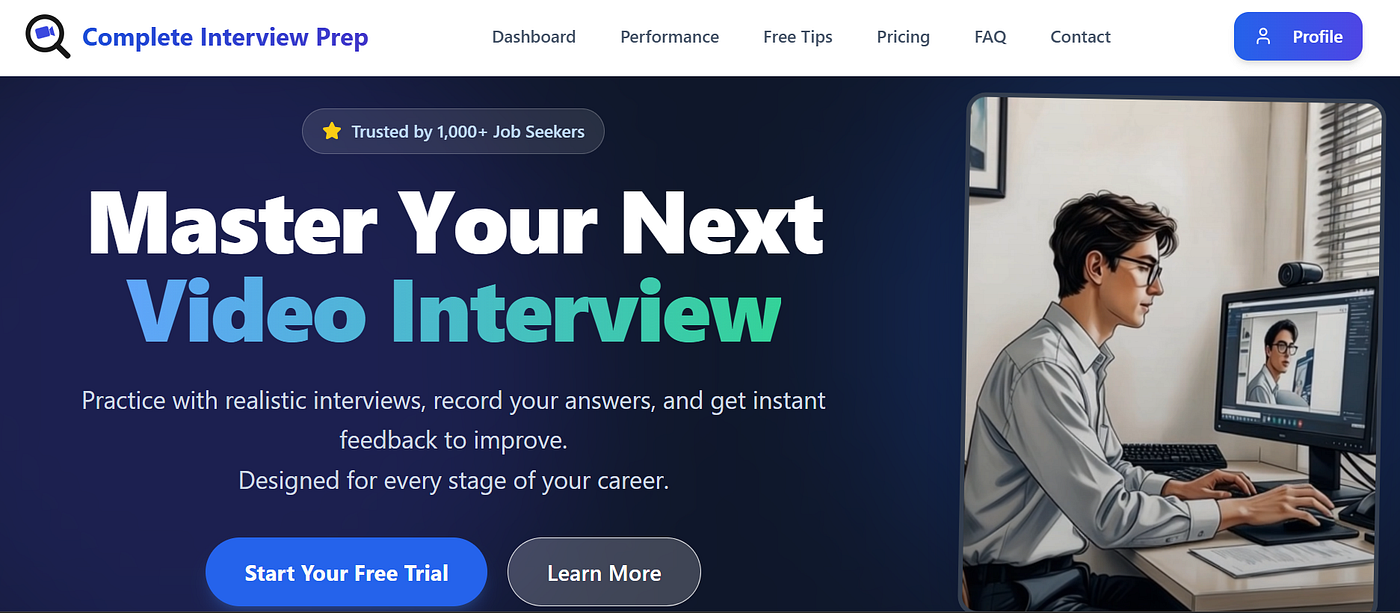
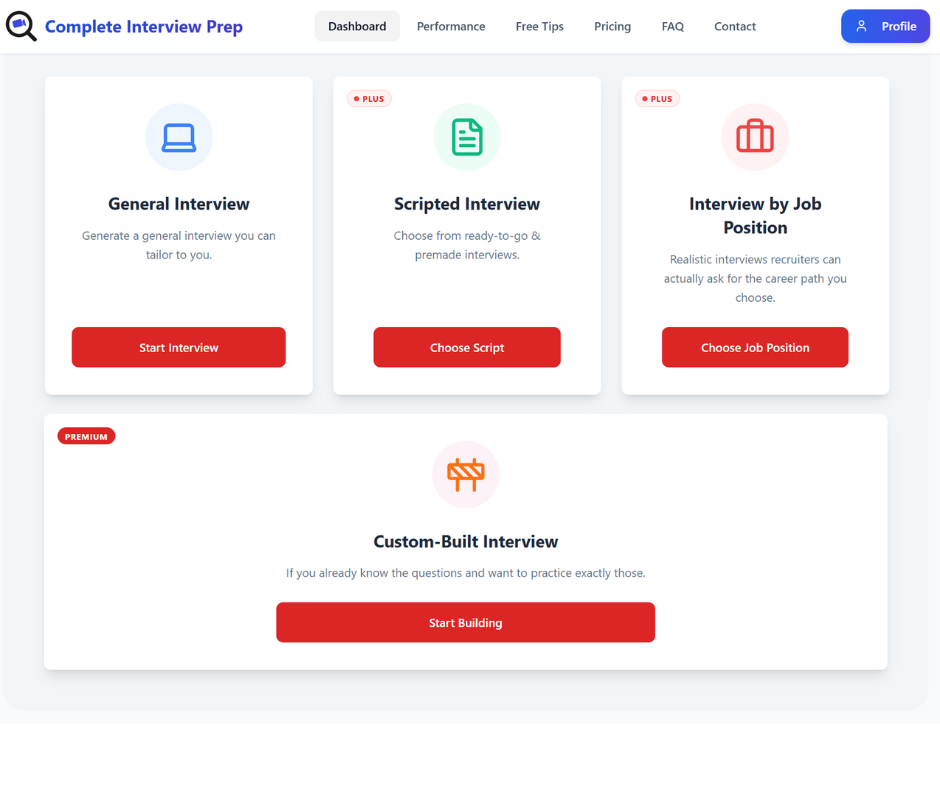
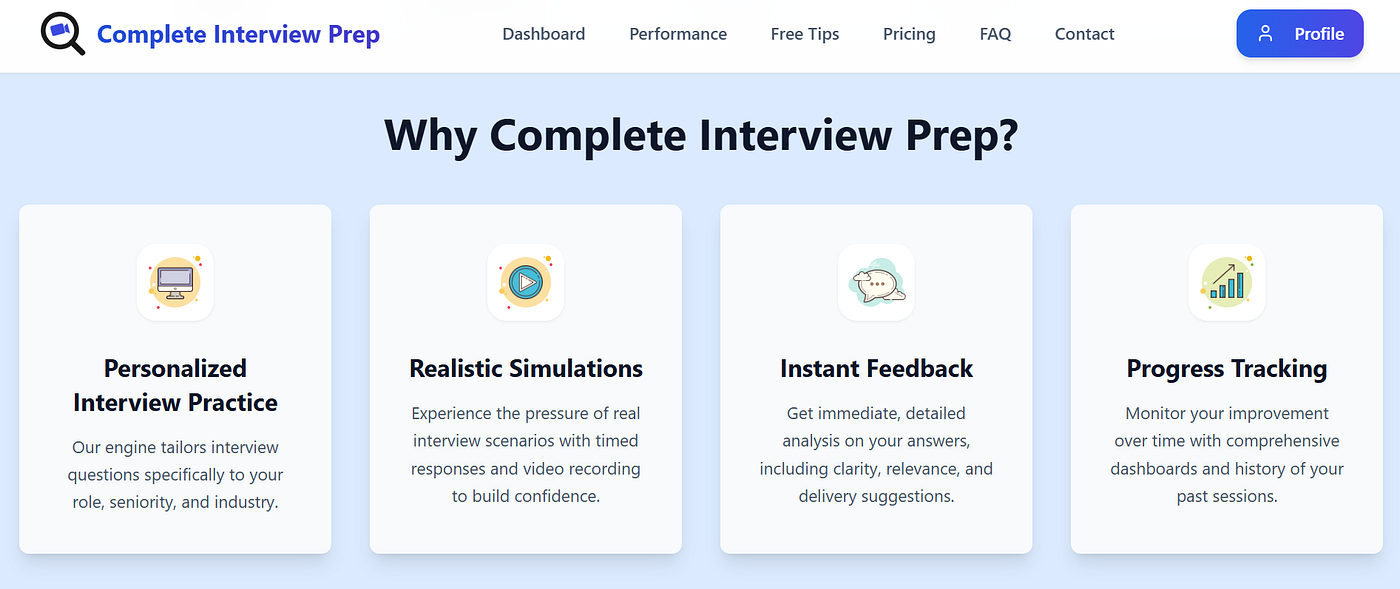
Platforms like 👉 https://www.completeinterviewprep.com/ are designed around guided repetition: you practice the same interview format, get targeted feedback, and iterate until clarity becomes automatic.
www.completeinterviewprep.com/
The Moment Things Finally Click
For me, improvement didn’t feel dramatic.
It felt quieter.
Answers became:
- shorter
- calmer
- more intentional
I stopped trying to say everything and started saying the right things.
That shift didn’t come from motivation. It came from repetition with feedback.
What to Do If Practice Feels Worse Right Now
If your answers feel messier after practice, don’t stop.
Instead:
- repeat the same interview again
- focus on structure, not polish
- aim for clarity, not perfection
You’re likely closer to improvement than you think.
Final Thought
Getting worse before getting better isn’t a flaw in your preparation.
It’s proof that you’re finally doing it correctly.
Most candidates never push past that stage.
If you do, the difference shows.
메타데이터
- post_id
- b0d0eec8fbb7
- slug
- i-practiced-the-same-interview-10-times-my-answers-got-worse-then-better-b0d0eec8fbb7
- url
- https://medium.com/@lucaardito_/i-practiced-the-same-interview-10-times-my-answers-got-worse-then-better-b0d0eec8fbb7
- canonical_url
- https://medium.com/@lucaardito_/i-practiced-the-same-interview-10-times-my-answers-got-worse-then-better-b0d0eec8fbb7
- author_url
- https://medium.com/@lucaardito_
- status
- ok
- fetched_at
- 2026-06-14 11:28:49