Preventing Illness in Children: Expert Tips for Parents
Every parent wants their child to stay healthy and active throughout the year. But with school, sports, daycare, and social activities…
Preventing Illness in Children: Expert Tips for Parents
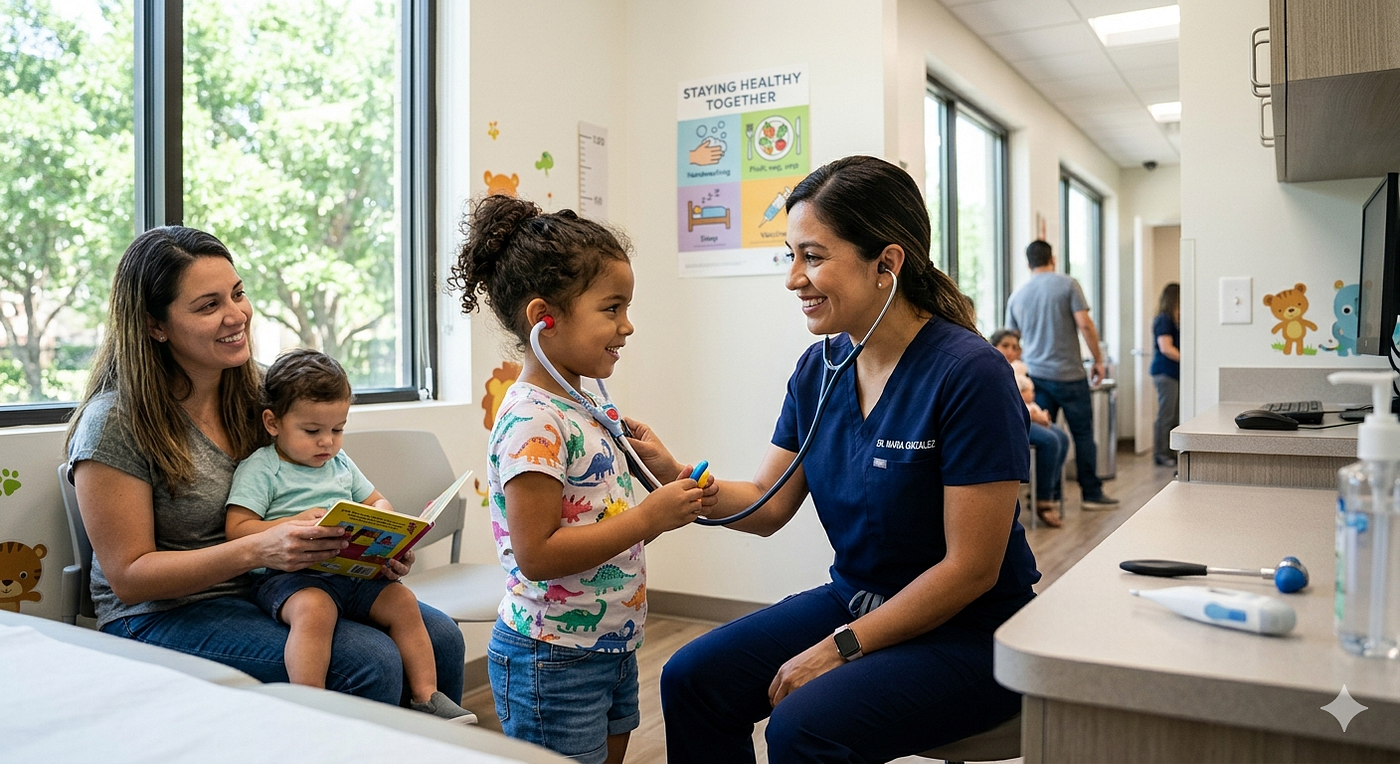
Regular Checkup at Gentle Pediatrics
Every parent wants their child to stay healthy and active throughout the year. But with school, sports, daycare, and social activities, children are constantly exposed to germs and illnesses.
While it’s impossible to prevent every cold or infection, there are many simple ways to strengthen your child’s overall health and reduce the risk of frequent illness.
At Gentle Pediatrics, we remind families that prevention starts with everyday habits. Working with a **trusted pediatric doctor in Sugar Land** can also help parents stay proactive about their child’s health and development.
In this guide, we’ll share practical expert tips that can help keep your child healthier and support long-term wellness.
Why Children Get Sick Frequently
Children’s immune systems are still developing, especially during the early years. Because of this, they naturally catch more illnesses as they build immunity over time.
Common reasons children get sick include:
- Exposure to germs at school or daycare
- Close contact during sports or play
- Incomplete hygiene habits
- Lack of sleep or poor nutrition
While occasional illness is normal, healthy habits can reduce how often and how severely children get sick.
Encourage Regular Handwashing
One of the most effective ways to prevent illness is also one of the simplest.
Teach your child to wash their hands:
- Before eating
- After using the restroom
- After coughing or sneezing
- After returning home from school or public places
Proper handwashing with soap and water helps reduce the spread of viruses and bacteria.
For younger children, making handwashing fun with songs or routines can encourage consistency.
Keep Vaccinations Up to Date
Vaccines help protect children from many serious illnesses that can spread quickly in schools and communities.
Immunizations help prevent conditions such as:
- Influenza
- Measles
- Whooping cough
- Polio
A trusted pediatric doctor in Sugar Land can help ensure your child stays current on recommended vaccines and answer any concerns you may have.
Focus on Healthy Nutrition
A balanced diet plays a major role in supporting the immune system.
Encourage foods rich in:
- Fruits and vegetables
- Lean proteins
- Whole grains
- Healthy fats
Nutrients such as vitamin C, zinc, and iron support overall health and immune function.
Try to limit:
- Excess sugary snacks
- Processed foods
- Frequent sugary drinks
Healthy eating habits can make a noticeable difference in energy levels and overall wellness.
Make Sleep a Priority
Sleep is one of the most important parts of illness prevention.
Children who do not get enough rest may be more likely to:
- Catch infections
- Feel fatigued
- Struggle with focus and mood
Helpful sleep habits include:
- Consistent bedtimes
- A calming bedtime routine
- Reducing screen time before sleep
Every child’s sleep needs vary by age, but quality sleep is essential for healthy immune function.
Encourage Physical Activity
Regular movement supports both physical and emotional health.
Encourage activities like:
- Outdoor play
- Sports
- Walking or biking
- Dancing or active games
Physical activity helps:
- Strengthen the body
- Improve circulation
- Support better sleep
- Reduce stress
Children do not need intense exercise every day. Regular activity and movement are what matter most.
Teach Good Respiratory Hygiene
Children often spread germs through coughing and sneezing.
Teach your child to:
- Cover coughs and sneezes with a tissue or elbow
- Avoid touching their face frequently
- Throw tissues away immediately
These small habits help reduce the spread of illnesses to family members and classmates.
Reduce Exposure to Sick Contacts
While children cannot avoid every exposure, reducing unnecessary contact with illness can help.
Try to:
- Keep sick children home from school or activities
- Avoid sharing drinks or utensils
- Clean commonly touched surfaces regularly
Simple preventive steps can lower the risk of spreading infections within the home.
Keep Indoor Spaces Clean
Indoor air quality and cleanliness can affect your child’s health.
You can help by:
- Vacuuming and dusting regularly
- Washing bedding frequently
- Improving ventilation when possible
Reducing allergens and germs in the home can support respiratory health.
Pay Attention to Emotional Health
Stress and emotional strain can also affect physical well-being.
Children experiencing anxiety or stress may:
- Sleep poorly
- Feel more fatigued
- Become more vulnerable to illness
Encourage:
- Open communication
- Downtime and relaxation
- Balanced schedules with rest and play
A healthy emotional environment supports overall wellness.
Know When to See a Pediatrician
Some illnesses are mild and improve with home care, while others may need medical attention.
Contact a **pediatric doctor in Sugar Land** if your child has:
- Breathing Troubles: Any sign of wheezing, flared nostrils, rapid breathing, or the chest pulling inward heavily underneath the ribs (retractions).
- Severe Dehydration: No wet diapers or urination for over 8 hours, crying without producing tears, or extreme dry mouth/lethargy.
- Prolonged Illness: Standard cold or respiratory symptoms that continually worsen or show no signs of improvement after 10 full days.
Regular pediatric visits also help monitor your child’s health and detect concerns early.
Why Preventive Care Matters
**Preventive healthcare** helps children stay healthier over time.
Routine visits allow doctors to:
- Track growth and development
- Monitor nutrition and sleep
- Address concerns early
- Provide vaccinations and screenings
Preventive care is one of the best ways to support long-term health and reduce future complications.
How We Support Families
At Gentle Pediatrics, we understand that every parent wants to do everything possible to keep their child healthy.
We provide:
- Preventive wellness exams
- **Vaccinations** and health screenings
- **Guidance on nutrition** and healthy habits
- Support for illness prevention and recovery
- Ongoing pediatric care for every stage of childhood
Working with a trusted pediatric doctor in Sugar Land helps families feel supported and informed throughout their child’s development.
Final Thoughts for Parents
Preventing illness in children doesn’t require perfection. Small, consistent habits often make the biggest difference.
When you focus on healthy routines, proper hygiene, good nutrition, quality sleep, and **regular pediatric care**, you can help strengthen your child’s overall health and reduce the risk of frequent illness.
And while occasional sickness is a normal part of childhood, proactive care can help children recover more easily and stay healthier over time.
If you ever have concerns about your child’s health or immune system, don’t hesitate to seek guidance. At **Gentle Pediatrics **in Sugar Land, we help children grow, learn, and thrive with confidence.
메타데이터
- post_id
- b0d35e4b7fbc
- slug
- preventing-illness-in-children-expert-tips-for-parents-b0d35e4b7fbc
- url
- https://medium.com/@gentlepediatricsclinic/preventing-illness-in-children-expert-tips-for-parents-b0d35e4b7fbc
- canonical_url
- https://medium.com/@gentlepediatricsclinic/preventing-illness-in-children-expert-tips-for-parents-b0d35e4b7fbc
- author_url
- https://medium.com/@gentlepediatricsclinic
- status
- ok
- fetched_at
- 2026-06-09 14:34:10