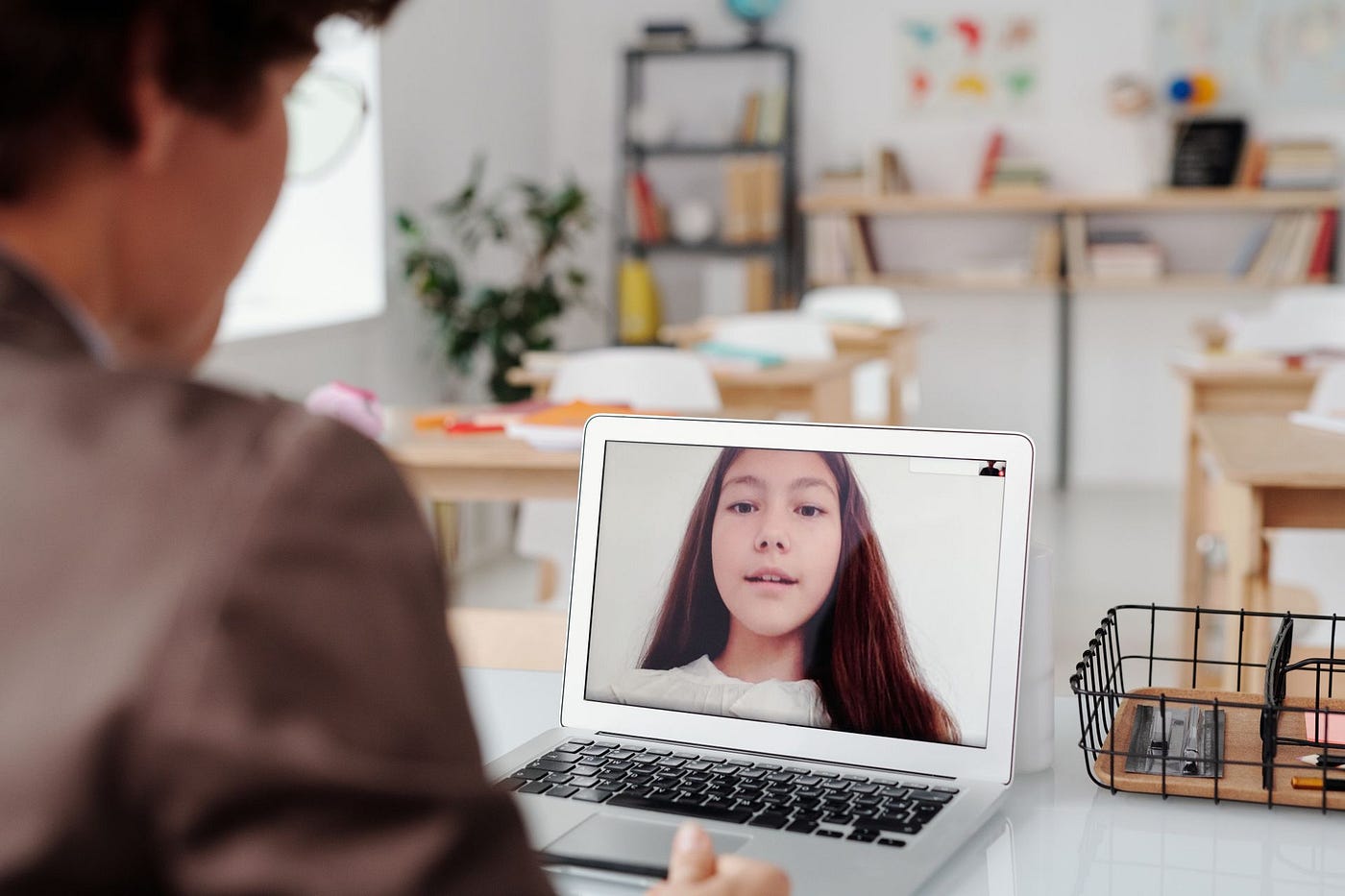
How to Save Money Teaching English Abroad and Earn More Interest on Your Savings
Financial Tips for ESL Teachers Living Overseas
How to Save Money Teaching English Abroad and Earn More Interest on Your Savings

Financial Tips for ESL Teachers Living Overseas
Teaching English abroad can be an incredible opportunity to travel, experience new cultures, and build a career while living overseas. However, many teachers quickly realize that earning money abroad is only part of the equation.
Learning how to save money teaching English abroad is what truly determines whether you can build financial stability, pay off debt, or grow your savings while working internationally.
Some ESL teachers live paycheck to paycheck despite having free housing and low living costs, while others manage to save thousands of dollars each year. The difference usually comes down to budgeting, lifestyle choices, banking strategies, and choosing the right country.
In this guide, we’ll explore practical ways to save money while teaching English abroad, including housing tips, transportation strategies, side income opportunities, and smart international banking tools.
Choose the Right Country for Saving Money
One of the biggest factors affecting your savings potential is where you teach.
Some countries offer:
- High salaries
- Free housing
- Low living costs
- Strong demand for teachers
Popular destinations for saving money include:
- South Korea
- China
- Vietnam
- Saudi Arabia
- Taiwan
For example, many teachers in South Korea receive free furnished housing and airfare reimbursement, allowing them to save a large percentage of their salary.
You can compare international teaching salaries and job opportunities on sites like Teach Away.
Choosing the right location is often the most important step in learning how to save money teaching English abroad.
Take Advantage of Free Housing
Housing is usually the largest monthly expense for teachers abroad. Many schools provide:
- Free apartments
- Housing stipends
- Shared accommodations
Accepting employer-provided housing can dramatically reduce expenses.
Before signing a contract:
- Ask if utilities are included
- Request photos of the apartment
- Confirm internet access and location
Even modest free housing can save hundreds of dollars each month.
Avoid Tourist Spending Habits
One of the biggest mistakes new teachers make is living like full-time tourists.
It’s tempting to:
- Eat at expensive international restaurants
- Travel every weekend
- Party frequently
- Shop excessively
While occasional travel is part of the experience, consistent tourist spending can quickly eliminate savings.
Instead:
- Eat local food regularly
- Use public transportation
- Explore free local attractions
- Limit unnecessary purchases
Living more like a local resident than a tourist can significantly increase your savings.
Track Your Expenses Carefully
Many teachers underestimate how much they spend each month.
Use budgeting apps or spreadsheets to track:
- Rent and utilities
- Food expenses
- Transportation
- Entertainment
- Travel spending
Apps like YNAB and Mint can help you monitor your finances and build better habits.
You can learn more about budgeting strategies here.
Tracking your expenses is essential if you truly want to understand how to save money teaching English abroad.

Earn interest on your money with your Wise account.
Open a Smart International Bank Account
Traditional banks often charge:
- International transfer fees
- Poor exchange rates
- ATM withdrawal fees
This is why many teachers use Wise for managing money abroad.
Wise allows users to:
- Hold multiple currencies
- Transfer money internationally at low cost
- Receive payments with local bank details
- Use a debit card internationally
Using a smart banking solution can save hundreds of dollars annually in hidden fees.
Learn more about Wise bank accounts here.
Cook More Meals at Home
Eating out frequently can become expensive, especially in major cities.
Cooking at home helps teachers:
- Reduce food costs
- Eat healthier
- Save consistently over time
Even preparing simple meals several times per week can make a noticeable difference.
Many teachers abroad find that combining local restaurants with occasional home cooking provides the best balance between convenience and savings.
Use Public Transportation
Transportation costs vary greatly depending on the country.
In many Asian countries, public transportation is:
- Safe
- Affordable
- Reliable
Using buses, trains, or subways instead of taxis can save substantial money each month.
Teachers in cities like Seoul or Taipei often rely almost entirely on public transportation because of its affordability and convenience.
For international travel tips and budget planning, many expats use resources like Nomadic Matt.
Build an Emergency Fund
Unexpected expenses abroad can happen at any time.
Examples include:
- Medical emergencies
- Visa costs
- Flights home
- Apartment deposits
Having an emergency fund helps prevent financial stress and avoids relying on credit cards.
A good goal is saving:
- At least 3–6 months of living expenses
Earn Extra Income Online
Many ESL teachers increase savings by building additional income streams.
Popular options include:
- Online tutoring
- Freelance writing
- YouTube content creation
- Selling ESL materials
Websites such as https://www.upwork.com allow teachers to freelance remotely while living abroad.
Creating extra income streams is one of the most effective long-term strategies for financial growth.
Limit International ATM Fees
Frequent ATM withdrawals can result in unnecessary fees.
To reduce costs:
- Withdraw larger amounts less often
- Use fee-friendly cards
- Avoid currency conversion prompts at ATMs
Always choose to pay in the local currency rather than your home currency when using international cards.
Save Automatically
Automatic savings help build financial discipline.
Strategies include:
- Sending part of each paycheck directly into savings
- Using separate accounts for spending and savings
- Setting monthly savings targets
Even small automatic transfers add up over time.
Avoid Debt While Abroad
Many teachers travel abroad hoping to improve finances but continue accumulating debt.
Common issues include:
- Excessive travel spending
- Credit card reliance
- Impulse purchases
Creating a realistic budget and sticking to it is crucial.
Use Local SIM Cards and Internet Plans
International roaming charges can be extremely expensive.
Instead:
- Buy local SIM cards
- Use prepaid mobile plans
- Take advantage of free Wi-Fi
This simple strategy can save significant money each month.
Summing Up the Money Saving Tips
Learning how to save money teaching English abroad is about more than just earning a salary. It requires smart financial habits, careful budgeting, and strategic decisions about housing, transportation, and banking.
Teachers who save successfully usually:
- Live below their means
- Avoid unnecessary tourist spending
- Use low-fee financial tools
- Build additional income streams
The good news is that teaching abroad offers many opportunities to reduce expenses compared to living in countries with high costs of living.
With discipline and smart planning, many ESL teachers can save thousands of dollars per year while still enjoying travel and cultural experiences abroad.
Earn Interest with Your Wise Account
If you’re teaching English abroad, managing your money internationally is one of the smartest financial decisions you can make. Many teachers use Wise not only for low-cost transfers but also for holding multiple currencies and earning interest on eligible balances.
Learn more and open a Wise account here.
메타데이터
- post_id
- b0fd14efecf8
- slug
- how-to-save-money-teaching-english-abroad-and-earn-more-interest-on-your-savings-b0fd14efecf8
- url
- https://medium.com/@eslexpat/how-to-save-money-teaching-english-abroad-and-earn-more-interest-on-your-savings-b0fd14efecf8
- canonical_url
- https://medium.com/@eslexpat/how-to-save-money-teaching-english-abroad-and-earn-more-interest-on-your-savings-b0fd14efecf8
- author_url
- https://medium.com/@eslexpat
- status
- ok
- fetched_at
- 2026-07-07 12:26:01