A Tesla Drove Into a House at 73 MPH. The Scary Part Is Who Owns the Memory
Tesla is probably telling the truth about the crash in Katy. That’s exactly why you should trust them less - and why it matters for the…
A Tesla Drove Into a House at 73 MPH. The Scary Part Is Who Owns the Memory
Tesla is probably telling the truth about the crash in Katy. That’s exactly why you should trust them less - and why it matters for the used car in your driveway.
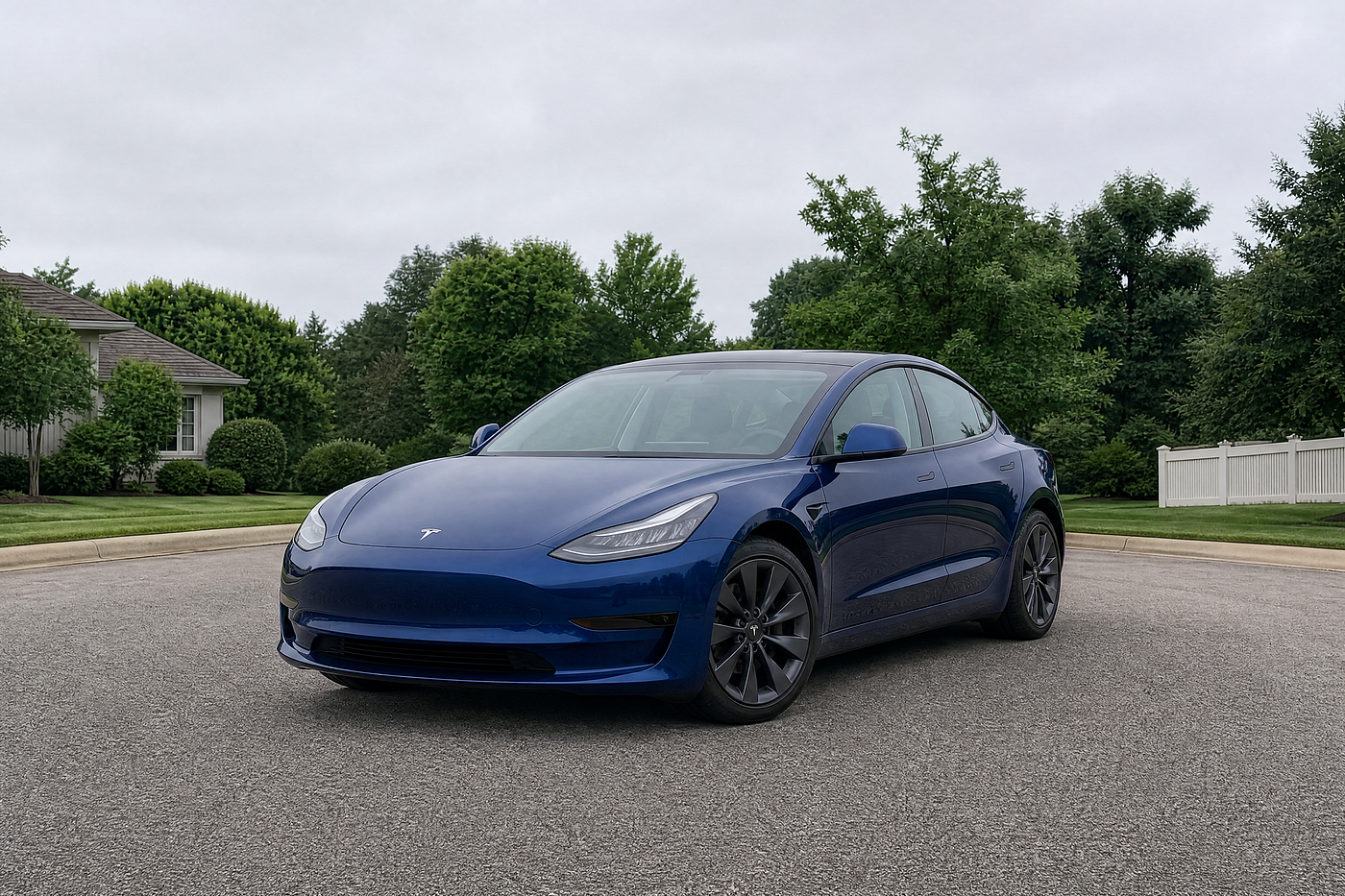
There’s a guy out there right now with a deposit on a two-year-old Model 3. Pickup is Saturday. He’s not losing sleep over Full Self-Driving - he’s not even buying the kind of trim that has it. What’s nagging him is one sentence the seller typed into the listing, the most ordinary sentence in the entire used-car world: “Never been in an accident.”
He has no way to know if that’s true. And this week, watching a dead woman’s family and the most valuable car company on earth argue in public about what a car’s own computer remembers, he’s starting to understand why that should bother him.
What actually happened in Katy
On the evening of June 19, a Tesla Model 3 left a residential street in Katy, a suburb west of Houston, and went straight through the front wall of a two-story brick home. It was doing 73 miles per hour in a neighborhood. Martha Avila, 76, was standing in her front room. She did not survive.
Within days, two stories were on the table. The driver told deputies he’d been on Autopilot. Tesla, through its head of AI and then Elon Musk himself, said the opposite: the driver floored the accelerator to 100%, overriding the software, with the pedal still pressed even after the car was buried in the house. NHTSA opened a Special Crash Investigation. The family filed a wrongful-death suit. The sheriff found no mechanical fault and no sign of impairment.
And here’s the part nobody wants to say out loud: Tesla is probably right. A pedal pinned at 100% into a brick wall is not a software ghost. It’s a human foot on the wrong pedal. Believe them.
Now trust them less for it.
Because the only reason any of us are debating what that car did is that the record of what it did belongs to the company being sued over it. Tesla didn’t show us the logs. Tesla told us what the logs say. Those are not the same thing, and the difference is the whole story.
We have seen this exact movie
Key Largo, 2019. A Tesla on Autopilot ran a T-intersection and killed a 22-year-old woman. When the family’s lawyers asked for the crash data, Tesla told the court it didn’t exist. An independent researcher went into the car and pulled it out anyway. It had existed the entire time. Last year a federal jury came back with a $243 million judgment against Tesla, and a judge upheld it.
The lesson isn’t “Tesla lies.” The lesson is narrower and more useful than that: when the party with the most to lose also controls the only copy of the record, “trust me” is not a plan. It’s a press release. The version that counts is the one a neutral party pulls independently - which is exactly why NHTSA pulling that event data recorder itself, and not Tesla posting a summary on X, is the only thing in this story worth waiting for.
The pattern, not the headline. This isn’t really a Tesla problem or an FSD problem. It’s a records problem. Any time someone who benefits from a clean story is also the only one holding the paperwork, the clean story is worth precisely nothing until you can check it against something they don’t control.
Which brings us back to Saturday
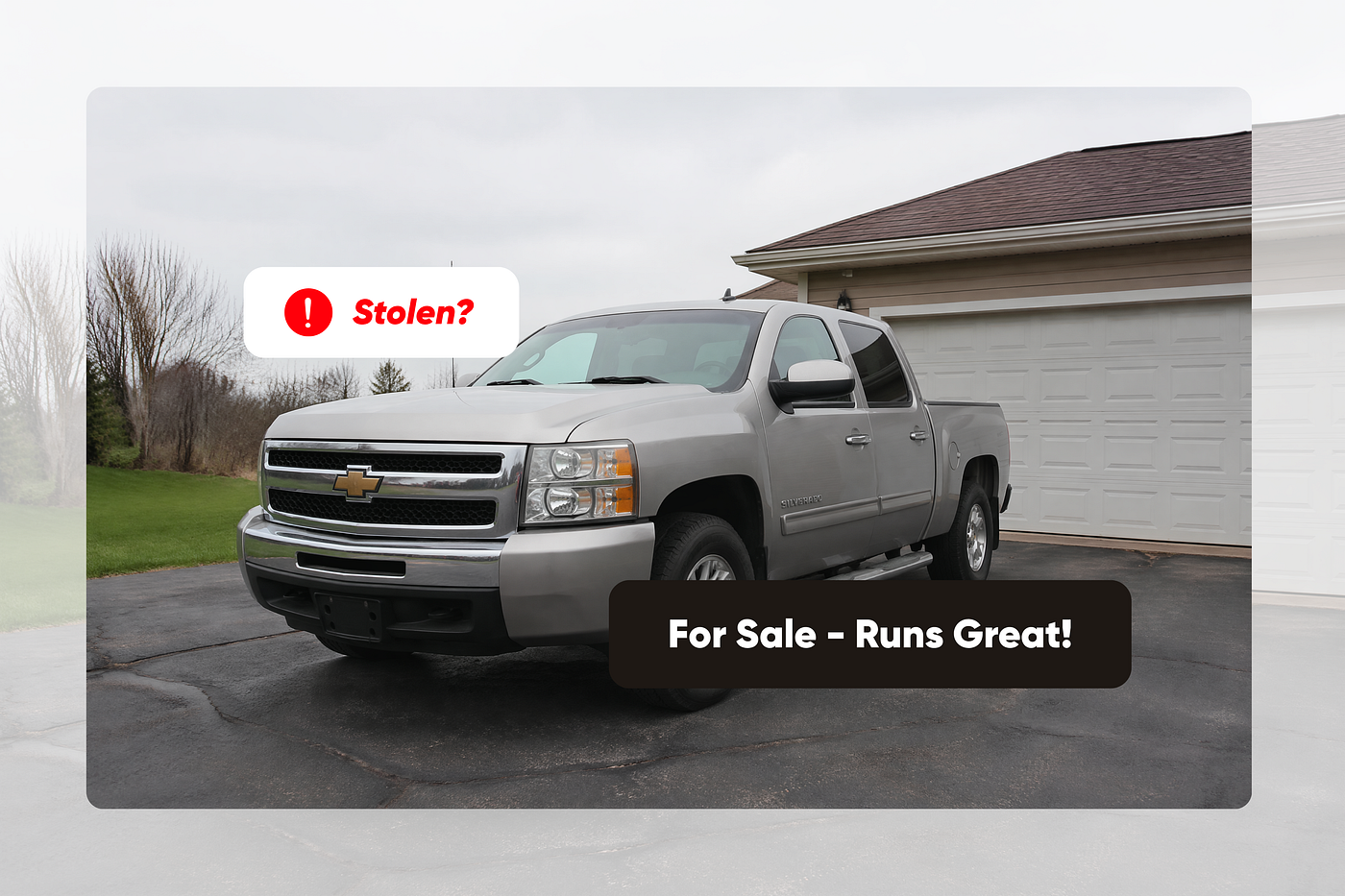
That same problem scales all the way down to a $500 deposit on a used Model 3. The seller is the party with the most to lose if the car has a history. The seller is also the only one telling you it doesn’t. “Never been in an accident. Clean title. One owner.” - you’re reading those words the same way the public is reading Tesla’s logs: trusting the interested party’s summary of a record you’ve never actually seen.
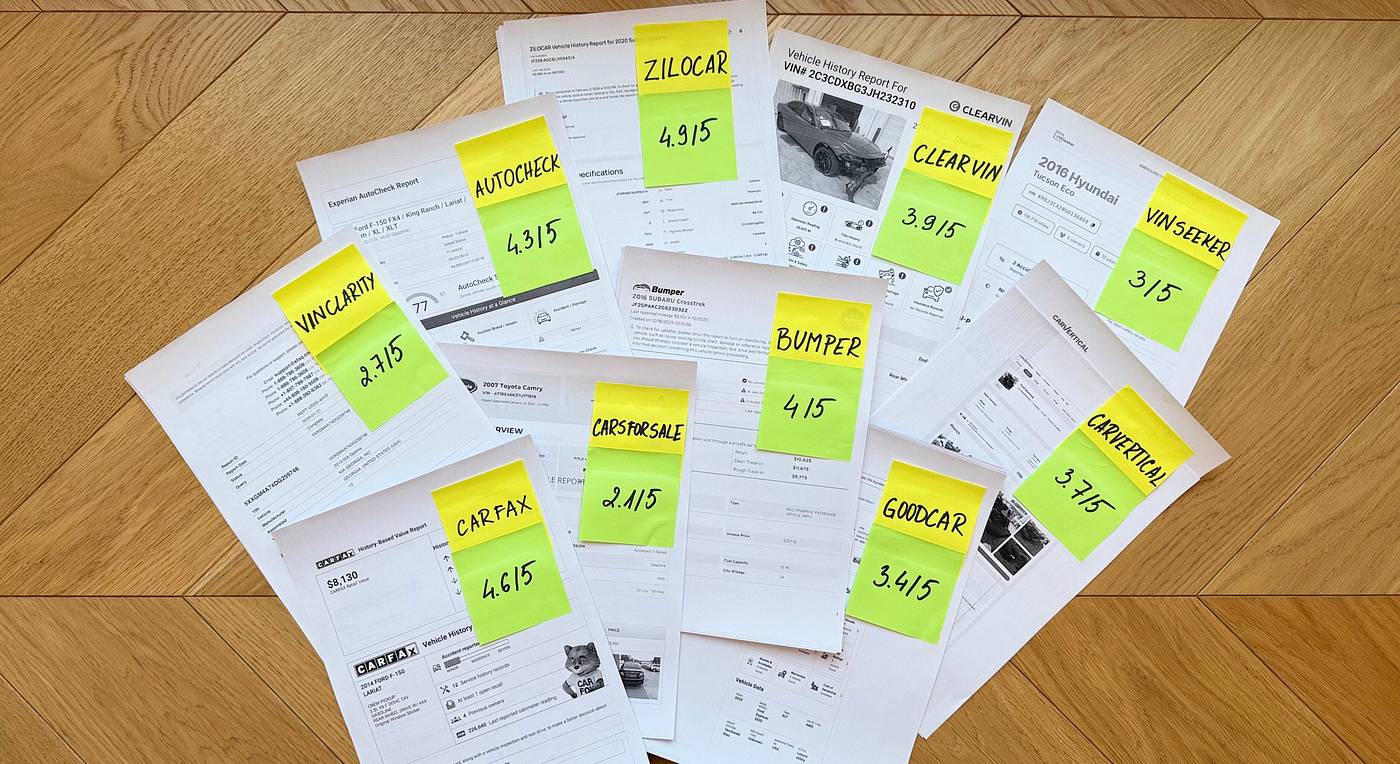
You don’t need a federal subpoena to fix that. You need the car’s receipt instead of the seller’s story. Every car carries a 17-character VIN, and that VIN is tied to records the seller can’t edit - reported accidents and their severity, whether airbags ever deployed, salvage and junk-auction history, odometer readings that should climb in a straight line and sometimes don’t. Running that VIN through a **Zilocar vehicle-history report is the difference between believing a sentence and checking it. If you want the longer version of how to read one of these reports - and what they genuinely can and can’t tell you - I walked through it in my [guide to the best vehicle history reports.](https://bestvehiclehistoryreport.com/)**
Before you buy any used Tesla: tea leaves vs. the receipt
Here’s the same instinct that makes the Katy logs untrustworthy, turned into a buying checklist. The left column is what people actually do. The right column is the verdict.

One honest caveat, because the whole point of this piece is not overclaiming: a VIN report tells you a car’s documented history. It won’t tell you whether a specific Tesla had Autopilot engaged in some past incident, and it can’t track the Katy investigation - that’s NHTSA’s to publish. It’s the receipt for the car in front of you, not a window into a federal probe. That’s still the single most valuable thing you can pull before Saturday.
The take
The grim thing about Katy is that we may never get a version everyone trusts, because the people arguing both own a piece of the outcome. The driver wants it to be the car. The company wants it to be the driver. The only honest answer sits in a data recorder that a neutral agency hasn’t finished reading yet.
You don’t have to live like that with your own car. The whole tragedy of “he said, Tesla said” is that nobody can produce the receipt - and you can. Pull the VIN. Read the record. Then decide. Believing a stranger’s sentence is how you end up reading tea leaves about a $30,000 mistake. The receipt is one lookup away. And there’s rarely been a better time to pull it. **Used EV prices just jumped 10%, even as [used car prices had their worst month in three years](https://medium.com/best-vehicle-history-reports/you-waited-for-used-car-prices-to-drop-they-just-had-their-worst-month-in-3-years-05fceaeca2bf)** - the market’s moving fast, and a wrong call costs more than ever.
메타데이터
- post_id
- b13cbc5d6ff7
- slug
- a-tesla-drove-into-a-house-at-73-mph-the-scary-part-is-who-owns-the-memory-b13cbc5d6ff7
- url
- https://medium.com/best-vehicle-history-reports/a-tesla-drove-into-a-house-at-73-mph-the-scary-part-is-who-owns-the-memory-b13cbc5d6ff7
- canonical_url
- https://medium.com/best-vehicle-history-reports/a-tesla-drove-into-a-house-at-73-mph-the-scary-part-is-who-owns-the-memory-b13cbc5d6ff7
- author_url
- https://medium.com/@johnvinreports
- status
- ok
- fetched_at
- 2026-07-09 16:18:44