What The Egg Controversy Reveals About How Our Bodies Handle Food Cholesterol
Maybe, with this understanding, we can each decide for ourselves if eggs deserve a place on our plates.
Food Controversy
What The Egg Controversy Reveals About How Our Bodies Handle Food Cholesterol
Maybe, with this understanding, we can each decide for ourselves if eggs deserve a place on our plates.
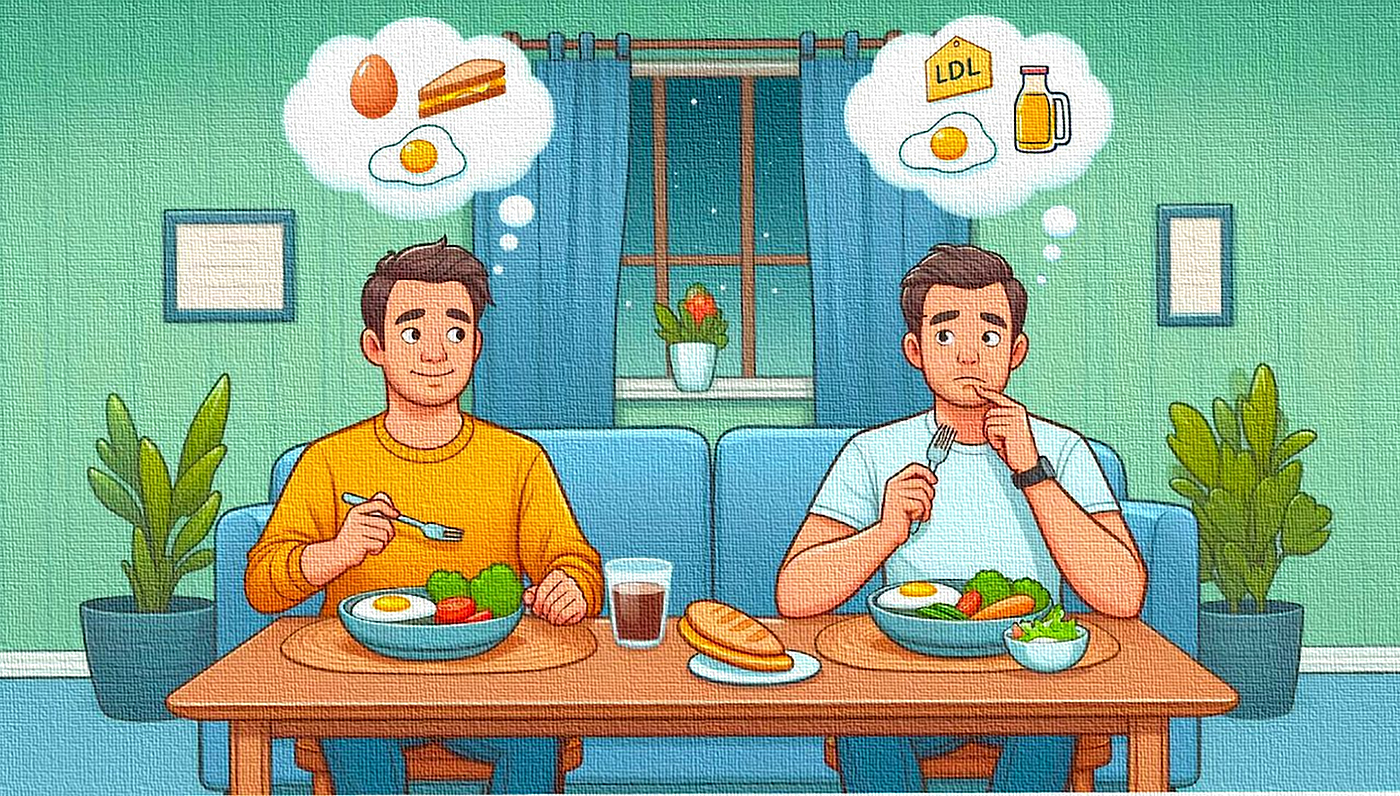
Illustration from DALL-E
During lunch with a friend one day, I noticed something unusual about his eating habits. He is usually one to clean his plate (except the corianders). This time, though, he did something different with the hard-boiled egg that came with his soup noodles — he ditched the yolk and ate the white. Curious, I asked why.
“The yolks are high in cholesterol,” he said.
The reason wasn’t new to me, but I was intrigued by how people experience egg consumption differently. Some acquaintances claimed their blood cholesterol dropped after cutting out eggs, while others ate them daily and maintained healthy blood profiles.
It made me wonder: how did eggs become dietary villains, and what does science really say about them? As I combed through the scientific literature, I found that the effects of egg consumption have always been controversial.
While I can’t say explicitly whether eggs are good or bad, I did uncover some fascinating insights into how our bodies handle cholesterol from food, which will be discussed in this article.
First, let’s explore how eggs ended up in the spotlight.
Eggs in the spotlight: The first time they became “the villain”
In 1913, Nikolai N. Anitschkow, a young Russian experimental pathologist at the Military Medical Academy in St. Petersburg, did a peculiar experiment. He fed rabbits pure cholesterol daily and monitored their arteries. Within four to eight weeks, he observed lesions forming.
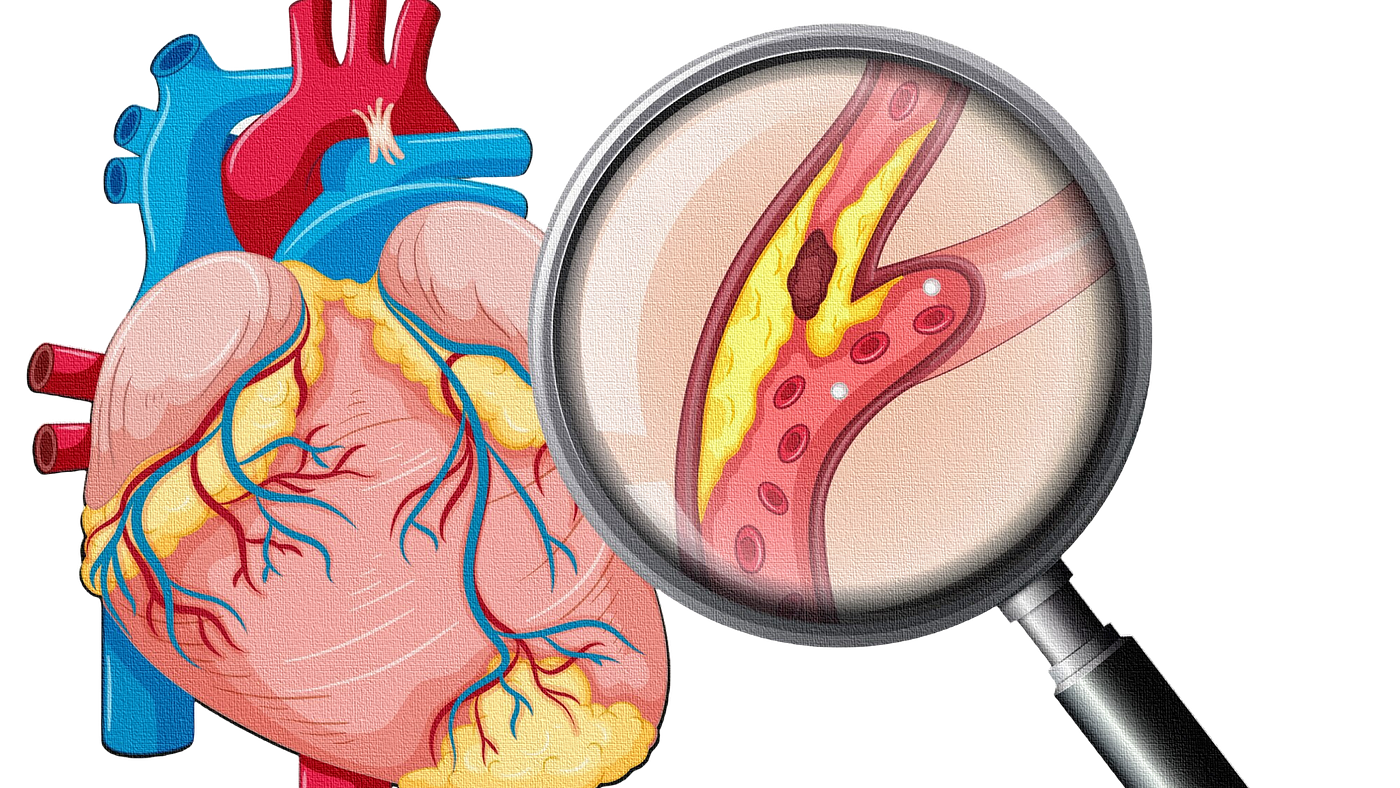
To Anitschkow, these lesions looked familiar — they resembled those found in humans with atherosclerosis, the artery-clogging condition linked to heart attacks and strokes.
Anitschkow’s experiment was an inspiration from Ignatowski’s 1909 research. Ignatowski had believed that excess proteins were toxic and sought to prove it by feeding rabbits large quantities of meat, eggs, and milk. The outcome was similar to Anitschkow’s observation: the rabbits developed arterial lesions that resembled those found in humans with atherosclerosis.
But Anitschkow’s findings pointed to a different culprit. It wasn’t the proteins causing the lesions; it was the cholesterol from the egg yolks — the source of the pure cholesterol used in his experiment— that triggered the damage.
Now, what can a single rabbit study tell us about human health? After all, it seems implausible that force-feeding herbivorous rabbits with immensely high levels of pure cholesterol (500–1000 mg/dl) could be relevant to humans.
But, when viewed alongside other studies, the idea gains traction. For example:
- The 1910 Windaus paper showed that atherosclerosis patients had much more cholesterol in their aortas than healthy people.
- The 1950 study, where Gofman and colleagues successfully extracted cholesterols from human blood.
- The 1961 Framingham heart study established high cholesterol levels as risk factors for cardiovascular disease.
(Cardiovascular disease (CVD) means any disease affecting the heart or blood vessels. This includes clogged arteries, stroke, heart attack, and heart failure).
At the time, the evidence was compelling enough to drive significant changes. By 1968, the American Heart Association (AHA) recommended limiting dietary cholesterol to less than 300 mg per day and, along with that, eating no more than two or three whole eggs per week.
This advice instilled a lasting fear of eggs in society. Even when the AHA later revised its guidelines to be more favorable towards egg consumption, the damage had already been done.
The Egg Conundrum
Egg yolks are packed with cholesterol — a large egg (50 g) contains about 186 mg. Looking only at the numbers, that’s more than half the daily recommended limit of 300 mg, all from just one egg.
Yet, real-world examples tell a different story. Take the “egg man,” an 88-year-old who ate 25 eggs daily for over 15 years. Despite what we’d expect, his arteries weren’t clogged. Instead, he maintained normal cholesterol levels and showed no signs of atherosclerosis or heart disease.
But that doesn’t automatically put eggs in the safe spot. Studies that track people’s egg consumption and its link to CVD have shown highly conflicting results.
For example, a 2019 study from Northwestern University, which analyzed data from over 29,000 people in the U.S., found that eating an extra half egg per day raises the risk of CVD by 6%.
Conversely, a 2020 Harvard study of more than 215,000 healthcare professionals over 32 years revealed that consuming one egg a day does not increase CVD risks.
As Riyaz Patel, a consultant cardiologist at University College London, aptly summarized in a statement to CNN:
“Despite many years of research this question about eggs and health has not been answered, with multiple observational studies over the last few decades showing conflicting results — some suggesting moderate egg intake is good, while others suggesting it may be bad.”
Even studies assessing how cholesterol-rich diets affect blood cholesterol levels can’t agree on whether they contribute to CVD.
Clearly, science isn’t always straightforward, and our bodies are more complex than we might think. But, as more studies emerge, one fact about our body becomes clear: not all cholesterol from food enters our bloodstream.
Insight #1: Not all dietary cholesterol reaches the blood
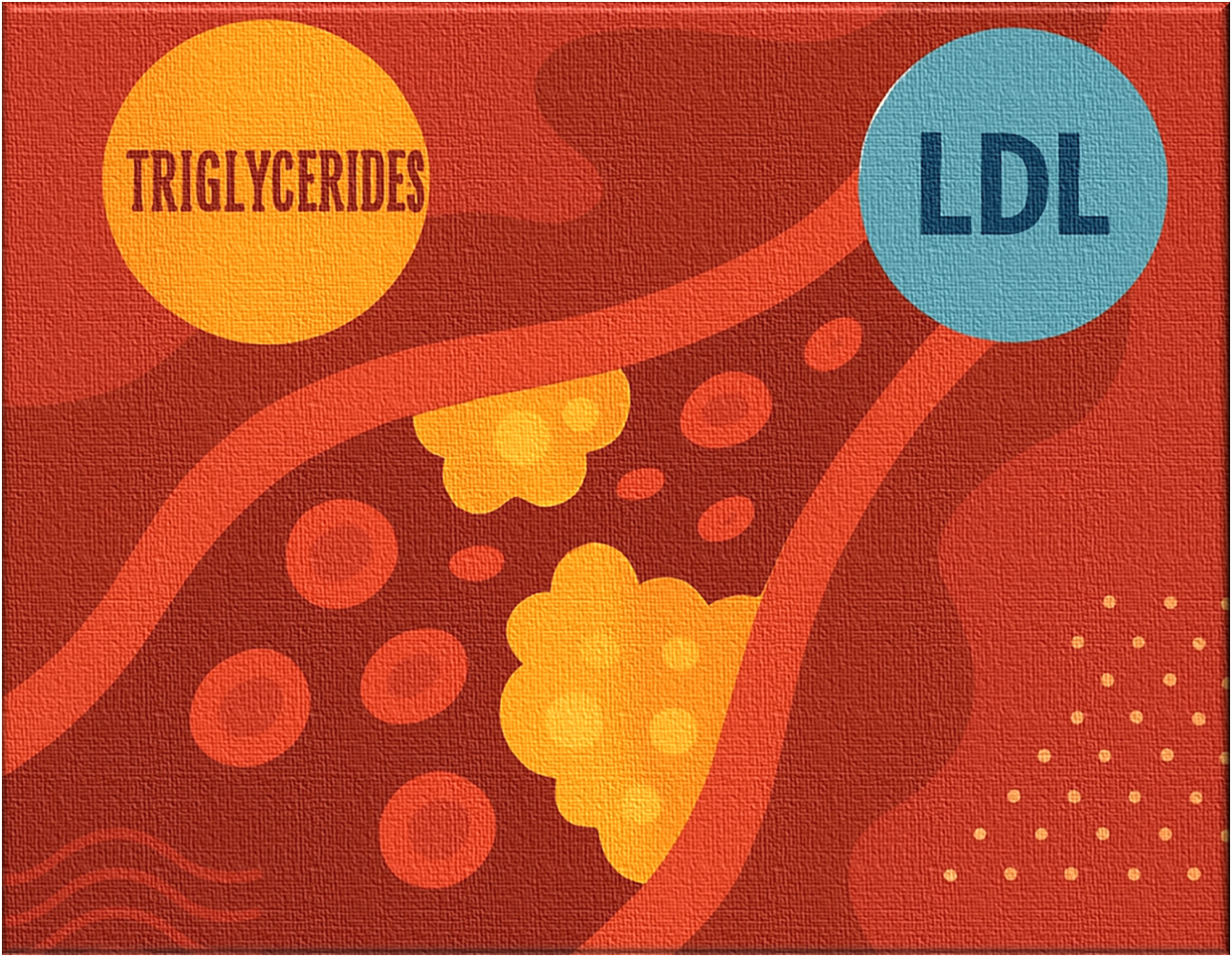
LDL (short for low-density lipoprotein), or ‘bad’ cholesterol, is known for contributing to heart disease. These tiny particles, packed with mainly cholesterol, move through the bloodstream and deliver cholesterol to cells, where it helps build cell structures, hormones, and vitamin D.
Usually, LDLs that have made their rounds return to the liver for disposal. Although, sometimes, they stick to artery walls and penetrate the inner lining. Once there, LDLs can undergo a chemical change (i.e., oxidization). This change raises the risk of plaque buildup and contributes to atherosclerosis.
While it was once thought that eating more cholesterol would directly increase LDL levels in the blood, studies have revealed that our bodies don’t absorb all the cholesterol from food.
The egg man, for instance, absorbed only 18% of the cholesterol he ate. In a broader population, though, the absorption rates vary widely, from 29% to 80%.
What drives this wide range in cholesterol absorption? It’s still a bit of a mystery. Of course, genetics play a significant role — factors like ethnicity and genetic disorders can tip the scales one way or another.
But how we eat our eggs can contribute to how much cholesterol is absorbed, too. For instance, one study gave 20 men (aged 21 to 33) two diets with differing fat contents: one high in polyunsaturated fats and low in saturated fats, and the other high in saturated fats and low in polyunsaturated fats. Each of these diets contains 300 mg of cholesterol.
The men then ate 750 mg (3 eggs) or 1,500 mg (6 eggs) of cholesterol in addition to their diet. Results showed that adding 750 mg of cholesterol to the high-saturated-fat diet raised LDL by 115% while doubling it to 1,500 mg increased LDL by 125%.
Interestingly, when the same amounts of cholesterol were consumed in addition to a high-polyunsaturated-fat diet, LDL levels didn’t change.
According to the USDA, eating patterns involve various interacting food components, and their impact on health is linked to the overall pattern, and “not necessarily to an isolated aspect of the diet.”
Notably, “The major food components that raise LDL cholesterol are saturated fatty acids, trans-unsaturated fatty acids, and, to a lesser extent, cholesterol,” the AHA remarked.
Put simply, eating one large egg doesn’t directly translate to 186 mg of cholesterol in your blood. And pairing eggs with bacon is more likely to raise LDL cholesterol levels than eating eggs alone or with a salad.
But still, scientists didn’t let eggs off the hook just yet.
“The assertion that eggs…do not raise fasting serum cholesterol levels by much is mostly true. However, the conclusion that it is therefore, safe to consume them is misleading,” J. David Spence and colleagues wrote in a commentary published in the Journal of the American Heart Association.
J. David Spence, professor emeritus at the University of Western Ontario and a leading expert in stroke prevention research, has raised a different concern. In his commentary, he and colleagues suggested that it might not be the cholesterol content but another component in the yolk that could influence CVD risk.
Insight #2: It may not be cholesterol but the yolk’s other component contributing to cardiovascular issues. And gut bacteria play a role.
Spence et al. argued that the potential harm from eggs stems not from cholesterol but high levels of phosphatidylcholine in the yolk. This effect, observed hours after eating, is linked to interactions with our gut bacteria.
What is phosphatidylcholine?
Choline, an essential nutrient, is crucial for brain function, including mood, memory, and muscle control. It also helps form cell membranes, which maintain their structure. Choline is primarily obtained through diet or supplements. Eggs are a top source, providing choline mainly as phosphatidylcholine, a form of choline bound with fats and minerals.
The proposed theory is that when choline from food reaches the intestine, gut bacteria convert it into trimethylamine (TMA). This TMA is then absorbed into the liver, where it is oxidized into trimethylamine N-oxide (TMAO) (Figure 1).
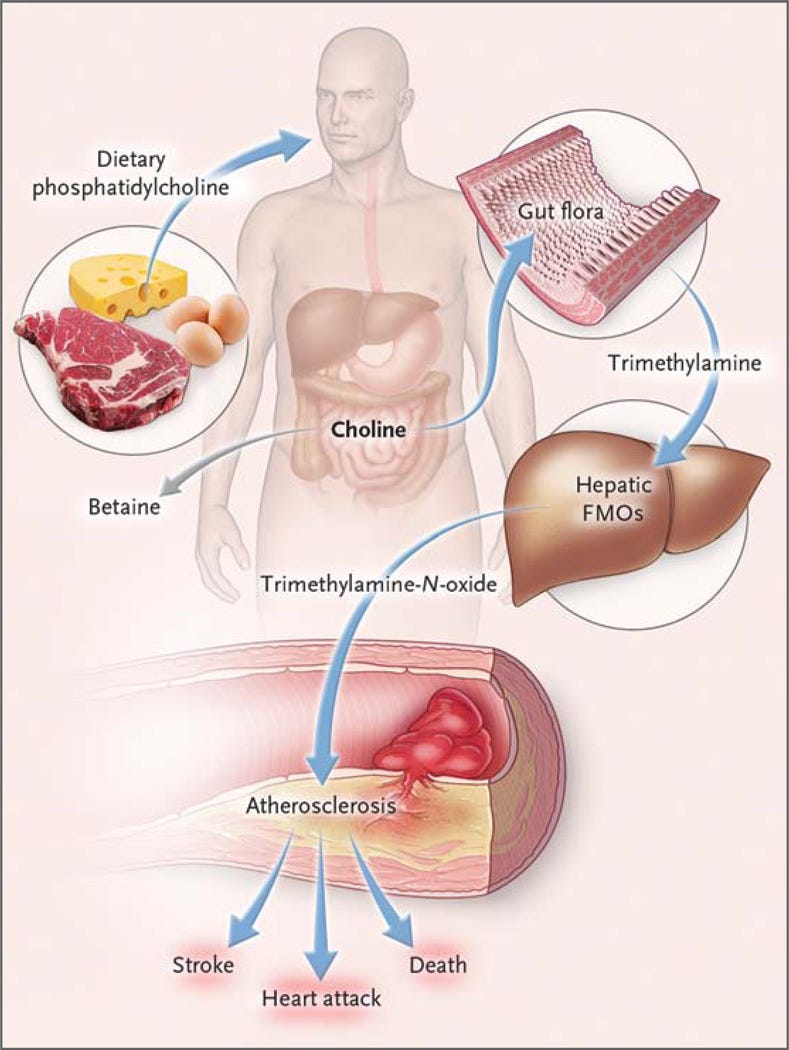
Figure 1. Illustration of the proposed conversion of phosphatidylcholine from food to TMAO, which contributes to CVD. Source: Tang et al., 2013
And this is where the problem begins.
In animal studies, TMAO in the blood of mice fed with a diet containing choline or TMAO promotes atherosclerosis. In humans, observational studies tracking 4,007 people for three years after a heart scan found that those who later suffered heart attacks, strokes, or died had significantly higher initial TMAO levels in their blood.
That said, before jumping to conclusions about choline’s effects, this theory needs much more research to back it up.
First, despite the link between high blood TMAO levels and adverse outcomes, this study cannot prove that TMAO directly causes CVD or death, as many uncontrolled factors could influence the outcome.
For instance, those who experienced these outcomes also had poorer kidney function. Since TMAO is typically cleared through urine, higher blood levels might suggest that the kidneys aren’t effectively clearing it due to underlying health issues rather than TMAO being the direct cause of atherosclerosis.
It’s also important to note that these individuals started with higher risk factors, including older age, elevated blood sugar levels, and a history of diabetes, high blood pressure, or previous heart attacks.
Hence, this association can, at best, suggest two possibilities:
- TMAO directly contributes to atherosclerosis.
- TMAO doesn’t directly cause atherosclerosis but instead signals an increased risk of CVD.
Plus, if TMAO indeed raises the risk of heart disease, we’d expect to see an association between certain fish consumption and cardiovascular issues. This is because fish, including cod and wild salmon, are abundant with TMAO, which they use to survive deep-sea pressure. Yet, relevant research has not identified such an association. In fact, one study showed that eating fish high in TMAO only briefly raises blood TMAO levels, at least in individuals with normal kidney functions.
Secondly, as with cholesterol absorption, not all choline from eggs turns into TMAO. Research revealed that only 11–15% of dietary choline is converted. This conversion can vary due to genetics and the individual composition of gut bacteria, which differ from person to person.
Overall, eggs, like any other food, shouldn’t be labeled as simply good or bad; it really depends on how we consume them and how our body reacts.
Having said that, despite their modest effect on most people, eggs could be less well-tolerated in those with type 2 diabetes.
Insight #3: Eggs May Not Be Well-Tolerated in Type 2 Diabetes
A study of 1,013 Greek diabetics who had an average of 8 years with the condition and were tracked for 4.5 years, found that eating 40 grams of eggs daily was associated with more than a five-fold increase in CVD risk. Importantly, these participants had no concurrent diseases like cancer and maintained a relatively healthy diet.
This finding aligns with a Harvard study of 5,672 diabetic women tracked over 18 years, which also showed that higher cholesterol diets, especially when paired with saturated fats, significantly increase the risk of CVD.
Though both studies are observational and can’t prove cause-and-effect, it’s worth being cautious, considering that 72%–85% of those with type 2 diabetes have abnormal lipid metabolism. That is, they digest fat (including cholesterol) differently compared to non-diabetics, which puts them at a relatively higher risk of CVD or related deaths.
To close
Eggs are undoubtedly a practical food choice; they are versatile, tasty, nutritious, and budget-friendly. But, the ongoing debate about their health benefits and risks leaves us uncertain about their role in our diet.
While research continues to raise more questions than answers, it does offer valuable insights into how our bodies process dietary cholesterol. While I’m not a nutrition expert, I hope this article helps you make an informed decision about whether eggs should be part of your diet. Let me know what you think in the comments.
In the meantime, “eggs can be eaten in moderation as part of a balanced diet, unless they have been advised not to for a specific medical or dietary reason,” Riyaz Patel suggested.
Thank you for making it this far. If you enjoy my work, subscribe to my Medium email list here. You can also tip me below, and I will greatly appreciate the financial support.
메타데이터
- post_id
- b1815dec4fd7
- slug
- what-the-egg-controversy-reveals-about-how-our-bodies-handle-food-cholesterol-b1815dec4fd7
- url
- https://medium.com/the-microscope/what-the-egg-controversy-reveals-about-how-our-bodies-handle-food-cholesterol-b1815dec4fd7
- canonical_url
- https://medium.com/the-microscope/what-the-egg-controversy-reveals-about-how-our-bodies-handle-food-cholesterol-b1815dec4fd7
- author_url
- https://medium.com/@stephaniejql
- status
- ok
- fetched_at
- 2026-06-24 18:57:25