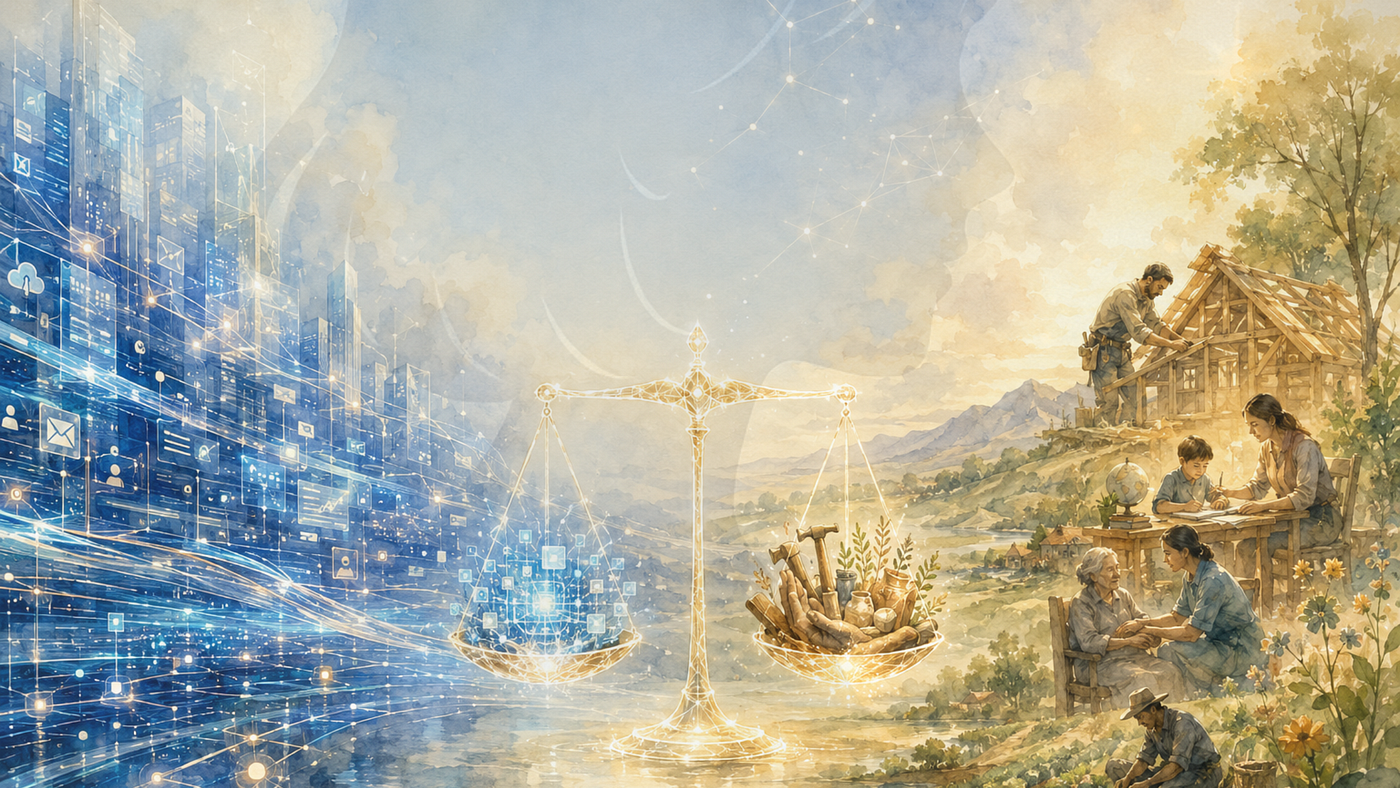
The Border Between Two Sorrows
A Family Story Beyond Borders
The Border Between Two Sorrows
A Family Story Beyond Borders
Recently, I heard a story from a relative in my family.
He currently lives in the United Kingdom.
The reasons he left his homeland are complicated. But one thing is certain: if he returns, he could be drawn into a war.
Then his mother passed away.
And yet, he could not go home.
He could not attend her funeral.
He could not say goodbye.
Beyond the border, there was a war.
Since hearing this story, I have found myself thinking about it again and again.
Whenever we discuss war, we often talk about nations, governments, military strategies, diplomacy, and politics.
Those things matter.
But behind every conflict are individual lives.
Someone’s mother.
Someone’s son.
Someone’s family.
My family has relatives with roots in Hungary, Russia, and Ukraine.
Perhaps that is why, when I hear discussions about war, I find myself thinking less about who is right and who is wrong, and more about the families who are being separated.
My husband grew up in Hungary.
His family has lived through changing borders, shifting governments, and the long shadows of history.
On a map, a border appears to be just a line.
In reality, families often exist on both sides of that line.
Relatives live there.
Friends live there.
Memories live there.
War does not happen only on maps.
It happens at kitchen tables.
It happens in family photographs.
It happens inside the lives of ordinary people.
As a Japanese, I am not completely disconnected from the wounds of war.
My own family lost a loved one during World War II.
My great-uncle never returned home from the Pacific Ocean.
Different countries.
Different generations.
Different histories.
And yet the grief left behind feels remarkably similar.
Wars may eventually end.
But their echoes often remain inside families for generations.
I am not a political expert.
I do not pretend to have simple answers to complex questions of economics, diplomacy, or national security.
Nations have their own histories.
Governments have their own responsibilities.
Reality is rarely simple.
Yet there is one thing I have come to understand.
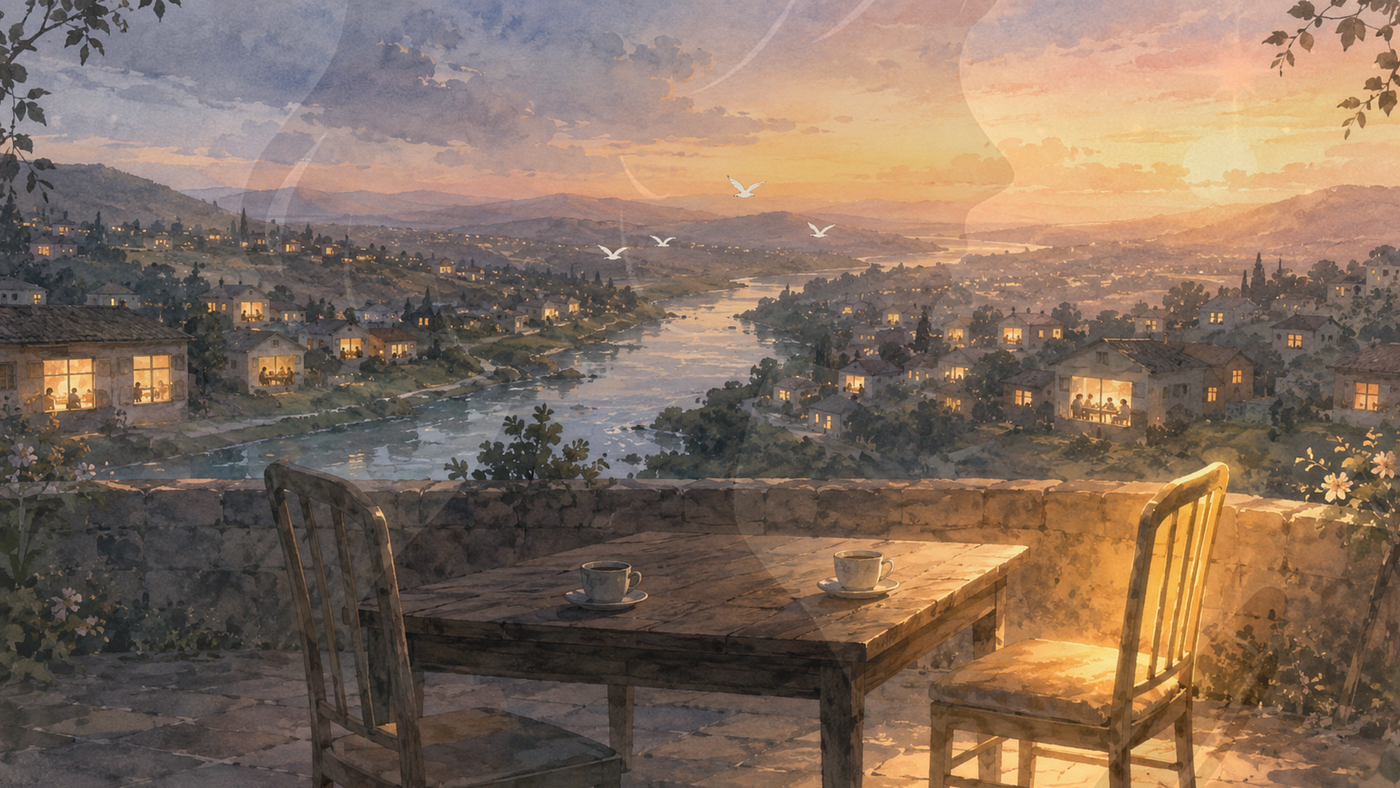
Sharing tea with family is not something to take for granted.
Eating together is not something to take for granted.
Laughing together is not something to take for granted.
Peace is often discussed as something large and distant.
But perhaps peace is much smaller than that.
Perhaps peace is being able to visit your mother.
Perhaps peace is being able to hold your child.
Perhaps peace is being able to return home.
Perhaps peace is simply sitting around the same table with the people you love.
Whenever I think of that relative, I find myself making a quiet wish.
May those who have been separated by war one day sit together again.
May families divided by borders find their way back to one another.
May we remember that beyond every border, there are people who love, grieve, hope, and belong to someone.
Perhaps peace does not begin between nations.
Perhaps it begins when we remember our shared humanity.
And perhaps that is where healing begins.
메타데이터
- post_id
- b190a2bb3620
- slug
- the-border-between-two-sorrows-b190a2bb3620
- url
- https://medium.com/aqua-publication/the-border-between-two-sorrows-b190a2bb3620
- canonical_url
- https://medium.com/aqua-publication/the-border-between-two-sorrows-b190a2bb3620
- author_url
- https://medium.com/@mama.to.aqua.shop
- status
- ok
- fetched_at
- 2026-06-13 07:35:29