IGCSE to IAS Physics: A Clear Roadmap for Academic Success
Master the transition from foundational IGCSE concepts to advanced IAS Physics. Learn how to align your syllabus, and ace your exams.
IGCSE to IAS Physics: A Clear Roadmap for Academic Success
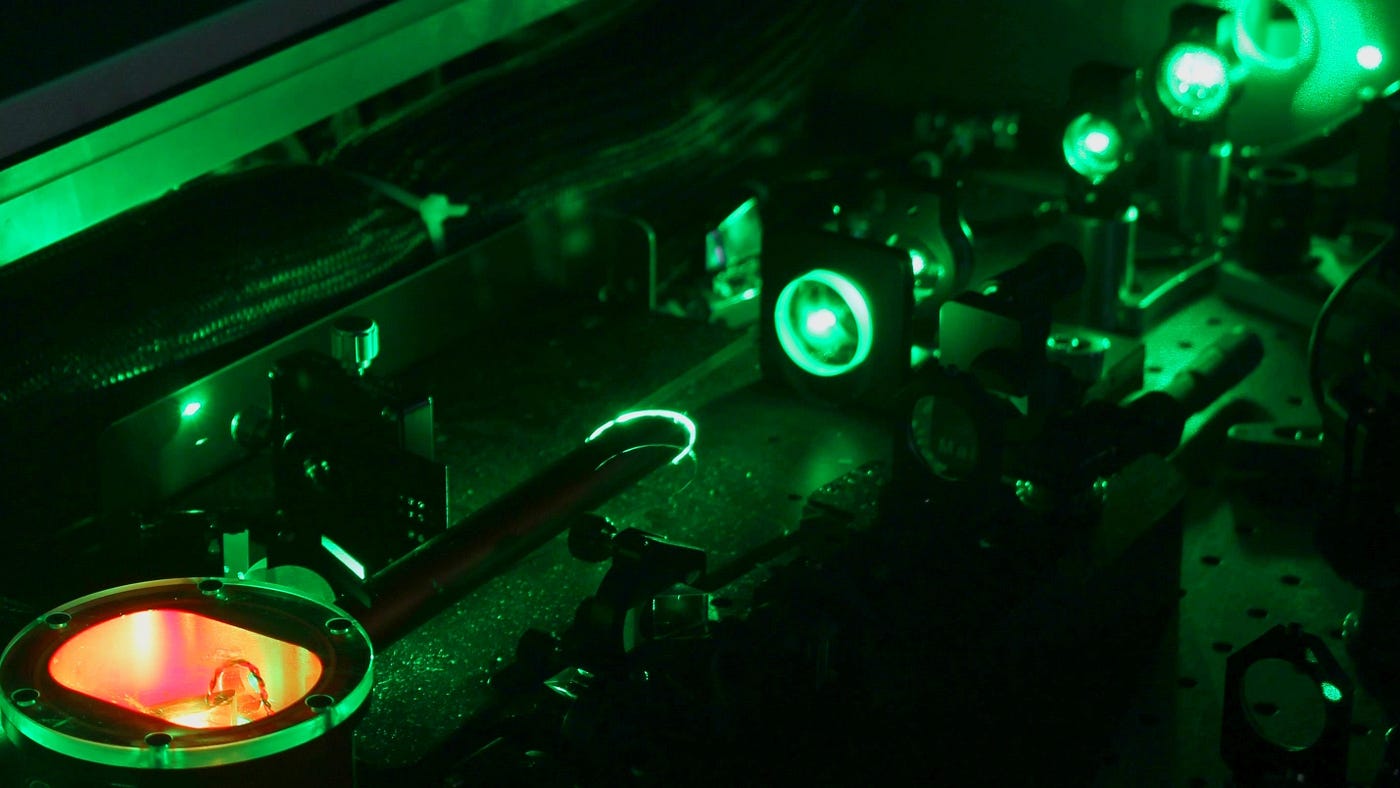
Photo by Brecht Corbeel on Unsplash
Physics after IGCSE can feel like standing at a crossroads. Should you stick with it? Ditch it? Or dive into advanced levels like IAS? Many students freeze here, unsure how to bridge the gap between foundational concepts and exam-ready mastery.
The truth is that physics is about curiosity, problem-solving, and building a better future.
Let’s simplify this journey.
Why Physics After IGCSE? Your Foundation Matters
You’ve mastered IGCSE Physics. Now what? Here’s the truth: your current knowledge is a foundation, not a finish line.
IAS Physics demands deeper thinking, sharper math skills, and a strategic mindset.
In this section, we’ll break down why IGCSE matters, what makes IAS different, and how to tackle the hurdles ahead.
Let’s start mapping your next move.
What Is IGCSE Physics?
IGCSE Physics is a globally recognized course designed to spark curiosity about how the universe works. It covers four core areas:
- Mechanics: Motion, forces, and energy.
- Waves: Light, sound, and wave behavior.
- Electricity: Circuits, power, and magnetism.
- Atomic Physics: Radioactivity, particles, and nuclear reactions.
This stage teaches you to see physics in everyday life, from calculating the speed of a bicycle to understanding why the sky is blue.
But here’s the reality: many students hit a wall after IGCSE.
They know the basics but feel unprepared to tackle advanced topics. If this sounds familiar, you’re not alone.
Why IGCSE Is Just the Starting Line
IGCSE Physics is like learning to swim in the shallow end. It gives you confidence, but the deep end — IAS Physics — requires stronger strokes.
At IAS, you’ll analyze complex systems, solve multi-step problems, and connect abstract theories to real-world applications.
For example, Newton’s Laws in IGCSE become the foundation for predicting satellite orbits in IAS.
A key difference? Depth over breadth. While IGCSE introduces concepts, IAS demands mastery. Most top IAS scorers say their IGCSE training made them resilient problem-solvers.
Think of it this way: IGCSE gives you the tools; IAS teaches you how to build with them.
Common Challenges Students Face
Transitioning from IGCSE to advanced physics isn’t easy. Three hurdles trip up even the brightest students:
- Math-phobia: Physics relies on equations. If rearranging formulas or graphing data feels intimidating, start small. Practice daily with basic algebra drills
- Abstract Concepts: Topics like quantum physics or electromagnetic induction aren’t tangible. Use simulations (e.g., PhET Interactive) to visualize them.
- Exam Anxiety: IAS exams test critical thinking, not just memory. Many panic when faced with unfamiliar scenarios. Solution? Practice past papers religiously.
Step 1 — Choose Your IAS Physics Path Wisely
Choosing the right IAS Physics path is about aligning your goals with a strategy. Do you aim for engineering? Medicine? Or a career in renewable energy? Your answer shapes whether you dive into Core or Extended Physics.
Let’s cut through the noise and make this decision simple.
Core vs. Extended Syllabus — Which Fits You?
Here’s the difference in one sentence:
- Core Syllabus: Covers essential physics concepts. Ideal if you want a broad understanding without deep math.
- Extended Syllabus: Adds advanced math and problem-solving. Required for STEM-focused careers.
Think of Core as a scenic drive through physics — enjoyable, informative, but not rushed. Extended is the racecar track: fast-paced, challenging, and built for those who want to win in fields like engineering or data science.
If you’re unsure, ask yourself: Do I need physics for my future career? If yes, Extended is your lane. If not, Core keeps doors open without overwhelming you.
How to Align IAS with Your Career Goals
Physics isn’t a one-size-fits-all subject. Here’s how to match your ambitions with the right focus:
- Engineers: Prioritize mechanics, thermodynamics, and materials science. These topics form the backbone of structural, mechanical, and civil engineering.
- Medics: Atomic physics and radiation are your focus. These areas link directly to medical imaging, radiology, and pharmacology.
- Tech Innovators: Dive into electronics, quantum physics, and waves. These skills power careers in AI, robotics, and renewable energy.
Still stuck? Consider this: 70% of IAS Physics students who align their syllabus with career goals score higher.
Why? Clarity drives motivation.
Step 2 — Build Unshakeable Study Habits
Consistency beats intensity. You just need habits that stick.
In this section, we’ll tackle two pillars of success: math-physics mastery and lab confidence.
No shortcuts. Just daily routines that turn confusion into clarity.
Master the Math-Physics Connection
Physics and math are a package deal. If equations like V=IR (Ohm’s Law) make you pause, start here:
- Daily 15-Minute Math Drills: Use platforms like Khan Academy or MathsWatch to practice rearranging formulas, graphing data, and solving word problems.
- Link Math to Real Physics: Take Ohm’s Law. Plug in real numbers: “If a 12V battery powers a circuit with 3Ω resistance, current = 4A.” Repeat this until it clicks.
- Flashcards for Formulas: Write each formula on one side, a worked example on the other. Review daily.
Math is your toolkit. The more you practice, the faster you’ll decode physics problems.
Experiment Like a Pro
Lab work isn’t just about following steps — it’s about thinking like a scientist.
Here’s how to level up:
- Use PhET Simulations: These free interactive tools let you “conduct” experiments on circuits, waves, or motion without lab equipment.
- Document Everything: Record observations, sketch diagrams, and note anomalies. Example: “Why did the pendulum swing slower today?” Small details = big exam wins.
- Ask ‘What If?’ Questions: “What if I change the resistor value?” Predict outcomes before testing. This builds analytical skills.
Expert Tip: Use bullet points in your lab notebook. Messy notes = forgotten insights.
Step 3 — Ace Exams Without Burning Out
Exam prep doesn’t mean all-nighters or stress meltdowns. It’s about smart practice.
In this section, we’ll cover two game-changers: past papers and time management. Master these, and you’ll walk into your IAS exams calm, confident, and ready to score.
Past Papers — Your Secret Weapon
Past papers aren’t just practice — they’re a blueprint for success. Here’s why:
- Reveal Exam Patterns: Topics repeat. Practicing past papers shows which concepts (e.g., kinematics, circuits) appear most often.
- Train for AO2 and AO3: These assessment objectives test problem-solving and practical skills. Past papers force you to apply knowledge, not just memorize facts.
- Build Speed and Accuracy: Time yourself as students who practiced timed papers scored 15% higher.
Action Steps
- One Paper Weekly: Start with older exams, then move to recent ones.
- Review Mistakes: Highlight errors in red. Solve them again after 48 hours.
- Track Progress: Use a spreadsheet to log scores per topic. Watch weak areas turn into strengths.
Time Management Hacks
Burnout happens when you ignore limits. Here’s how to avoid it:
- Pomodoro Technique: Work 25 minutes, rest 5. After four cycles, take a 30-minute break. This keeps focus sharp.
- Batch Topics: Pair heavy topics (e.g., quantum physics) with lighter ones (e.g., waves). Balance prevents fatigue.
- Set Micro-Goals: “Today, I’ll master Ohm’s Law.” Small wins build momentum.
Expert Tip: Customize Pomodoro. If 25 minutes feels rushed, try 20+5. Find your rhythm.
Where This Journey Takes You
What you learn today shapes your future — whether you aim for engineering, tech, or a career you haven’t even imagined yet.
In this section, we’ll break down how physics opens doors and why the skills you build now matter far beyond the classroom.
Career Paths Powered by Physics
Physics isn’t a single road — it’s a network of highways. Here’s where your journey can take you:
- Engineering: Civil, mechanical, and electrical engineering all have physics as the backbone of design and innovation.
- Data Science: Analyzing trends, building AI models, and interpreting complex datasets all rely on physics-based logic.
- Renewable Energy: From solar panels to wind turbines, physics drives sustainable solutions.
- Space Research: NASA, SpaceX, and private aerospace companies seek problem-solvers who understand motion, gravity, and energy at a deep level.
Real-world example: A student who started with IGCSE Physics landed an internship at NASA after mastering orbital mechanics in IAS. Your path starts with small steps.
The Soft Skills You’ll Gain
Physics doesn’t just teach you about forces and waves. It builds skills employers actively seek :
- Critical Thinking: Breaking down problems into solvable parts.
- Resilience: Learning from mistakes, not fearing failure.
- Creativity: Finding new ways to apply concepts to real-world challenges.
Why This Roadmap Works
Here’s the story of a student who went from panic to top marks:
- IGCSE Phase: Struggled with electricity diagrams.
- IAS Phase: Used daily math drills, past papers, and lab simulations.
- Result: Scored an A*, landed a scholarship in engineering.
Conclusion
You’ve got the tools to move from confusion to clarity. Physics after IGCSE is about building a mindset. Your roadmap is simple: choose the right IAS path, master study habits, and practice exams strategically. Every step you take now strengthens your future.
Physics opens doors to careers you might not even know exist yet. Whether you dream of designing sustainable energy systems, coding AI models, or exploring space, the skills you develop — critical thinking, problem-solving, and resilience — will set you apart.
And here’s the bonus: these skills stick with you, far beyond exams.
Ready to leap from IGCSE to IAS? Enroll in our live online Physics courses today.
Small classes, expert tutors, and proven methods — plus, 1,000+ students have already turned confusion into confidence with our program.
Don’t just study physics. Master it. Start your journey today.
메타데이터
- post_id
- b1acaa65c044
- slug
- igcse-to-ias-physics-a-clear-roadmap-for-academic-success-b1acaa65c044
- url
- https://medium.com/@akbaracademy/igcse-to-ias-physics-a-clear-roadmap-for-academic-success-b1acaa65c044
- canonical_url
- https://medium.com/@akbaracademy/igcse-to-ias-physics-a-clear-roadmap-for-academic-success-b1acaa65c044
- author_url
- https://medium.com/@akbaracademy
- status
- ok
- fetched_at
- 2026-07-31 20:10:24