Footpath Diaries
By Ikra Quazi, A Mobility Champion
Footpath Diaries
By Ikra Quazi, A Mobility Champion
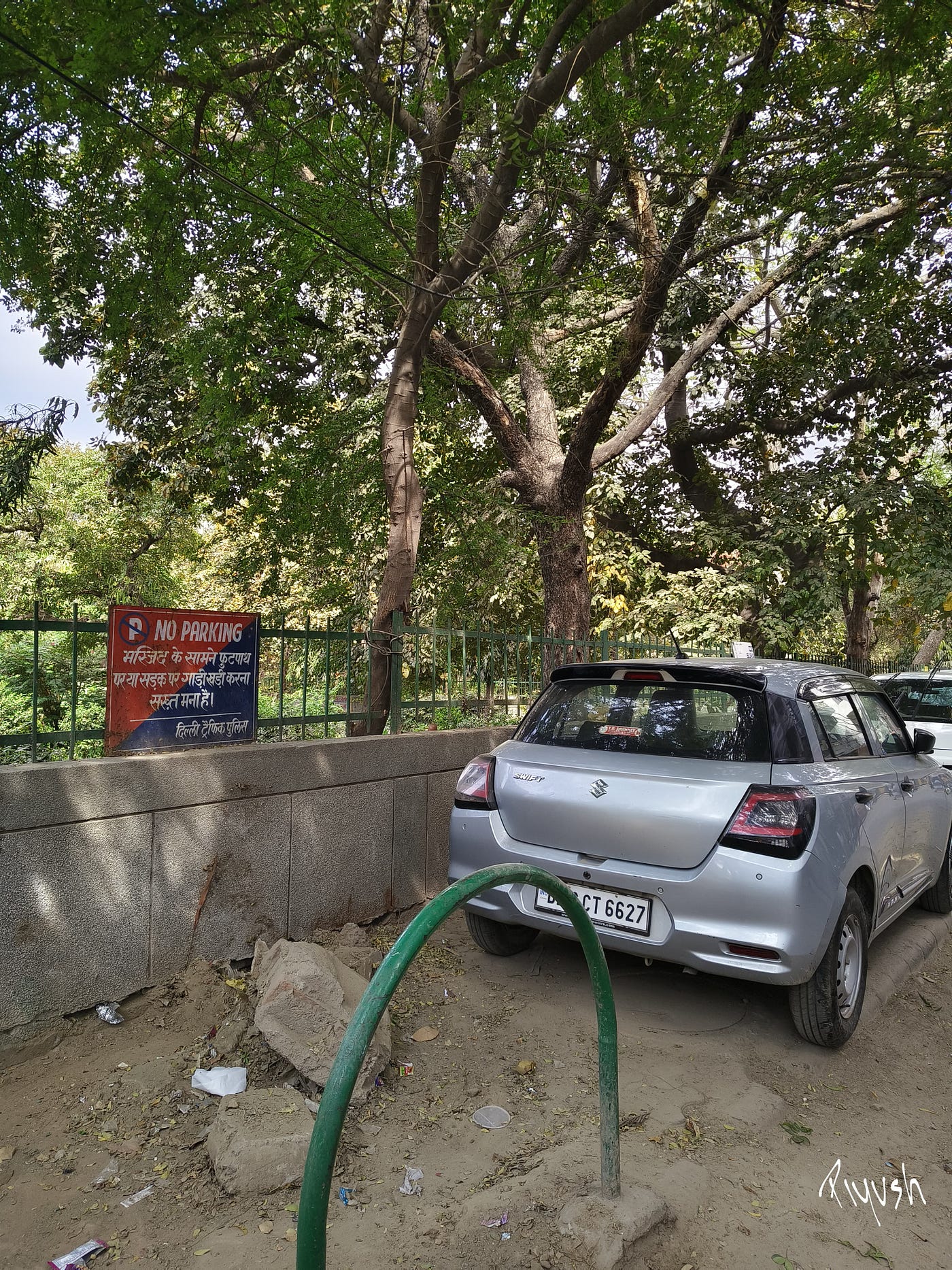
One evening, while returning home from college, I found myself stuck in the kind of traffic most city residents have learnt to tolerate. Horns echoed through the streets, vehicles squeezed into impossible spaces, and impatient two-wheelers began climbing onto the footpath to bypass the gridlock. At first, it felt like just another frustrating commute. But as I watched the chaos, I noticed something larger: the city was failing the very people who use it every day. Footpaths meant for pedestrians were occupied; crossings felt like a gamble; and people were constantly forced to shrink themselves around poorly planned spaces.
That moment was the beginning of a shift in my perspective. I had long felt that urban life was quietly excluding people, not through grand failures, but through accumulated, ordinary neglect. When I came across the Mobility Champion Fellowship, it felt less like a professional opportunity and more like a necessary direction: a structured space where that restless observation could become meaningful action. It gave me the tools to understand that mobility is about so much more than just roads and congestion. Working closely with communities helped me realise that mobility quietly shapes who gets to access the city safely and who is systematically excluded.
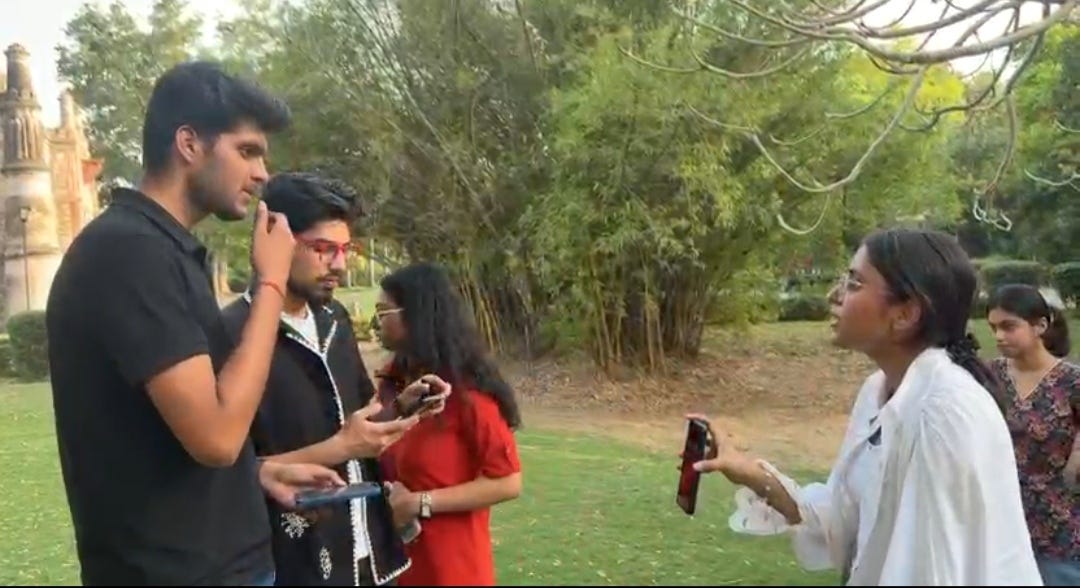
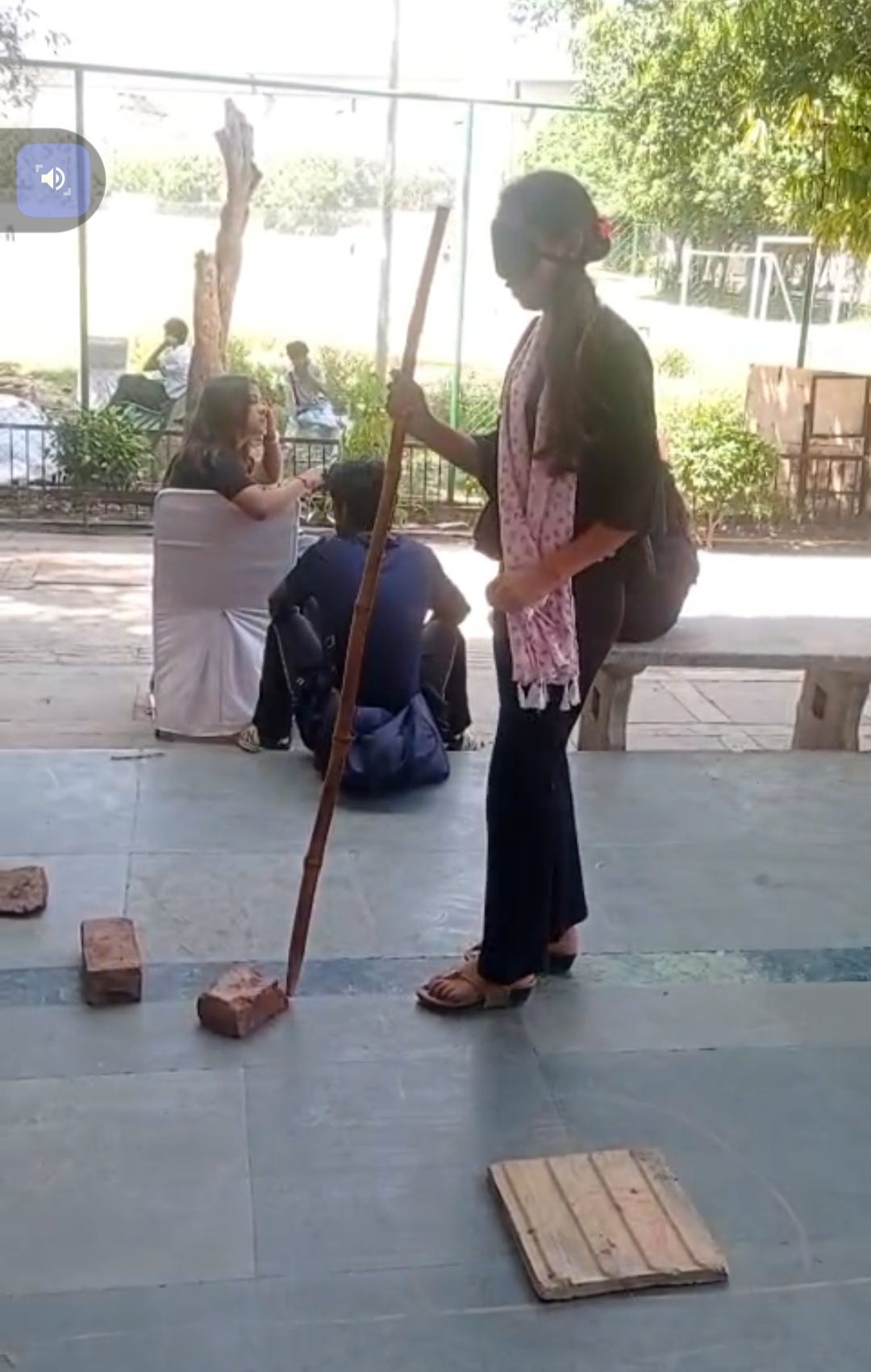
I co-led the campaign, “Let Us Walk Home Safely,” we invited people to share their experiences with unsafe streets. What stood out most wasn’t just the lack of infrastructure, but how deeply normalised the inconvenience had become. Many had simply stopped expecting better. To break this cycle of indifference, we moved beyond conversation into lived experience. We designed workshops where participants navigated public spaces while blindfolded. Suddenly, the “ordinary” act of crossing a street became a maze of uneven pavements, parked vehicles, and missing tactile paths. For the first time, people who had never questioned their surroundings began to see the invisible barriers that persons with disabilities face every single day and many left the workshop visibly shaken, speaking about the exercise long after it had ended.
We also looked for ways to make these heavy topics accessible through play. We created a mobility-themed Snake and Ladder game, where Ladders represented positive actions like respecting pedestrian zones, and Snakes symbolised illegal parking or unsafe crossings. It served as a simple but powerful reminder: our cities are shaped by the collective choices we make. Perhaps the most personal part of this journey was “Footpath Diaries,” an anonymous storytelling space. People shared raw accounts of harassment, the fear of walking at night, and the sheer exhaustion of moving through a city that treats pedestrians as an afterthought. Reading these stories made one thing clear: mobility is deeply personal.

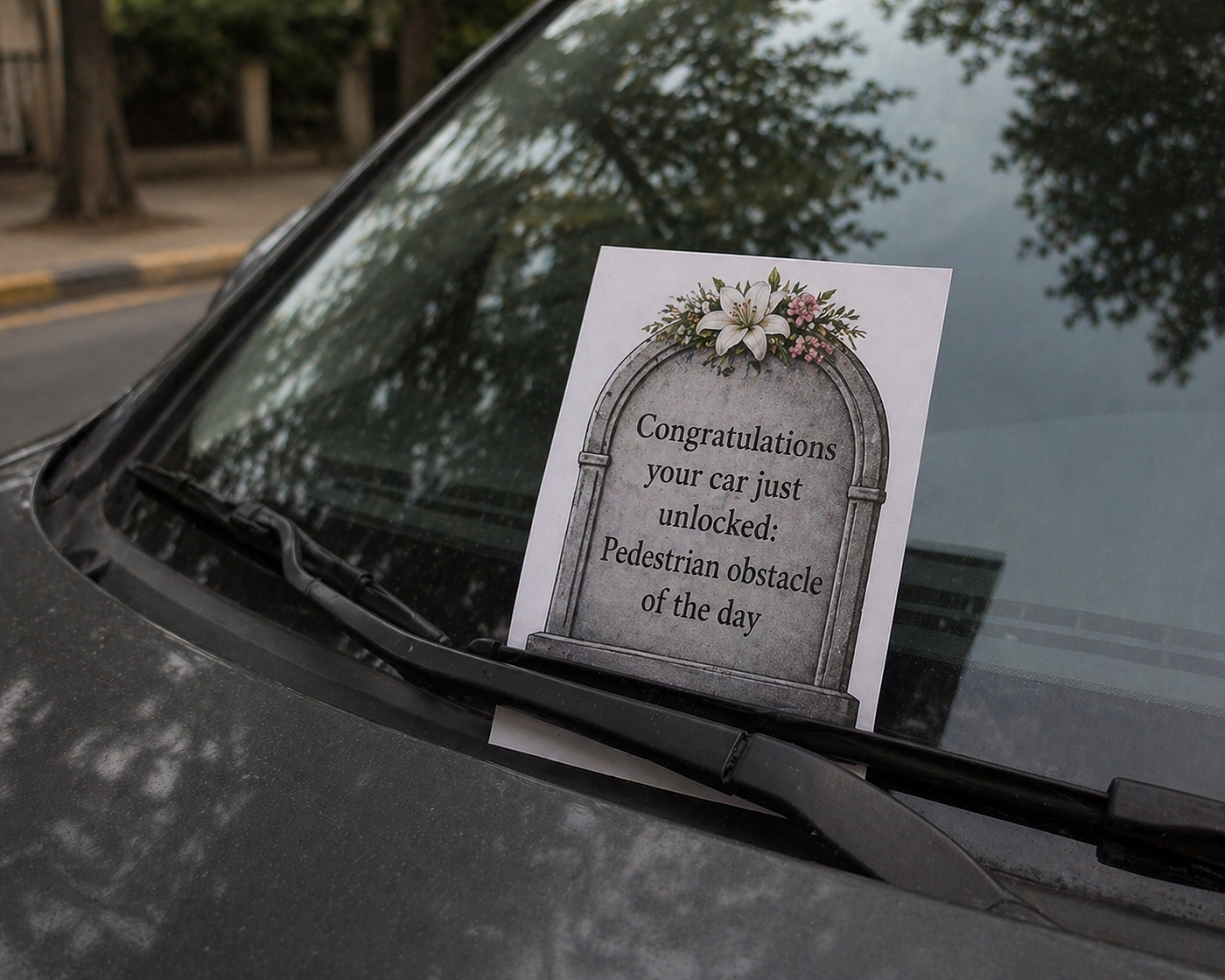
One of our most creative responses involved addressing illegal parking directly. Instead of aggressive confrontation, we placed sarcastic slips on vehicles parked on footpaths. Using humor and irony, we encouraged drivers to reflect on their impact. The reactions were exactly what we had hoped for: some laughed, some felt embarrassed, and many stopped to talk to us about pedestrian rights. It taught me that awareness doesn’t always need a megaphone; sometimes, a well-placed note can open a closed mind.
This journey, shaped by the Mobility Champion Fellowship, has reshaped my understanding of urban life. Mobility is not just about transport systems; it is a question of whether a person can walk home safely, whether public spaces welcome everyone equally, and whether cities are designed with empathy at their core. A city becomes truly mobile not when traffic moves faster, but when every individual, regardless of age, gender, or ability, can move through it with safety, dignity, and a sense of belonging.
메타데이터
- post_id
- b1b6e9101451
- slug
- footpath-diaries-b1b6e9101451
- url
- https://medium.com/@quazikra/footpath-diaries-b1b6e9101451
- canonical_url
- https://medium.com/@quazikra/footpath-diaries-b1b6e9101451
- author_url
- https://medium.com/@quazikra
- status
- ok
- fetched_at
- 2026-06-09 15:37:30