UK’s Under-16 Social Media Ban: A Bold Move With Big Questions Ahead
The UK government has announced one of the most ambitious online safety policies in the world: a ban on social media access for children…
UK’s Under-16 Social Media Ban: A Bold Move With Big Questions Ahead
The UK government has announced one of the most ambitious online safety policies in the world: a ban on social media access for children under the age of 16.
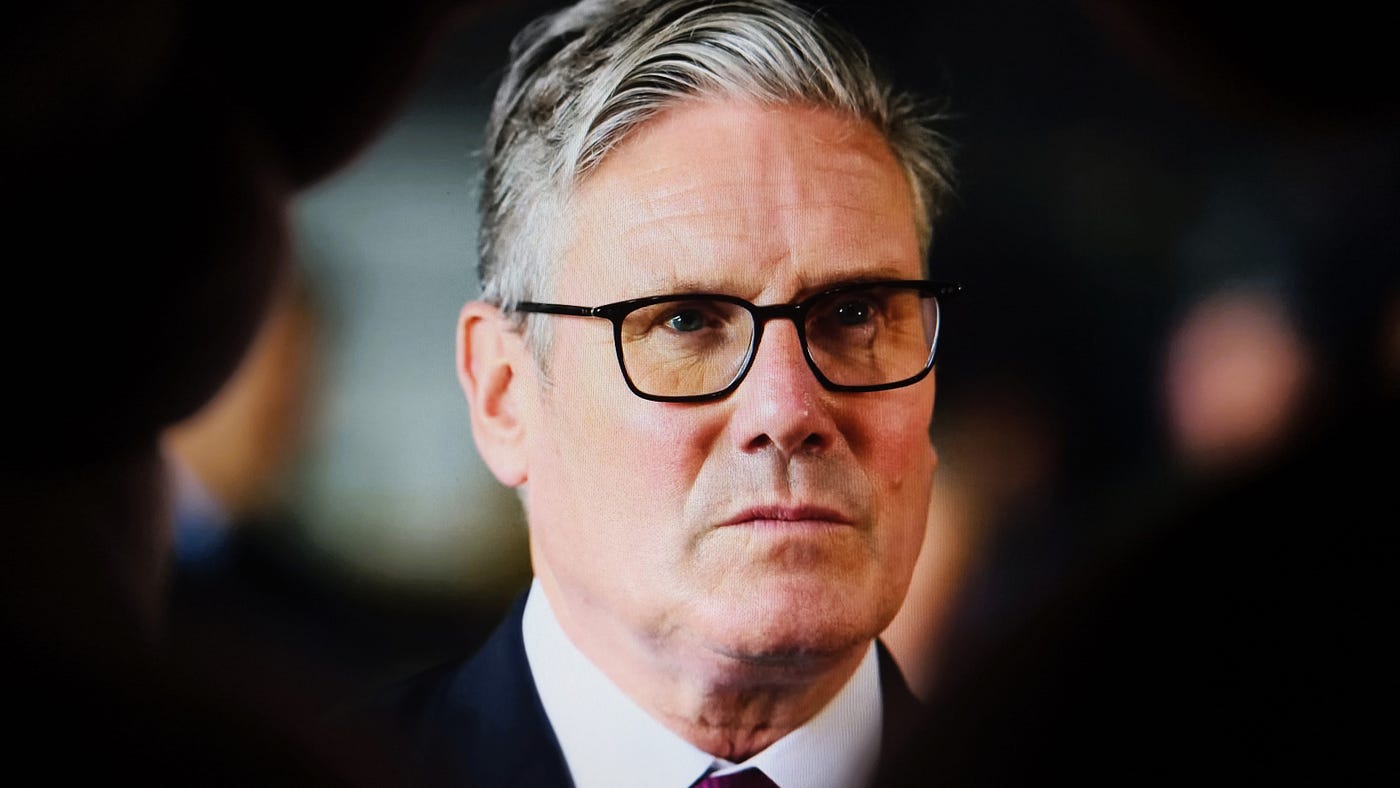
Prime Minister Keir Starmer described the measure as a necessary intervention to protect young people from online harms, arguing that technology companies have had years to make their platforms safer but have failed to do enough. Supporters see it as a landmark moment for child protection. Critics, however, question whether the policy will achieve its goals and warn of unintended consequences.
What Is Changing?
Under the proposed rules, children under 16 will be prevented from accessing major social media platforms including TikTok, Instagram, Facebook, Snapchat, X, and YouTube.
The government is also introducing additional restrictions that go beyond a simple social media ban. Livestreaming services and features that allow communication with strangers will be blocked for under-16s across a wider range of online platforms, including some gaming services.

Valentina Shilkina / Shutterstock
For teenagers aged 16 and 17, restrictions are expected to remain in place by default. Ministers are also considering measures such as overnight social media curfews and limits on endless scrolling features that encourage prolonged screen time.
The government hopes the new rules will come into force by spring 2027.
Why Is the Government Taking Action?
Ministers argue that social media can expose children to harmful content, cyberbullying, exploitation, and addictive design features that encourage excessive use.
The decision follows a major public consultation that attracted more than 116,000 responses. According to government figures, the overwhelming majority of parents who participated supported stronger protections for children online.
FotoField / Shutterstock
Starmer has framed the policy as a choice between protecting children and allowing technology companies to continue operating under the current system.
For many parents who feel overwhelmed by the pace of digital change, the announcement is likely to be welcomed as a clear and decisive response.
The Challenge of Enforcement
The biggest question is not whether the ban will happen, but whether it can be effectively enforced.
Australia introduced a similar ban, and early reports suggest many young users have continued accessing social media through existing accounts, inaccurate age declarations, or technical workarounds.
The UK government says it wants to learn from those experiences and create stronger age-verification systems.
Potential methods include facial age estimation technology, digital identification systems, banking information checks, and other forms of age assurance already being used under existing online safety regulations.

ImageFlow / Shutterstock
However, these solutions raise concerns about privacy, accuracy, and the amount of personal information that platforms may need to collect.
Technology companies also face a tight timeline to develop and implement systems capable of enforcing the new rules.
A Debate Beyond Technology
While few disagree that children need better protection online, not everyone believes a ban is the right solution.
Some experts argue that harmful online behaviour reflects broader social issues that cannot be solved simply by restricting access to technology. They suggest that education, digital literacy, parental involvement, and platform accountability should play a larger role.
Others worry that banning mainstream platforms could drive young people toward less regulated corners of the internet where safeguards are weaker and risks may be greater.
Supporters of the ban respond that no law is perfect. Just as age restrictions exist for alcohol, gambling, and other adult activities despite occasional violations, they argue that social media should not be treated differently.
What About the Benefits of Social Media?
The debate is complicated because social media is not universally harmful.
For many young people, online communities provide friendship, support, education, creativity, and access to information. Some teenagers find communities online that they cannot easily access in their local environment.
Platforms such as YouTube have become important educational resources, offering tutorials, study guides, and learning content used by millions of students.

AtGlobal / Shutterstock
Critics fear that a blanket ban may remove positive opportunities alongside harmful ones.
This tension highlights the central challenge facing policymakers: how to reduce risks without cutting young people off from valuable digital experiences.
Pressure on Technology Companies
The announcement sends a clear message to the world’s largest technology firms.
The government believes platforms have prioritised growth and engagement over child safety. Companies insist they have invested heavily in parental controls, safety tools, and content moderation systems.
Many firms are expected to cooperate with the legislation, but industry concerns remain. Some businesses argue they have received little time to prepare and that significant technical details remain unresolved.
The coming months are likely to involve intense discussions between regulators, technology companies, privacy advocates, and child safety organisations.
A Defining Political Gamble
The social media ban is more than an online safety policy. It is becoming one of the defining projects of Starmer’s government.
At a time when politicians across the world are struggling to address the impact of technology on society, the UK is attempting a far-reaching intervention that few countries have tried.
Irina Spirid / Shutterstock
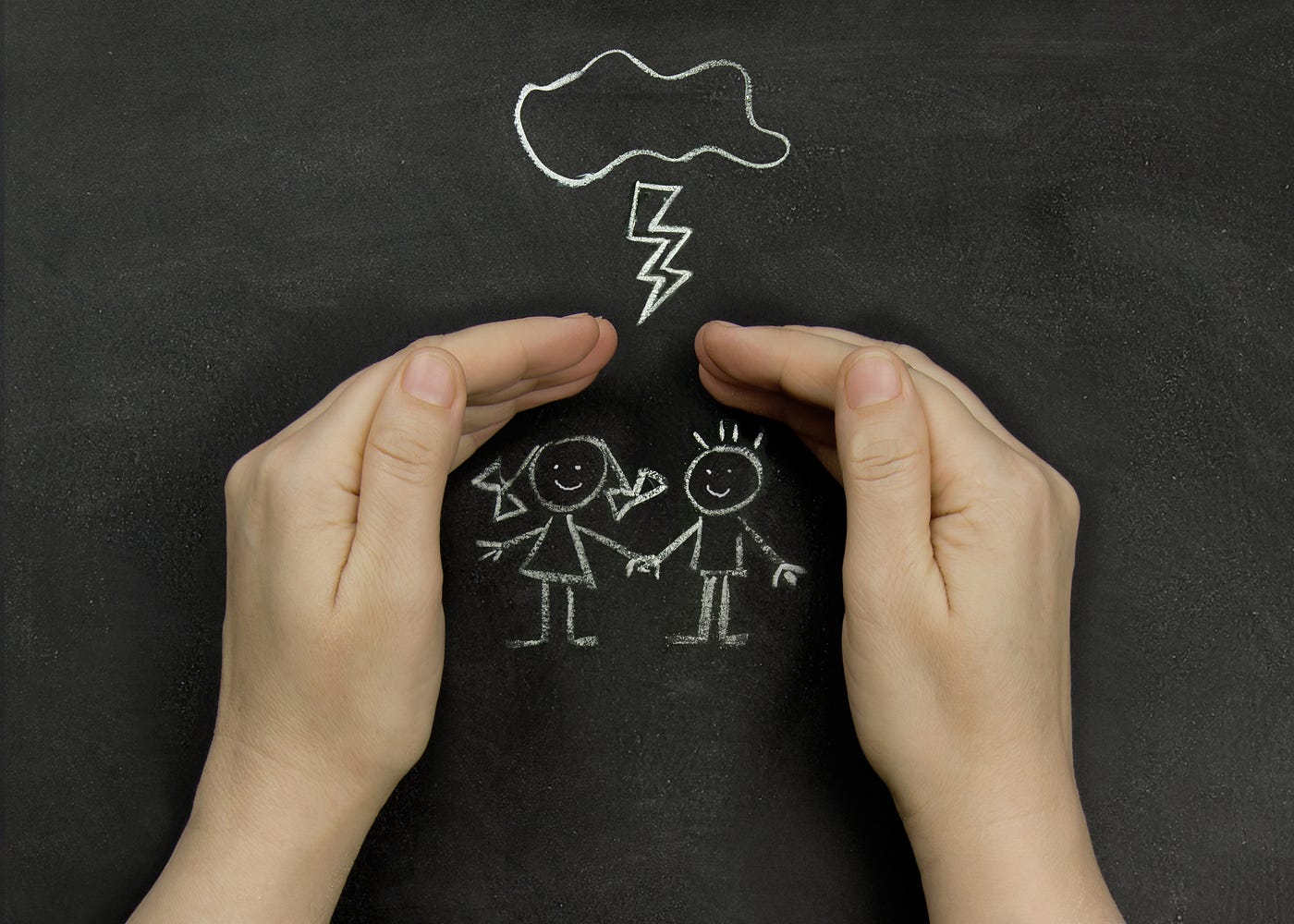
Success could position Britain as a global leader in online child protection. Failure could raise difficult questions about enforceability, personal freedoms, and the limits of government regulation in the digital age.
For now, one thing is certain: the relationship between children, technology, and social media is entering a new chapter. Whether the ban becomes a model for other countries or a cautionary tale will depend on what happens after the headlines fade and the rules come into force.
메타데이터
- post_id
- b2011814ef94
- slug
- uks-under-16-social-media-ban-a-bold-move-with-big-questions-ahead-b2011814ef94
- url
- https://medium.com/@katemarksmedia/uks-under-16-social-media-ban-a-bold-move-with-big-questions-ahead-b2011814ef94
- canonical_url
- https://medium.com/@katemarksmedia/uks-under-16-social-media-ban-a-bold-move-with-big-questions-ahead-b2011814ef94
- author_url
- https://medium.com/@katemarksmedia
- status
- ok
- fetched_at
- 2026-06-27 07:40:21