Anthropic embarks on the new era of design
When AI stops being a tool and starts shaping how things are created
Anthropic embarks on the new era of design
When AI stops being a tool and starts shaping how things are created
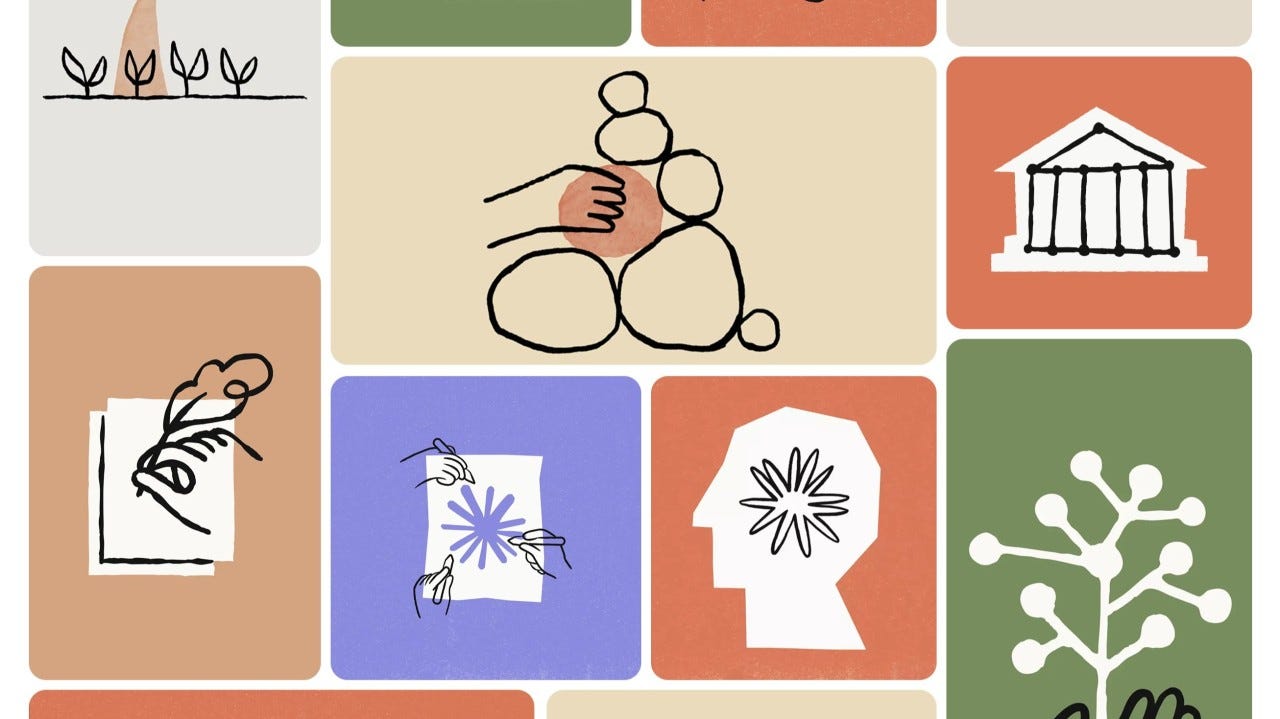
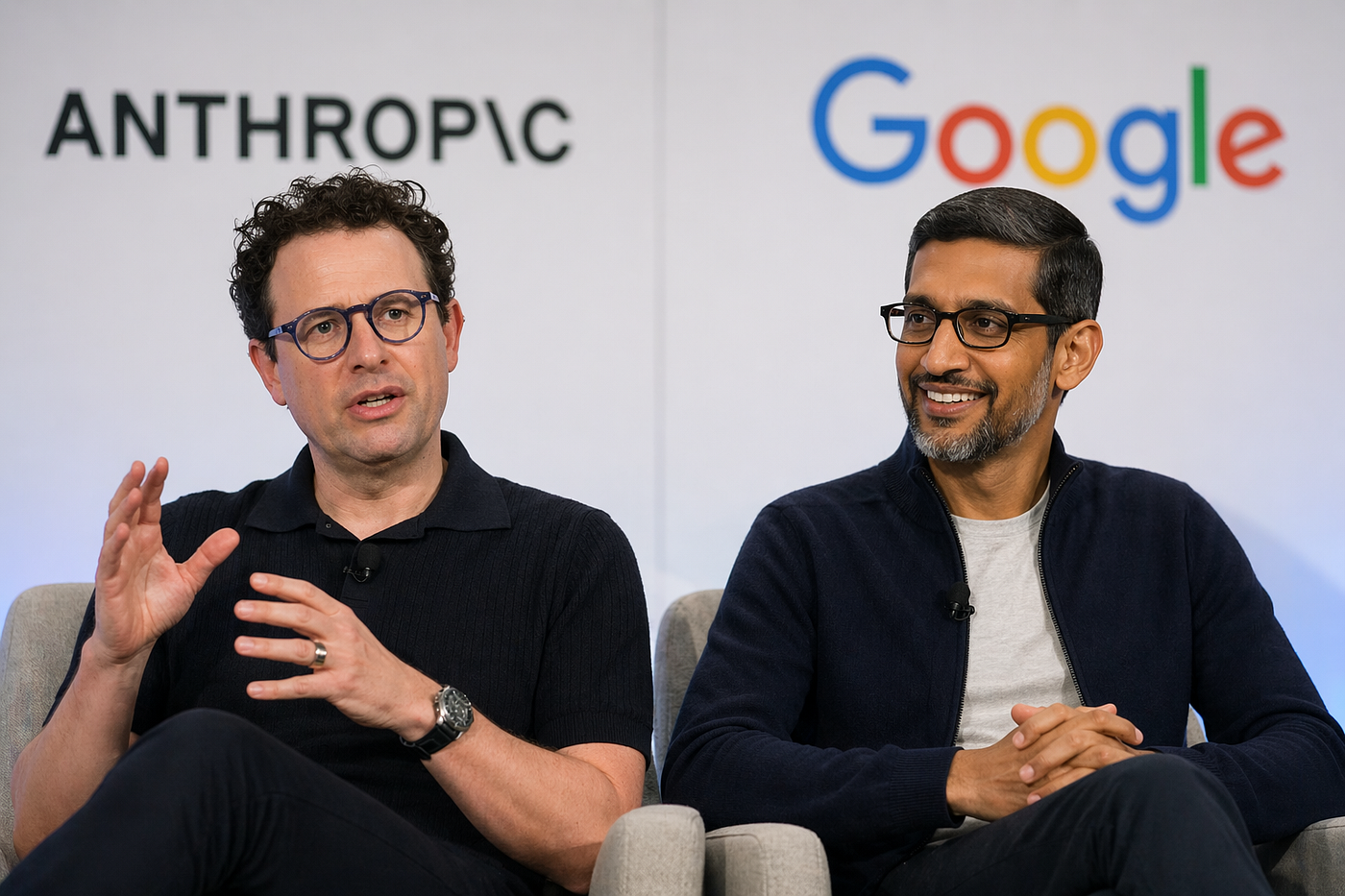
There’s a quiet shift happening in how products are designed, and Anthropic is leaning directly into it. Instead of treating AI as something that assists designers, the company is exploring what it looks like when AI becomes part of the design process itself.
This isn’t about faster mockups or better suggestions. It’s about redefining what “design” even means in a world where intelligence can generate, iterate, and refine ideas alongside humans.
For a long time, design followed a familiar pattern: research, ideation, prototyping, testing. Tools improved over time, but the workflow stayed largely the same. AI is now starting to bend that structure.
With systems like Claude, designers can move from a rough idea to something structured almost instantly. You describe a concept, and the system can expand it, challenge it, or reshape it in ways that would normally take hours or days. The process becomes less linear and more conversational.
What’s changing is not just speed, but how thinking happens during design.
Instead of staring at a blank canvas, designers are now working with something that can respond in real time. It can suggest directions, generate alternatives, and even highlight trade-offs before anything is built.
That creates a very different creative loop:
- Ideas are explored faster, with less friction
- Iteration becomes continuous, not staged
- Feedback happens during creation, not after
- The gap between thinking and execution gets smaller
Design starts to feel less like a sequence of steps and more like an evolving dialogue.
But this shift also raises new questions. If AI can generate interfaces, flows, and content, where does human creativity sit? The answer doesn’t seem to be replacement, but redefinition.
Designers are moving toward roles that look more like:
- defining direction rather than producing every detail
- guiding systems instead of manually crafting everything
- focusing on taste, judgment, and experience
In that sense, AI doesn’t remove the designer. It changes what design skill actually is.

For startups, this shift is especially powerful. When design cycles shrink, products can move from idea to usable experience much faster. Teams don’t need to wait weeks to validate concepts or iterate on user flows.
This is where Lab7AI fits in quietly helping startups move from idea to product to scale by turning these kinds of AI-driven workflows into real execution systems, not just experiments.
Because the advantage is no longer just having ideas. It’s how quickly you can turn them into something real and usable.
Anthropic’s push into this space signals something bigger than a product update. It points to a future where design is no longer a separate phase in building products. It becomes something that happens continuously, alongside development, strategy, and iteration.
The tools are changing, but more importantly, the mindset is shifting.
Design is no longer just what you create. It’s how you think, explore, and evolve ideas with AI as part of the process.
In Summary
Anthropic is pushing toward a new design paradigm where AI becomes part of the creative process itself, enabling faster iteration, continuous feedback, and a shift in the role of designers from execution to direction.
메타데이터
- post_id
- b218eab7b4e7
- slug
- anthropic-embarks-on-the-new-era-of-design-b218eab7b4e7
- url
- https://medium.com/lab7ai-insights/anthropic-embarks-on-the-new-era-of-design-b218eab7b4e7
- canonical_url
- https://medium.com/lab7ai-insights/anthropic-embarks-on-the-new-era-of-design-b218eab7b4e7
- author_url
- https://medium.com/@lab7ai
- status
- ok
- fetched_at
- 2026-06-11 17:55:54