Scalable Tech Stack for Creator Economy and Subscription Platforms
The creator economy has transformed how digital content is produced, distributed, and monetized. Platforms such as OnlyFans, Patreon, and…
Scalable Tech Stack for Creator Economy and Subscription Platforms
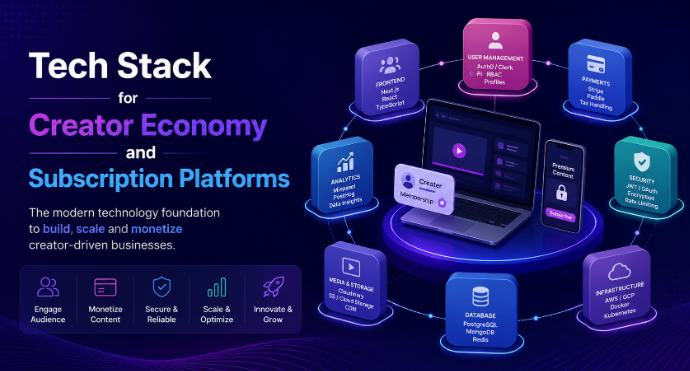
The creator economy has transformed how digital content is produced, distributed, and monetized. Platforms such as OnlyFans, Patreon, and Fanvue have proven that subscription-driven business models can generate sustainable recurring revenue while enabling creators to build direct relationships with their audiences.
As more entrepreneurs and businesses explore opportunities in the creator economy, demand for **subscription-based content platforms** continues to rise. However, building a successful platform requires much more than replicating existing features. The technology stack you choose directly influences platform scalability, security, user experience, and long-term profitability.
This guide explores the essential tech stack, architecture considerations, and business factors involved in developing a modern subscription-based content platform.
Why Subscription-Based Platforms Are Growing Rapidly
Subscription platforms offer predictable recurring revenue for both creators and businesses. Unlike ad-supported models, subscription ecosystems enable creators to monetize their audience directly through:
- Monthly or annual subscriptions
- Pay-per-view content
- Tips and donations
- Premium messaging
- Exclusive community access
For businesses, this creates a sustainable monetization model with higher customer lifetime value and stronger user retention.
Business Model of a Subscription Content Platform
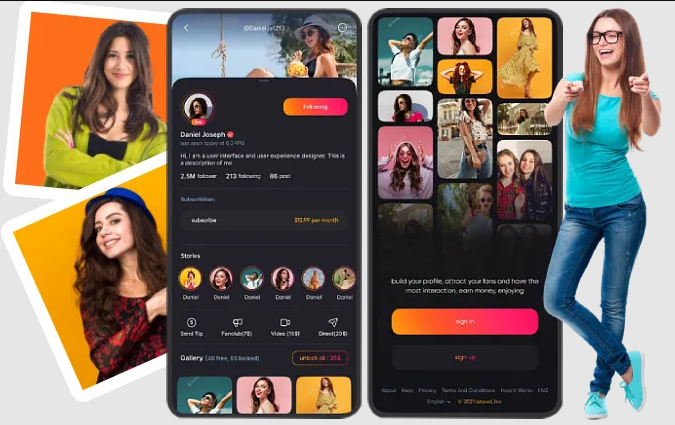
A typical subscription platform operates as a marketplace connecting creators and subscribers.
Subscription Plans
Recurring subscriptions serve as the primary revenue stream. Users pay monthly or yearly fees to access exclusive creator content.
Common capabilities include:
- Tier-based pricing plans
- Automatic renewals
- Trial subscriptions
- Discount campaigns
- Exclusive member-only content
Pay-Per-View Content
Creators can monetize premium content individually, allowing them to generate revenue beyond subscriptions.
Examples include:
- Premium videos
- Exclusive photos
- Locked posts
- Paid media attachments
Tips and Premium Messaging
Direct engagement tools significantly increase creator earnings.
Users can:
- Send one-time tips
- Purchase private messages
- Request custom content
- Unlock premium conversations
Revenue Sharing Model
Most platforms operate on commission-based revenue sharing.
Typically:
- Creators receive 70–90% of earnings.
- The platform retains 10–30% as commission.
Accurate transaction tracking and payout management are critical for maintaining trust and financial transparency.
Must-Have Features of a Subscription Platform
A successful subscription platform requires features that support monetization, engagement, and content delivery.
User Authentication
Secure registration and login systems should support multiple user roles, including creators, subscribers, and administrators.
Creator Profiles
Creators need personalized profiles featuring:
- Bio information
- Subscription pricing
- Content feeds
- Social links
- Audience analytics
Content Management System
The platform should allow creators to upload and manage:
- Images
- Videos
- Text posts
- Premium content
Subscription Management
Core subscription capabilities include:
- Billing automation
- Plan management
- Renewal handling
- Cancellations
- Payment status tracking
Messaging & Community Features
Real-time communication helps strengthen creator-fan relationships.
Features may include:
- Direct messaging
- Paid messages
- Comments
- Notifications
- Community feeds
Admin Dashboard
Administrators need tools to:
- Moderate content
- Monitor transactions
- Handle disputes
- Manage users
- Track platform analytics
Recommended Tech Stack
Frontend Technologies
The frontend is responsible for delivering an engaging and responsive user experience.
Layer
- Web Development
- State Management
- UI Framework
Recommended Technologies
- React.js, Next.js
- Redux, Zustand
- Tailwind CSS, Material UI
Next.js is particularly valuable because it improves SEO and page performance while supporting server-side rendering.
Mobile App Technologies
Mobile applications drive the majority of content consumption.
Approach
- Cross-platform
- Native
Technologies
- React Native, Flutter
- Swift, Kotlin
Best For
- Faster development
- Maximum performance
Businesses seeking faster market entry often choose cross-platform development.
Backend Tech Stack
The backend manages business logic, subscriptions, payments, and content access.
Technology
- Node.js
- Python (Django/FastAPI)
- Golang
Strength
- High concurrency
- Rapid development
- Exceptional performance
Best Use Case
- Real-time apps
- AI-driven platforms
- Large-scale systems
API Architecture
Most platforms use either:
- REST APIs for standard business operations.
- GraphQL for dynamic feed-driven experiences.
Authentication & Access Control
Secure authentication typically relies on:
- JWT tokens
- OAuth integration
- Role-based access control
These mechanisms ensure only authorized users can access premium content.
Database Architecture
Modern subscription platforms often adopt a hybrid database architecture.
Relational Database
PostgreSQL is commonly used for:
- User accounts
- Subscriptions
- Payments
- Financial records
NoSQL Database
- MongoDB provides flexibility for:
- Content metadata
- Feed information
- User-generated content
Caching Layer
Redis significantly improves performance by caching:
- User sessions
- Feeds
- Subscription status
- Frequently accessed content
Media Storage and Streaming Infrastructure
Media delivery is one of the most important architectural components.
A typical infrastructure includes:
- Amazon S3 for object storage
- Cloudflare CDN for global delivery
- FFmpeg for video processing
- HLS streaming for adaptive playback
This architecture ensures smooth video streaming while minimizing latency worldwide.
Payment Infrastructure
Reliable payment processing directly impacts revenue generation.
Key capabilities include:
- Recurring billing
- Pay-per-view transactions
- Creator payouts
- Refund handling
- Fraud detection
Popular payment gateways include:
- Stripe
- PayPal
- Razorpay
Integrating multiple gateways improves global payment success rates.
Security and Privacy Considerations
Because subscription platforms handle sensitive data and financial transactions, security should be a top priority.
Critical security measures include:
- HTTPS encryption
- Multi-factor authentication
- Signed media URLs
- Rate limiting
- Content watermarking
- Fraud prevention systems
Strong security practices help protect both creators and subscribers.
High-Level Architecture for Scalability
Most successful platforms evolve from monolithic systems into microservices architectures as traffic increases.
A scalable architecture generally consists of:
- Independent user, payment, and content services
- CDN-based media delivery
- Background job processing
- Event-driven communication
- Distributed caching
This approach enables the platform to scale efficiently while maintaining high availability.
MVP vs Scalable Production Architecture
MVP Stack
A lean MVP typically includes:
- React.js
- Node.js
- PostgreSQL
- Stripe
- Cloud storage
This setup allows businesses to validate product-market fit quickly.
Enterprise Stack
As the platform grows, additional technologies become necessary:
- Microservices
- Kubernetes
- Redis
- CDN infrastructure
- Background processing systems
The architecture should evolve gradually based on actual user demand.
Common Challenges in Building Subscription Platforms
Businesses often encounter several challenges during development:
- Scaling video delivery infrastructure
- Managing payment compliance
- Preventing content piracy
- Moderating user-generated content
- Supporting creator payouts globally
Addressing these challenges early reduces operational risks.
Estimated Development Cost
**Cost to develop an subscription app** vary depending on feature complexity and scalability requirements.
Platform Stage
MVP
Mid-Scale Platform
Enterprise Platform
Estimated Cost
$30,000 — $60,000
$60,000 — $150,000
$150,000 — $500,000+
Additional operational expenses include cloud hosting, CDN usage, storage, and payment processing fees.
Future Trends in Subscription Platforms
Emerging technologies continue to reshape subscription ecosystems.
Future enhancements may include:
- AI-powered recommendations
- Livestreaming capabilities
- Creator monetization expansion
- Personalized feeds
- Advanced analytics
Businesses that continuously innovate are more likely to achieve long-term success.
Final Thoughts
Choosing the right tech stack is not about selecting every cutting-edge technology available. The most successful subscription platforms begin with a lean, scalable foundation and evolve their architecture based on actual business growth and user demand.
By combining the right frontend technologies, scalable backend infrastructure, secure payment systems, and efficient media delivery architecture, businesses can build sustainable subscription platforms capable of supporting long-term growth in the creator economy.
메타데이터
- post_id
- b227527aac4d
- slug
- scalable-tech-stack-for-creator-economy-and-subscription-platforms-b227527aac4d
- url
- https://mobileappcircular.com/scalable-tech-stack-for-creator-economy-and-subscription-platforms-b227527aac4d
- canonical_url
- https://mobileappcircular.com/scalable-tech-stack-for-creator-economy-and-subscription-platforms-b227527aac4d
- author_url
- https://medium.com/@rashidkhanrk1717
- status
- ok
- fetched_at
- 2026-07-09 16:18:44