5 Roman Recipes for the Ancient Table — Roman Cuisine II
Cheesecakes, stuffed dates, custards and meat patties from ancient Roman sources
5 Roman Recipes for the Ancient Table — Roman Cuisine II
Cheesecakes, stuffed dates, custards and meat patties from ancient Roman sources
Ancient Roman food was not only bread, porridge and simple rural meals. Roman cuisine could also be rich, sweet, aromatic and carefully prepared.
Some recipes used familiar ingredients such as cheese, eggs, honey, dates, nuts and meat. Others included seasonings that may seem unusual today, such as pepper in sweet dishes or garum in meat preparations.
Many of these dishes are known from ancient culinary texts, especially Cato the Elder’s *De Agricultura and Apicius’ [De re coquinaria](https://es.wikipedia.org/wiki/De_re_coquinaria)*.. They give us a glimpse into a Roman table that could be festive, refined and full of layered flavors.
Here are five Roman recipes that show a more elaborate side of ancient food.
1. Globi
Fried cheese balls with honey and poppy seeds.
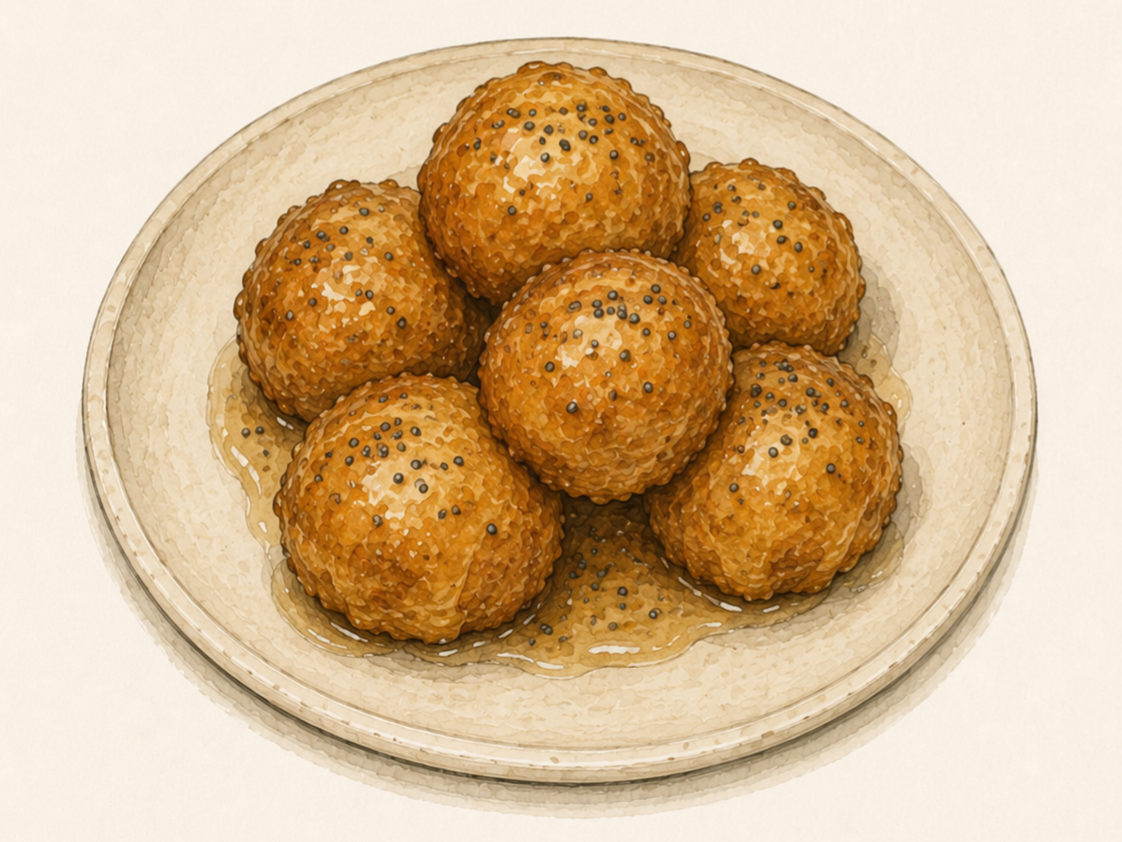
**Globi* were small fried cheese balls, finished with honey and poppy seeds. They are known from Cato the Elder’s [De Agricultura](https://en.wikipedia.org/wiki/De_agri_cultura)*, one of the most important early Latin prose works.
The recipe combines fresh cheese with a grain-based ingredient, shaped into small balls and fried until golden. Once cooked, they were covered with honey and sprinkled with poppy seeds.
[embed]Historical Italian Cooking (YouTube)
To modern eyes, globi may look like a dessert, a festival snack or a rustic sweet. They remind us that Roman sweets often depended on honey rather than sugar, and that cheese was used in both savory and sweet preparations.
Basic ingredients: Fresh cheese / Semolina or Flour / Egg / Honey / Poppy seeds / Oil or Fat for frying.
Why it matters: Globi show how simple rural ingredients could become something festive, sweet and satisfying.
2. Savillum
Baked Roman cheesecake sweetened with honey.
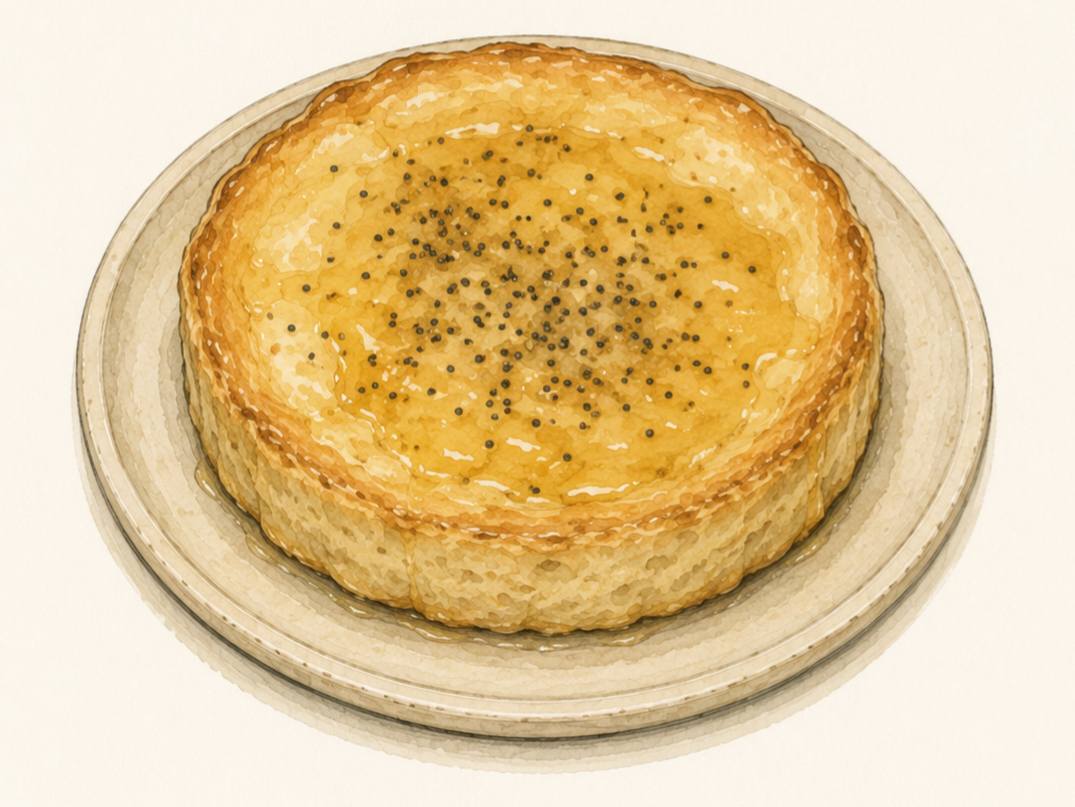
**Savillum* was a baked Roman cheesecake, also known from Cato the Elder’s [De Agricultura](https://en.wikipedia.org/wiki/De_agri_cultura)*. It was made with fresh cheese, flour, eggs and honey, then finished with poppy seeds.
Compared with libum, which feels closer to a small cheese bread or ritual cake, savillum is easier to imagine as a dessert. It has the basic structure of a cheesecake, although its texture and flavor would have been different from most modern versions.
[embed]Tasting History with Max Miller (YouTube)
The use of honey and poppy seeds gives the dish a very Roman character. It is sweet, but not in the same way as modern desserts made with refined sugar.
Basic ingredients: Fresh cheese / Wheat flour / Eggs / Honey / Poppy seeds.
Why it matters: Savillum helps us understand the Roman love of cheese-based sweets and the central role of honey in ancient desserts.
3. Isicia Omentata
Seasoned Roman meat patties wrapped in caul fat.
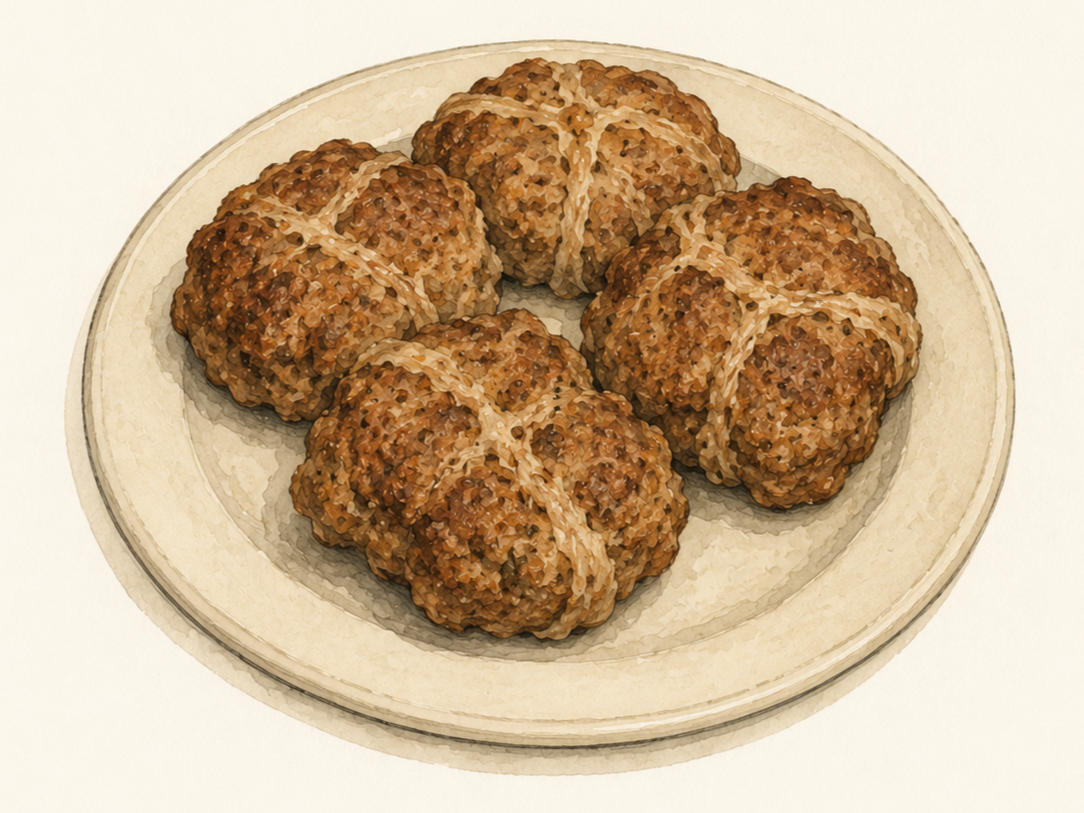
**Isicia omentata* were Roman meat patties, often compared to ancient meatballs or even an early kind of burger. They are associated with the culinary tradition of Apicius’ [De re coquinaria](https://es.wikipedia.org/wiki/De_re_coquinaria)*.
The dish was made with minced meat, pepper, pine nuts, garum and wine. It was then wrapped in omentum, or caul fat, which helped keep the meat moist while adding richness.
[embed]Tasting History with Max Miller (YouTube)
This recipe belongs to a more elaborate Roman culinary world. It combines meat with strong seasonings, fermented fish sauce, wine and careful preparation. The result would have been savory, aromatic and probably quite rich.
Basic ingredients: Minced meat / Pine nuts / Pepper / Garum / Wine / Caul fat.
Why it matters: Isicia omentata shows a more refined side of Roman cooking, where texture, seasoning and presentation were all important.
4. Dulcia Domestica
Stuffed dates with nuts, honey and pepper.
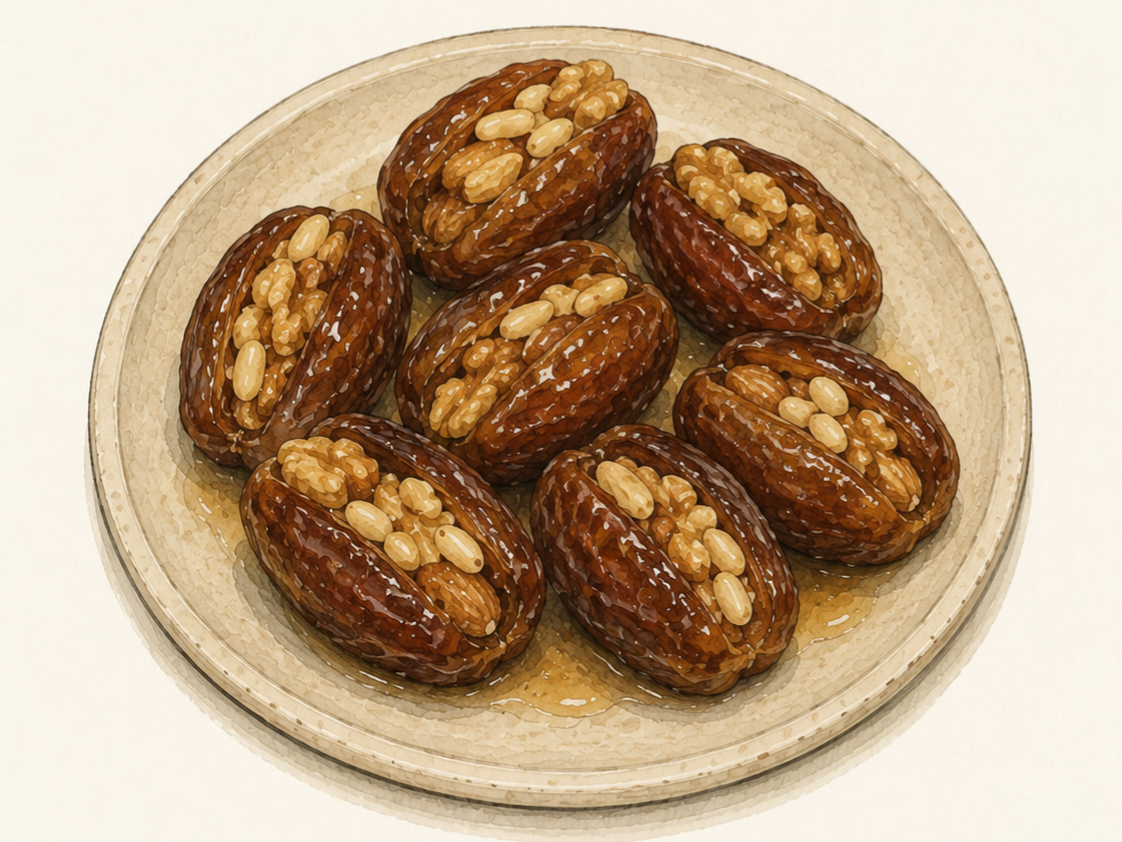
Dulcia domestica were stuffed dates filled with nuts and finished with honey. This sweet dish is known from Apicius’ *De re coquinaria*.
The combination is simple but elegant: dates, nuts, honey and a touch of pepper. To a modern reader, pepper in a sweet dish may seem surprising, but Roman cuisine often combined sweet, savory and spicy notes in the same preparation.
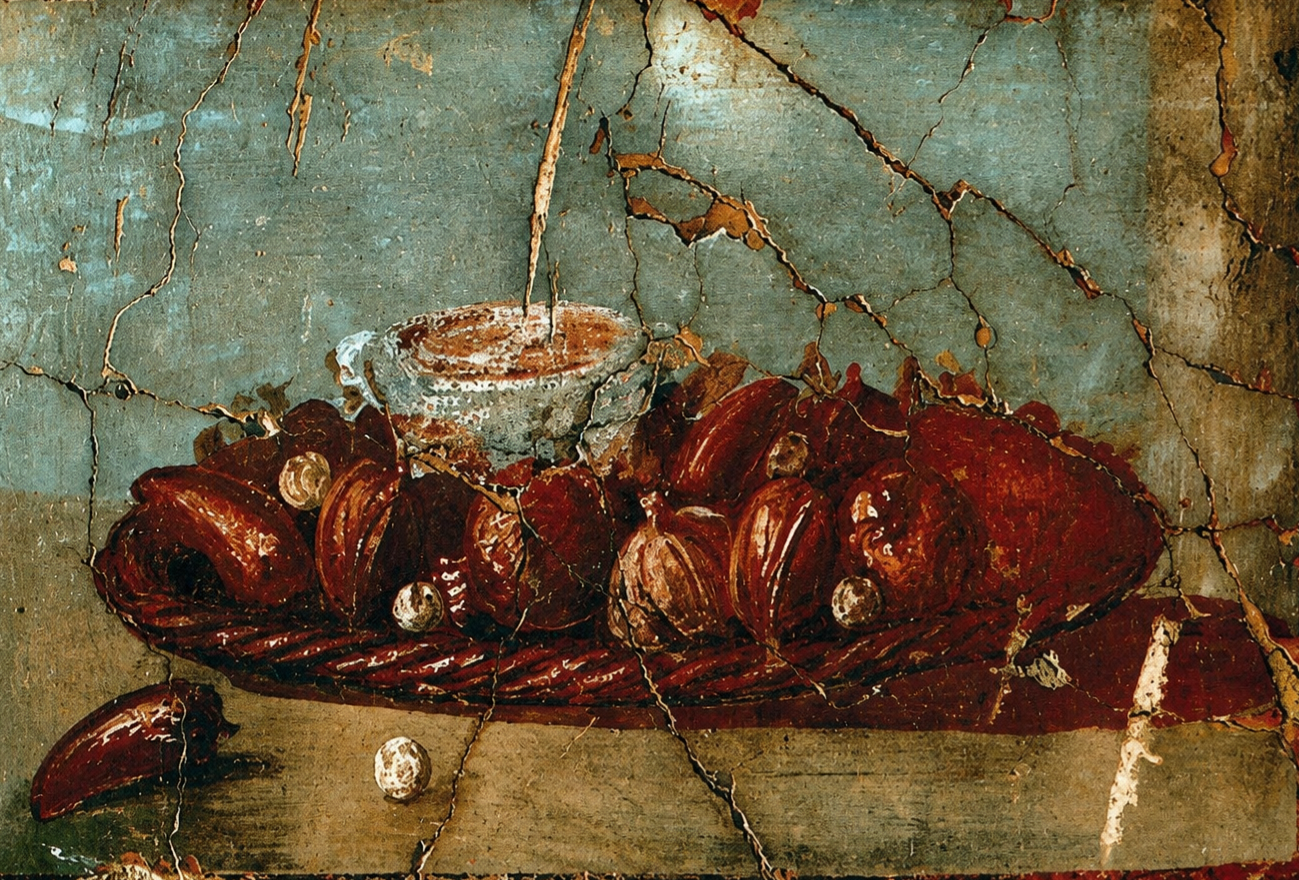
Pompeian fresco featuring dates and figs, the core ingredients for the Roman dessert Dulcia Domestica.
This is one of the easiest Roman sweets to imagine today. It feels Mediterranean, compact and rich, with the natural sweetness of dates and the texture of nuts.
Basic ingredients: Dates / Honey / Pepper / Pine nuts or Walnuts / A pinch of salt.
Why it matters: Dulcia domestica shows how Roman desserts could be simple, luxurious and full of contrast.
5. Tyropatinam
Smooth Roman custard with honey and pepper.
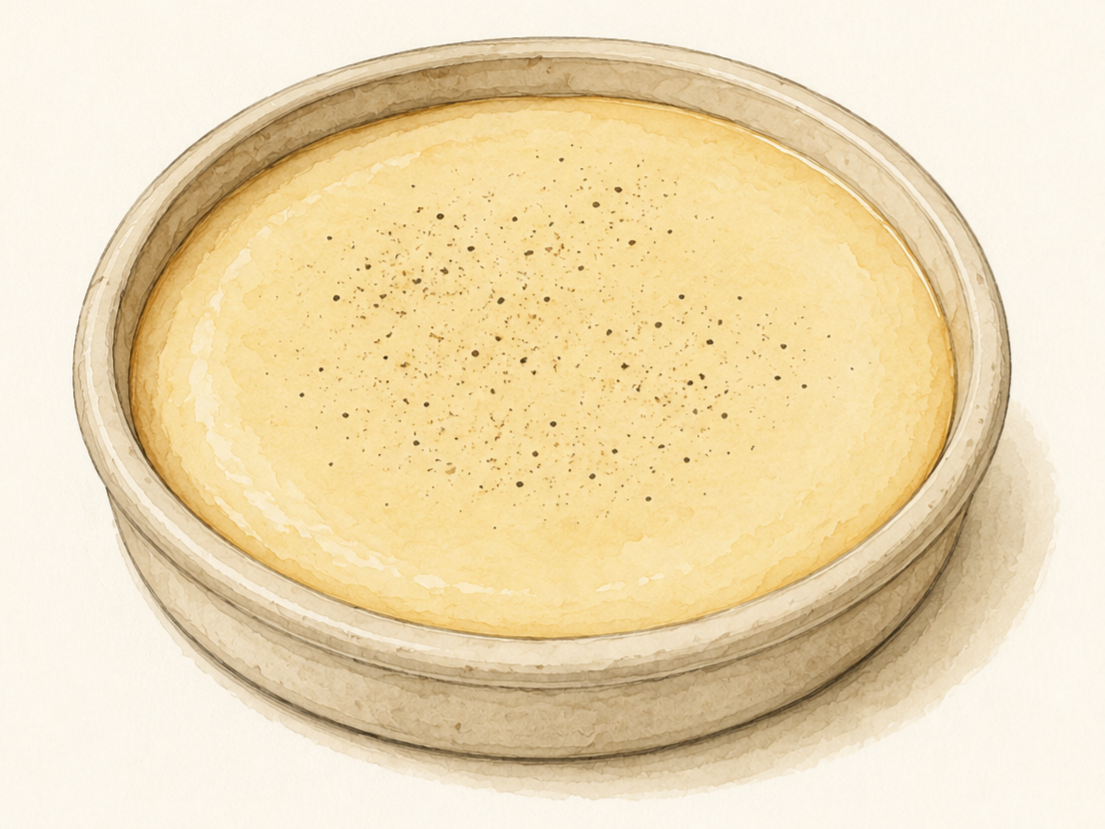
**Tyropatinam* was a Roman custard made with milk, eggs and honey. It is known from Apicius’ [De re coquinaria](https://es.wikipedia.org/wiki/De_re_coquinaria)*. and is often compared to a flan or baked custard.
The recipe shows that Roman sweets could be delicate and refined without relying on modern sugar. Honey provided sweetness, while milk and eggs created a smooth, soft texture.
[embed]Las Míticas Recetas (YouTube)
The final touch of pepper may sound unusual, but it reflects Roman taste for layered flavors. Sweetness, warmth and spice could appear together in the same dish.
Basic ingredients: Milk / Eggs / Honey / Black pepper.
Why it matters: Tyropatinam reveals a refined side of Roman desserts: simple ingredients transformed into a soft, elegant sweet dish.
Sources and further reading
Cato the Elder, *De Agricultura*
Read More: 4 Roman Dishes from Everyday Life — Roman Cuisine I
메타데이터
- post_id
- b2762ecd4794
- slug
- 5-roman-recipes-for-the-ancient-table-roman-cuisine-ii-b2762ecd4794
- url
- https://medium.com/@civisromanusx/5-roman-recipes-for-the-ancient-table-roman-cuisine-ii-b2762ecd4794
- canonical_url
- https://medium.com/@civisromanusx/5-roman-recipes-for-the-ancient-table-roman-cuisine-ii-b2762ecd4794
- author_url
- https://medium.com/@civisromanusx
- status
- ok
- fetched_at
- 2026-06-26 03:39:16