How Real Estate Became the Top Asset Class for Tokenization
The financial world is undergoing a major transformation driven by blockchain technology, digital assets, and decentralized finance. Real…
How Real Estate Became the Top Asset Class for Tokenization
Origianl Image created by Quinn Donovan
The financial world is undergoing a major transformation driven by blockchain technology, digital assets, and decentralized finance. Real estate has become the most prominent asset class driving the growth of tokenization across global markets. What began as an innovative concept has evolved into a rapidly growing market that is attracting investors, developers, financial institutions, and technology providers worldwide.
Tokenization is changing how properties are owned, traded, and financed. By converting real estate assets into digital tokens on a blockchain, businesses can create fractional ownership opportunities, improve liquidity, and increase accessibility for investors. These advantages have positioned real estate at the forefront of the tokenization movement.
As global interest in digital assets continues to rise, real estate tokenization is becoming one of the most promising applications of blockchain technology. This article explores how real estate became the top asset class for tokenization, the factors driving its growth, and what the future holds for this rapidly evolving market.
What Is Real Estate Tokenization?
Real estate tokenization is the process of converting ownership rights in a property into digital tokens that exist on a blockchain network.
A token serves as a digital representation of ownership rights in the asset. Investors can purchase these tokens and gain exposure to real estate without acquiring the entire property.
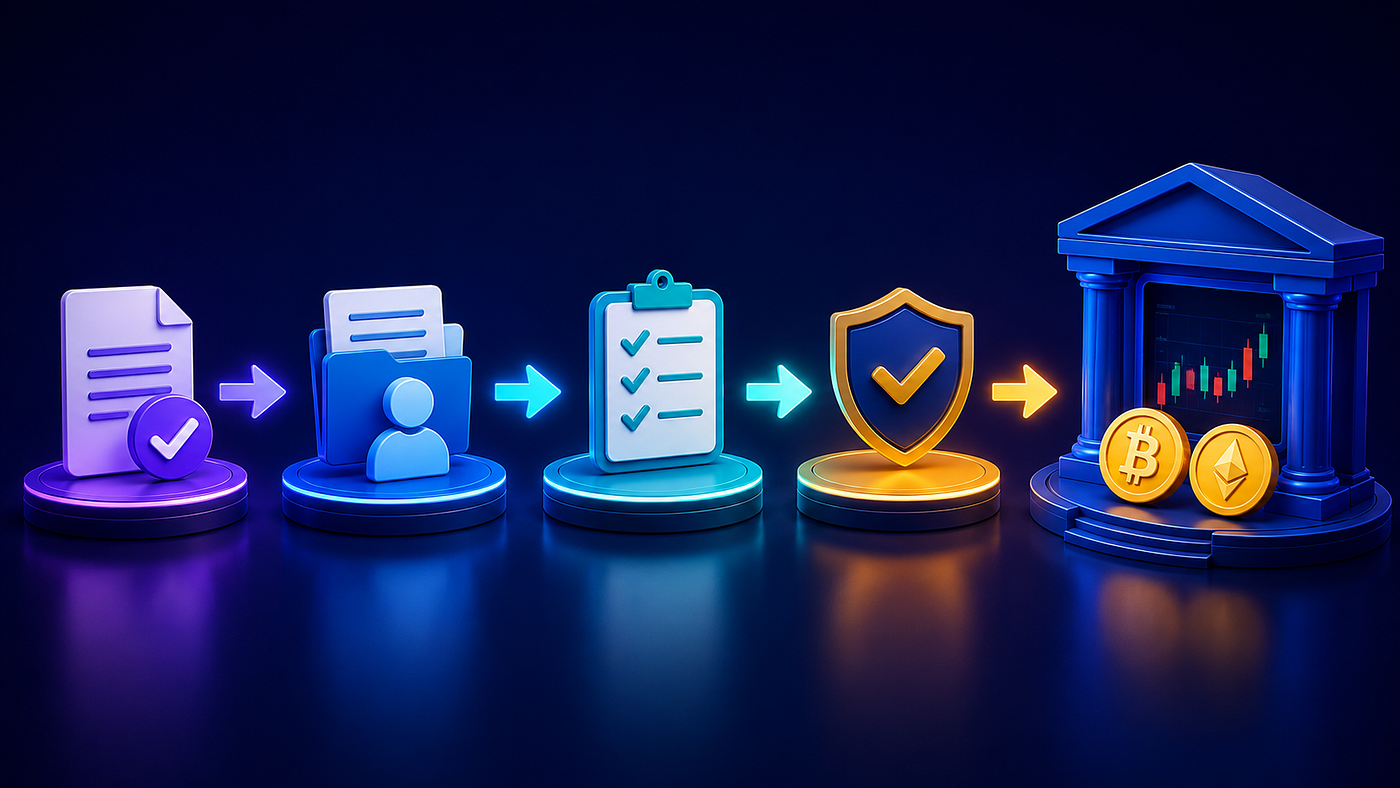
The process typically involves:
- Property evaluation
- Legal structuring
- Asset digitization
- Smart contract creation
- Token issuance
- Investor onboarding
- Secondary market trading
These digital tokens can represent residential properties, commercial buildings, industrial facilities, hotels, land parcels, and other real estate assets.
Tokenization enables property ownership to be divided into smaller units, making investments more accessible to a broader audience.
The Traditional Challenges of Real Estate Investing
Before understanding why real estate became the leading asset for tokenization, it is important to examine the limitations of traditional property investment.
High Capital Requirements
Real estate purchases often involve considerable upfront investment costs.
Investors typically need funds for:
- Down payments
- Legal fees
- Taxes
- Maintenance expenses
- Property management
These costs create barriers for many potential investors.
Limited Liquidity
Real estate has traditionally been considered an illiquid asset.
Selling a property often involves lengthy processes that include:
- Finding buyers
- Property inspections
- Negotiations
- Financing approvals
- Legal documentation
Transactions can take weeks or months to complete.
Geographic Restrictions
Investors are often limited by location, regulations, and market access.
Acquiring properties in foreign markets can be complicated and expensive.
Lack of Diversification
Many investors allocate substantial capital to a single property, increasing exposure to localized market risks.
Complex Ownership Structures
Traditional property transactions often involve multiple intermediaries, increasing costs and administrative burdens.
These longstanding challenges created the perfect opportunity for tokenization to introduce a more efficient investment model.
The Rise of Asset Tokenization
Asset tokenization refers to the process of representing real-world assets as digital tokens on blockchain networks.
Tokenization has been applied to various asset classes, including:
- Stocks
- Bonds
- Commodities
- Fine art
- Precious metals
- Intellectual property
- Real estate
While many assets have benefited from tokenization, real estate has experienced particularly strong adoption due to the unique advantages blockchain technology provides.
The combination of high-value assets, global demand, and investment barriers made real estate an ideal candidate for tokenization.
Why Real Estate Was Perfect for Tokenization
Several characteristics of real estate made it particularly suitable for blockchain-based ownership models.
High Asset Value
Real estate assets often carry substantial value, making fractional ownership highly attractive.
Rather than requiring millions of dollars to purchase a commercial building, investors can acquire smaller ownership stakes through digital tokens.
Strong Investor Demand
Real estate remains one of the most trusted investment classes globally.
Investors appreciate property investments because they offer:
- Stable returns
- Long-term appreciation
- Rental income opportunities
- Portfolio diversification
Tokenization enhances these benefits while addressing traditional limitations.
Large Global Market
The global real estate market is worth hundreds of trillions of dollars, making it one of the largest asset classes in the world.
The enormous size of the market creates significant opportunities for tokenization platforms.
Ownership Transparency
Blockchain technology provides immutable ownership records, improving transparency and reducing disputes.
This aligns perfectly with real estate transactions where ownership verification is critical.
Fractional Ownership Changed Everything
One of the biggest reasons real estate became the top asset class for tokenization is the introduction of fractional ownership.
Fractional ownership allows multiple investors to collectively own a property.
Benefits include:
- Lower investment thresholds
- Greater accessibility
- Improved diversification
- Broader investor participation
For example, instead of investing $500,000 in a property, an investor might purchase a $1,000 ownership share.
This democratization of real estate investing has attracted millions of potential investors worldwide.
Blockchain Technology Enabled Secure Ownership
Blockchain technology serves as the foundation of modern tokenization platforms.
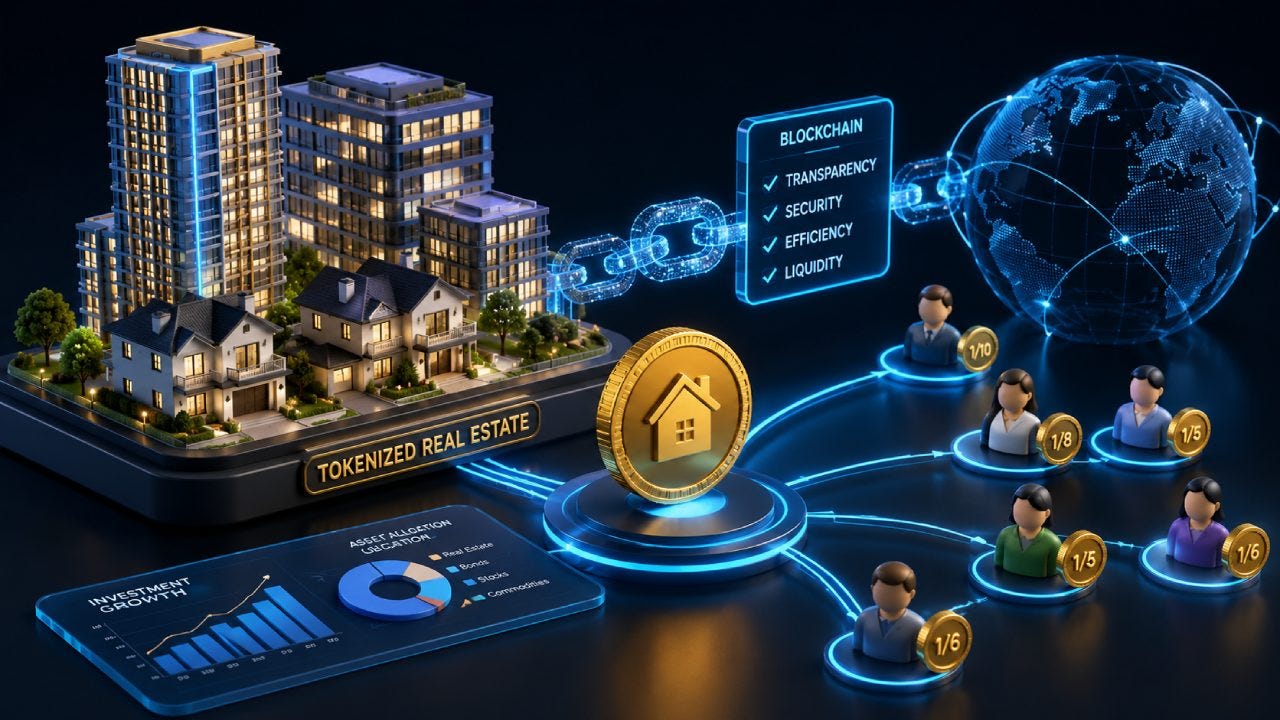
Its key advantages include:
Transparency
Transaction records are maintained on an immutable ledger for complete transparency.
Security
Advanced cryptographic mechanisms protect ownership records and transactions.
Efficiency
Blockchain automates processes that traditionally required multiple intermediaries.
Trust
Investors can verify ownership histories and transaction details independently.
These capabilities have significantly increased confidence in tokenized real estate markets.
Smart Contracts Revolutionized Property Transactions
Smart contracts are blockchain-based programs designed to automatically carry out agreements without manual intervention.
They automatically perform predefined actions when certain conditions are met.
Smart contracts enable the automatic execution of several essential functions in real estate tokenization.
- Token issuance
- Ownership transfers
- Revenue distributions
- Compliance checks
- Voting rights management
Automation reduces administrative costs and minimizes the potential for human error.
This efficiency has contributed significantly to the growth of tokenized real estate investments.
Improved Liquidity Attracted Investors
Liquidity has long been one of the biggest challenges in real estate investing.
Traditional property sales often require lengthy transaction processes.
Tokenization addresses this issue by enabling ownership interests to be divided into tradable digital tokens.
Benefits include:
- Easier transfer of ownership
- Faster transactions
- Lower barriers to entry and exit
- Increased market participation
While liquidity levels vary by platform and regulations, tokenized assets generally offer greater flexibility than traditional property investments.
Global Access Expanded Investment Opportunities
Tokenization has removed many geographic barriers that previously limited real estate investment opportunities.
Today, investors can access properties located in:
- Major global cities
- Emerging markets
- Commercial districts
- Residential developments
- Hospitality projects
Digital investment platforms enable participation from investors around the world.
This global accessibility has accelerated the adoption of tokenized real estate.
Regulatory Progress Increased Confidence
In the early stages of tokenization, regulatory uncertainty slowed adoption.
However, governments and financial authorities have increasingly recognized the potential of digital assets.
Several jurisdictions have introduced frameworks that address:
- Security token offerings
- Digital asset ownership
- Investor protection
- Compliance standards
- Anti-money laundering requirements
Enhanced regulations have boosted investor trust while encouraging greater institutional involvement.
Institutional Interest Accelerated Market Growth
Institutional investors have played a major role in legitimizing tokenized real estate.
Large financial institutions recognize the benefits of:
- Fractional ownership
- Improved liquidity
- Efficient capital formation
- Enhanced transparency
As institutional involvement increases, tokenized real estate continues gaining credibility within mainstream financial markets.
This growing participation has helped establish real estate as the leading asset class for tokenization.
Technology Platforms Simplified Investment
Modern tokenization platforms have made real estate investing more accessible than ever before.
These platforms provide:
- Digital onboarding
- Investor dashboards
- Automated reporting
- Secure wallets
- Compliance management
- Portfolio tracking
User-friendly interfaces allow investors to participate without extensive technical knowledge.
The improved investor experience has contributed significantly to market growth.
Real Estate Offers Multiple Revenue Streams
Another reason real estate dominates tokenization is its ability to generate multiple forms of value.
Investors may benefit from:
Rental Income
Properties can produce regular cash flow through tenant payments.
Capital Appreciation
Property values may increase over time.
Revenue Sharing
Token holders may receive distributions based on project performance.
Portfolio Diversification
Real estate provides exposure to an asset class that behaves differently from traditional stocks and bonds.
These characteristics make tokenized real estate particularly attractive compared to many other tokenized assets.
Commercial Real Estate Drove Early Adoption
Tokenization initially gained significant traction within the commercial real estate market.
Examples include:
- Office buildings
- Shopping centers
- Warehouses
- Hotels
- Mixed-use developments
These assets often require substantial capital investments, making fractional ownership especially valuable.
Commercial projects demonstrated the practical advantages of tokenization and helped drive broader market adoption.
Real Estate Developers Embraced Tokenization
Developers increasingly view tokenization as a powerful fundraising mechanism.
Benefits include:
- Faster capital raising
- Access to global investors
- Reduced dependence on traditional financing
- Increased project visibility
Tokenization allows developers to unlock liquidity while expanding their investor networks.
This has created new opportunities for both established firms and emerging property ventures.
The Role of Secondary Marketplaces
Secondary marketplaces play an important role in the tokenized real estate ecosystem.
These platforms allow investors to:
- Buy ownership shares
- Sell holdings
- Transfer tokens
- Access liquidity
The development of secondary trading infrastructure has enhanced the appeal of tokenized real estate and contributed to its market leadership.
Why Real Estate Outperformed Other Tokenized Assets
Although many assets can be tokenized, real estate offers several unique advantages.
Tangible Value
Properties are physical assets with intrinsic utility.
Stable Demand
People and businesses consistently require places to live, work, and operate.
Proven Investment History
Real estate has generated wealth for centuries.
Income Generation
Properties can produce recurring revenue.
Large Market Size
The scale of the global real estate market provides enormous tokenization opportunities.
These advantages have helped real estate surpass many other asset classes in tokenization adoption.
Challenges That Still Exist
Despite remarkable growth, real estate tokenization continues to face challenges.
Regulatory Variations
Rules differ across jurisdictions.
Market Education
Many investors still need education about tokenized assets.
Liquidity Development
Secondary markets are still evolving.
Technology Adoption
Some organizations remain hesitant to adopt blockchain infrastructure.
However, ongoing innovation and regulatory progress continue addressing these challenges.
The Future of Real Estate Tokenization
The future of real estate tokenization appears exceptionally promising.
Several trends are expected to shape the market:
- Increased institutional participation
- Enhanced regulatory clarity
- Expansion of secondary marketplaces
- Integration with decentralized finance
- Growth of cross-border investments
- Wider adoption of fractional ownership
As blockchain technology becomes more mainstream, tokenized real estate is likely to become an increasingly important component of global investment markets.
Industry experts predict that tokenized real estate could represent trillions of dollars in asset value over the coming decade.
Conclusion
Real estate became the top asset class for tokenization because it perfectly aligns with the advantages blockchain technology offers. High asset values, strong investor demand, liquidity challenges, and the need for greater accessibility created ideal conditions for tokenization to thrive. Through fractional ownership, smart contracts, enhanced transparency, and global accessibility, tokenization has transformed how real estate assets are owned, managed, and traded.
As regulations mature and technology adoption accelerates, tokenized real estate is expected to continue its rapid growth. For investors, developers, and financial institutions, real estate tokenization represents a powerful innovation that is reshaping property investment and creating a more inclusive, efficient, and accessible real estate ecosystem.
메타데이터
- post_id
- b2b3a2aebd6b
- slug
- how-real-estate-became-the-top-asset-class-for-tokenization-b2b3a2aebd6b
- url
- https://medium.com/readers-club/how-real-estate-became-the-top-asset-class-for-tokenization-b2b3a2aebd6b
- canonical_url
- https://medium.com/readers-club/how-real-estate-became-the-top-asset-class-for-tokenization-b2b3a2aebd6b
- author_url
- https://medium.com/@quinndonovan
- status
- ok
- fetched_at
- 2026-06-20 20:29:01