How to Serve Divorce Papers in Valletta: The Hague Service Convention Explained
Initiating a cross-border legal action requires more than just filing paperwork in your local court. When your spouse resides in another…
How to Serve Divorce Papers in Valletta: The Hague Service Convention Explained
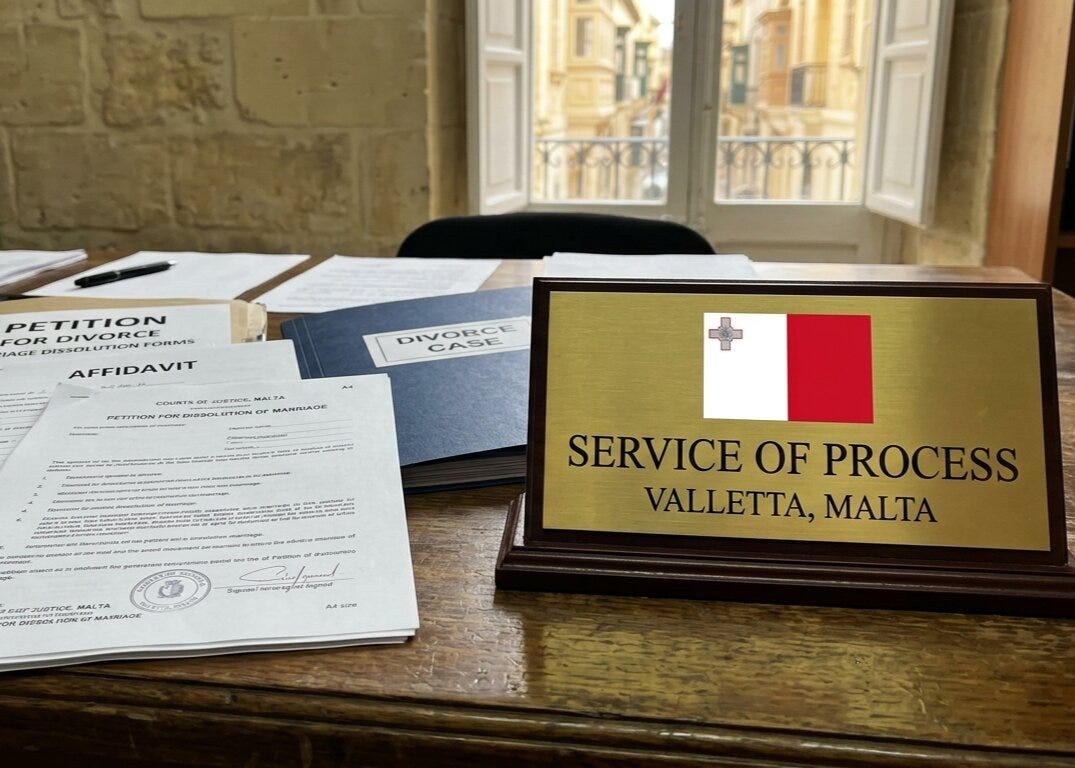
Master the legal complexities of the Hague Service Convention and Maltese judicial protocols to successfully serve divorce papers in Valletta without costly procedural delays.
Initiating a cross-border legal action requires more than just filing paperwork in your local court. When your spouse resides in another country, the complexity of the litigation increases exponentially. If you need to **serve divorce papers in Valletta**, understanding the intersection of Maltese law and international treaties is vital to ensure your case remains valid and enforceable.
Malta is a member of the European Union and a signatory to various international legal frameworks. Consequently, providing an international divorce service in this jurisdiction requires strict adherence to specific protocols to avoid judicial dismissal or future challenges to the decree.
The Legal Framework: Hague Convention vs. Non-Hague Methods
The first step in any **service of process abroad** is determining which legal treaty governs the interaction between the originating country and the destination country.
- The Hague Service Convention (Malta): Since Malta is a signatory to the 1965 Hague Service Convention, this is the primary method used to **serve divorce papers in Valletta**. This treaty provides a standardized channel for transmitting judicial documents.
- Non-Hague Channels: If the country where the divorce originated is not a member of the Hague Convention, the process must typically proceed through “Letters Rogatory.” This is a formal request from one court to a foreign court, which is significantly more time-consuming and involves diplomatic channels.
Step-by-Step Workflow: Using the Hague Convention in Malta
When you must **serve divorce papers in Valletta** under the Hague Convention, the following workflow is generally followed:
- Preparation and Translation: Documents must be prepared according to the requirements of the Central Authority. While English is an official language in Malta, certain documents may still require specific formatting or certifications.
- Submission to the Central Authority: The request is sent to the designated Central Authority in Malta (The Office of the Attorney General).
- Review and Forwarding: The Central Authority reviews the request for compliance and forwards it to the appropriate local court.
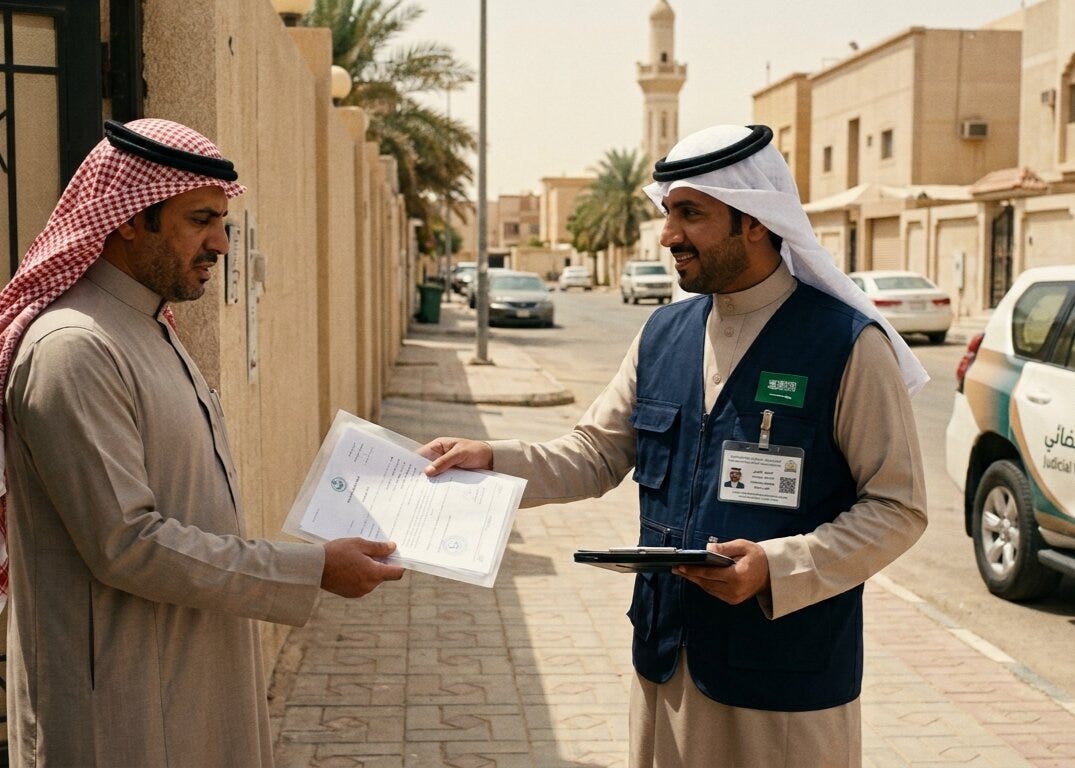
- Execution by Court Marshals: In Malta, the actual delivery is typically handled by a Court Marshal or an authorized local official. They ensure the respondent receives the documents according to Maltese civil procedure.
- Return of Proof: Once completed, a certificate of service is issued and returned to the originating court.
Procedures for Countries Outside the Hague Treaty
If the originating jurisdiction does not share a treaty with Malta, the cross-border divorce service becomes more complex.
- Diplomatic Channels: The documents must move from the local court to the Department of State, then to the embassy, and finally to the Maltese Ministry of Foreign Affairs.
- Letters Rogatory: The local Maltese court must be petitioned to assist in the delivery. This method lacks the “guaranteed” timelines of the Hague Convention and can be subject to significant bureaucratic hurdles when you attempt to **serve divorce papers in Valletta**.
The Danger of Informal Service
Many individuals mistakenly believe they can **serve divorce papers in Valletta** via private courier (like DHL or FedEx) or even through email. While these methods may seem efficient, they are frequently considered invalid under international law.
Malta has specific reservations regarding Article 10 of the Hague Convention, which relates to service by mail. Using an informal method often results in the court in your home country refusing to grant a default judgment because the service did not meet the strict “due process” standards of the destination country.
Why Requests to serve divorce papers in Valletta Get Rejected
Rejections can cause months of delays. Common reasons for failure include:
- Incomplete Documentation: Missing the mandatory “Summary of the Document” form.
- Incorrect Address: If the respondent has moved, the Central Authority will not usually conduct an investigation to find them.
- Language Non-Compliance: Failure to provide required translations when requested by the receiving authority.
- Improper Fees: Failure to pay the required local handling or marshal fees.
Timeline Comparison: What to Expect
The duration of an international divorce service varies based on the method used:
Service Method-Estimated Timeline
- Hague Convention (Malta)-3 to 6 Months
2. Letters Rogatory (Non-Hague)-6 to 12+ Months
3. Informal/Invalid Service-Immediate (but likely rejected by court)
Efficiently managing the timeline requires proactive monitoring of the documents as they move through the Maltese judicial system.
The Value of Professional Coordination
Managing a service of process abroad involves navigating language barriers, time zones, and different legal systems. A professional coordinator acts as a bridge, ensuring that every document sent to **serve divorce papers in Valletta** meets both the local requirements of the originating court and the international requirements of the Maltese authorities.
Using a specialized international divorce service ensures that your Proof of Service is ironclad, preventing the respondent from later claiming they were never properly notified of the proceedings.
Conclusion
Successfully navigating the requirements to **serve divorce papers in Valletta** is a critical component of any international family law case. By adhering to the Hague Service Convention and utilizing formal judicial channels, you protect the integrity of your legal action and ensure that your divorce can proceed without unnecessary procedural setbacks.
Secure Your Legal Proceedings Today
Handling a cross-border divorce service demands meticulous attention to international law, as even a minor documentation error can lead to a court-ordered stay or a total rejection of your filing. To ensure your case remains on track, professional oversight is highly recommended for any service of process abroad.
For expert coordination of your legal documents in Malta or elsewhere, **reach out to our specialists**:
- Phone: +1 (213) 786 1161
- Email: operations@stellarkonsulting.com
- Fax: +1 (213) 283 6626
**Click here to submit your formal process service request and ensure your documents to [serve divorce papers in Vallett](https://stellarkonsulting.com/international-process-service/malta/)a** are handled with the highest level of professional diligence.
Disclaimer
This article is provided for informational purposes only and does not constitute legal advice. Legal procedures regarding international service can change; always consult with a qualified attorney or a professional process service agency to confirm current requirements in your specific jurisdiction.
메타데이터
- post_id
- b2c42ec715f0
- slug
- divorce-process-valletta-malta-b2c42ec715f0
- url
- https://medium.com/@internationalprocessservice/divorce-process-valletta-malta-b2c42ec715f0
- canonical_url
- https://medium.com/@internationalprocessservice/divorce-process-valletta-malta-b2c42ec715f0
- author_url
- https://medium.com/@internationalprocessservice
- status
- ok
- fetched_at
- 2026-08-22 16:50:40