Money Movement: The Lifeblood of the Modern Economy
In the world of financial technology (fintech), money movement refers to the digital transfer of funds across accounts, individuals, or…
Money Movement: The Lifeblood of the Modern Economy
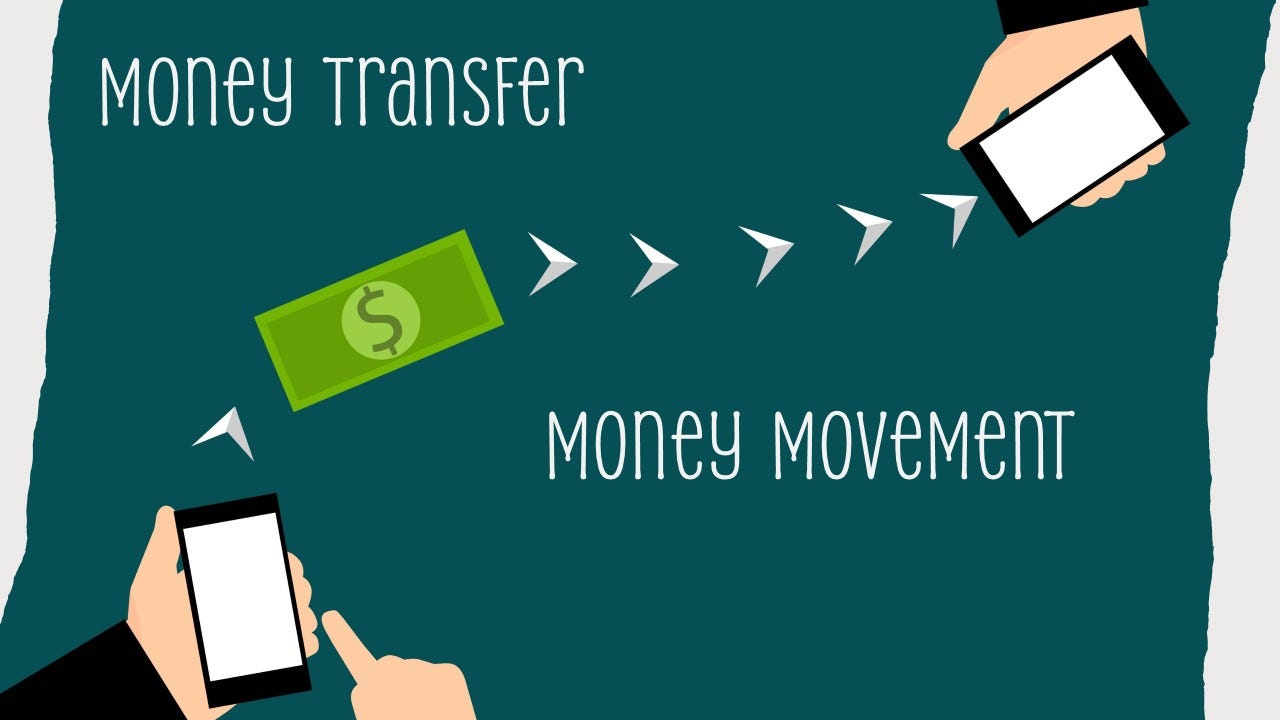
In the world of financial technology (fintech), money movement refers to the digital transfer of funds across accounts, individuals, or institutions using tech-enabled platforms. Far from a behind-the-scenes function, it’s the driving force behind seamless commerce, financial innovation, and economic stability. Money movement refers to the digital transfer of funds between accounts, individuals, institutions, or systems. This can range from sending a few rupees via UPI to moving millions across borders through corporate channels. It’s the core function that enables fintech services to operate smoothly and efficiently. The speed and scale of these transactions are evolving rapidly. Money movement forms the foundation of everyday economics — powering everything from bill payments and salary deposits to stock investments and coffee purchases.
To thrive in today’s digital economy, businesses must understand how money moves. It’s essential for protecting assets, preventing fraud, and ensuring customer trust. The rise of cutting-edge payment technologies has unlocked new opportunities — while also amplifying security challenges.
From bank transfers and digital wallets to cryptocurrency, money movement isn’t just a mechanism — it’s the heartbeat of modern finance.
Traditional Methods of Money Movement
Traditional methods of money movement tend to work well for low-volume transactions, but struggle to scale with business growth and are vulnerable to fraud.
Cash transactions: Cash transactions remain a foundational element in many economic processes. This enduring relevance is attributed to the fact that cash transactions don’t require a bank account, technological devices, or access to the Internet. In addition, some individuals prefer using cash due to considerations of privacy.
Bank transfers: Bank transfers involve the electronic movement of funds between different bank accounts. This financial transaction method is versatile, accommodating transfers of various amounts for purposes such as bill payments, business transactions, and personal financial management.
Common types of bank transfers include wire transfers, online banking transfers, and automated clearing house (ACH) transactions. These transfers can occur within the same bank or extend across different banks, providing a secure and convenient means of moving money.
Automated clearing house (ACH) transfers: The ACH system serves as a network facilitating electronic fund transfers among banks within the United States. Widely used for domestic transactions, such as direct deposits, bill payments, and person-to-person transfers, ACH transfers are typically processed in batches at scheduled intervals, such as daily or multiple times daily. Due to the use of batching, transactions may not occur instantly, leading to a delay of a few business days before funds are successfully transferred. Despite this slower pace, ACH transfers boast advantages such as being cost-effective and highly reliable.
Innovations in Money Movement
While traditional money movement methods remain functional, they face competition from high-tech solutions that challenge the conventional boundaries between banking, payments, and commerce.
Contemporary money movement technologies prioritize speed and security, enabling businesses to transfer larger sums at an accelerated pace. As money movement becomes faster, it’s also an increasing target for fraudulent transactions.
Payment services: Payment services refer to a range of financial solutions facilitating transactions without needing physical currency. Payment services include banks, established card networks such as Visa and Mastercard, and innovative fintech companies. They encompass various methods, from traditional card transactions to advanced mobile and digital payment options. Payment services enable individuals and businesses to transfer funds, make purchases, and conduct financial transactions seamlessly, emphasizing convenience, speed, and security. The increasing use of payment services highlights the transition towards cashless transactions in today’s digital age.
Electronic funds transfers: Electronic funds transfers (EFTs) represent a broad range of financial transactions, including wire transfers, QR code payments, credit and debit transactions, and ACH transfers. This comprehensive category provides individuals and businesses with the convenience, efficiency, and security of conducting various financial transactions electronically, eliminating the need for physical checks or cash. The selection of a specific EFT method relies on factors such as the nature of the transaction, the parties involved, and the desired speed and cost of the transfer.
Online and mobile banking transfers: Online and mobile banking transfers have become increasingly popular. This preference stems from the ease with which customers can seamlessly transfer money between accounts or send funds to others through their bank’s dedicated application or website. The user-friendly interface and accessibility of these platforms contribute to their widespread adoption. In addition, online and mobile banking transfers often incur little to no fees, making them a cheaper choice than alternative methods.
Mobile wallets: Mobile wallets are a convenient solution for keeping digital financial information readily accessible. Platforms like Apple Wallet, Google Wallet, and Samsung Wallet provide a user-friendly method to store financial details on various mobile devices, including phones, tablets, and smartwatches. These software applications often offer enhanced security features compared to physical cards, utilizing encryption, PINs, passcodes, or passwords to safeguard information.
Peer-to-peer (P2P) payments: P2P payment systems are specialized money transfer applications that empower users to send and receive money on their devices without exposing their bank details. Notable P2P payment systems include Taptap Send, Venmo, Zelle, and Cash App.
Cryptocurrency: Crypto is an extremely hot topic in the fintech world. Cryptocurrencies like Bitcoin, Ethereum, and Monero provide a decentralized and digital avenue for transferring money. Users can engage in direct and secure fund transfers anonymously, eliminating the need for intermediaries such as banks.
Key Aspects of Money Movement in Fintech:
-
Payment Processing: Examples: Stripe, Razorpay, Square. These platforms move money from customers to merchants during online transactions.
-
Peer-to-Peer (P2P) Transfers: Examples: Venmo, Google Pay, PhonePe. Users can send money instantly to friends or family using mobile apps.
-
Banking-as-a-Service (BaaS): Fintechs integrate with traditional banks to offer services like account creation, fund transfers, and card issuance. Examples: Zeta, Synapse, M2P
-
Automated Clearing and Settlement: Fintechs use systems like ACH, UPI, NEFT, or RTGS to move money between banks or accounts.
-
Digital Wallets: Store money digitally and allow users to pay for goods/services or transfer funds. Examples: Paytm Wallet, Amazon Pay
-
Cross-Border Transfers: Fintechs like Wise or Remitly offer cheaper and faster international money movement compared to traditional banks.
7. Embedded Finance: Non-financial platforms (like e-commerce or ride-hailing apps) integrate financial services, enabling seamless money movement within their ecosystems.
Why It Matters
- Facilitates commerce: Enables buying, selling, and investing.
- Supports payroll: Ensures timely employee compensation.
- Drives innovation: Powers fintech solutions like real-time payments and earned wage access.
- Requires security: As speed increases, so does the risk of fraud.
Top Challenges with Money Movement
Despite the many methods available for moving money, the process is not always seamless or frictionless. Factors such as technical glitches, transaction fees, processing delays, and security concerns can impact the speed, reliability, and cost of transfers. Here are some of the major concerns that come up during money movement.
Transaction fees and delays: Financial institutions and payment providers often impose fees that vary in cost depending on the value, speed, and geographic location of a transaction. Additionally, processing delays are still a major issue. Legacy technologies, high transaction volumes, and complex verification processes can lead to frustrating delays for users who expect efficient money movement.
Regulatory compliance: Complying with domestic and international regulations is usually complex and can be expensive. Financial institutions and businesses must invest in compliance measures to ensure they meet regulatory standards. Any business that fails to achieve compliance risks legal repercussions, fines, and reputational damage.
Exchange rate fluctuations: When it comes to moving money across borders and between multiple currencies, transactions can be subject to unpredictable exchange rates. Volatile fluctuations in exchange rates may result in financial losses or gains, adding an element of uncertainty to international transactions.
Security concerns: As digital transactions become faster and more accessible, they also open the door to fraud and cyber threats. Malicious actors continuously seek vulnerabilities in electronic payment systems, aiming to breach accounts and access sensitive financial data. Without strong safeguards, both consumers and businesses face the risk of sudden and significant financial losses. In today’s hyper-connected financial environment, robust security measures — from encryption to real-time threat detection — aren’t just a recommendation; they’re a necessity. Protecting digital payment channels is critical to maintaining trust, ensuring safety, and securing the future of financial innovation. Want help adding specific security practices or recent industry stats to back this up? I’d be happy to expand it!
How to Overcome Money Movement Challenges
Thanks to the range of options for conducting financial transactions, you should always be able to move your money efficiently and economically.
Comparison shopping: Avoiding high transaction fees starts with comparing your options. Look for financial platforms that offer transparent and easy-to-understand pricing models, allowing you to identify the most competitive rates available. Thanks to lean infrastructure and advanced technology, many modern fintech solutions deliver significantly lower fees than traditional banking services. Whether you’re transferring funds domestically or internationally, exploring these alternatives can help you cut costs and boost value.
Real-time processing systems and automated verification: Modern fintech platforms are revolutionizing financial operations by integrating real-time processing and automated verification technologies. These innovations optimize transaction workflows by significantly reducing processing time and cutting down manual intervention — resulting in faster and more reliable money movement. By eliminating traditional bottlenecks, these systems enable instantaneous fund transfers and deliver a smoother user experience. Real-time automation not only enhances efficiency and accuracy, but also improves customer satisfaction and overall business agility. This cutting-edge capability is a defining strength of today’s fintech landscape, powering high-speed financial services and setting a new standard for how money moves in the digital age.
Centralized compliance management: In a rapidly evolving regulatory landscape, centralized compliance management systems have become a vital asset for financial institutions. These platforms streamline the process of staying aligned with intricate legal requirements by employing automated verification tools that monitor transactions in real time — drastically reducing the likelihood of violations and financial penalties. While routine audits are still necessary to uphold system accuracy and ensure regulatory relevance, automated compliance solutions offer a level of speed, consistency, and precision that far surpasses manual review. By consolidating oversight into a single hub, institutions benefit from greater transparency, quicker response times, and fewer compliance errors — allowing them to operate with agility and confidence. These systems also optimize human resources, shifting the focus from repetitive checks to strategic tasks. With automation at the helm, organizations gain a scalable and dependable method of managing compliance — essential for thriving in today’s tightly regulated financial environment.
Multi-Layered Security: Protecting your business and customers requires a resilient, multi-layered security strategy. Leading fintech companies implement advanced safeguards to reduce risk, ensure operational continuity, and maintain customer trust. A strong security framework should include:
- End-to-End Encryption — Ensures data remains private and secure throughout transmission.
- Two-Factor (2FA) and Multi-Factor Authentication (MFA) — Adds layers of verification for secure user access.
- Biometric Verification — Uses fingerprint or facial recognition to confirm identity with precision.
- Know Your Customer (KYC) Protocols — Verifies user legitimacy and ensures regulatory compliance.
These technologies work in unison to defend against fraud and prevent unauthorized access to sensitive financial information. Complementing them, AI-driven fraud detection systems continuously monitor transactions in real time, identifying and responding to suspicious activity before it escalates. In today’s landscape of increasingly sophisticated cyber threats, implementing such a comprehensive security approach isn’t just a best practice — it’s a necessity.
What’s Next?
The future of money movement is evolving toward programmable payments, AI-powered fraud prevention, and seamless digital currency interoperability. As central banks delve into digital currencies and fintech innovators continue to push boundaries, the flow of money is becoming increasingly intelligent, inclusive, and invisible.
메타데이터
- post_id
- b2eecfa69e9f
- slug
- money-movement-the-lifeblood-of-the-modern-economy-b2eecfa69e9f
- url
- https://medium.com/@shraddhazladhe/money-movement-the-lifeblood-of-the-modern-economy-b2eecfa69e9f
- canonical_url
- https://medium.com/@shraddhazladhe/money-movement-the-lifeblood-of-the-modern-economy-b2eecfa69e9f
- author_url
- https://medium.com/@shraddhazladhe
- status
- ok
- fetched_at
- 2026-07-08 11:54:00