What got me Hooked, and it wasn’t an App
Recently, we came across the popular ‘Hooked’ model by Nir Eyal during our Consumer Behaviour course at SPJIMR. It felt very relatable, and…
What got me Hooked, and it wasn’t an App
Recently, we came across the popular ‘Hooked’ model by Nir Eyal during our Consumer Behaviour course at SPJIMR. It felt very relatable, and I couldn’t stop thinking about where I’ve seen this in action.
It wasn’t Instagram or FB since I sparingly use these platforms. It wasn’t LinkedIn or YouTube either, because there are no triggers (I’ve disabled all notifications). And then it struck me — it was no digital product or service, it was ‘The Bombay Sweet Shop (BSS)’.
When I researched further, I found that the model maps surprisingly well onto offline experiences too. Here’s how The Bombay Sweet Shop uses each phase to turn a one-time craving for delight into a sweet habit….
Bonus: See the Explainer video at the end of the article!
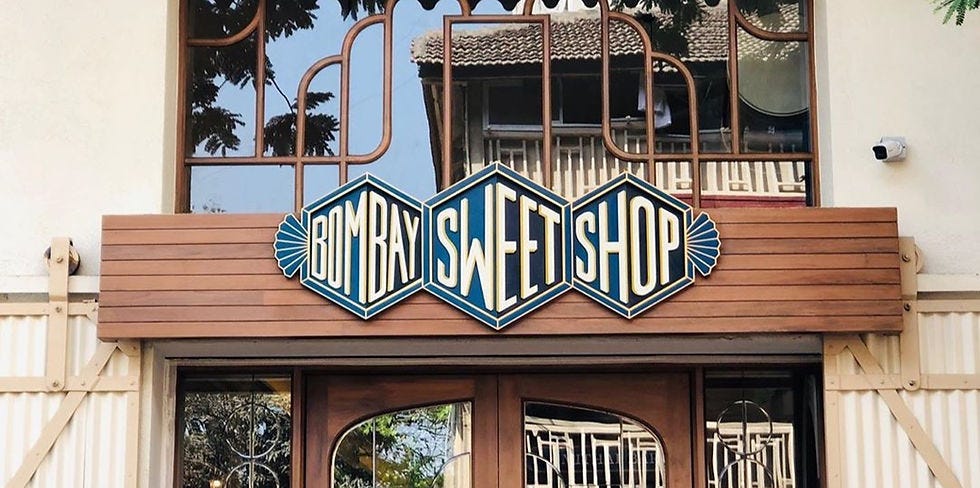
About The Bombay Sweet Shop
The Bombay Sweet Shop is positioned as a contemporary brand that reinterprets traditional Indian sweets with a focus on play, innovative presentation, and unique flavors.
Its core identity is evident in its branding and packaging, which is described as “delicious” and developed by Please See, a studio specializing in the food and beverage sector. The brand consciously aims to evoke “feelings of nostalgia…brimming with sweetness, celebration, togetherness and warmth”, indicating an intention to forge an emotional connection with consumers beyond the mere consumption of sweets.
The Hook Model

Nir Eyal’s Hook Model is a four-stage behavioral loop:
- Trigger: A cue, can be external or internal, that prompts the user to take action.
- Action: A simple behavior performed in anticipation of a reward.
- Variable Reward: The unpredictable gratification that keeps users coming back.
- Investment: The effort the user puts in, which increases their likelihood of returning.
It's designed to help orgs create compelling, habit-forming products. The model’s ultimate objective is to enable customers to use a product without conscious thought or continuous external prompts, driven instead by internal psychological cues.
While the Hook Model gained prominence through its application to digital products like Instagram, EverNote, and YouTube, its core principles are deeply rooted in human psychology and are broadly applicable to any product or service seeking to drive repeated engagement as we shall see below.
The Sweet Hook
#1: Trigger
Here are a few moments from my life where The Bombay Sweet Shop hijacked my brain….
Scenario 1: You’ve just demolished a plate of rajma chawal. You’re full… but are you really satiated? Just then — ping — a Zomato notification slides in reading:
“Craving something delightful? Check out the Bombay Sweet Shop →”.
You tap onto the notification, and just like that, you are greeted with mouth-watering names of desserts like Coffee Rasgulla Tiramisu, Kesar Rasmalai, Matcha Latte, and the ever perennial Gulab Jamun…
Scenario 2: You’ve just finished watching a movie at PVR, and you’re heading back when someone suggests, “Hey guys, can we grab a quick bite at a quiet and ambient place?” And instantly someone replies: “Bombay Sweet Shop?”
Scenario 3: After a gruelling 1.5 month MBA term, we were finally ready for our 3-day term break. As my friends and I were discussing our travel arrangements back home, one of them asked: “I want to take something for my parents, something they’ll actually like”…..and all of us responded in unison: “The Bombay Sweet Shop”!

Zomato Order Menu for Bombay Sweet Shop
These are 3 instances of triggers that resonate with deeper internal cues, such as the need for emotional comfort, the desire for social bonding, self-indulgence, or fulfilling social obligations.
BSS also strategically capitalizes on cultural and festive moments, actively promoting seasonal and limited-edition offerings for occasions like Diwali, Rakhi, Holi, and Eid. These timely promotions function as external triggers, seamlessly associating the brand with celebratory traditions. The brand’s emphasis on both traditional flavors and innovative twists ensures that the internal trigger is continuously refreshed and reinforced.
#2: Action
The Bombay Sweet Shop offers multiple, low-friction pathways for consumers to take action (make a purchase). Placing an order via Q-commerce platforms like Zomato & Swiggy is the most common. These platforms are inherently designed for seamless transactions, leveraging saved user preferences, addresses, and payment methods to enable rapid, often impulse, purchases.
Next, BSS’s own website also facilitates direct orders, offering “Same Day Shipping” within Mumbai and “All India Shipping” options.
BSS also operates out of 4 Physical stores, at locations such as Byculla, Bandra, Kala Ghoda and most recently, Oshiwara, which serve as another key action avenue.
Intentional design choices such as a “Mithai bar” and interactive counters , and engaging humorous puns such as “All’s well that ends Bhel” makes the experience memorable as well.
Bombay Sweet Shop — Oshiwara Outlet
#3: Variable Reward
The hook model talks about three kinds of rewards:
- Rewards of the Tribe: pertaining to social acceptance and connection
- Rewards of the Hunt: involving the search for material resources or information
- Rewards of the Self: relating to personal gratification or mastery
The Bombay Sweet Shop skillfully incorporates all three 3 types of variable rewards.
Rewards of the Hunt
The brand consistently introduces innovative flavors and seasonal collections. New flavours to try such as Mango Matcha Tres Leches also speak to this aspect. BSS also engages in high-profile collaborations with brands like Parle-G, Netflix (The Archies), and Starbucks, offering limited-time products. This continuous stream of novel products creates a “reward of the hunt” for new tastes and experiences, maintaining consumer curiosity and encouraging repeat visits.
Rewards of the Self
These are delivered through the sensory experience and personal gratification derived from BSS products. Customer reviews frequently commend the “consistency of taste and texture” and describe items as “pure chocolate heaven”. This direct, consistent sensory pleasure is a powerful intrinsic reward that satisfies cravings and provides personal delight.
Rewards of the Tribe
BSS strongly positions itself as a premium gifting option, as narrated above. The act of gifting BSS products provides social validation for the giver, “Something special for someone special”, and creates delight for the recipient, reinforcing the brand’s positive social association. The unboxing experience is another significant element as BSS’s “customizable and personalized packaging options” elevate the act of receiving and opening the product. It links the brand to moments of generosity, connection, and celebration.

Images of delicious desserts from The Bombay Sweet Shop
And finally….
#4: Investment
The Bombay Sweet Shop has one of the most powerful and organic forms of investment that users can provide: “User-Generated Content”.
The experience of consuming a sweet doesn’t end after gulping it. Users dedicate their time, effort, and social capital to create and share content related to the brand. BSS’s products are inherently visual due to their delicious branding and packaging design work.
This visual appeal naturally encourages sharing on platforms like Instagram, where they are not only making an investment but also generating authentic social proof and acting as powerful external triggers for their network. This peer-to-peer recommendation is highly trusted and influential. This social proof then attracts new customers, who, upon experiencing the product, are also likely to create and share UGC, thereby creating a virtuous cycle.
BSS has effectively “gamified” the investment phase by designing a product and experience that is inherently shareable and aspirational. This transforms individual customer investment into a powerful, organic marketing channel, amplifying brand reach and reinforcing the habit loop through continuous social validation and new customer acquisition.

Instagram story of an SPJIMR student
Conclusion
The Bombay Sweet Shop provides a compelling real-world example of how Nir Eyal’s Hook Model can be effectively applied to a non-digital consumer product.
BSS serves as a potent case study demonstrating that the principles of habit formation, often exclusively associated with digital products, are equally powerful for physical goods and services. Its success highlights that a strong brand identity, continuous product innovation, and a seamless, low-friction customer journey are universal drivers of repeat engagement and loyalty, regardless of the retail format.
The result? It’s got me hooked….how about you?
[embed]2 minute explainer video
References
- https://bombaysweetshop.com/pages/about-us
- https://www.itsnicethat.com/articles/the-view-from-mumbai-indian-packaging-graphic-design-300424
- https://www.thehindu.com/food/features/bombay-sweet-shop-and-starbucks-launch-limited-edition-deepavali-desserts/article68790606.ece
- https://www.vidhidoshi.com/bombay-sweet-shop
메타데이터
- post_id
- b2fd22a64d48
- slug
- what-got-me-hooked-and-it-wasnt-an-app-b2fd22a64d48
- url
- https://medium.com/@jainsamyak330/what-got-me-hooked-and-it-wasnt-an-app-b2fd22a64d48
- canonical_url
- https://medium.com/@jainsamyak330/what-got-me-hooked-and-it-wasnt-an-app-b2fd22a64d48
- author_url
- https://medium.com/@jainsamyak330
- status
- ok
- fetched_at
- 2026-06-27 07:40:21