Corporate gifting etiquette in Singapore: giving well through the year
A founder’s practical guide to giving corporate gifts thoughtfully in a multicultural city, across the seasons and without missteps…
Corporate gifting etiquette in Singapore: giving well through the year
A founder’s practical guide to giving corporate gifts thoughtfully in a multicultural city, across the seasons and without missteps, written by the founder of a Singapore fragrance house.

Corporate gifting in Singapore has a particular character, because Singapore does. We give across several cultures and calendars, to clients, staff and partners who may observe very different customs, and the same gift that delights one person can quietly misfire with another. None of this is hard once you think about it, and the thinking is the whole point. This is a practical guide to giving corporate gifts well here, through the year and across the differences, so that the gesture lands the way you intend.
The golden rule: give for the recipient, not for yourself
Every point that follows comes back to one principle. A good corporate gift is chosen for the person receiving it, with their tastes, their customs and their situation in mind, rather than for the giver’s convenience or branding. Get that orientation right and most etiquette takes care of itself. Get it wrong and no amount of expense will rescue the gesture. In a diverse city, giving for the recipient simply requires a little more attention to who the recipient actually is, which is time well spent.
Be mindful across cultures
Singapore’s festive calendar runs across Chinese New Year, Hari Raya, Deepavali and the year-end season, among others, and colleagues and clients may observe any, all or none of them. A few considerate habits go a long way.
Mind food and drink. Consumable gifts are popular, but they carry the most pitfalls, since dietary and religious considerations vary widely. If you are giving food, be sure it suits the recipient, and if you are unsure whether alcohol or particular ingredients are appropriate, choose something else. A non-consumable gift sidesteps this entirely, which is part of why it is often the safer choice for a mixed group.
Be aware of a few customs around symbolism. In some Chinese customs, for instance, certain items such as clocks are traditionally avoided as gifts, and while not everyone observes these, being aware of them helps you avoid an accidental misstep. You do not need to become an expert in every tradition. You simply need enough awareness to choose something broadly welcome rather than accidentally awkward.
When in doubt, choose neutral and high quality. A well-made, non-consumable gift that carries no dietary or symbolic baggage is the reliable choice across a diverse group, which is one reason considered ambient and fragrance gifts travel so well across the different seasons.
Timing matters as much as the gift
In Singapore’s calendar, timing is part of the etiquette. A festive gift that arrives after the festival has lost most of its meaning, and a rushed, last-minute gift tends to look exactly like what it is. The considerate approach is to plan around the season well ahead, especially for the busy year-end and Chinese New Year periods when everyone is gifting at once and good makers book up early. Giving yourself time is not only practical; it is itself a form of respect, because it shows the gift was planned rather than scrambled.
Client gifts and staff gifts are different
It helps to separate the two, because they carry different meanings. A client or partner gift is a gesture within a professional relationship, so it should feel considered and appropriate to that relationship without being so lavish that it creates discomfort or the wrong impression. A staff gift is more personal and more about care, and it is often best when it feels genuinely thoughtful rather than like a routine handout. The same festive season may call for quite different gifts to these two groups, and treating them as interchangeable is a common way to get both slightly wrong.
A word on gifts to the public sector
One Singapore-specific point deserves care. Public officers are subject to strict rules on accepting gifts, and what is a warm gesture in the private sector can put a government counterpart in a difficult position. If you are gifting to anyone in the public sector, check what is permissible first, and when in doubt, keep it modest and transparent or hold off entirely. Getting this wrong helps no one, so it is worth a moment’s diligence.
Personalisation, done with restraint
A little personalisation lifts a corporate gift, since a name, a note or a considered detail signals that the recipient was actually thought about. The etiquette is restraint. A handwritten card almost always outperforms a heavily branded package, and a small, tasteful mark beats a large logo. The aim is to make the recipient feel seen, rather than to make the gift another surface for the company’s marketing. Warmth reads as sincerity; branding reads as branding.
Where scent fits
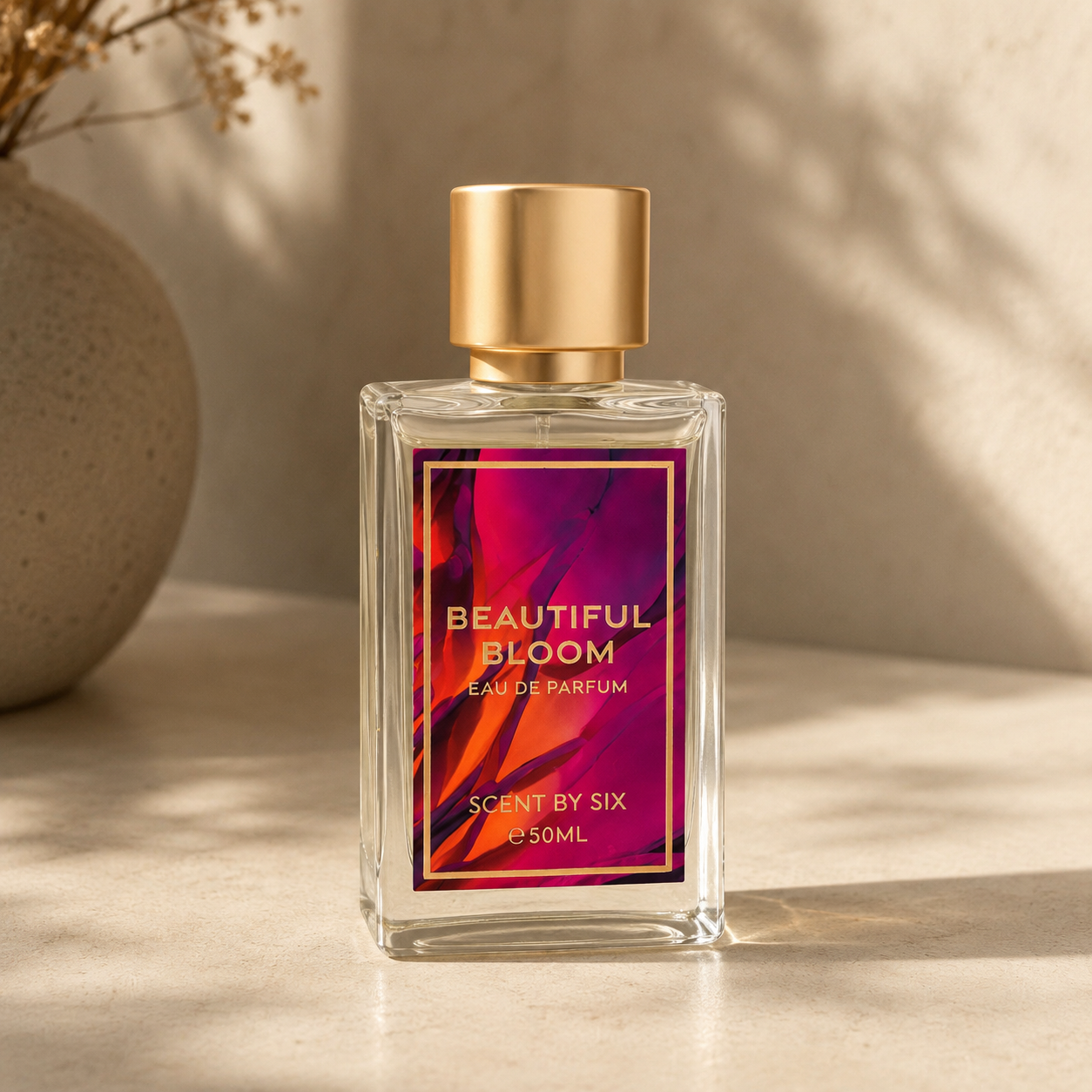
Fragrance and ambient gifts sit comfortably within all of this, which is part of why they endure as corporate gifts here. A considered scent is non-consumable, so it avoids most dietary and religious pitfalls, and it suits nearly every season. It is also personal in the best sense, since scent connects to emotion and memory directly, so a well-chosen fragrance gift tends to be kept and quietly remembered rather than consumed and forgotten.¹ Chosen with the recipient in mind and given with a little warmth, it is about as safe and as meaningful as corporate gifting gets in a city as varied as ours.
Frequently asked questions
What is good corporate gifting etiquette in Singapore? The core of it is to give for the recipient rather than for yourself, with their tastes, customs and situation in mind. In practice that means being mindful of dietary and religious considerations, being aware of a few cultural symbolisms, timing gifts to the season, distinguishing client gifts from staff gifts, and keeping branding restrained. When in doubt, choose a neutral, high-quality, non-consumable gift.
What corporate gifts should be avoided in Singapore? Be cautious with consumables that may not suit a recipient’s dietary or religious needs, with items that carry awkward symbolism in some cultures, and with anything overly lavish that could embarrass the recipient or, in the public sector, breach gift rules. Also avoid heavily logo-branded, impersonal gifts, which tend to read as marketing rather than gesture.
When should companies send festive corporate gifts? Ahead of the festival, not after it, and with enough lead time to have something considered made or prepared. Singapore’s calendar includes Chinese New Year, Hari Raya, Deepavali and the year-end season, and the busy periods book up early, so planning well in advance is both practical and a sign of respect.
Can you give corporate gifts to government or public sector contacts? Only with care. Public officers face strict rules on accepting gifts, so check what is permissible before gifting to anyone in the public sector, and when unsure, keep it modest and transparent or refrain. A gesture that puts a counterpart in a difficult position is worse than no gift at all.
Are scented or fragrance gifts appropriate as corporate gifts here? Yes, and they suit our context well. A considered fragrance or ambient gift is non-consumable, so it avoids most dietary and religious pitfalls, works across the seasons, and tends to be kept and remembered because scent ties so closely to emotion and memory. Chosen with the recipient in mind and given with warmth, it is a safe and meaningful choice.
Notes
- Christopher H. Hawkes, The Neurology of Olfaction (Cambridge University Press), on the olfactory system’s direct links to the brain’s emotion and memory centres, which is why a well-chosen scented gift tends to be remembered rather than forgotten. Summarised in our own words.
Jason Lee is the founder and CEO of Scent by SIX, a Singapore artisanal fragrance house that designs and composes its own fragrances, creates bespoke and private-label scents for brands and spaces, and runs ambient scenting and perfumery workshops. The studio’s work includes Batik Flora for Singapore Airlines, the TCM collaboration with Eu Yan Sang, the Hikaru collection with the Singapore Association for Mental Health, and the Care Range with Caregivers Alliance. Jason writes weekly on fragrance design and on what scent can do for Singapore.
메타데이터
- post_id
- b32c8ad9940e
- slug
- corporate-gifting-etiquette-in-singapore-giving-well-through-the-year-b32c8ad9940e
- url
- https://medium.com/@scentbysix/corporate-gifting-etiquette-in-singapore-giving-well-through-the-year-b32c8ad9940e
- canonical_url
- https://medium.com/@scentbysix/corporate-gifting-etiquette-in-singapore-giving-well-through-the-year-b32c8ad9940e
- author_url
- https://medium.com/@scentbysix
- status
- ok
- fetched_at
- 2026-08-07 12:49:38