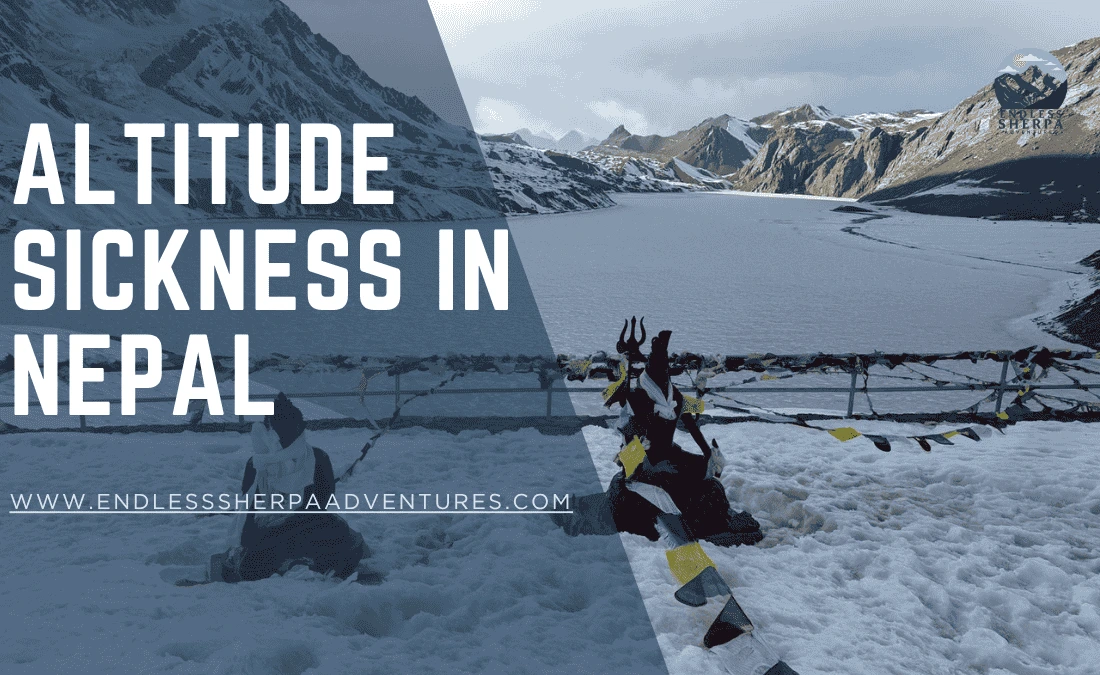
Altitude Sickness in Nepal: What Every Trekker Should Know
Nepal attracts hundreds of thousands of trekkers each year, drawn by the world’s highest mountains. However, as altitude increases, oxygen…
Altitude Sickness in Nepal: What Every Trekker Should Know
Nepal attracts hundreds of thousands of trekkers each year, drawn by the world’s highest mountains. However, as altitude increases, oxygen availability decreases, making altitude sickness one of the most common and serious risks in the Himalayas.
Understanding its causes, symptoms, prevention, and response is essential for a safe and successful trekking experience.
What is Altitude Sickness?
At higher elevations, air pressure drops, meaning fewer oxygen molecules are available with each breath. Although oxygen concentration remains about 21%, the body receives less oxygen, forcing it to adapt through a process called acclimatization.
If ascent is too rapid, the body cannot adjust, leading to altitude sickness.
Types of Altitude Sickness
- Acute Mountain Sickness (AMS)
Occurs 6–12 hours above 2,500m
Symptom: headache, nausea, fatigue, dizziness, poor sleep
- High Altitude Cerebral Edema (HACE) (life-threatening)
Symptoms: confusion, loss of coordination, hallucinations
- High Altitude Pulmonary Edema (HAPE) (life-threatening)
Symptoms: breathlessness at rest, persistent cough, chest tightness
AMS is common, affecting 34–57% of trekkers in regions like Annapurna, and can escalate quickly if ignored.
Why does Nepal have a high risk?
Many trekking routes exceed 3,000m:
- Everest Base Camp:5,364m
- Thorong La Pass: 5,416m
- Annapurna Base Camp: 4,130m
Increased road access allows rapid ascent (e.g., driving to 3,700m), which significantly raises risk. In 2023–2024, multiple altitude-related deaths occurred in regions like Mustang and Manang, often due to ascending too quickly.
Recognizing Early Symptoms
Common early signs include:
- Headache
- Fatigue
- Poor sleep
- Loss of appetite
Serious warning signs:
- Persistent headache despite medication
- Severe vomiting
- Loss of coordination
- Breathlessness at rest
- Persistent cough or frothy sputum
The Lake Louise Score helps assess severity. A score ≥3 with headache indicates AMS and requires stopping ascent.
Who is at Risk?
Altitude sickness can affect anyone, regardless of fitness or experience.
Higher risk groups:
- Fast climbers
- Younger, fitter trekkers who push harder
- Individuals with heart or respiratory conditions
Previous trekking experience does not guarantee immunity.
Prevention Strategies
- Ascend gradually (300–500m per day above 3,000m)
- Take rest days every 1,000m
- Follow “Climb High, Sleep Low.”
- Avoid alcohol and smoking
- Maintain hydration and nutrition
Diamox (Acetazolamide)
- 125 mg twice daily, starting 1–2 days before ascent
- Helps increase breathing rate
- Possible side effects: tingling, frequent urination, taste changes
- Always consult a doctor before use
Trekking with experienced guides ensures proper pacing and acclimatization planning.
What to do if Symptoms appear?
- Stop ascending immediately
- Stay at the same altitude
- Hydrate and inform your group or guide
If symptoms persist beyond 24 hours or worsen:
- Descend 300–500m immediately
- Do not delay descent in severe cases
Medical aid posts are available in:
- Pheriche (Everest region)
- Manang (Annapurna region)
Emergency Rescue and Evacuation
If descent is not possible:
- Helicopter evacuation is required
- Cost: $2,500-$5,000+
Important:
- Many insurance policies do not cover high-altitude evacuation
- Ensure your policy includes helicopter rescue
Emergency contact: 112 (Nepal)
Preparation Before Trekking
- Consult a doctor (Diamox, health conditions)
- Build cardiovascular fitness
- Carry a pulse oximeter
- Pack first aid supplies
- Ensure proper insurance coverage
Key Reminder
The safest trekkers are those who:
- Listen to their bodies
- Respect altitude
- Turn back when necessary
The mountains will always be there.
Final Thought
Altitude sickness is preventable with knowledge, preparation, and proper guidance. Trekking in Nepal is a life-changing experience, but only when approached responsibly.
At Endless Sherpa Adventures, safety is prioritized through carefully designed itineraries, proper acclimatization schedules, and experienced Sherpa guides across Everest, Annapurna, and Langtang regions, ensuring trekkers experience the Himalayas safely and confidently.
For more detailed information: endlesssherpaadventures.com
메타데이터
- post_id
- b347ba494b69
- slug
- altitude-sickness-in-nepal-what-every-trekker-should-know-b347ba494b69
- url
- https://medium.com/@endlesssherpaadventures/altitude-sickness-in-nepal-what-every-trekker-should-know-b347ba494b69
- canonical_url
- https://medium.com/@endlesssherpaadventures/altitude-sickness-in-nepal-what-every-trekker-should-know-b347ba494b69
- author_url
- https://medium.com/@endlesssherpaadventures
- status
- ok
- fetched_at
- 2026-06-26 21:52:29