Why Medication Therapy Management Is Important for Value-Based Care Programs
The healthcare landscape is rapidly evolving. As the industry shifts from traditional fee-for-service models to value-based care, the focus…
Why Medication Therapy Management Is Important for Value-Based Care Programs
The healthcare landscape is rapidly evolving. As the industry shifts from traditional fee-for-service models to value-based care, the focus is now on improving patient outcomes, reducing costs, and enhancing the quality of care. One essential component driving this shift is medication therapy management. But what exactly is medication therapy management, and why is it so critical for value-based care programs? Let’s explore how medication therapy management is shaping the future of healthcare and why it should be at the heart of every value-based care initiative.
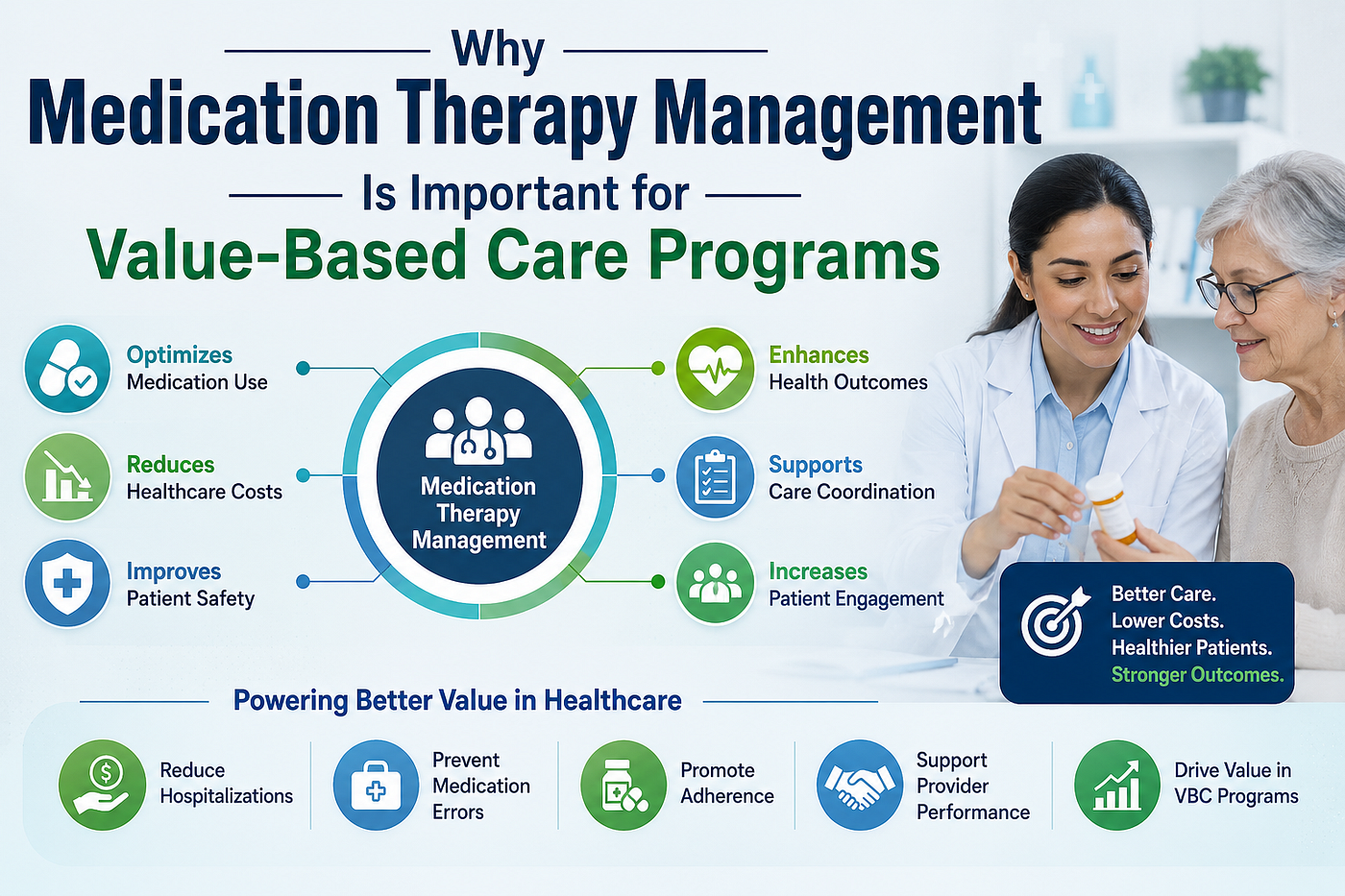
Understanding Medication Therapy Management
Medication therapy management (MTM) is a patient-centric approach that ensures patients receive the most benefit from their medications while minimizing potential risks. MTM involves a range of services provided by pharmacists or other healthcare professionals to optimize drug therapy and improve therapeutic outcomes for patients.
Key elements of medication therapy management include:
- Comprehensive medication reviews
- Medication reconciliation
- Drug interaction screenings
- Paient education and counseling
- Coordination with other healthcare providers
By providing a holistic approach to medication management, MTM addresses common issues such as medication errors, non-adherence, and adverse drug reactions — all of which can have a significant impact on patient outcomes and healthcare costs.
The Role of Medication Therapy Management in Value-Based Care Programs
Value-based care programs reward healthcare providers based on the quality of care delivered rather than the quantity of services provided. The ultimate goal is to improve patient health outcomes while reducing the overall cost of care. Here’s how medication therapy management fits into this model:
Improving Medication Adherence
One of the biggest challenges in healthcare is ensuring that patients take their medications as prescribed. Non-adherence can lead to disease progression, hospital readmissions, and increased healthcare costs. Medication therapy management helps by:
- Educating patients about the importance of taking their medications
- Identifying barriers to adherence, such as side effects or cost
- Developing personalized strategies to improve adherence
Reducing Adverse Drug Events
Adverse drug events are a major concern, especially among patients with multiple chronic conditions who are often on complex medication regimens. Through regular medication reviews and monitoring, medication therapy management can:
- Detect potential drug interactions
- Identify duplicative or unnecessary medications
- Recommend safer alternatives when appropriate
Enhancing Care Coordination
Effective communication among healthcare providers is crucial for delivering high-quality care. Medication therapy management facilitates this by:
- Sharing updated medication lists with all providers involved in a patient’s care
- Collaborating with physicians, nurses, and specialists to ensure a unified care plan
- Preventing gaps in care that can lead to hospitalizations or complications
Lowering Healthcare Costs
Medication-related problems are a leading cause of preventable hospitalizations and emergency room visits. By proactively managing medications, medication therapy management can:
- Reduce the risk of costly complications
- Prevent unnecessary hospital admissions
- Support better chronic disease management, which in turn lowers overall healthcare expenses
Meeting Quality Metrics and Regulatory Requirements
Value-based care programs are often tied to specific quality metrics and regulatory requirements. Medication therapy management supports providers in meeting these goals by:
- Improving patient satisfaction and engagement
- Demonstrating measurable improvements in outcomes
- Supporting compliance with guidelines such as HEDIS and Star Ratings
Why Healthcare Organizations Should Prioritize Medication Therapy Management
As value-based care programs become more widespread, the importance of medication therapy management continues to grow. Healthcare organizations that invest in robust MTM services are better positioned to succeed in this new environment. Here are some reasons why:
Personalized Patient Care
Medication therapy management enables healthcare providers to deliver tailored care that addresses each patient’s unique needs. By taking into account a patient’s medical history, lifestyle, and preferences, MTM ensures that medication regimens are both effective and manageable.
Proactive Risk Management
By identifying potential medication-related risks before they become serious problems, medication therapy management helps providers intervene early. This proactive approach leads to better health outcomes and reduces the likelihood of costly complications.
Stronger Patient-Provider Relationships
MTM fosters open communication and trust between patients and their healthcare teams. When patients feel heard and supported, they are more likely to stay engaged in their care and achieve better results.
Better Performance in Value-Based Care Contracts
Healthcare organizations that excel in medication therapy management are more likely to meet the performance targets required by value-based care contracts. This not only benefits patients but also enhances the organization’s reputation and financial performance.
How to Implement Effective Medication Therapy Management in Value-Based Care Programs
To maximize the benefits of medication therapy management, healthcare organizations should consider the following best practices:
- Integrate MTM into care coordination workflows for high-risk patients
- Utilize technology, such as electronic health records and clinical decision support tools, to streamline MTM processes
- Provide ongoing training and support for pharmacists and other team members involved in MTM
- Measure and report on MTM outcomes to demonstrate value and drive continuous improvement
The Future of Medication Therapy Management in Value-Based Care
As healthcare continues to evolve, the role of medication therapy management will only become more important. With the rise of telehealth and digital health solutions, MTM services are becoming more accessible than ever before. This opens up new opportunities to reach underserved populations, improve medication safety, and drive better outcomes across the board.
Conclusion
Medication therapy management is a cornerstone of successful value-based care programs. By optimizing medication use, enhancing patient engagement, and supporting care coordination, MTM delivers measurable improvements in both outcomes and cost savings. As healthcare organizations continue to navigate the shift to value-based care, prioritizing medication therapy management will be key to achieving long-term success and delivering the highest quality care to patients.
If your organization is looking to enhance its value-based care strategy, investing in comprehensive medication therapy management services is a smart move. Not only will it improve patient outcomes, but it will also ensure you stay ahead in the ever-changing healthcare landscape.
메타데이터
- post_id
- b34ff24a97d2
- slug
- why-medication-therapy-management-is-important-for-value-based-care-programs-b34ff24a97d2
- url
- https://medium.com/@healtharc/why-medication-therapy-management-is-important-for-value-based-care-programs-b34ff24a97d2
- canonical_url
- https://medium.com/@healtharc/why-medication-therapy-management-is-important-for-value-based-care-programs-b34ff24a97d2
- author_url
- https://medium.com/@healtharc
- status
- ok
- fetched_at
- 2026-06-20 20:29:01