RWAFi Explained: Connecting Real World Assets with DeFi
The blockchain industry has evolved far beyond cryptocurrencies and speculative digital assets. Today, one of the most significant…
RWAFi Explained: Connecting Real World Assets with DeFi

Image Created By Quinn Donovan
The blockchain industry has evolved far beyond cryptocurrencies and speculative digital assets. Today, one of the most significant developments in the digital asset ecosystem is the integration of Real World Assets (RWAs) with decentralized finance (DeFi). This emerging sector, known as RWAFi, is creating new opportunities for investors, institutions, and businesses by bringing traditional assets onto blockchain networks.
RWAFi combines the value and stability of real-world assets with the transparency, accessibility, and efficiency of decentralized finance. Through asset tokenization, physical and financial assets such as real estate, bonds, commodities, private credit, and treasury instruments can participate in decentralized financial ecosystems.
As institutions increasingly explore blockchain-based financial infrastructure, RWAFi is becoming a major catalyst for the next phase of digital finance growth. By bridging traditional finance and DeFi, RWAFi expands investment opportunities while improving liquidity, accessibility, and capital efficiency.
What Is RWAFi?
RWAFi stands for Real World Asset Finance. It refers to the integration of tokenized real-world assets into decentralized finance protocols and applications.
Traditionally, DeFi has largely depended on crypto-native assets such as cryptocurrencies, stablecoins, and governance tokens. While these assets have enabled significant innovation, they often experience high volatility and limited connections to traditional financial markets.
RWAFi addresses this challenge by introducing real-world value into decentralized ecosystems. Through tokenization, ownership rights of physical or financial assets are converted into blockchain-based tokens that can interact with DeFi protocols.
Examples of assets used in RWAFi include:
- Real estate properties
- Government bonds
- Corporate bonds
- Treasury bills
- Precious metals
- Private credit funds
- Commodities
- Infrastructure assets
- Investment funds
- Invoice financing assets
By connecting these assets to blockchain networks, RWAFi creates a new financial layer where traditional and decentralized systems work together.
The Evolution of Real World Asset Tokenization
The concept of tokenization has gained significant momentum in recent years. Financial institutions, asset managers, and technology companies have recognized the potential benefits of converting traditionally illiquid assets into blockchain-based digital tokens.
Asset tokenization offers several advantages:
- Increased liquidity
- Fractional ownership
- Faster settlement
- Improved transparency
- Global accessibility
- Reduced administrative costs
As tokenization technology matured, the next logical step was integrating these assets into DeFi ecosystems. This evolution led directly to the emergence of RWAFi.
Instead of simply holding tokenized assets, investors can now utilize them within lending protocols, liquidity pools, yield-generation platforms, and other decentralized financial applications.
Why RWAFi Matters
RWAFi addresses some of the most important limitations of traditional DeFi.
Access to Stable Value
Many DeFi ecosystems rely heavily on volatile cryptocurrencies. Market fluctuations can create risks for investors and protocol participants.
Real-world assets often possess more stable valuations and predictable cash flows. Integrating these assets into DeFi introduces stability and diversification.
Expansion of Available Capital
The value of global real-world assets far exceeds the size of the cryptocurrency market.
By bringing traditional assets on-chain, RWAFi opens access to enormous pools of capital that can participate in decentralized finance ecosystems.
Improved Investor Confidence
Institutional investors often seek exposure to assets with tangible value and established performance histories.
Tokenized real-world assets can provide familiar investment opportunities while leveraging blockchain efficiencies.
Greater Market Accessibility
RWAFi enables investors from different regions to gain exposure to assets that may have previously been inaccessible due to geographic or financial barriers.
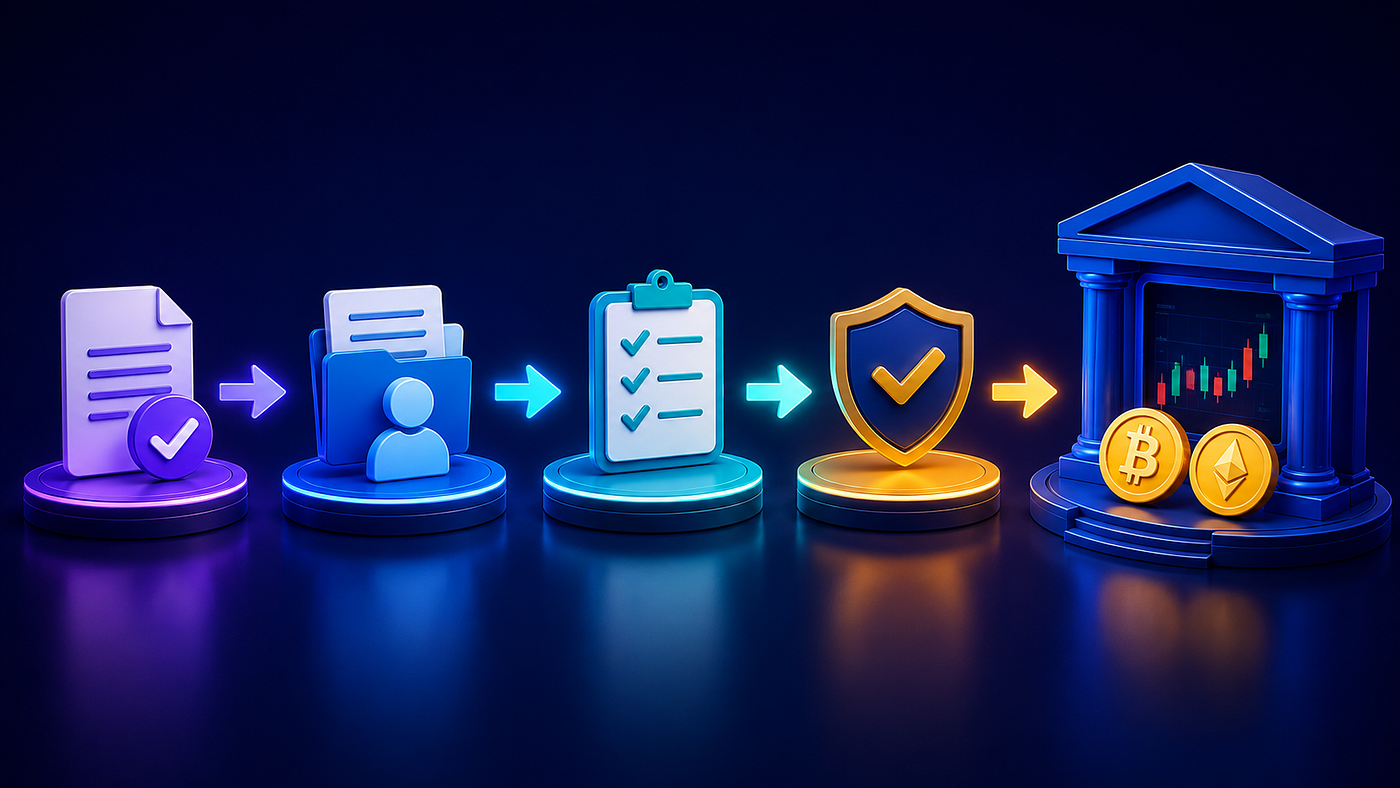
How RWAFi Works
RWAFi relies on a combination of blockchain technology, tokenization infrastructure, legal frameworks, and decentralized finance protocols.
Step 1: Asset Identification
The process begins with selecting a real-world asset suitable for tokenization.
Examples include:
- Commercial properties
- Residential real estate
- Government securities
- Precious metals
- Credit portfolios
- Infrastructure projects
Step 2: Legal Structuring
Ownership rights must be properly structured to ensure compliance with applicable regulations.
This often involves:
- Legal agreements
- Custody arrangements
- Asset verification
- Regulatory compliance procedures
Step 3: Tokenization
The selected asset is converted into digital tokens that represent ownership, rights, or economic interests.
These tokens are issued on blockchain networks through smart contracts.
Step 4: Blockchain Integration
The tokenized asset is recorded on a blockchain where ownership and transactions can be tracked transparently.
Step 5: DeFi Participation
Once tokenized, the asset can interact with decentralized finance applications.
Potential activities include:
- Lending
- Borrowing
- Yield generation
- Liquidity provision
- Collateralization
This integration creates a bridge between traditional assets and decentralized financial systems.
Key Components of the RWAFi Ecosystem
Asset Originators
Asset originators identify and prepare assets for tokenization.
Examples include:
- Real estate companies
- Financial institutions
- Investment funds
- Asset managers
Tokenization Platforms
Tokenization platforms facilitate the creation and management of digital asset tokens.
They handle:
- Smart contract deployment
- Compliance procedures
- Asset issuance
- Investor onboarding
Custodians
Custodians safeguard the underlying real-world assets and ensure that token holders’ interests are protected.
Oracle Providers
Oracles deliver real-world data to blockchain networks.
They provide information such as:
- Asset valuations
- Interest rates
- Market prices
- Performance metrics
DeFi Protocols
DeFi platforms allow tokenized assets to participate in decentralized financial activities.
These protocols create liquidity and generate investment opportunities.
Major Types of Assets Used in RWAFi
Tokenized Real Estate
Real estate remains one of the most popular asset classes in RWAFi.
Benefits include:
- Fractional ownership
- Global investor participation
- Improved liquidity
- Reduced entry barriers
Fractional ownership allows investors to participate in property investments with lower capital requirements.
Tokenized Treasuries
Government treasury products have become increasingly important in RWAFi ecosystems.
Treasuries provide:
- Stable returns
- Lower risk profiles
- Reliable yield generation
These characteristics make them attractive collateral assets.
Tokenized Private Credit
Private credit markets represent another growing segment.
Tokenized private credit allows investors to access lending opportunities traditionally reserved for institutions.
Tokenized Commodities
Assets such as gold, silver, oil, and agricultural products can be tokenized and integrated into DeFi systems.
This expands portfolio diversification opportunities.
Tokenized Investment Funds
Investment funds can also be represented as blockchain-based tokens.
This improves accessibility while reducing operational complexity.
Benefits of RWAFi
Increased Liquidity
Traditionally illiquid assets can become more tradable through blockchain networks.
This improves market efficiency and investor flexibility.
Fractional Ownership
RWAFi allows investors to purchase smaller portions of valuable assets.
This lowers investment barriers and broadens participation.
Global Accessibility
Blockchain technology enables cross-border participation without many of the restrictions associated with traditional financial systems.
Transparency
All transactions are recorded on blockchain ledgers, providing greater visibility and auditability.
Faster Transactions
Blockchain settlement can significantly reduce processing times compared to traditional financial infrastructure.
New Yield Opportunities
Investors gain access to income-generating assets through decentralized platforms.
RWAFi Use Cases
Decentralized Lending
Tokenized assets can serve as collateral for borrowing activities.
This allows investors to access liquidity without selling their holdings.
Yield Generation
Many RWAFi protocols distribute returns generated by underlying real-world assets.
Examples include:
- Rental income
- Bond yields
- Interest payments
Cross-Border Investing
Investors can gain exposure to assets located in different countries through tokenized ownership structures.
Institutional Asset Management
Asset managers can use blockchain infrastructure to improve operational efficiency and investor access.
Alternative Investment Access
RWAFi enables broader participation in asset classes traditionally limited to high-net-worth investors.
Challenges Facing RWAFi
Regulatory Compliance
Different jurisdictions maintain varying regulations regarding securities, tokenization, and digital assets.
Compliance remains a critical consideration.
Asset Verification
Ensuring the authenticity and valuation of underlying assets is essential.
Reliable verification mechanisms are necessary for investor confidence.
Custody Risks
The management of real-world assets requires secure custody arrangements.
Improper custody can create operational and legal risks.
Smart Contract Risks
Blockchain applications depend on smart contracts.
Coding vulnerabilities can introduce financial risks if not properly audited.
Market Adoption
Although adoption is growing, broader institutional participation is still developing.
Education and infrastructure improvements will play important roles.
RWAFi and Institutional Adoption
Institutions are increasingly exploring tokenization and RWAFi opportunities.
Several factors drive this interest:
- Improved efficiency
- Reduced costs
- Enhanced transparency
- New investment products
- Access to global liquidity
Major financial organizations have already launched pilot projects involving tokenized bonds, treasury products, and investment funds.
As infrastructure matures, institutional involvement is expected to accelerate.
RWAFi vs Traditional Finance

RWAFi combines many benefits of traditional assets with the efficiency advantages of blockchain technology.
The Future of RWAFi
RWAFi is positioned to become one of the most important sectors within blockchain and decentralized finance.
Several trends support future growth:
Expansion of Tokenized Assets
A growing variety of assets are being prepared for tokenization.
Increased Institutional Participation
Financial institutions continue investing in blockchain infrastructure and tokenization initiatives.
Improved Regulatory Clarity
As regulations evolve, businesses gain greater confidence in deploying RWAFi solutions.
Advanced DeFi Integration
Future protocols will provide more sophisticated methods for utilizing tokenized assets.
Enhanced Interoperability
Cross-chain technologies will improve connectivity between different blockchain ecosystems.
Broader Market Adoption
As awareness grows, RWAFi may become a mainstream investment category.
Conclusion
RWAFi represents a major step forward in the evolution of decentralized finance. By connecting real-world assets with blockchain-based financial ecosystems, RWAFi creates a bridge between traditional finance and DeFi that offers greater accessibility, transparency, liquidity, and efficiency.
Through tokenization, assets such as real estate, treasuries, commodities, private credit, and investment funds can participate in decentralized financial applications while retaining their underlying real-world value. This integration introduces stability and new investment opportunities into DeFi ecosystems while expanding access to traditionally restricted asset classes.
Although challenges related to regulation, custody, and adoption remain, the long-term potential of RWAFi is substantial. As institutional participation increases and tokenization infrastructure matures, RWAFi is likely to play a central role in the future of global finance.
Businesses, investors, and financial institutions that embrace RWAFi today may be well-positioned to benefit from the next generation of blockchain-powered financial innovation.
메타데이터
- post_id
- b3535841e95b
- slug
- rwafi-explained-connecting-real-world-assets-with-defi-b3535841e95b
- url
- https://medium.com/illumination/rwafi-explained-connecting-real-world-assets-with-defi-b3535841e95b
- canonical_url
- https://medium.com/illumination/rwafi-explained-connecting-real-world-assets-with-defi-b3535841e95b
- author_url
- https://medium.com/@quinndonovan
- status
- ok
- fetched_at
- 2026-06-26 03:39:16