Neo-Colonialism 101: How Global Brands Manufacture Risk for a Billion+ Indians
India today speaks the language of civilisational confidence. From global stages, our Prime Minister champions LIFE — Lifestyle for…
Neo-Colonialism 101: How Global Brands Manufacture Risk for a Billion+ Indians

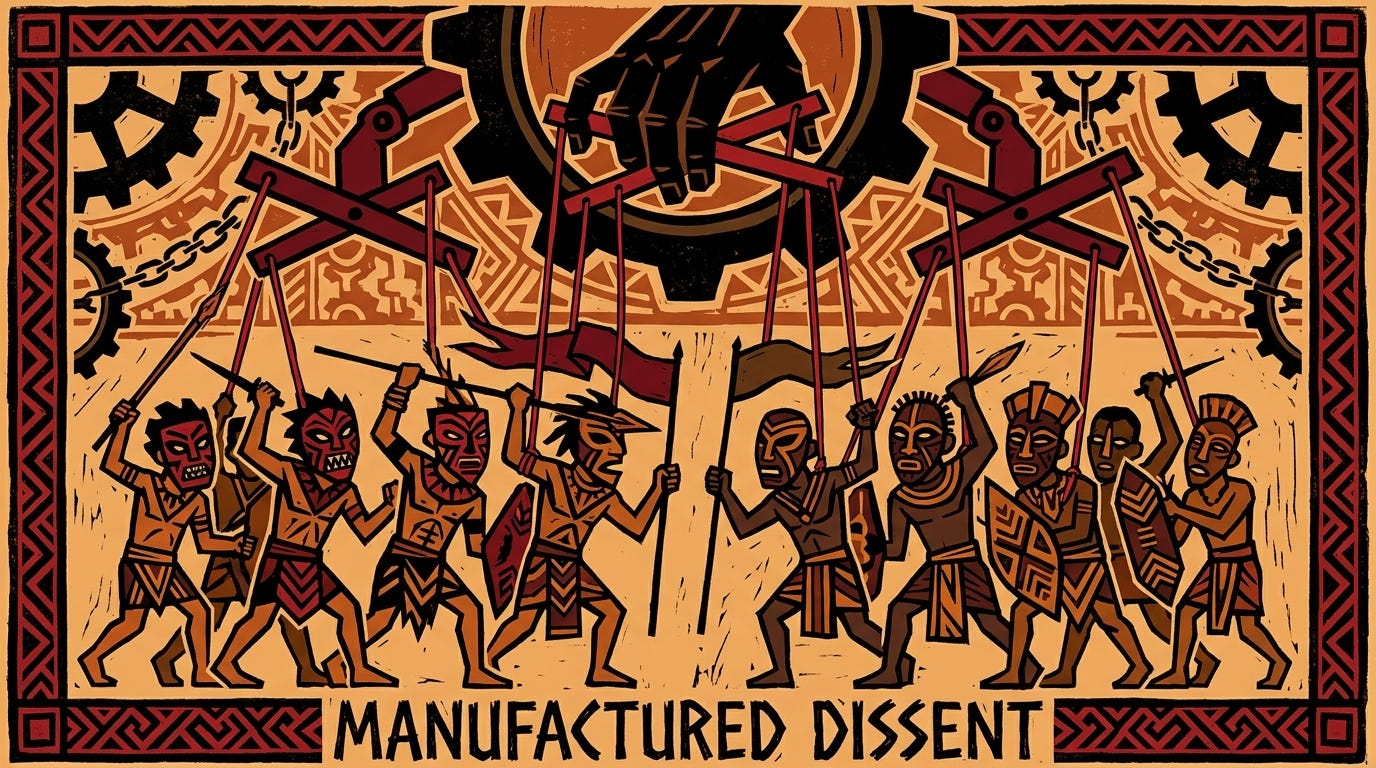
Source: Leonardo.ai
India today speaks the language of civilisational confidence. From global stages, our Prime Minister champions LIFE — Lifestyle for Environment, urging the world to consume responsibly, live consciously, and respect planetary limits. We speak of Atmanirbhar Bharat, sustainability, wellness, and indigenous wisdom.
Yet, inside our own supermarkets, a quieter, more dangerous story unfolds.
The food and beverage products flooding Indian shelves — often manufactured locally under international partnerships — are not the same products sold in the West, even when the brand, packaging, and price promise familiarity. They are cheaper, nutritionally diluted, ingredient-compromised versions designed for “the Indian market.”
This contradiction is not accidental. This is neo-colonialism in practice.
Same Brand. Same Pack. Different Human Value.
Thankfully, Neo-colonialism no longer arrives with ships and soldiers in India. It arrives with FMCG contracts, ingredient substitutions, and regulatory loopholes.
- Tropicana in India: 10% juice, reconstituted concentrates, sugar-heavy formulations
- Tropicana in the U.S.: 100% juice, tightly regulated, health-forward
- Biscoff in India: maida, single cheap fat (palm oil), cost-optimised sweetness
- Biscoff in Belgium: whole wheat, blended oils, complex sugars, depth of flavor
The branding remains global. The standards do not.
This creates a two-tier food system:
- One designed for longevity, health, and consumer protection
- Another designed for volume, margins, and quiet acceptance
Indians are not being served — we are being managed.
The Dangerous Myth: “Indians Prefer Cheap”
This is the most effective neo-colonial lie.
India is told — by corporations, consultants, and sometimes even its own policymakers — that Indians only want cheap food, sweet drinks, and compromised quality. This myth justifies everything that follows: inferior ingredients, higher sugar, lower nutrition, and long-term public health risks.
But look around:
- Indians pay premium prices for smartphones, data, OTT platforms
- Urban India spends heavily on gyms, supplements, organic produce
- Cold-pressed juice startups thrive despite higher costs
So why does health suddenly become “too expensive” when global brands are involved?
Because price sensitivity is not the real reason. Power imbalance is.
Foreign Manufacturing in India: Partnership or Public Health Gamble?
Here lies the most uncomfortable truth.
When foreign brands manufacture in India under global partnerships, cost-cutting almost always happens downward — never upward.
- Cheaper fats instead of balanced oils
- Refined flours instead of whole grains
- Sugar where fruit or fiber should be
These decisions are legal. But legality is not morality.
For a nation of 1.4 billion people, this is not a lifestyle choice — it is a public health exposure. Diabetes, heart disease, obesity, and metabolic disorders don’t come from culture alone; they come from systemic dietary manipulation.
And once normalised, they are nearly impossible to reverse.
LIFE vs Reality: A National Contradiction
Here is where the hypocrisy becomes impossible to ignore.
India globally promotes LIFE (Lifestyle for Environment) — asking citizens to reduce waste, consume consciously, and live sustainably.
But how does one practice LIFE when:
- Food labels hide the truth
- Choices are engineered to be nutritionally weak
- Global brands refuse to offer Indians the same quality they offer the West
You cannot preach sustainability while allowing nutritional dumping. You cannot talk about conscious consumption while denying conscious choice.
Lifestyle reform cannot succeed if the market itself is compromised.
Neo-Colonialism Isn’t Loud. It’s Packaged.
This is not the colonialism of textbooks. No flags. No rulers. No chains.
It is subtler — and more dangerous.
It tells Indians:
- This is “good enough” for you
- You won’t notice the difference
- You don’t deserve the original
And slowly, a billion bodies adapt to food that was never designed for their long-term well-being.
Ask yourself: Message to Indian Readers
Why do global brands upgrade products for Western consumers but downgrade them for India? Why does regulation protect health elsewhere but tolerate dilution here? Why are we proud producers of food — but passive consumers of inferior processing?
This is not about nationalism. This is about self-respect.
A country that feeds the world should not be fed the cheapest version of itself.
Neo-Colonialism 101: Recognise It, or Ingest It
Neo-colonialism today doesn't steal land alone that comes with billion dollar manufacturing western outlets. It steals nutrition, dignity, and long-term health — one biscuit, one juice, one “affordable” product at a time.
If India wants to lead the world in sustainable lifestyles, it must first demand equal standards, transparent ingredients, and real choice for its own people.
Because when the food system is compromised, freedom becomes cosmetic — and sovereignty becomes a slogan.
And that is the real risk of manufacturing foreign products in India without questioning who truly benefits.
메타데이터
- post_id
- b382f1cc79e9
- slug
- neo-colonialism-101-how-global-brands-manufacture-risk-for-a-billion-indians-b382f1cc79e9
- url
- https://medium.com/@sehajsahni/neo-colonialism-101-how-global-brands-manufacture-risk-for-a-billion-indians-b382f1cc79e9
- canonical_url
- https://medium.com/@sehajsahni/neo-colonialism-101-how-global-brands-manufacture-risk-for-a-billion-indians-b382f1cc79e9
- author_url
- https://medium.com/@sehajsahni
- status
- ok
- fetched_at
- 2026-07-30 18:14:22