From 0 Installs to 10,000 Downloads: The Real App Marketing Strategy
(Real-world app marketing lessons you can steal from the smartest brands.)
From 0 Installs to 10,000 Downloads: The Real App Marketing Strategy
(Real-world app marketing lessons you can steal from the smartest brands.)

In 2024, a small startup in Mumbai built what they thought was a genius budgeting app. Clean UI. Perfect UX. Every pixel polished.
They hit “Publish” on the Play Store. And waited. And waited some more.
Two weeks later — 97 downloads. Half uninstalled within a day.
That’s when they realised: you can’t out-design a missing marketing strategy. Because in 2025, the App Store isn’t a marketplace — it’s a battlefield of attention. And the only ones who win are those who launch with a plan.
If you’re building (or about to launch) your first app, this guide will walk you through the entire process — from total beginner to confident marketer — broken into clear stages, shortcuts, and real-world examples you can actually learn from.
Stage 1: The Groundwork — Don’t Market Yet. Listen.
Most first-time founders rush to create ads. But the truth? Marketing doesn’t start with promotion. It starts with understanding.
1. Know exactly who your app is for
Zomato didn’t start by marketing food. They started by marketing freedom — the joy of ordering whatever you want, whenever you want, without calling a restaurant. That clarity came from understanding their user: young professionals who hate waiting.
Assignment: Interview five people who might use your app. Ask them:
“What frustrates you most about apps like this?” Then turn their pain into your promise.
For example: “For busy professionals who want to eat well without waiting, our app delivers comfort in 30 minutes.” That line could headline your app store page.
2. Spy, Don’t Copy
Your competitors’ reviews are free research reports. Swiggy famously refined its user experience after studying early feedback from Zomato users complaining about “missing order tracking.” That one insight birthed Swiggy’s live-tracking map — now an industry standard.
Practice: List your top 5 competitors. Go to their app reviews. Highlight repeated words like “slow,” “confusing,” or “expensive.” Those patterns will tell you exactly what your audience wants fixed.
3. Build Your Home Base Before Launch
Before Domino’s launched its “30-minute delivery” app update, they teased it through a landing page with one bold promise: “We’ll get there before your hunger does.”Your landing page should do the same — set expectation, not explanation. Use tools like Carrd, Framer, or Typedream to create it in a day.
Include:
- A strong headline
- Sneak-peek screenshots
- A single CTA (like “Join Early Access”)
That’s your home base — not your app store listing.
4. Nail Your ASO (App Store Optimisation)
ASO is just SEO for apps. When someone types “beauty products delivery”, which brand shows up first? Nykaa. Because they’ve mastered app store optimisation — consistent keywords, strong visuals, high ratings, and detailed descriptions.
Pro Tip: App stores in 2025 reward engagement and retention more than keywords. So keep your listing updated, respond to reviews, and make your screenshots irresistible.
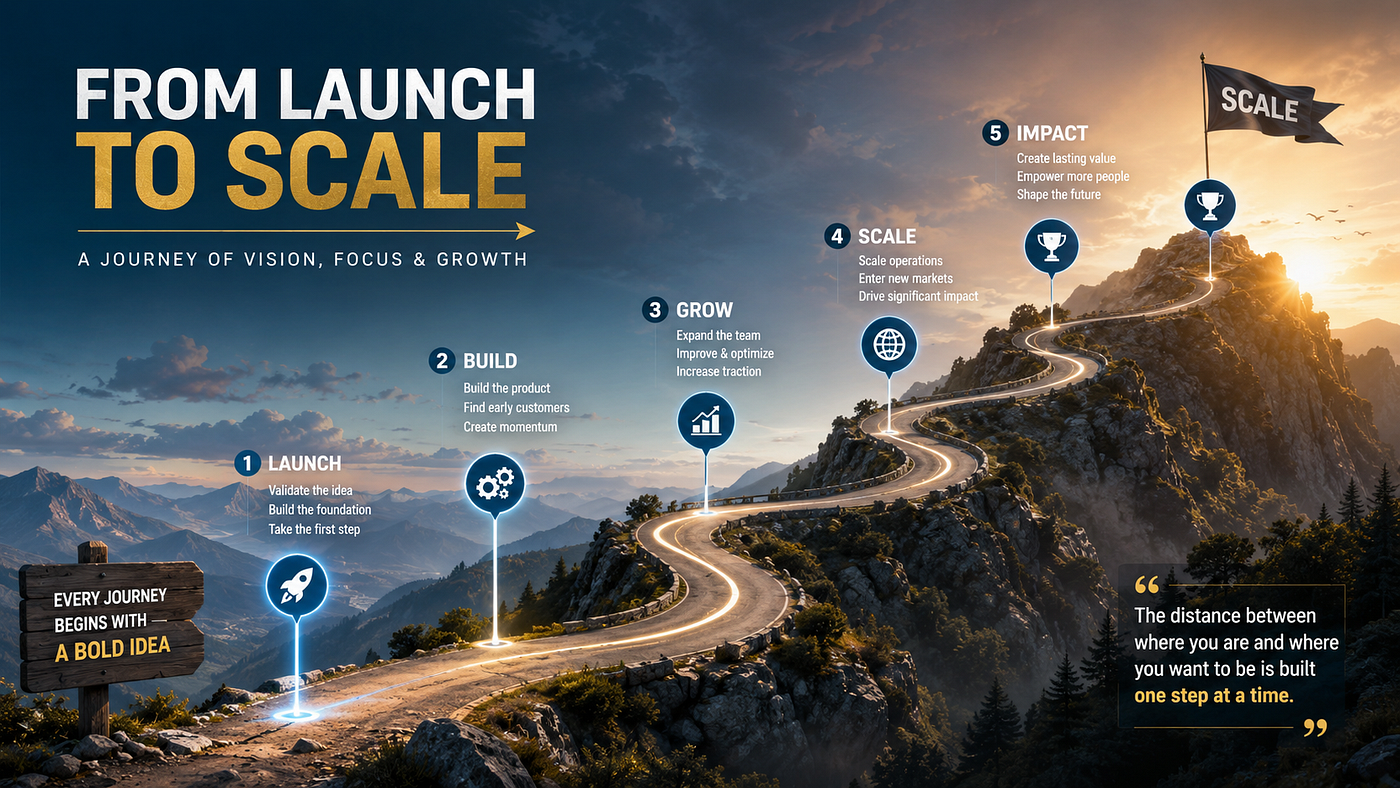
Stage 2: The Launch — Where Most Fail (and You Won’t)
Think of your launch like a rocket: the hardest part is lift-off. Once you gain altitude, everything else gets easier.
1. Soft Launch First
Swiggy didn’t go nationwide on day one. They launched quietly in Bengaluru, tested logistics, refined delivery times, and then scaled.
Assignment: Pick one small city or group for beta testing. Ask testers:
- What made you smile?
- What made you close the app?
- Would you recommend it?
If 7 out of 10 say “yes,” you’re ready. If not, tweak and re-test.
2. Tease Before You Release
Duolingo teased “Learn a new language in 5 minutes a day” weeks before launch. Domino’s did something similar with their “Pizza Tracker” update — they made people curious about how it worked.
You don’t need a massive budget to tease your app. Start small:
- Share behind-the-scenes clips on Instagram.
- Post sneak peeks on LinkedIn or Twitter.
- Build a countdown on your website.
Create tension. Let your audience want to see what’s coming.
3. Pick Two Channels, Master Them
You don’t need to be everywhere. You need to be focused.
- If your app solves daily-life problems (like groceries, scheduling, or money), double down on Instagram + Google Ads.
- If it’s a creative or learning app, go all in on YouTube Shorts + Reddit.
Zomato, for example, used quirky tweets and meme marketing on Twitter long before running expensive ad campaigns. They built voice before the budget.
Assignment: Choose 2 channels where your target user spends time. Post consistently there for 14 days. Study what gets attention — not likes, but comments.
4. Measure What Matters
In 2025, data wins arguments.
Here’s what to track from day one:
- CPI (Cost per Install)
- CPA (Cost per Acquisition)
- Retention Day 1 / Day 7 / Day 30
- Churn Rate
- Lifetime Value (LTV)
Set this up in Firebase or Mixpanel before you even launch.
Mini Exercise: Spend ₹2,000 on a small campaign. Track your numbers. Then answer: “Would I rather have 100 random installs or 20 loyal users?” Welcome to the math behind growth.
5. Use Smart Distribution Loops
Dropbox grew because of referrals. But closer to home, Zomato grew because of word-of-mouth and memes.
They didn’t tell people “Use Zomato.” They made people laugh, connect, and then want to open the app.
Think: what emotional trigger will make people share your app? Curiosity? Humor? Convenience? Build that into your marketing loop.
Stage 3: Growth — When Marketing Becomes Retention
Once you have users, the real work begins.
Zomato, Swiggy, and Nykaa don’t run ads just to get users. They run stories that remind users why they love using them.
Because growth ≠ more users. Growth = same users, coming back more often.
1. Onboarding = First Impression Marketing
If your first 60 seconds feel confusing, you’ve already lost them.
Notice how Swiggy and Domino’s both lead with action — “Enter your address.” That’s it. No friction. No sign-up marathon.
Assignment: Sketch your first three app screens. Ask: What’s the first success moment your user experiences? If it takes longer than 30 seconds — simplify.
2. Personalize, Don’t Generalize
Nykaa’s push notifications aren’t random. They’re personalised based on user behaviour.
If you add a lipstick to your cart and leave, you’ll get: “The shade you loved is running low 👀 Grab it before it’s gone.” That’s data-driven empathy.
Use tools like CleverTap, MoEngage, or Braze to personalise in-app messages.
Build a Community, Not Just an Audience
Figma, Strava, and even Indian startups like StepSetGo grew because they built communities. Not customers — contributors.
You can do the same. Create a small Discord or WhatsApp group for early users. Share sneak peeks, polls, and beta invites. Ask for feature votes.
People don’t leave communities they helped build.
4. Re-engage the Right Way
The difference between spammy and smart push notifications is tone.
Domino’s doesn’t say,
“Order now!” They say, “Rainy day? Feels like pizza 🍕.”
Context sells.
Exercise: Write three re-engagement messages for your app. Make them timely, friendly, and useful.
Stage 4: Mastery — Thinking Like a CMO, Not a Developer
When you cross 10,000 installs, your mindset must shift from creator to strategist.
1. Focus on LTV, Not Vanity Metrics
Zomato doesn’t care how many people download the app. They care about how many orders again. 10,000 installs mean nothing if 9,000 uninstall in a week.
Track repeat usage and upgrade patterns. Those are your gold mines.
2. Study Your Superusers
Find your most loyal users and ask: “What keeps you coming back?”
When Nykaa did this, they discovered their top customers valued trust — authentic products and reviews. That insight birthed their “Pink Friday Sale” — an Indian spin on Black Friday that built a cult following.
3. Build Flywheels, Not Funnels
Funnels end. Flywheels spin forever.
A flywheel means every user helps attract the next. Reviews → credibility → more installs → more data → better product → more referrals.
Your marketing should be a loop, not a ladder.
Quick Shortcuts (You’ll Love These)
- Use App Radar or MobileAction to track competitors’ ASO keywords.
- Launch on Product Hunt Early Access to collect early feedback.
- Run a ₹1,000 UGC ad test — short, relatable videos beat polished edits.
- Offer “Founding Member” rewards to your first 100 users.
Your Turn
Don’t just read this — act on it.
Pick your launch date. Map the three stages backwards. Do one assignment every week.
By the time your app hits the store, you won’t be hoping for downloads — you’ll have a system built on clarity, psychology, and proof. Because apps don’t grow by luck. They grow because someone (you) decided to market with intention.
If you enjoyed this breakdown, follow me here on Medium. I share real-world marketing lessons from most creative brands — and turn them into playbooks you can use for your next big launch
메타데이터
- post_id
- b3872c3fb148
- slug
- from-0-installs-to-10-000-downloads-the-real-app-marketing-strategy-b3872c3fb148
- url
- https://medium.com/@amitawadhwani/from-0-installs-to-10-000-downloads-the-real-app-marketing-strategy-b3872c3fb148
- canonical_url
- https://medium.com/@amitawadhwani/from-0-installs-to-10-000-downloads-the-real-app-marketing-strategy-b3872c3fb148
- author_url
- https://medium.com/@amitawadhwani
- status
- ok
- fetched_at
- 2026-06-26 21:52:29