Resin Bound Driveways: Ideal for Coastal Properties
Resin bound driveways have surged in popularity across the UK, particularly for coastal properties where durability, aesthetics, and…
Resin Bound Driveways: Ideal for Coastal Properties
Resin bound driveways have surged in popularity across the UK, particularly for coastal properties where durability, aesthetics, and environmental considerations are paramount. Combining style, functionality, and eco-friendly features, resin bound surfaces offer a modern alternative to traditional paving options like concrete, tarmac, or loose gravel. This article explores why resin bound driveways are an ideal choice for coastal homes, delving into their unique benefits, installation process, maintenance requirements, and suitability for the challenging coastal environment.

What Are Resin Bound Driveways?
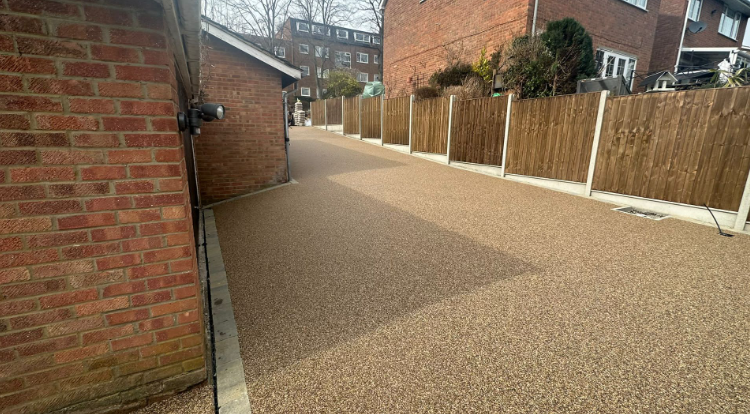
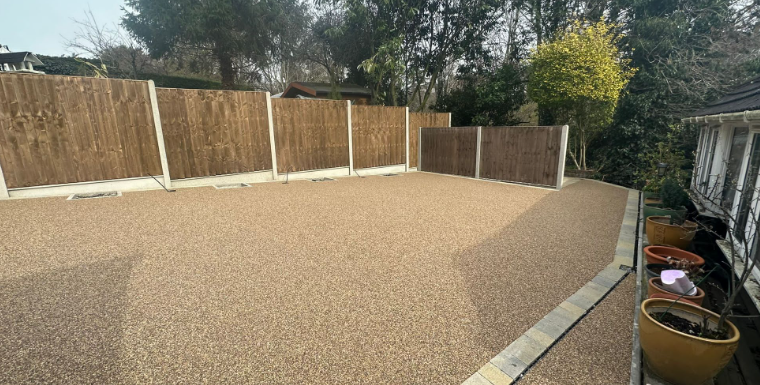
Resin bound driveways consist of a mixture of high-quality, clear, UV-stable polyurethane resin combined with natural aggregates, such as gravel or crushed stone. The mixture is trowelled onto a prepared base to create a smooth, seamless, and permeable surface. Unlike resin bonded driveways, where aggregates are scattered over a resin layer to create a textured finish, resin bound surfaces fully encapsulate the stones, resulting in a flat, durable, and visually appealing surface.
This construction method ensures a robust, non-slip surface that is both practical and aesthetically pleasing. The permeability of resin bound driveways makes them compliant with Sustainable Urban Drainage Systems (SuDS), allowing water to drain naturally through the surface, which is particularly beneficial in coastal areas prone to heavy rainfall.
Why Resin Bound Driveways Suit Coastal Properties
Coastal properties face unique challenges, including exposure to salty air, high humidity, and frequent storms. These conditions demand a driveway material that can withstand harsh weather while maintaining its appearance and functionality. Resin bound driveways excel in these environments for several reasons.
Resin bound driveways have surged in popularity across the UK, particularly for coastal properties where durability, aesthetics, and environmental considerations are paramount. Combining style, functionality, and eco-friendly features, resin bound surfaces offer a modern alternative to traditional paving options like concrete, tarmac, or loose gravel. This article explores why resin bound driveways are an ideal choice for coastal homes, delving into their unique benefits, installation process, maintenance requirements, and suitability for the challenging coastal environment.
What Are Resin Bound Driveways?
Resin bound driveways consist of a mixture of high-quality, clear, UV-stable polyurethane resin combined with natural aggregates, such as gravel or crushed stone. The mixture is trowelled onto a prepared base to create a smooth, seamless, and permeable surface. Unlike resin bonded driveways, where aggregates are scattered over a resin layer to create a textured finish, resin bound surfaces fully encapsulate the stones, resulting in a flat, durable, and visually appealing surface.
This construction method ensures a robust, non-slip surface that is both practical and aesthetically pleasing. The permeability of resin bound driveways makes them compliant with Sustainable Urban Drainage Systems (SuDS), allowing water to drain naturally through the surface, which is particularly beneficial in coastal areas prone to heavy rainfall.
Why Resin Bound Driveways Suit Coastal Properties
Coastal properties face unique challenges, including exposure to salty air, high humidity, and frequent storms. These conditions demand a driveway material that can withstand harsh weather while maintaining its appearance and functionality. Resin bound driveways excel in these environments for several reasons.
1. Durability Against Coastal Elements
Coastal areas are notorious for their corrosive environment, with salt-laden air accelerating wear on traditional driveway materials like concrete or tarmac. Resin bound driveways, when made with UV-stable aliphatic polyurethane resin, resist fading, cracking, and degradation caused by prolonged exposure to sunlight and salty air. The robust resin binder encapsulates the aggregates, preventing them from loosening or eroding, even under the strain of coastal weather conditions.
Unlike loose gravel, which can scatter and require frequent replacement, resin bound surfaces remain intact, offering a lifespan of up to 25 years with proper maintenance. This durability makes them a cost-effective choice for coastal homeowners seeking a long-lasting solution.
2. Permeability and Flood Prevention
Heavy rainfall and storm surges are common in coastal regions, increasing the risk of flooding. Resin bound driveways are permeable, allowing rainwater to pass through the surface and into the ground or a drainage system below. This SuDS-compliant feature reduces surface water runoff, minimising the risk of puddles, flash flooding, and soil erosion — common issues in coastal areas. As a result, homeowners typically do not need planning permission for installation, as the permeable surface aligns with UK drainage regulations introduced in 2008.
3. Low Maintenance for Busy Coastal Lifestyles
Coastal properties often serve as holiday homes or rentals, where low maintenance is a priority. Resin bound driveways require minimal upkeep compared to traditional surfaces. Their seamless design prevents weeds from taking root, a common problem with block paving or loose gravel. A simple sweep to remove debris and an occasional pressure wash are usually sufficient to keep the driveway looking pristine. This low-maintenance quality is ideal for coastal homeowners who want a driveway that looks good year-round without demanding constant attention.
4. Non-Slip Surface for Safety
Safety is a critical consideration in coastal areas, where wet conditions from rain or sea spray can make surfaces slippery. Resin bound driveways often incorporate glass dust or fine aggregates to enhance grip, providing a non-slip surface that is safe for pedestrians, vehicles, and mobility aids like wheelchairs or pushchairs. This makes them particularly suitable for families, elderly residents, or those with accessibility needs living in coastal properties.
5. Aesthetic Appeal for Coastal Aesthetics
Coastal homes often aim to blend with their natural surroundings, and resin bound driveways offer endless customisation options to achieve this. Homeowners can choose from a wide range of aggregate colours, from natural tones like beige, grey, or sand to vibrant hues that complement the coastal landscape. For example, lighter shades such as gold or cream can evoke sandy beaches, while darker aggregates can mimic the rugged cliffs of the coastline.
The seamless finish of resin bound driveways provides a modern, polished look that enhances kerb appeal, making them ideal for both contemporary and traditional coastal properties. Patterns, borders, or bespoke designs, such as wave motifs or compass points, can be incorporated to create a unique, coastal-inspired aesthetic.
6. Eco-Friendly Benefits
Sustainability is a growing concern for coastal homeowners, who are often mindful of their environmental impact. Many resin bound systems use recycled materials, such as glass or natural aggregates, reducing the need for virgin resources. Their permeability also supports local ecosystems by allowing rainwater to replenish groundwater rather than overwhelming drainage systems. This eco-friendly profile aligns with the green ethos often valued in coastal communities.
The Installation Process for Resin Bound Driveways
Understanding the installation process can help coastal homeowners plan their driveway project effectively. The process typically involves the following steps:
- Site Assessment and Preparation: The existing surface is evaluated to determine whether it is suitable for an overlay (e.g., on stable concrete or tarmac) or requires full excavation. For new installations, the ground is excavated to a depth of around 250mm, and a permeable sub-base, such as Type 3 MOT or clean stone, is laid to ensure stability and drainage.
- Priming the Base: A primer is applied to the prepared surface to enhance adhesion between the sub-base and the resin bound mixture. This step is crucial for ensuring a durable bond, particularly in coastal areas where moisture levels are high.
- Mixing and Laying the Resin: High-quality UV-stable resin is mixed with carefully selected, dry, and clean aggregates in a forced-action mixer to ensure consistency. The mixture is then trowelled onto the base to achieve a smooth, even surface, typically at a thickness of 15–18mm for driveways.
- Curing and Finishing: The surface cures within 6–12 hours, depending on weather conditions, allowing it to be walked on. Full vehicular use is typically possible within 24 hours. In coastal areas, installers must ensure the surface temperature is above 7°C during application to prevent curing issues.
- Optional Edging and Detailing: Edging, such as block paving or aluminium beads, can be added to create a polished look. Coastal homeowners may opt for decorative borders or patterns to enhance the driveway’s visual appeal.
Proper installation is critical to achieving a durable, high-quality finish. Coastal properties may require additional drainage solutions, such as soakaway crates or channel drains, to manage heavy rainfall effectively.
Maintenance Tips for Coastal Resin Bound Driveways
While resin bound driveways are low maintenance, coastal environments demand a few specific care practices to ensure longevity:
- Regular Sweeping: Remove leaves, sand, or other debris to prevent staining or clogging of the permeable surface.
- Pressure Washing: An annual pressure wash with a low-pressure setting can remove salt residue or algae, which are common in coastal areas.
- Prompt Stain Removal: Clean any oil or chemical spills immediately to prevent discoloration, especially on lighter-coloured surfaces.
- Sealant Reapplication: Every few years, consider reapplying a sealant to maintain the surface’s integrity and UV resistance.
- Drainage Checks: Ensure drainage systems remain clear to maintain permeability, particularly after storms.
By following these simple steps, coastal homeowners can keep their resin bound driveway looking pristine for decades.
Cost Considerations for Coastal Properties
The cost of a resin bound driveway varies depending on factors such as size, existing surface condition, and aggregate choice. As a rough guide, prices typically range from £60–£120 per square metre in the UK. Smaller driveways (e.g., for one car, around 30m²) may cost more per square metre, while larger driveways benefit from economies of scale. Additional costs may include:
- Ground Preparation: Excavation or levelling can increase costs, particularly if the existing surface is unstable or requires drainage solutions.
- Edging and Detailing: Decorative borders or bespoke designs add to the overall expense.
- Resin Type: UV-stable resin, essential for coastal properties, may carry a slight premium but is a worthwhile investment to prevent fading.
While the initial cost may be higher than loose gravel or tarmac, the long-term durability, low maintenance, and aesthetic appeal make resin bound driveways a cost-effective choice for coastal homes.
Comparing Resin Bound to Other Driveway Options
To understand why resin bound driveways are ideal for coastal properties, it’s worth comparing them to alternatives:
- Concrete: While durable, concrete is prone to cracking in coastal environments due to salt corrosion and freeze-thaw cycles. It is also non-permeable, increasing flood risk.
- Tarmac: Tarmac is affordable but lacks the aesthetic versatility of resin bound surfaces and can degrade under UV exposure.
- Loose Gravel: Gravel is budget-friendly but requires frequent maintenance to prevent scattering and weed growth, which can be exacerbated by coastal winds.
- Block Paving: Block paving offers design flexibility but is susceptible to weed growth and shifting in coastal conditions, requiring more upkeep.
Resin bound driveways outperform these options in durability, permeability, and low maintenance, making them particularly suited to the coastal environment.
Conclusion
Resin bound driveways are an exceptional choice for coastal properties, offering a blend of durability, aesthetic appeal, and environmental benefits. Their ability to withstand salty air, heavy rainfall, and UV exposure makes them ideal for the challenging coastal climate. With a permeable, non-slip surface, low maintenance requirements, and endless customisation options, they enhance both the functionality and kerb appeal of coastal homes. Whether you’re upgrading an existing driveway or designing a new one, a resin bound surface provides a stylish, long-lasting solution tailored to the unique demands of coastal living.
Rad more: The Timeline for Completing Resin Driveway Installations
메타데이터
- post_id
- b3a642cdd4aa
- slug
- resin-bound-driveways-ideal-for-coastal-properties-b3a642cdd4aa
- url
- https://medium.com/@suds-uk/resin-bound-driveways-ideal-for-coastal-properties-b3a642cdd4aa
- canonical_url
- https://medium.com/@suds-uk/resin-bound-driveways-ideal-for-coastal-properties-b3a642cdd4aa
- author_url
- https://medium.com/@suds-uk
- status
- ok
- fetched_at
- 2026-07-19 06:55:06