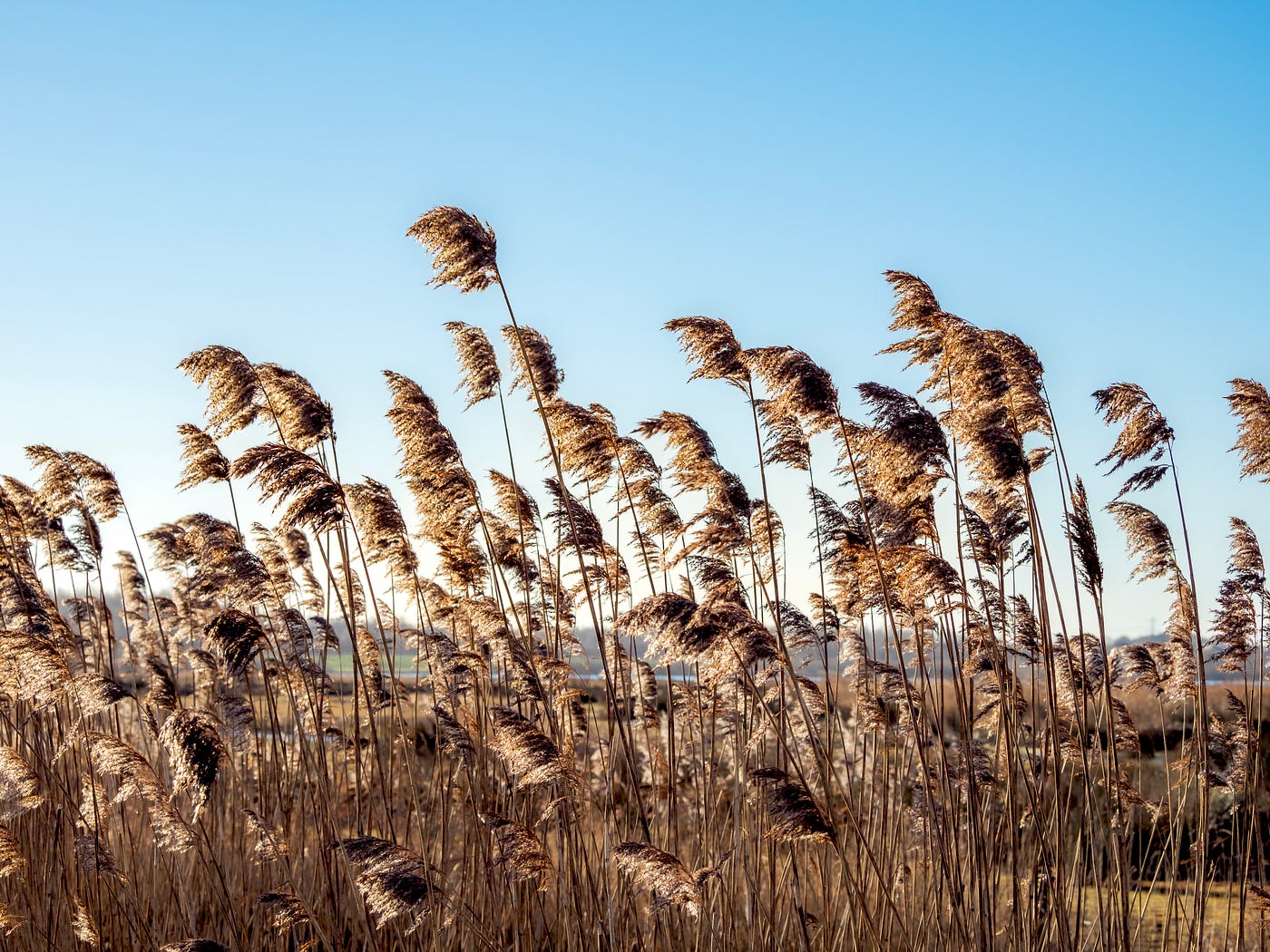
Winged Dwellers of the Deep Forest: Nature’s Hidden Choir
Winged Dwellers of the Deep Forest: Nature’s Hidden Choir
Winged Dwellers of the Deep Forest: Nature’s Hidden Choir

https://qayumzada82.exblog.jp/
Winged Dwellers of the Deep Forest: Nature’s Hidden Choir
Winged Dwellers of the Deep Forest: Nature’s Hidden Choir
Deep within the **world’s forests**, where the air is thick with the scent of earth and the light filters through a canopy of ancient trees, lives a hidden choir. These winged dwellers, the birds of the deep forest, fill the air with their songs — melodies that often go unnoticed by human ears, yet play a crucial role in the symphony of nature. In this article, we will explore the lives of these birds, their importance to the forest ecosystem, and the unique characteristics that define them as the hidden choir of nature.
The Enigmatic World of Deep Forest Birds
The deep forest is a realm of mystery, where every rustle of leaves and flutter of wings hints at life hidden from view. The birds that inhabit these dense woodlands are often shy and elusive, perfectly adapted to a life among the trees. in open or edge habitats, deep forest birds are specially equipped to navigate the challenges of a densely packed environment where space and resources are limited.
One of the most striking characteristics of these birds is their vocalizations. In a habitat where visibility is often obscured by layers of foliage, sound becomes the primary means of communication. Deep forest birds have developed songs that are both powerful and complex, designed to carry through the dense vegetation. These calls can range from the haunting, flute-like notes of a thrush to the sharp, piercing cries of a hawk.
Many of these birds have evolved to be heard rather than seen. For example, the Wood Thrush, a bird native to North American forests, is renowned for its ethereal, echoing song that can be heard at dawn and dusk. Despite its distinctive voice, the Wood Thrush is notoriously difficult to spot, often blending seamlessly into the forest understory.
Camouflage is another key adaptation. Deep forest birds often have plumage that mimics the colors and textures of their surroundings, helping them evade predators. The Brown Creeper, for instance, has brown and white streaked feathers that allow it to blend in with tree bark as it searches for insects. This cryptic coloration, combined with their quiet, deliberate movements, makes them nearly invisible in their natural habitat.
메타데이터
- post_id
- b3c3f88ca62b
- slug
- winged-dwellers-of-the-deep-forest-natures-hidden-choir-b3c3f88ca62b
- url
- https://medium.com/@shezadalimalik00786/winged-dwellers-of-the-deep-forest-natures-hidden-choir-b3c3f88ca62b
- canonical_url
- https://medium.com/@shezadalimalik00786/winged-dwellers-of-the-deep-forest-natures-hidden-choir-b3c3f88ca62b
- author_url
- https://medium.com/@shezadalimalik00786
- status
- ok
- fetched_at
- 2026-07-21 03:21:46