The Quiet Reason Many Sewing Projects Stay Half Finished
Most unfinished sewing projects do not start as abandoned projects. They start with excitement.
The Quiet Reason Many Sewing Projects Stay Half Finished
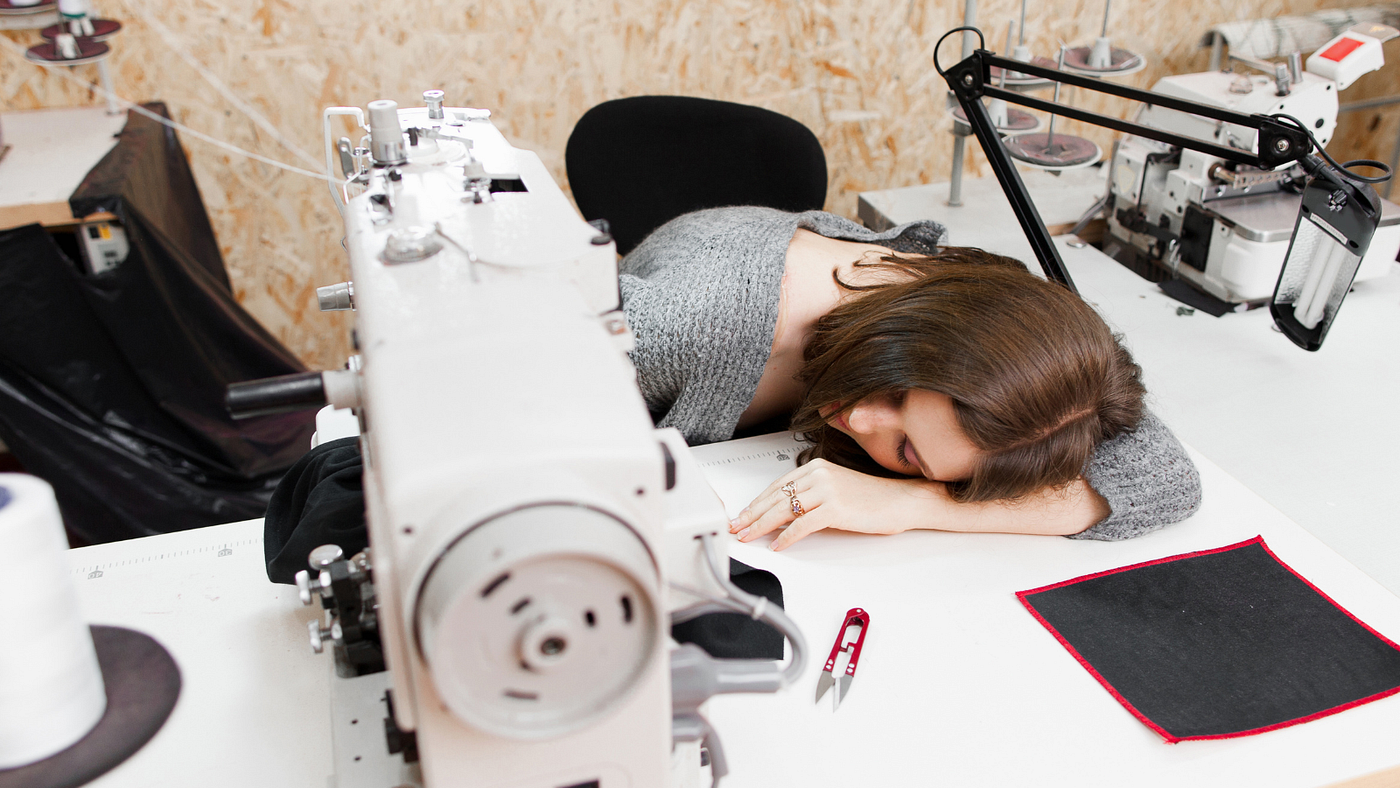
Most unfinished sewing projects do not start as abandoned projects. They start with excitement.
You choose the fabric, imagine the finished piece, print or open the pattern, and maybe even cut everything carefully. For a while, the project feels full of possibility. Then something slows it down.
The instructions start feeling unclear. The fabric takes more patience than expected. A free afternoon disappears, and when you finally come back to the project, you have to figure out where you left off before you can even begin again. So the project gets folded and set aside.
The quiet reason many sewing projects stay half finished is not always a lack of skill. A lot of the time, the project becomes mentally heavy. It starts asking for more energy than you have at that moment. That is why finishing a sewing project is not only about sewing ability. It is also about making the project easy enough to return to.
A Project Feels Harder Once You Step Away from It
When you are actively working on a sewing project, the steps are still fresh in your mind. You know which seam you just finished. You remember which pieces go together. You know where the instructions are. You may even remember the little adjustment you planned to make.
But after a few days away, the project can feel different. You sit down again and need to figure everything out from the beginning. Which step was next? Did you already press that seam? Was this piece supposed to attach here? Did you mark the pocket placement?
That small re entry problem is one of the biggest reasons projects stay unfinished. It is not that the project is impossible. It is that starting again feels annoying.
This is why leaving yourself a small note can help. Even something simple like “Next step: sew side seams and press open” can make it much easier to return. A project that is easy to restart is much more likely to get finished.
Choosing a Project That Is Too Big, Too Soon
There is nothing wrong with being excited about a beautiful project. But sometimes the project we want to make is not the project we have energy for right now. A fitted dress, detailed blouse, lined jacket, or anything with several unfamiliar techniques can be inspiring, but it can also become heavy if every step feels new.
That does not mean you should never try harder projects. It only means timing matters. If you are tired, busy, or still building confidence, a smaller project may be a better choice. Something with fewer pieces, clearer steps, and less pressure can give you the satisfaction of finishing.
A finished simple project often teaches more than a complicated project that sits untouched for months. Sometimes the smarter sewing choice is not the most impressive one. It is the one you will actually come back to.
Fabric Can Quietly Drain Motivation
Fabric choice affects more than the look of the finished item. It affects whether the project feels pleasant to work on.
A slippery fabric can make cutting frustrating. A stretchy fabric can curl and shift. A thick fabric can make seams bulky. A fabric that frays heavily can make the project feel messy before you even start sewing.
When fabric keeps fighting back, it becomes easier to avoid the project. You may not even say, “I don’t want to sew this.” You just keep choosing something else instead. This is why stable, easy to handle fabric can make a huge difference, especially for projects you want to finish without stress.
Cotton, cotton blends, chambray, flannel, and some linen blends are often easier to return to because they behave more predictably. They press well, stay flatter on the table, and do not usually require as much patience as slippery or delicate fabrics.
The fabric does not need to be boring. It just needs to work with you.

Unclear Instructions Can Stop a Project Fast
A sewing project can lose momentum the moment the instructions stop making sense. You may understand the first few steps perfectly. Then, suddenly, one instruction feels vague. A diagram does not match what you expected. A piece looks like it should go one way, but the wording seems to say something else.
That is often where people stop.
Not forever, maybe. Just for now.
But “for now” can easily become a long pause.
When this happens, the best thing is to avoid forcing yourself through the step while frustrated. Step away for a short break, then come back and look at the project slowly. Lay the pieces out. Read the previous step again. Check whether the fabric is facing the correct direction.
A confusing instruction often becomes clearer when you slow down and physically arrange the pieces in front of you. It also helps to avoid starting a difficult section when you are already tired. Some sewing steps need a fresher brain.
Too Many Projects Create Quiet Pressure
Planning sewing projects can be just as fun as making them. There is always another fabric, another pattern, another idea, another project that feels exciting. But when too many projects are started at once, sewing can begin to feel crowded.
A half finished item sits on the table. A second project is tucked into a bag. One piece is cut but not sewn, while something else is waiting for buttons or a hem. Suddenly, sewing does not feel creative anymore. It feels like a list of things you are behind on.
That feeling can make it harder to finish anything. If your sewing space is full of unfinished projects, it may help to choose one project to bring back into focus. Not all of them. Just one.
Pick the one that feels closest to being finished, or the one you still feel most connected to. Finishing one project creates a different kind of energy. It clears space mentally and physically.
The “Almost Done” Stage Can Be Surprisingly Hard
A lot of sewing projects slow down near the end. That sounds strange, but it happens often. The main sewing is done. The shape is there. You can almost see the finished item. But the remaining steps are small and sometimes boring: hemming, trimming threads, pressing, adding closures, fixing a tiny uneven area, or trying it on one more time.
Because the project already feels mostly finished, those last steps can be easy to delay. The final finishing stage is what turns a project from “nearly done” into something you can actually use, wear, gift, photograph, or feel proud of.
A good trick is to finish its own short session. Do not wait until you have energy for a long sewing day. Set aside twenty or thirty minutes just for the last details. Small finishing sessions are often enough.
A Simple Way to Bring Back a Half Finished Project
If you have a project sitting unfinished, do not start by judging yourself for leaving it. Start by making it easy to understand again.
Open the project and look at it calmly. Find the instructions, the pattern pieces, the fabric pieces, and any loose parts. Try to figure out exactly where you stopped. Then write down the next step in plain language.
For example:
- Sew the side seams
- Press the waistband
- Hem the bottom edge
- Attach the straps
- Check the fit before finishing
This is one bullet section where a small list really helps. The goal is not to plan the whole project again. The goal is to remove the fog around the next step. Once you know the next step, the project feels less heavy. You do not need to finish it today. You only need to make it easier to continue.

Finishing Builds More Confidence Than Starting Over
Starting a new project feels good because it gives you fresh energy. But finishing an old project gives you confidence. It reminds you that you can return to something, solve small problems, and complete what you started. That confidence carries into the next project.
Even if the finished item is not perfect, it still counts. You learned something about fabric. You practiced reading instructions. You worked through a confusing step. You handled mistakes. You reached the end.
Sewing confidence does not come only from perfect results. It often comes from finishing imperfect projects and realizing they still taught you something useful.
Make Projects Easier to Return To
The best way to avoid half finished sewing projects is not to rely on motivation. Motivation comes and goes.
A better approach is to make every project easier to return to. Keep the pieces together, leave yourself notes. And choose fabrics that do not drain your patience. Start projects that match your real schedule, not just your excitement. Finish small things before starting too many new ones.
Sewing should not feel like a pile of unfinished pressure. It should feel like something you can come back to, even in small steps. A project does not need to be finished quickly to be successful. It just needs a clear path back.
And sometimes, that is all it takes to turn a half-finished project into something you are finally glad you completed.
**If you enjoy calm, practical sewing ideas, you can find more through my Medium profile.**
메타데이터
- post_id
- b3e264ba0028
- slug
- the-quiet-reason-many-sewing-projects-stay-half-finished-b3e264ba0028
- url
- https://medium.com/@muheet_k/the-quiet-reason-many-sewing-projects-stay-half-finished-b3e264ba0028
- canonical_url
- https://medium.com/@muheet_k/the-quiet-reason-many-sewing-projects-stay-half-finished-b3e264ba0028
- author_url
- https://medium.com/@muheet_k
- status
- ok
- fetched_at
- 2026-06-09 15:37:30