Joel Keyser: Why Adaptive Leadership Is Essential in Today’s Business Landscape
Leading with Agility, Resilience, and Strategic Vision in an Evolving Business Landscape
Joel Keyser: Why Adaptive Leadership Is Essential in Today’s Business Landscape
Leading with Agility, Resilience, and Strategic Vision in an Evolving Business Landscape
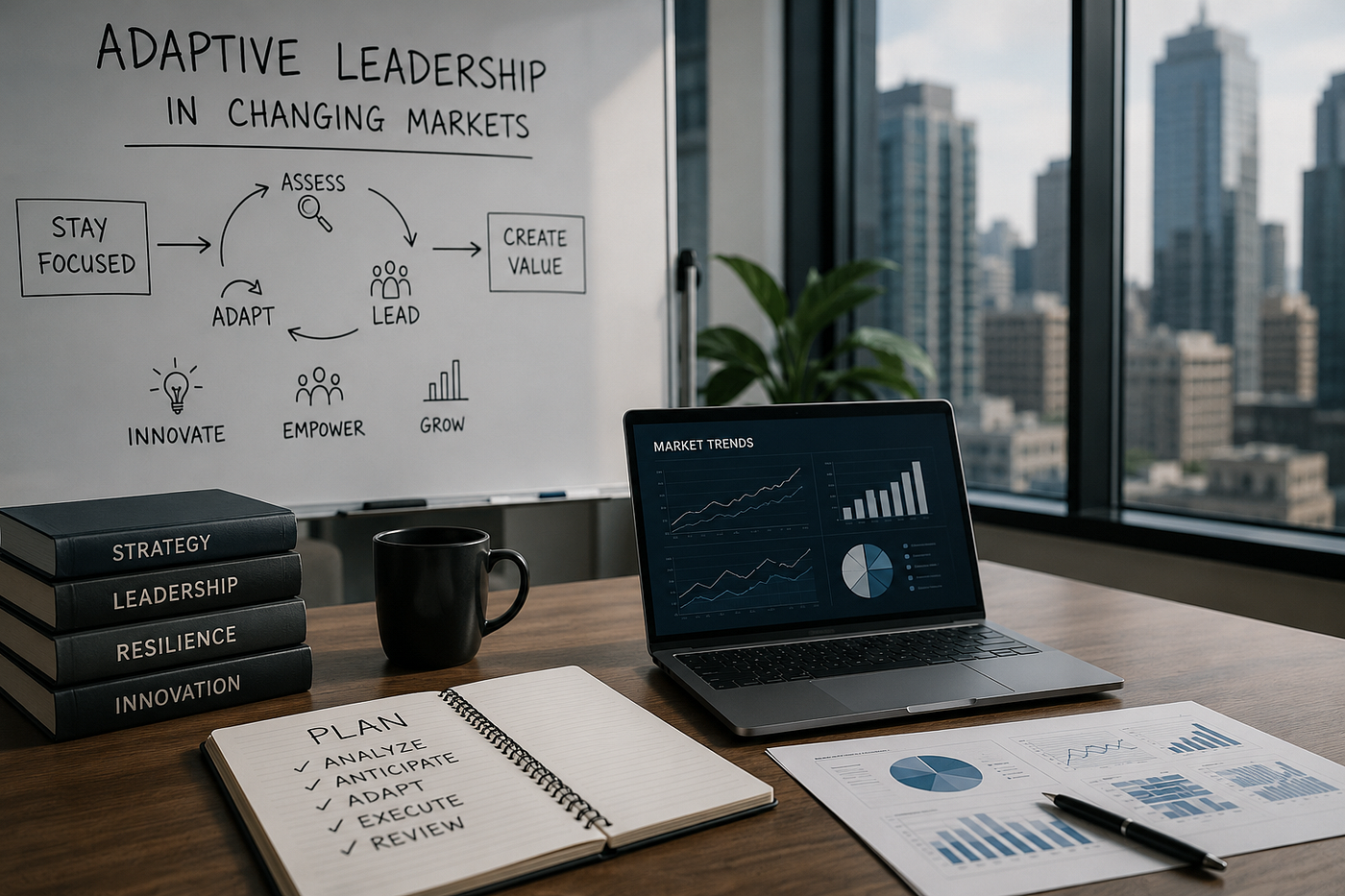
Adaptive leadership enables organizations to navigate changing markets by combining strategic vision, flexibility, and strong team alignment — an approach reflected in Joel Keyser’s leadership insights.
Joel Keyser is an accomplished leader with extensive experience spanning roles as Athletic Director, CEO, CFO, and advisor to nonprofits. Throughout his leadership journey, he has demonstrated that sustainable success depends not only on careful planning but also on the ability to adapt when circumstances change. As industries continue to evolve through technological innovation, economic uncertainty, and shifting customer expectations, adaptive leadership has become one of the defining qualities of effective organizations. Leaders interested in following Joel Keyser’s professional journey can also connect through Joel Keyser on Instagram, where leadership insights and professional updates are shared.
Understanding Adaptive Leadership
Leadership has always required decision-making, communication, and vision. However, today’s business environment demands something more: adaptability.
Adaptive leadership is the ability to guide organizations through uncertainty while maintaining focus on long-term goals. Rather than relying exclusively on established processes, adaptive leaders continuously evaluate changing conditions, encourage innovation, and remain open to new ideas.
Markets rarely remain static. Consumer behavior evolves, technology reshapes industries, regulations change, and economic cycles introduce new challenges. Organizations that remain rigid often struggle to keep pace.
Adaptive leaders recognize that success depends on responding thoughtfully to change instead of resisting it.
Why Changing Markets Require New Leadership Approaches
The speed of modern business has transformed leadership expectations.
Organizations now operate in an environment where disruption is common rather than exceptional. Digital transformation, artificial intelligence, global competition, and changing workforce expectations continue to reshape nearly every industry.
Traditional leadership models often emphasize maintaining stability through predictable systems. While consistency remains valuable, today’s leaders must also develop the flexibility to adjust strategies without losing sight of organizational objectives.
Adaptive leadership bridges these two priorities by combining strategic consistency with operational flexibility.
Organizations become stronger because they are prepared to evolve rather than simply react.
Strategic Vision Provides Stability
Although adaptive leaders embrace change, they remain anchored by a clear vision.
Long-term organizational purpose should remain consistent even when tactics evolve.
This distinction is essential.
Mission provides direction.
Adaptability determines execution.
When markets shift unexpectedly, organizations with strong strategic vision can modify their operational approach without abandoning their core objectives.
Employees also benefit from this clarity because they understand that change serves a larger purpose rather than representing uncertainty for its own sake.
Building Resilient Teams
Organizations adapt through people.
No leadership strategy succeeds without teams capable of learning, collaborating, and responding effectively to new challenges.
Adaptive leaders invest heavily in team development because they understand that organizational resilience depends on employee capability.
Resilient teams demonstrate several important characteristics:
- Open communication
- Continuous learning
- Shared accountability
- Problem-solving skills
- Flexibility under pressure
- Commitment to organizational goals
These qualities enable organizations to respond quickly when external conditions change.
Rather than becoming overwhelmed by uncertainty, resilient teams view challenges as opportunities for improvement.
Communication During Change
One of the greatest responsibilities of adaptive leaders is communication.
Periods of change naturally create uncertainty.
Employees often wonder why changes are occurring, how they will affect daily responsibilities, and what the future may hold.
Transparent communication reduces unnecessary anxiety.
Adaptive leaders explain not only what decisions have been made but also why those decisions support organizational goals.
Frequent updates help maintain alignment while reinforcing trust between leadership and employees.
Strong communication also encourages valuable feedback.
Employees working closest to customers, operations, or service delivery frequently recognize important trends before executive leadership.
Organizations benefit when communication flows in both directions.
Decision-Making Under Uncertainty
Changing markets rarely provide complete information.
Leaders must often make important decisions before every variable becomes clear.
Adaptive leadership requires balancing confidence with humility.
Effective leaders gather available information, evaluate risks carefully, make informed decisions, and remain willing to adjust as new information emerges.
This flexible decision-making process allows organizations to maintain momentum without becoming paralyzed by uncertainty.
Rather than viewing every adjustment as a mistake, adaptive organizations treat refinement as evidence of learning.
Innovation Through Continuous Improvement
Innovation is often associated with groundbreaking ideas, but many successful organizations improve through small, consistent changes.
Adaptive leaders create environments where continuous improvement becomes part of organizational culture.
Employees are encouraged to identify inefficiencies, recommend solutions, and experiment responsibly.
Incremental improvements frequently produce significant long-term gains.
Organizations become increasingly competitive because innovation becomes everyone’s responsibility rather than belonging exclusively to executive leadership.
This collaborative approach also increases employee engagement by demonstrating that every contribution matters.
Learning Organizations Stay Competitive
Markets evolve continuously.
Organizations must evolve as well.
Adaptive leaders encourage learning at every level of the organization.
Professional development, mentorship, cross-functional collaboration, and reflective evaluation all contribute to stronger organizational capability.
Learning organizations consistently examine outcomes, celebrate successes, identify improvement opportunities, and apply lessons to future initiatives.
Rather than fearing mistakes, they focus on understanding what can be learned.
This mindset strengthens resilience because knowledge accumulates over time.
Continuous learning becomes a sustainable competitive advantage.
Balancing Stability with Flexibility
Adaptability does not mean abandoning structure.
Successful organizations maintain reliable systems while remaining flexible enough to improve those systems when necessary.
Core values, mission, and ethical standards provide stability.
Processes, technologies, communication methods, and operational strategies evolve as circumstances require.
Adaptive leadership carefully distinguishes between what should remain constant and what should change.
This balance prevents unnecessary disruption while encouraging meaningful innovation.
Organizations become both dependable and agile.
Empowering Future Leaders
Adaptive organizations recognize that leadership development cannot remain limited to senior executives.
Future success depends upon preparing emerging leaders throughout the organization.
Delegating responsibility, providing mentorship, encouraging independent thinking, and creating opportunities for leadership experience all strengthen organizational resilience.
Leadership capacity expands alongside organizational growth.
When challenges arise, capable leaders already exist throughout the organization rather than depending upon a small leadership team.
This distributed leadership model increases responsiveness while improving succession planning.
Organizational Culture Supports Adaptability
Culture determines how organizations respond when unexpected change occurs.
Strong cultures encourage trust, accountability, collaboration, and curiosity.
Employees support one another while remaining committed to shared organizational goals.
Weak cultures often struggle because uncertainty amplifies existing communication problems and organizational silos.
Adaptive leaders intentionally shape culture through daily actions.
The behaviors leaders consistently demonstrate become organizational expectations.
Culture cannot simply be written into policies.
It must be practiced consistently.
Measuring Adaptive Success
Financial performance remains important, but adaptive organizations evaluate broader indicators of organizational health.
Leaders monitor employee engagement, leadership development, collaboration, innovation, customer satisfaction, and operational improvement.
These measurements reveal whether organizations are becoming stronger over time.
Adaptive success is measured not only by immediate outcomes but also by future capability.
Organizations prepared for tomorrow possess tremendous long-term advantages.
Looking Ahead
The pace of change will likely continue accelerating.
Emerging technologies, evolving workforce expectations, demographic shifts, and global economic developments will continue influencing organizational leadership.
Adaptive leadership prepares organizations for this reality.
Rather than fearing uncertainty, adaptive leaders build cultures capable of responding confidently to whatever challenges emerge.
They understand that resilience is created through preparation rather than prediction.
Organizations that embrace adaptability position themselves for sustainable growth regardless of changing market conditions.
Conclusion
Joel Keyser is an accomplished leader with extensive experience spanning roles as Athletic Director, CEO, CFO, and advisor to nonprofits. His leadership philosophy demonstrates that adaptive leadership is not simply about reacting to change — it is about preparing organizations to thrive because of it. By investing in resilient teams, encouraging continuous learning, communicating transparently, and maintaining strategic focus, leaders create organizations capable of succeeding in virtually any environment.
To explore more leadership insights and professional perspectives from Joel Keyser, visit Joel Keyser’s Vocal Media profile.
메타데이터
- post_id
- b3eac14cd3d7
- slug
- joel-keyser-why-adaptive-leadership-is-essential-in-todays-business-landscape-b3eac14cd3d7
- url
- https://medium.com/@joelkeyser/joel-keyser-why-adaptive-leadership-is-essential-in-todays-business-landscape-b3eac14cd3d7
- canonical_url
- https://medium.com/@joelkeyser/joel-keyser-why-adaptive-leadership-is-essential-in-todays-business-landscape-b3eac14cd3d7
- author_url
- https://medium.com/@joelkeyser
- status
- ok
- fetched_at
- 2026-07-25 20:35:30



