Surviving the AI Capital Drain: A New Playbook for “Atoms” Founders
The AI gold rush is undeniable. Venture Capital LPs and GPs are pouring unprecedented amounts of capital into the sector, creating a…
Surviving the AI Capital Drain: A New Playbook for “Atoms” Founders

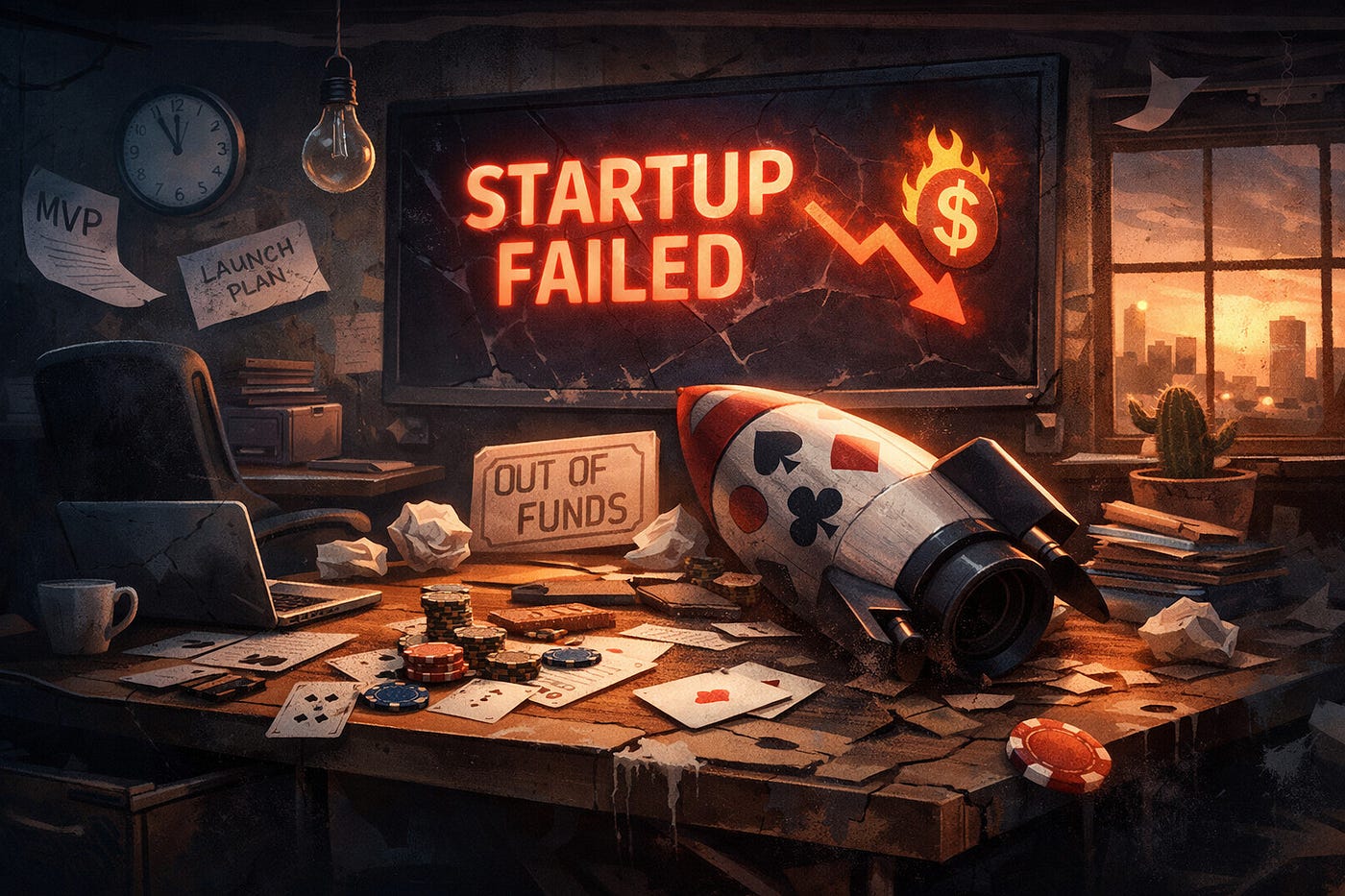
Created in Google Gemini by the author
The AI gold rush is undeniable. Venture Capital LPs and GPs are pouring unprecedented amounts of capital into the sector, creating a formidable gravitational pull for funding. While this is exciting for AI innovators, it presents a significant challenge for startup founders in other domains — especially those building in “atoms,” not “bots.”
If you’re creating physical products, hardware, biotech, or any venture outside the immediate AI sphere, you’re likely feeling the squeeze. The traditional VC playbook, with its emphasis on large, rapid growth rounds, is becoming increasingly difficult to execute. But despair not! This isn’t a death knell; it’s a call to sharpen your entrepreneurial resilience and adapt.
Here’s how founders building in the physical world can navigate this new landscape:
1. Embrace “Micro-Rounds” and More Frequent Raises
Forget the idea of one massive seed round carrying you for 18–24 months. The new reality might mean raising smaller amounts more frequently. This requires meticulous financial planning and hitting precise milestones with each tranche of funding. It’s about building momentum incrementally and proving value at every stage.
2. Explore the Power of Debt Finance
Venture debt, while not suitable for every stage or business model, can be a crucial lifeline. It’s less dilutive than equity and can provide the working capital you need to scale production, manage inventory, or bridge gaps between equity rounds. Understand the various forms of debt — from traditional bank loans to revenue-based financing — and see if they fit your specific needs.
3. Unlock Grant Funding for Prototyping
Non-dilutive grant funding is your friend, especially in the early stages. Governments, foundations, and industry associations often offer grants for research, development, and prototyping in specific sectors. These funds can help you de-risk your technology, build initial prototypes, and even secure those crucial first customer orders before you need significant equity investment. Think of grants as catalysts for firm customer commitments.
4. Master the Art of Stretching Every Dollar
Lean operations are no longer just a buzzword; they’re an imperative. Delay non-essential hires until revenue dictates. Can you outsource certain functions? Can you leverage contractors instead of full-time employees in the early days? Every dollar saved is a dollar you don’t have to raise. This might mean delaying that “press the button” moment on hiring until a firm customer order is in hand, ensuring that growth is directly tied to validated demand.
5. Cultivate Unshakeable Resilience
More than ever, founders building in atoms will need grit. The fundraising journey will be harder, the rejections more frequent, and the path less clear. But it’s precisely this challenge that forges stronger companies. Those who can adapt, iterate on their fundraising strategy, and make every resource count will be the ones who not only survive but thrive in this evolving ecosystem.
The capital markets are shifting, but innovation in the physical world remains as vital as ever. It’s time to write a new playbook.
메타데이터
- post_id
- b3eb5f67f2df
- slug
- surviving-the-ai-capital-drain-a-new-playbook-for-atoms-founders-b3eb5f67f2df
- url
- https://medium.com/@jamesvandieman/surviving-the-ai-capital-drain-a-new-playbook-for-atoms-founders-b3eb5f67f2df
- canonical_url
- https://medium.com/@jamesvandieman/surviving-the-ai-capital-drain-a-new-playbook-for-atoms-founders-b3eb5f67f2df
- author_url
- https://medium.com/@jamesvandieman
- status
- ok
- fetched_at
- 2026-07-08 01:19:27