The Stitch That Saves the Womb
Balogun Lynch’s 1997 breakthrough changed the story of childbirth bleeding.
The Stitch That Saves the Womb
Balogun Lynch’s 1997 breakthrough changed the story of childbirth bleeding.
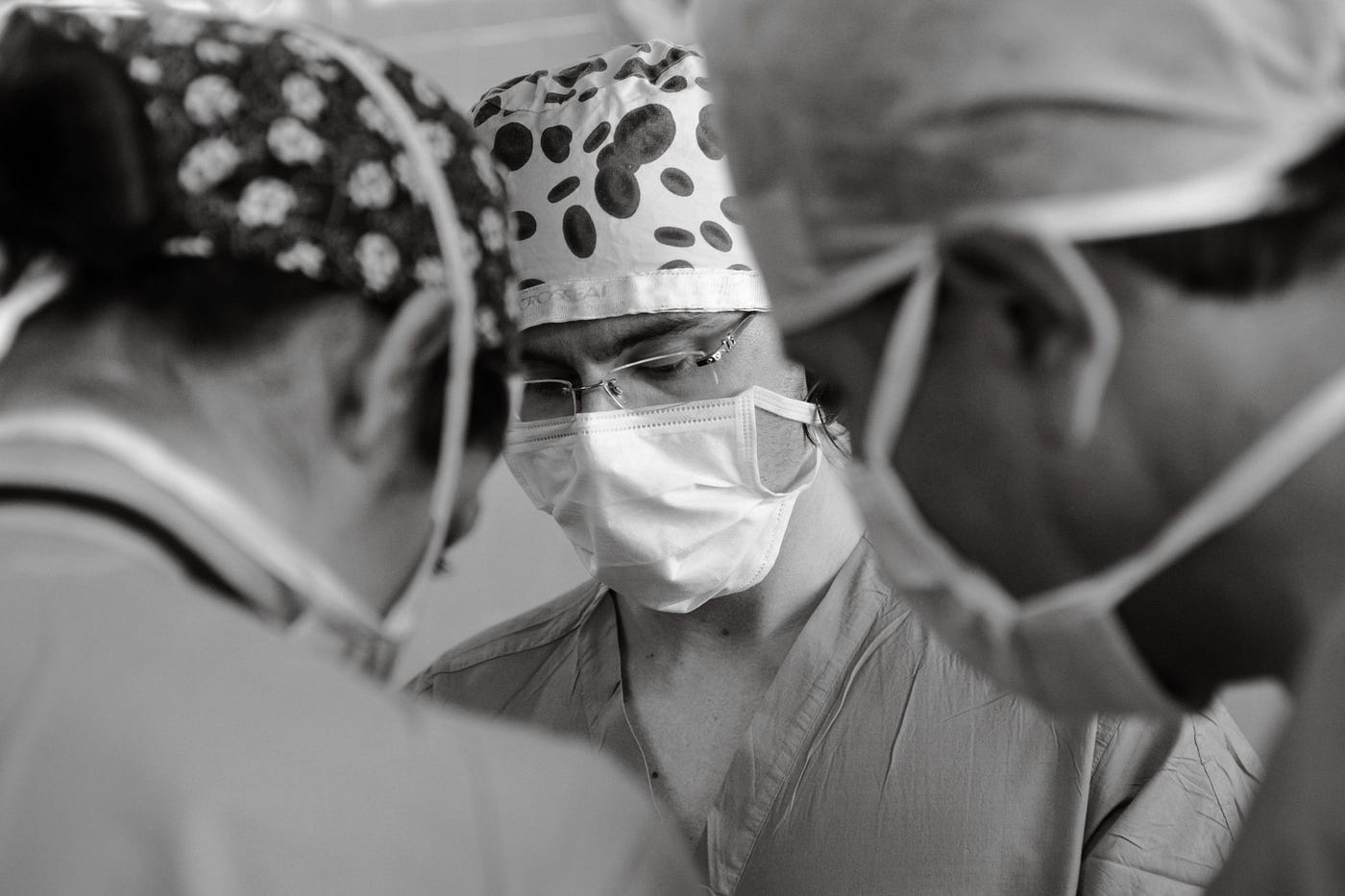
Photo by Dave Garcia
In 1997, Balogun Lynch changed the way doctors think about life‑threatening bleeding after childbirth. Before his idea, severe bleeding known as postpartum haemorrhage often forced surgeons into a brutal choice: remove the uterus to save the mother’s life, and in doing so end her ability to carry another child. He refused to accept that this was the best medicine could offer. As a specialist in childbirth, Lynch had lived through countless emergencies where a joyful delivery turned into a fight for survival. Blood transfusions were rushed in, strong medicines were given to make the uterus tighten, and nurses massaged the womb again and again, trying to stop the flow. Sometimes it worked. Too often, it did not. When the womb stayed big and soft instead of contracting, its blood vessels were like taps that would not shut off. At that point, the usual “last resort” was hysterectomy—lifesaving, but devastating for any woman who still hoped for more children. One detail haunted him. During those frantic moments, when he or a colleague pressed the uterus firmly between their hands, the bleeding slowed. When they released that pressure, it started again. The message was simple: the womb didn’t need to be removed to stop the bleeding—it needed to be squeezed. That observation sparked a powerful idea: if hands could control the haemorrhage, maybe a well‑placed stitch could act like those hands all the time. In 1997, Lynch turned this insight into a new technique now known around the world as the B‑Lynch uterine compression suture. Instead of using a stitch just to close a cut, he imagined it as a loop, a kind of “brace,” wrapped around the uterus. When tightened, it would push the front and back walls of the womb together and squeeze the blood vessels inside, slowing and stopping the bleeding. Surgeons could place this stitch while already operating for a caesarean section or by reopening the womb shortly after birth, then see straight away if the bleeding had stopped. The first real test came not in a calm research setting, but in a desperate emergency. A young mother was bleeding heavily after giving birth. Medicines had failed, and the team was preparing to remove her uterus. Lynch suggested his new stitch as one last chance—to save both the woman and her womb. With the team’s cautious agreement, he threaded the suture up the front of the uterus, over the top, down the back, across the inside, and back again, finally tying the ends low down to pull everything tight. As the knot was secured and the uterus compressed, the blood flow slowed, then stopped. The mother lived, and she kept her uterus. In that moment, his idea proved itself in the most human way possible. Once described and shared, the B‑Lynch stitch spread quickly. Doctors valued its elegance: it was logical, didn’t require fancy equipment, and could be done during the same operation where the bleeding was discovered. In well‑resourced hospitals, it became one key step in dealing with severe postpartum haemorrhage, used before deciding on hysterectomy. In smaller or poorer hospitals, it was even more transformative. A length of dissolving thread and a trained pair of hands could turn what might have been a life‑saving but womb‑ending operation into one that preserved a woman’s future fertility. Today, when people talk about special stitches used to compress the uterus, the B‑Lynch is often the one they mean. It has become a symbol of how compassion and careful observation can reshape medical practice. Balogun Lynch didn’t invent a new machine or medicine; he reimagined what a simple stitch could do. By turning thread into a permanent “pair of hands” around the womb, he offered the world a technique that changes one of the most frightening sentences in childbirth from “we have no choice but to remove the uterus” to “we may still be able to save it.”
This story is based on published descriptions of the B-Lynch uterine compression suture and its use in managing severe postpartum haemorrhage.
메타데이터
- post_id
- b42f35501d57
- slug
- the-stitch-that-saves-the-womb-b42f35501d57
- url
- https://medium.com/@rvastyle/the-stitch-that-saves-the-womb-b42f35501d57
- canonical_url
- https://medium.com/@rvastyle/the-stitch-that-saves-the-womb-b42f35501d57
- author_url
- https://medium.com/@rvastyle
- status
- ok
- fetched_at
- 2026-07-14 15:51:17