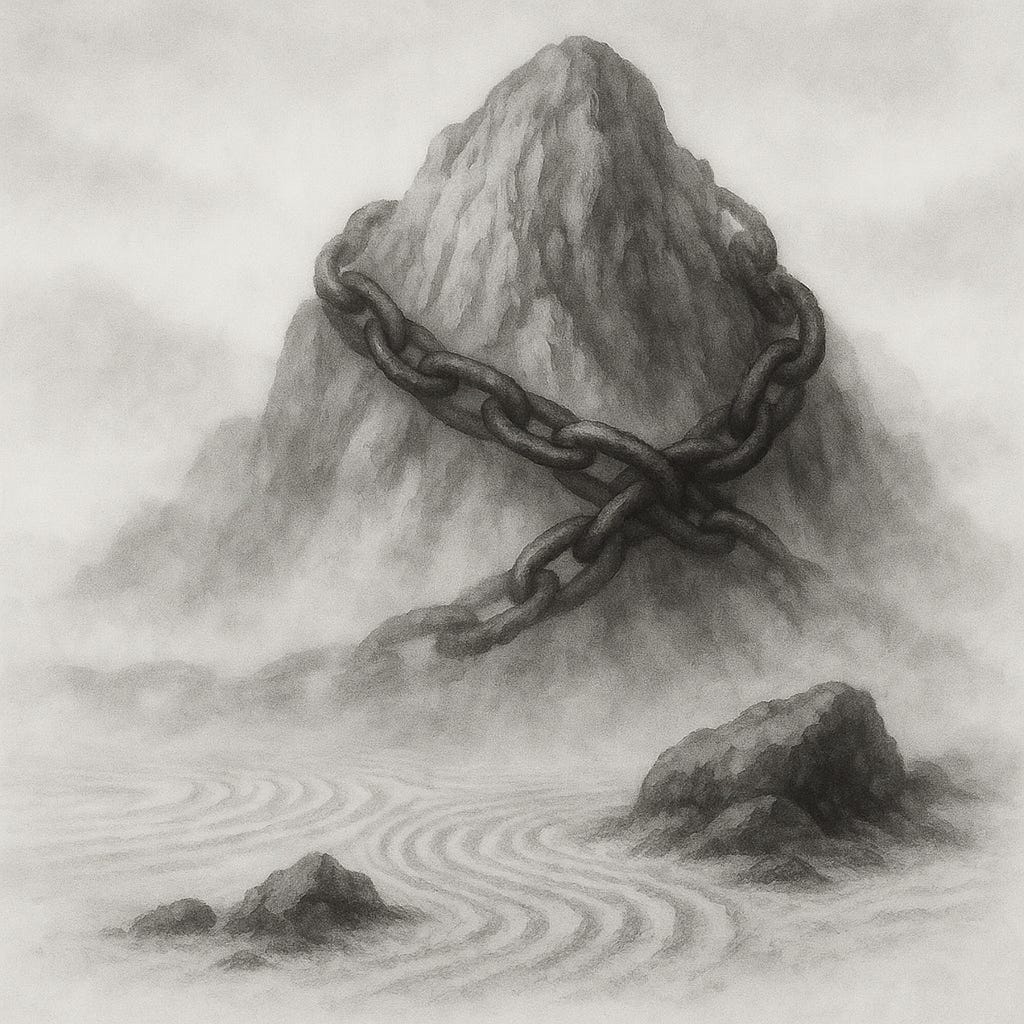
Can A Person Really Know Their Own Humility?
Philosophers, religious thinkers, and psychologists have wrestled with it for centuries.
Can A Person Really Know Their Own Humility?
Philosophers, religious thinkers, and psychologists have wrestled with it for centuries.
The paradox is this:
If I think, “I am very humble,” that thought itself can feel uncomfortably close to pride.
Yet if I think, “I have no humility whatsoever,” I may simply be inaccurate.
A healthier way to think about humility is not as a trait you measure in yourself, but as a pattern of behavior:
- Can you admit when you’re wrong?
-
- Can you change your mind when presented with better evidence?
-
- Can you learn from people with less status, experience, or education?
-
- Can you acknowledge your strengths without believing they make you superior?
-
- Can you accept praise without needing to inflate yourself?
In that sense, a person can observe evidence that they practice humility, but humility itself is often easier for others to see than for us to see in ourselves.
There’s a quote often attributed to C. S. Lewis that captures the idea well:
Humility is not thinking less of yourself; it is thinking of yourself less.
Whether or not one agrees with the wording, it points to something important: humility isn’t self-denial. It’s having an accurate view of yourself while keeping your attention on the world, other people, and the work at hand.
One test I’ve found useful is this:
When you receive criticism, is your first instinct curiosity or defense?
Nobody passes that test every day. But the people who consistently lean toward curiosity tend to be the ones others describe as humble.
When highly successful people talk about their humility, I often listen for how they talk about it.
There’s a difference between:
“I’ve been incredibly fortunate. Many factors outside my control contributed to my success.”
and
“One of my greatest qualities is my humility.”
The first demonstrates humility. The second advertises it.
That doesn’t mean successful people can’t be humble. Some genuinely are. Many have an acute awareness of luck, timing, mentors, health, geography, family support, economic conditions, and thousands of unseen contributions from others. But humility is usually revealed indirectly.
The philosopher Socrates was associated with the idea that wisdom begins with recognizing the limits of one’s knowledge. The more someone learns, the more they become aware of what they don’t know. In many fields, true expertise often produces a kind of intellectual humility rather than certainty.
A humble person can say:
“I’m a strong recruiter.”
“I’ve helped a lot of people.”
“I’m good at connecting dots.”
Those statements aren’t prideful if they’re true.
Humility is not refusing to see your gifts. It’s recognizing that your gifts are only part of the story.
One question I like is:
If everything you’ve achieved disappeared tomorrow, would you still believe you have value as a person?
People whose identity depends entirely on achievement often struggle with humility because success becomes their proof of worth. People who know their worth runs deeper than achievement tend to have an easier time staying grounded, whether they’re a billionaire or unemployed.
메타데이터
- post_id
- b47f8ffb9c4f
- slug
- can-a-person-really-know-their-own-humility-b47f8ffb9c4f
- url
- https://medium.com/@mvphires/can-a-person-really-know-their-own-humility-b47f8ffb9c4f
- canonical_url
- https://medium.com/@mvphires/can-a-person-really-know-their-own-humility-b47f8ffb9c4f
- author_url
- https://medium.com/@mvphires
- status
- ok
- fetched_at
- 2026-06-23 17:05:31