The Benefits of Peak Performance Physical Therapy for Injury Rehabilitation
Recovering from an injury often requires a structured approach that focuses on restoring strength, mobility, and overall function. Whether…
The Benefits of Peak Performance Physical Therapy for Injury Rehabilitation
Recovering from an injury often requires a structured approach that focuses on restoring strength, mobility, and overall function. Whether the injury results from sports activities, daily movements, or unexpected accidents, rehabilitation plays a vital role in helping individuals regain confidence and return to their normal routines. Many people explore **Peak Performance Physical Therapy** as part of their recovery journey because it emphasizes personalized care, functional improvement, and long term wellness. Through targeted rehabilitation strategies, physical therapy can help individuals overcome physical limitations while supporting a safe and effective recovery process.
Understanding Injury Rehabilitation
The Importance of Proper Recovery
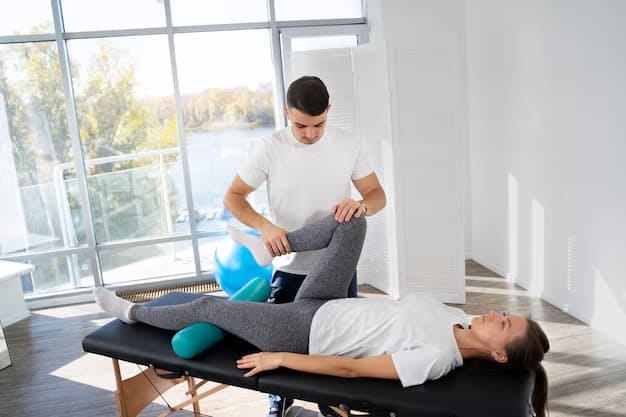
Injury rehabilitation is about more than simply waiting for the body to heal. Proper recovery involves guided exercises, movement strategies, and therapeutic interventions that support healing while preventing additional complications. Without a structured rehabilitation plan, individuals may experience lingering discomfort, reduced mobility, or recurring issues. Physical therapy helps create a pathway toward recovery by addressing the root causes of functional limitations and encouraging healthy movement patterns.
Common Types of Injuries Requiring Rehabilitation
Many different injuries can benefit from physical therapy services. Sports related injuries, workplace strains, joint discomfort, muscle injuries, and post surgical recovery often require rehabilitation support. Each injury presents unique challenges that must be addressed through customized treatment plans. Physical therapy professionals evaluate individual needs and develop strategies designed to support optimal healing and improved function.
Goals of Physical Therapy Rehabilitation
The primary objective of rehabilitation is to help individuals regain independence and return to their desired activities. Physical therapy focuses on improving strength, flexibility, balance, coordination, and mobility. By targeting these areas, rehabilitation programs support a smoother recovery process and help reduce the risk of future injuries. Effective therapy allows individuals to build confidence while progressing toward their personal wellness goals.
How Physical Therapy Supports Recovery
Restoring Functional Movement
Injuries often interfere with the body’s natural movement patterns. Pain, stiffness, and weakness can make everyday tasks more difficult. Physical therapy helps restore functional movement by guiding individuals through exercises and techniques designed to improve mobility and coordination. As movement patterns improve, daily activities become easier and more comfortable to perform.
Improving Strength and Stability
Muscle weakness frequently develops after an injury due to reduced activity and limited use of affected areas. Physical therapy programs often include strengthening exercises that help rebuild muscle function and improve stability. Enhanced strength supports joint health and reduces the strain placed on surrounding tissues. This process contributes to a more stable and resilient body during recovery.
Enhancing Flexibility and Range of Motion
Limited flexibility is a common challenge following an injury. Physical therapy incorporates stretching and mobility exercises that help improve range of motion and reduce stiffness. Increased flexibility allows individuals to move more freely and comfortably while supporting overall physical function. Restoring mobility is often a key step toward achieving long term recovery goals.
Benefits of a Personalized Rehabilitation Approach
Individualized Treatment Plans
Every injury is unique, and recovery timelines vary from person to person. Physical therapy professionals create personalized treatment plans based on the individual’s condition, lifestyle, and goals. This customized approach ensures that rehabilitation efforts address specific challenges and support meaningful progress. Personalized care often leads to more effective outcomes and greater patient satisfaction.
Addressing Specific Recovery Needs
Some individuals may need to focus on restoring mobility, while others may prioritize strength, balance, or endurance. A tailored rehabilitation program allows therapy to target the areas most important for recovery. By concentrating on specific needs, physical therapy helps maximize results and supports a more efficient return to normal activities.
Monitoring Progress Over Time
Recovery is an ongoing process that requires regular evaluation and adjustment. Physical therapists monitor progress and modify treatment plans as needed to reflect changing needs and abilities. This ongoing support helps ensure that rehabilitation remains effective and aligned with recovery goals throughout each stage of healing.
Supporting Long Term Physical Health
Reducing the Risk of Reinjury
One of the significant benefits of physical therapy is its focus on injury prevention. Rehabilitation programs teach proper movement techniques, strengthen vulnerable areas, and improve body mechanics. These improvements help reduce the likelihood of future injuries and support long term physical health. Individuals who complete rehabilitation often feel more confident in their ability to move safely and effectively.
Promoting Healthy Movement Patterns
Poor movement habits can contribute to physical strain and increase the risk of injury. Physical therapy helps individuals identify and correct movement patterns that may be placing unnecessary stress on the body. Improved mechanics support better posture, balance, and overall function, contributing to healthier movement throughout daily life.
Encouraging Active Lifestyles
Many people become less active after experiencing an injury. Physical therapy helps individuals regain confidence and gradually return to physical activities they enjoy. Encouraging safe participation in exercise and recreational activities supports both physical and emotional well being while promoting a healthier lifestyle.
The Role of Physical Therapy in Pain Management
Supporting Natural Recovery Processes
Physical therapy focuses on helping the body function more efficiently while supporting its natural recovery mechanisms. Through movement based interventions and therapeutic exercises, rehabilitation encourages healing without relying solely on passive approaches. This active method helps individuals take an active role in their recovery journey.
Improving Comfort Through Movement
Appropriate movement is often an important part of managing physical discomfort. Physical therapy helps individuals engage in safe exercises that improve mobility and reduce stiffness. As strength and flexibility improve, many people experience greater comfort and enhanced physical function. This progress contributes to a more positive rehabilitation experience.
Building Confidence During Recovery
Fear of movement is common after an injury. Individuals may worry about aggravating symptoms or causing further damage. Physical therapy provides structured guidance and reassurance, helping people regain confidence in their physical abilities. Increased confidence often leads to greater participation in daily activities and improved overall well being.
Physical Therapy for Active Individuals
Supporting Athletic Recovery
Athletes frequently rely on physical therapy to recover from sports related injuries and return to competition safely. Rehabilitation programs focus on restoring performance related abilities such as strength, agility, and coordination. These targeted interventions help athletes regain function while reducing the risk of future injuries.
Improving Physical Performance
Physical therapy is not only beneficial after injuries but also as a tool for improving overall physical performance. By addressing movement limitations and strengthening key muscle groups, therapy helps individuals move more efficiently. Enhanced movement quality can contribute to better athletic performance and reduced physical strain.
Maintaining Consistent Activity Levels
Injuries can interrupt training routines and recreational activities. Physical therapy helps individuals return to activity in a gradual and controlled manner. Maintaining consistent participation in physical activities supports overall wellness and helps individuals continue pursuing their personal fitness goals.
The Importance of Education in Rehabilitation
Understanding the Recovery Process
Education is a valuable component of physical therapy. Learning about the nature of an injury and the steps involved in recovery helps individuals make informed decisions about their care. Understanding the rehabilitation process can reduce uncertainty and increase motivation throughout treatment.
Encouraging Self Management
Physical therapy often includes strategies that individuals can use outside of appointments. Home exercises, posture recommendations, and movement techniques empower people to take an active role in their recovery. This self management approach supports ongoing progress and reinforces healthy habits.
Building Long Term Wellness Habits
Rehabilitation provides an opportunity to develop habits that support future health. Regular exercise, proper movement techniques, and awareness of body mechanics contribute to long term wellness. These habits help individuals maintain the progress achieved during therapy and support continued physical health.
Conclusion
Physical therapy plays a crucial role in injury rehabilitation by helping individuals restore movement, build strength, improve flexibility, and regain confidence. Through personalized treatment plans and targeted recovery strategies, rehabilitation supports both short term healing and long term wellness. The benefits extend beyond injury recovery by promoting healthy movement patterns, reducing the risk of reinjury, and encouraging active lifestyles. For those seeking professional support throughout their rehabilitation journey, Peak Performance Chiropractic WNY can provide guidance and care focused on helping individuals achieve lasting recovery and improved quality of life.
메타데이터
- post_id
- b4a7e3ec6dac
- slug
- the-benefits-of-peak-performance-physical-therapy-for-injury-rehabilitation-b4a7e3ec6dac
- url
- https://medium.com/@leontysonmiguel/the-benefits-of-peak-performance-physical-therapy-for-injury-rehabilitation-b4a7e3ec6dac
- canonical_url
- https://medium.com/@leontysonmiguel/the-benefits-of-peak-performance-physical-therapy-for-injury-rehabilitation-b4a7e3ec6dac
- author_url
- https://medium.com/@leontysonmiguel
- status
- ok
- fetched_at
- 2026-07-14 09:34:12