The Recovery Change I Notice Before Strength Starts to Decline
Many people notice declining strength. Recovery often changes first.

The Recovery Change I Notice Before Strength Starts to Decline
Many people notice declining strength. Recovery often changes first.
Most people assume declining capacity becomes visible when performance declines. They expect to lift less, walk less, remember less, or accomplish less. I have become increasingly convinced that the story usually begins earlier, not when people can no longer do something, but when doing it starts costing more.
One of the strangest changes I see in otherwise healthy adults has nothing to do with strength. People still travel, work, exercise, and maintain busy lives. From the outside, very little appears to have changed. What changes is the recovery afterward.
A weekend trip suddenly requires two days of restoration. A workout that once felt invigorating leaves someone tired for the rest of the day. A demanding week at work lingers long after the work itself is finished. The activity remains possible. The cost quietly rises.
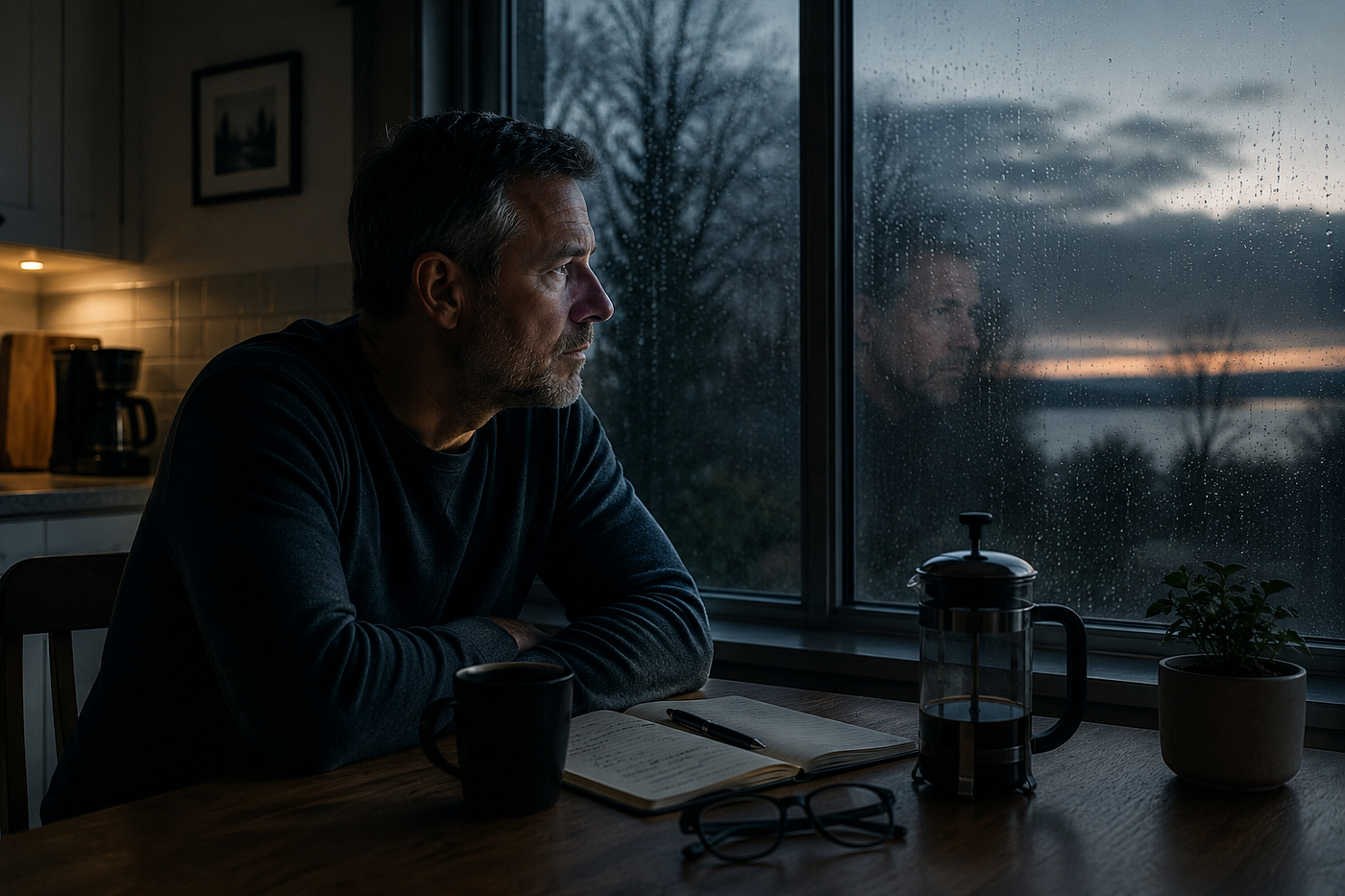
Recently, a patient in his sixties struggled to explain exactly what was bothering him. He was still hiking, still traveling, still doing many of the things he enjoyed. By every obvious measure, he appeared to be doing well. Then he paused.
“I can still do everything I want to do,” he said. “I just seem to spend more time recovering from it.”
The comment stayed with me because I have started hearing versions of it with surprising frequency.
I write about these patterns most weeks, the quiet ones that tend to arrive before anything obvious does. If that’s useful to you, The Capacity Report is where I work through them in more depth.
I have watched this same shift in patient after patient since. The surface stays remarkably intact. Something underneath does all the adjusting.
The people who concern me most are rarely the ones whose performance has visibly declined. They are the ones whose performance looks unchanged, who still work and travel and manage demanding lives, while privately renegotiating how much recovery each of those things now requires.
A single instance of this means very little. A stressful week, poor sleep, an unusually demanding season, these are real explanations, and often the correct ones. What changes my thinking is when the same pattern shows up in more than one place at the same time: the person who now needs a day to recover from travel also finds the gym more draining, and finds the workweek harder to shake by Sunday. No one of these means much alone. Together, they start to look less like noise and more like a signal.
Capacity rarely announces itself through one dramatic decline. It tends to show up first as a slightly larger recovery tax, charged across several unrelated parts of a life, all around the same time.
This is also why it is so easy to miss, including for the person living through it. They rarely describe it as a decline. They describe it as becoming more selective. They stop scheduling two demanding days back-to-back. They think harder about travel. They leave more space on the calendar than they used to, and all of it sounds, reasonably, like good judgment, like a person who has simply learned to pace themselves.
This selectivity tends to occur before any visible drop in performance, not after. People are still succeeding at work, still showing up for the people in their lives, still getting to the gym. What has changed is the amount of quiet architecture now required to keep all of that standing. They have started organizing their lives around recovery long before they would ever describe themselves as someone whose capacity has changed.
For years, I paid attention mostly to performance, whether someone could still work, exercise, travel, and do the things that mattered to them. Those questions still matter. What I have gotten more interested in is recovery, because performance turns out to be the wrong place to look first. A determined person can sustain output for a long time. Experience helps. Habits help. People become remarkably good at compensating, often so good that neither they nor anyone around them notices the cost.
Recovery is less forgiving than that. It shows up in the extra day after travel, the weekend it takes to recover from a hard week, the evening that now needs protecting instead of filling. None of that looks important on its own. It becomes important once it starts showing up everywhere at once, and earlier than the signs most of us are taught to watch for.
By the time strength, stamina, or memory visibly change, recovery has often been changing for years. The body has been saying something the entire time. The signal is just quieter than most of us are listening for.
Increasingly, the more useful question is not whether someone can still do what they have always done. It is how much they are now paying to do it.
If this pattern is one you recognize in your own life, I write about it and related questions on recovery, resilience, and burnout, most weeks in The Capacity Report.
For a closer look at the idea behind this piece, The Hidden Load goes further into the costs that build before they ever show up as decline.
Michael Hunter, MD, is a radiation oncologist who writes about health, attention, and how small, quiet changes reduce strain before burnout. His work focuses on what actually helps people feel better in real life.
메타데이터
- post_id
- b4eee63df22b
- slug
- the-recovery-change-i-notice-before-strength-starts-to-decline-b4eee63df22b
- url
- https://medium.com/dr-michael-hunters-wellness/the-recovery-change-i-notice-before-strength-starts-to-decline-b4eee63df22b
- canonical_url
- https://medium.com/dr-michael-hunters-wellness/the-recovery-change-i-notice-before-strength-starts-to-decline-b4eee63df22b
- author_url
- https://medium.com/@drmichaelhunter
- status
- ok
- fetched_at
- 2026-06-21 23:24:37