Decoding the Tokyo National Museum: Unveiling Hidden Beauty and Architecture
How to Navigate Japan’s Oldest and Grandest Museum Without Getting Lost in Its 150-Year-Old Complex
Decoding the Tokyo National Museum: Unveiling Hidden Beauty and Architecture
How to Navigate Japan’s Oldest and Grandest Museum Without Getting Lost in Its 150-Year-Old Complex
Welcome back to @JapanMuseumHop. Today, we’re taking you inside the crown jewel of Japan’s cultural landscape: the Tokyo National Museum (Tohaku) in Ueno Park.
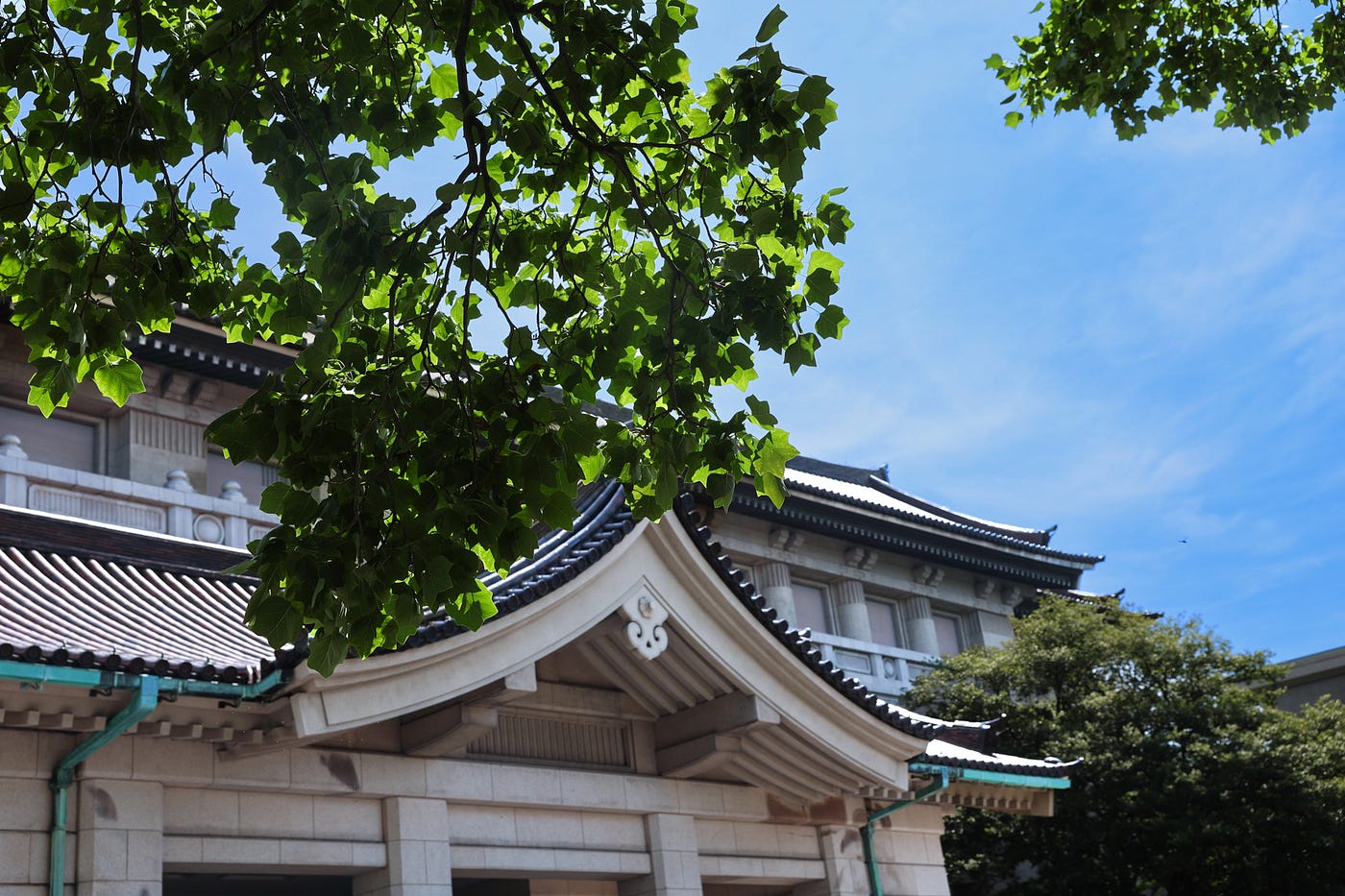
Source: Official Website
Housing more than 120,000 artifacts — including dozens of National Treasures — Tohaku is not just a museum; it is a vast archive of human history. For the unprepared traveler, attempting to “see it all” in one afternoon is a guaranteed recipe for museum fatigue.
As a scientist and an engineer, I tend to look at spaces through the lenses of structural efficiency and logical curation. Here is my carefully engineered blueprint for navigating the Tokyo National Museum — designed to help you uncover the subtle design poetry and playful hidden details that most visitors walk right past.
🏛️ 1. Architecture Strategy: Navigating the Buildings
The first mistake many visitors make is assuming Tohaku is a single building. In reality, it is a large campus consisting of six distinct galleries, each representing a different era of Japanese architectural engineering. To maximize your energy and intellectual output, prioritize these three primary structures:
Honkan (Main Building) — Built in 1938 in the Imperial Crown Style. This is where you’ll find the highlights of Japanese art, including samurai armor, kimonos, and masterwork paintings.
Toyokan (Asian Gallery) — Completed in 1968, showcasing sharp, modernist brutalism. It houses stunning art and artifacts from the Silk Road, China, and Southeast Asia.
The Gallery of Horyu-ji Treasures — Opened in 1999, a masterclass in minimalist glass and steel. It preserves 7th-century Buddhist masterpieces in a hyper-controlled environment.
🏯 2. The Honkan: Deconstructing the “Imperial Crown” Style
Step into the Honkan, designed by Jin Watanabe. From an engineering perspective, this building is a fascinating historical compromise. Built in the late 1930s, it features the “Imperial Crown Style” (Teikan Yoshiki) — a modern reinforced-concrete structure capped with a traditional Japanese tiled roof.
Hidden Detail to Look For: Walk up the grand central staircase in the entrance lobby. The concrete columns appear Western, but look closely at the light fixtures and brass metalwork on the railings. You’ll find geometric patterns inspired by ancient Japanese mirrors and textiles — a brilliant blend of Eastern aesthetics and Western industrial technology.
Scientist’s Highlight: Room 2 (The National Treasure Room) Located on the second floor, Room 2 rotates a single National Treasure at a time. The lighting, humidity, and air circulation are maintained under strict scientific parameters to protect fragile ink and silk. It offers an intimate, quiet space to appreciate the pinnacle of Japanese artistic mastery.
🌿 3. The Gallery of Horyu-ji Treasures: A Masterclass in Light and Shadow
If you appreciate structural poetry and quiet minimalism, head to the far corner of the complex to visit the Gallery of Horyu-ji Treasures, designed by Yoshio Taniguchi (the visionary architect behind MoMA’s expansion in New York).
From the exterior, the building features an engineering marvel: a perfectly flat glass façade shielded by a thin grid of vertical aluminum louvers. As the sun moves across Ueno Park, these louvers filter the natural light, casting clean, geometric shadows across the reflection pool.
Inside, you’ll find over 300 Buddhist artifacts from the 7th century. The primary exhibition room houses dozens of small bronze statues, each placed in its own illuminated glass pillar within a completely dark space. Walking through this room feels like navigating a serene, glowing forest of ancient spiritual devotion.
🗺️ 4. Practical Tactics for an Optimal Experience
Optimal Entry Time: Arrive at 9:30 AM when the gates open. Head straight to the Gallery of Horyu-ji Treasures. Most tour groups crowd the Honkan first, allowing you to enjoy Taniguchi’s minimalist sanctuary in silence.
Energy Conservation: Take a break at the outdoor garden behind the Honkan. It opens during the spring cherry blossom and autumn foliage seasons, offering a peaceful space to sit by historic teahouses and reset your mind.
Factual Trivia: Founded in 1872, Tohaku is Japan’s oldest national museum. It survived both the Great Kanto Earthquake of 1923 and the air raids of World War II, standing as a resilient guardian of the nation’s artistic heritage.
✉️ Final Thoughts from @JapanMuseumHop
The Tokyo National Museum is more than a repository of old objects; it is a living timeline of Japan’s evolving structural technologies and aesthetic philosophies. By recognizing the architectural friction of the Honkan or appreciating the calculated spatial poetry of the Horyu-ji Gallery, your walk through Tohaku becomes a profound dialogue with the past.
Next time you visit Ueno, don’t just look at the artifacts — look at the spaces that hold them.
If you enjoyed this architectural breakdown of Japan’s cultural spaces, hit Follow and join us as we unlock the hidden design secrets of Japan, one museum at a time.
메타데이터
- post_id
- b4fe2de4ddaf
- slug
- decoding-the-tokyo-national-museum-unveiling-hidden-beauty-and-architecture-b4fe2de4ddaf
- url
- https://medium.com/@japanmuseumhop/decoding-the-tokyo-national-museum-unveiling-hidden-beauty-and-architecture-b4fe2de4ddaf
- canonical_url
- https://medium.com/@japanmuseumhop/decoding-the-tokyo-national-museum-unveiling-hidden-beauty-and-architecture-b4fe2de4ddaf
- author_url
- https://medium.com/@japanmuseumhop
- status
- ok
- fetched_at
- 2026-07-09 05:53:33