Which type of olives help you if you have low HDL, black pitted or green pitted?
In the quest for better health and well-being, the choices we make regarding our diet can play a pivotal role. One such choice revolves…
Which type of olives help you if you have low HDL, black pitted or green pitted?
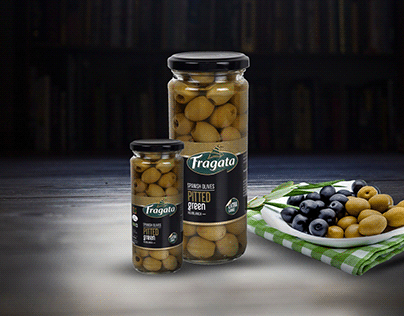
In the quest for better health and well-being, the choices we make regarding our diet can play a pivotal role. One such choice revolves around the consumption of olives, particularly black-pitted and green-pitted olives. Many individuals are concerned about their HDL (High-Density Lipoprotein) levels and are eager to know which type of olives can have a positive impact. In this article, we will delve into the world of olives and their effects on low HDL.
Understanding HDL Cholesterol
Before we dive into the specifics of black-pitted and green-pitted olives, it’s essential to understand HDL cholesterol. HDL is often referred to as “good” cholesterol because it plays a critical role in removing excess cholesterol from the bloodstream. This process helps reduce the risk of heart disease, making it a vital component of overall health.
The Benefits of Olives
Both black pitted and green pitted olives offer a range of health benefits. These include:
1. Heart Health
Olives are known for their heart-healthy monounsaturated fats. These healthy fats can help improve your cholesterol profile by raising HDL levels and lowering LDL (Low-Density Lipoprotein) levels, which is often referred to as “bad” cholesterol. This makes olives a valuable addition to your diet, especially if you have low HDL.
2. Rich in Antioxidants
Olives are packed with antioxidants, such as vitamin E, which can help combat the harmful effects of free radicals in your body. This antioxidant-rich nature can further contribute to overall cardiovascular health.
3. Reduced Inflammation
The compounds found in olives have anti-inflammatory properties that may benefit individuals with low HDL levels. Reducing inflammation in the body is crucial for heart health, and olives can aid in achieving this.
Black Pitted Olives vs. Green Pitted Olives
Now, let’s compare the two types of olives to determine which one might be more beneficial for those with low HDL levels.
Black Pitted Olives
Black pitted olives are known for their intense, rich flavor. They are slightly riper than green olives and are often found in Mediterranean and Middle Eastern cuisines. Here’s how they can help:
- Rich in Monounsaturated Fats: Just like green olives, black pitted olives are packed with heart-healthy monounsaturated fats. These fats can help elevate HDL levels, promoting better cholesterol balance.
- Antioxidant Content: Black olives also contain antioxidants, which can further aid in reducing inflammation and supporting heart health.
Green Pitted Olives
Green pitted olives, on the other hand, have a milder taste and are typically harvested before they fully ripen. Here’s how they can contribute to improving low HDL:
- Lower Sodium Content: Green olives tend to have lower sodium content compared to black olives, making them a good choice for those watching their salt intake. High sodium levels can contribute to high blood pressure, so opting for lower-sodium olives is a smart choice for heart health.
- Fiber Content: Green olives are also a good source of dietary fiber, which can help in managing cholesterol levels. Fiber binds to cholesterol in the digestive system, preventing its absorption into the bloodstream.
Incorporating Olives into Your Diet
To harness the benefits of olives for improving low HDL, consider these tips:
- Snacking: Olives can be a great addition to your snack repertoire. A small serving of olives can help curb your hunger while providing heart-healthy nutrients.
- Salads: Add olives to your salads for a burst of flavor and nutrition. The combination of olives with fresh vegetables can make for a delicious and healthy dish.
- Cooking: Olives can be used in various recipes, such as Mediterranean-style chicken dishes, pasta, or even homemade olive tapenade.
- Olive Oil: Don’t forget olive oil, which is derived from olives and is renowned for its health benefits. You can use it for cooking or drizzle it over your dishes for added flavor.
Conclusion
In the quest to improve low HDL, both black pitted and green pitted olives offer valuable contributions. Their monounsaturated fats, antioxidants, and other nutrients make them worthy additions to your diet. While both types have their merits, the choice ultimately depends on your personal preferences and dietary requirements.
Incorporating olives into your daily meals can be a delicious and heart-healthy choice. Remember, it’s not just about whether black or green olives are better; it’s about enjoying a balanced and varied diet that supports your overall health.
So, if you’re looking to elevate your HDL levels, consider including olives in your diet, and remember that a healthy lifestyle is the key to a healthier heart.
메타데이터
- post_id
- b54cd27b7fd0
- slug
- which-type-of-olives-help-you-if-you-have-low-hdl-black-pitted-or-green-pitted-b54cd27b7fd0
- url
- https://medium.com/@lucky_store/which-type-of-olives-help-you-if-you-have-low-hdl-black-pitted-or-green-pitted-b54cd27b7fd0
- canonical_url
- https://medium.com/@lucky_store/which-type-of-olives-help-you-if-you-have-low-hdl-black-pitted-or-green-pitted-b54cd27b7fd0
- author_url
- https://medium.com/@lucky_store
- status
- ok
- fetched_at
- 2026-07-11 07:17:57