Breakthrough mRNA Vaccine Shows Promise Against Deadliest Childhood Cancer
RCSI researchers report the first preclinical evidence that an mRNA vaccine can significantly slow neuroblastoma growth and reduce tumor…

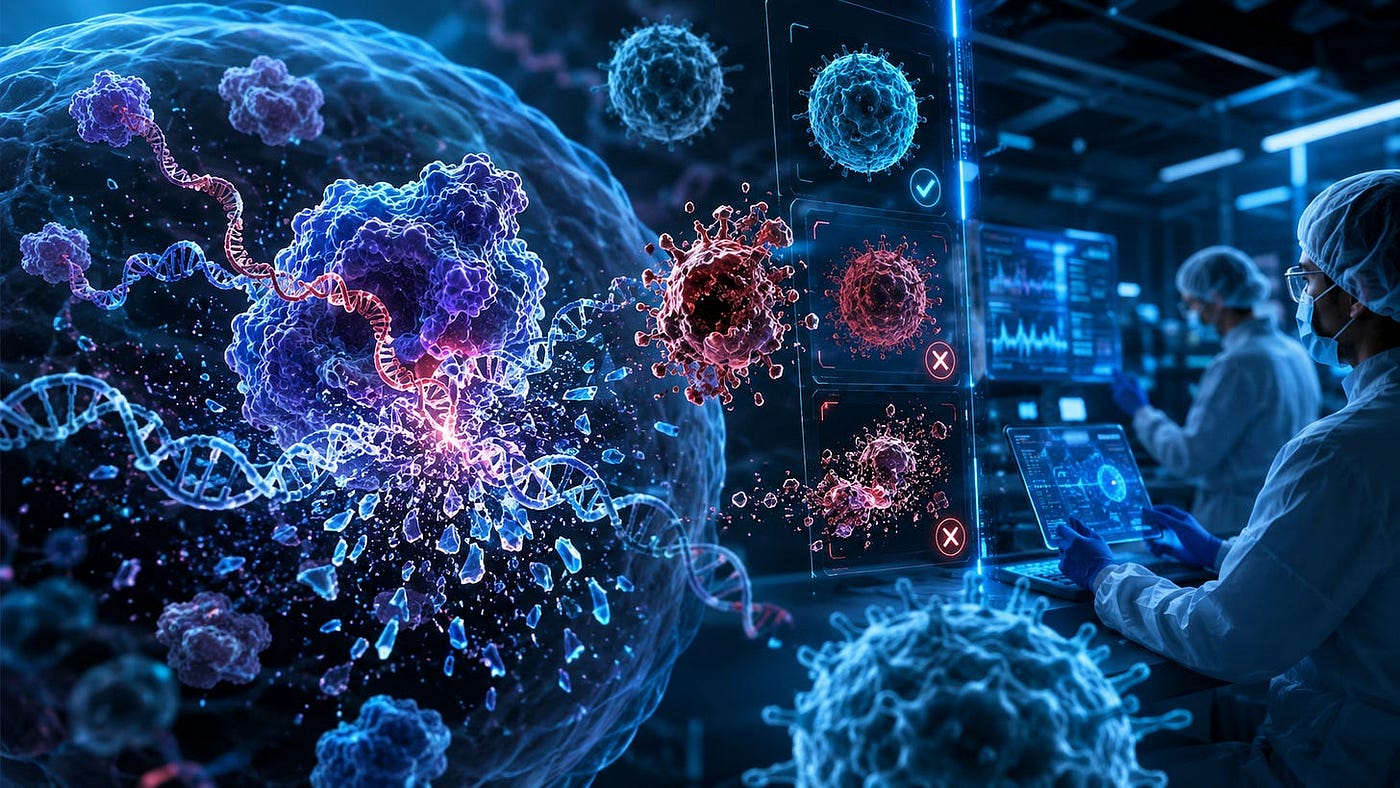
Image Credit: ChatGPT
CANCER VACCINE
Breakthrough mRNA Vaccine Shows Promise Against Deadliest Childhood Cancer
RCSI researchers report the first preclinical evidence that an mRNA vaccine can significantly slow neuroblastoma growth and reduce tumor size
The rapid development of messenger RNA (mRNA) vaccines during the COVID-19 pandemic transformed modern medicine. In record time, researchers demonstrated that mRNA technology could safely train the immune system to recognize and combat infectious diseases, fundamentally reshaping vaccine science.
Today, scientists are exploring whether this same platform can be adapted to tackle one of medicine’s greatest challenges: cancer. A promising new study from the RCSI University of Medicine and Health Sciences in Ireland suggests that this vision may be closer to reality than previously thought. Researchers have presented the first preclinical evidence demonstrating that an mRNA vaccine can effectively target neuroblastoma, the deadliest form of childhood cancer.
While significant work remains before such a vaccine reaches patients, the findings offer new hope for children diagnosed with this aggressive disease and potentially pave the way for broader cancer immunotherapies. Complete research was published in the Journal of Molecular Therapy Oncology.
The Challenge of Neuroblastoma
Neuroblastoma is a rare but highly aggressive cancer that develops from immature nerve cells, most commonly affecting infants and young children. Although relatively uncommon, it remains one of the leading causes of childhood cancer deaths worldwide, accounting for approximately 15% of all childhood cancer fatalities.
Unfortunately, nearly 80% of patients with high-risk disease show little or no significant response to existing treatment options. Even when initial therapies, including surgery, chemotherapy, radiation therapy, stem cell transplantation, and immunotherapy, appear successful, the cancer frequently returns.
Relapsed neuroblastoma presents an especially daunting clinical challenge because recurring tumors often develop resistance to conventional therapies. As a result, survival rates for children with recurrent disease remain disappointingly low, underscoring the urgent need for innovative therapeutic strategies.
A New Generation of mRNA Cancer Vaccines
The research team, led by Dr. Olga Piskareva, explored a novel approach that combines mRNA vaccine technology with specially engineered peptide nanoparticles. Unlike traditional vaccines that protect against infectious viruses or bacteria, cancer vaccines are designed to train the immune system to recognize abnormal proteins produced by tumor cells.
Once these cancer-specific proteins are identified, immune cells can selectively attack malignant tissue while minimizing damage to healthy cells. The researchers focused on glypican-2 (GPC2), a protein abundantly expressed on the surface of neuroblastoma cells but largely absent from healthy tissues. This makes GPC2 an attractive target for precision immunotherapy.
Rather than relying on conventional lipid nanoparticles used in many COVID-19 vaccines, the research employed tiny self-assembling peptide nanoparticles. These innovative carriers deliver mRNA into immune cells, prompting them to produce GPC2-related proteins that educate the immune system to identify and destroy neuroblastoma cells.

Graphical Abstract — Credit: Molecular Therapy Oncology
Encouraging Preclinical Results
The study produced highly encouraging preclinical findings. Researchers found that the experimental mRNA vaccine delayed tumor development by approximately 10 to 11 days in laboratory models while reducing tumor size by nearly 70%. Although these findings were observed in preclinical settings rather than human patients, they represent a significant proof of concept.
Importantly, this is the first study to demonstrate the effectiveness of an mRNA vaccine specifically targeting neuroblastoma via peptide-nanoparticle delivery. Such reductions in tumor growth suggest that activating the body’s own immune system may become an important complement to existing cancer treatments. Future clinical approaches could potentially combine mRNA vaccines with chemotherapy, immune checkpoint inhibitors, or targeted therapies to improve long-term outcomes.
Why Glypican-2 Matters Beyond Neuroblastoma
One of the most exciting aspects of this research lies in its broader applicability. Glypican-2 is not unique to neuroblastoma. Elevated levels of GPC2 have also been identified in several other malignancies, including certain pediatric brain tumors and other solid cancers.
This means that the vaccine platform developed by the RCSI team may eventually be adapted to treat multiple cancer types simply by modifying the mRNA instructions while using the same delivery system. Such flexibility represents one of the defining strengths of mRNA technology.
Unlike conventional drug development, which often requires years of redesign for each disease, mRNA platforms can be updated relatively quickly to target different proteins associated with various cancers. This adaptability has already revolutionized infectious disease vaccine development and could do the same for oncology.
The Road Ahead
Despite the excitement surrounding these findings, important hurdles remain. The current study represents preclinical research, meaning the vaccine has not yet been tested in human patients. Before clinical use becomes possible, researchers must conduct additional laboratory studies, safety evaluations, and multiple phases of clinical trials to determine effectiveness, optimal dosing, and long-term safety.
Cancer vaccines also face unique biological challenges. Tumors often evolve sophisticated mechanisms to evade immune detection, suppress immune responses, or rapidly mutate their surface proteins. Overcoming these obstacles will require continued advances in immunology, molecular biology, and precision medicine.
Nevertheless, the remarkable success of mRNA platforms during the COVID-19 pandemic has significantly accelerated manufacturing capabilities, regulatory expertise, and scientific understanding, giving researchers a valuable foundation upon which to build future cancer therapies.
A Promising Future for Pediatric Oncology
The emergence of mRNA-based cancer vaccines represents one of the most promising developments in modern oncology. For children diagnosed with high-risk neuroblastoma, where current treatment options frequently fall short, innovative approaches such as this could eventually transform the standard of care.
Equally significant is the study’s demonstration that peptide nanoparticles can effectively deliver cancer-targeting mRNA, opening new possibilities for personalized cancer vaccines that can address multiple tumor types. While much work remains before these therapies become available in hospitals, the findings from RCSI highlight how lessons learned during a global pandemic are now being applied to some of medicine’s most difficult diseases.
Originally published at https://khanfk.substack.com.
메타데이터
- post_id
- b56ebfc94ef8
- slug
- breakthrough-mrna-vaccine-shows-promise-against-deadliest-childhood-cancer-b56ebfc94ef8
- url
- https://medium.com/technicity/breakthrough-mrna-vaccine-shows-promise-against-deadliest-childhood-cancer-b56ebfc94ef8
- canonical_url
- https://medium.com/technicity/breakthrough-mrna-vaccine-shows-promise-against-deadliest-childhood-cancer-b56ebfc94ef8
- author_url
- https://medium.com/@khanfk
- status
- ok
- fetched_at
- 2026-07-10 23:21:07