How Ketamine Is Transforming Opioid Withdrawal Treatment in 2026
How Ketamine Is Transforming Opioid Withdrawal Treatment in 2026

How Ketamine Is Transforming Opioid Withdrawal Treatment in 2026
Ketamine therapy is reshaping how clinicians and patients approach opioid withdrawal in 2026. What was once used primarily as a surgical anesthetic has become a significant tool in addiction medicine, offering relief from both the physical and psychological dimensions of opioid dependence.
This overview breaks down what ketamine does, how it works in the context of opioid withdrawal, and why treatment specialists across the United States are increasingly incorporating it into recovery programs.
Why Traditional Opioid Withdrawal Treatment Falls Short
For decades, opioid withdrawal management relied heavily on substitutive medications like methadone or buprenorphine. These approaches help stabilize patients, but they also carry their own dependency risks and don’t always address the psychological roots of addiction.
Patients often experience:
- Severe muscle aches and cramps
- Intense anxiety and mood swings
- Persistent cravings that increase relapse risk
- Insomnia and physical discomfort during detox
These challenges make it difficult for many people to complete detoxification and commit to long-term recovery. That gap is exactly where ketamine therapy is proving its value.
How Ketamine Works on Opioid Receptors
Ketamine’s primary pharmacological action targets NMDA receptors in the brain. What makes this relevant to opioid withdrawal is that NMDA receptor activity is closely linked to opioid receptor function. By modulating these receptors, ketamine indirectly influences the opioid system — helping to dampen withdrawal symptoms without creating a new chemical dependency.
This is a fundamentally different mechanism compared to traditional opioid replacement therapies. Rather than substituting one opioid compound for another, ketamine works through a separate neurological pathway. The result is symptom relief that doesn’t carry the same dependency risk profile.
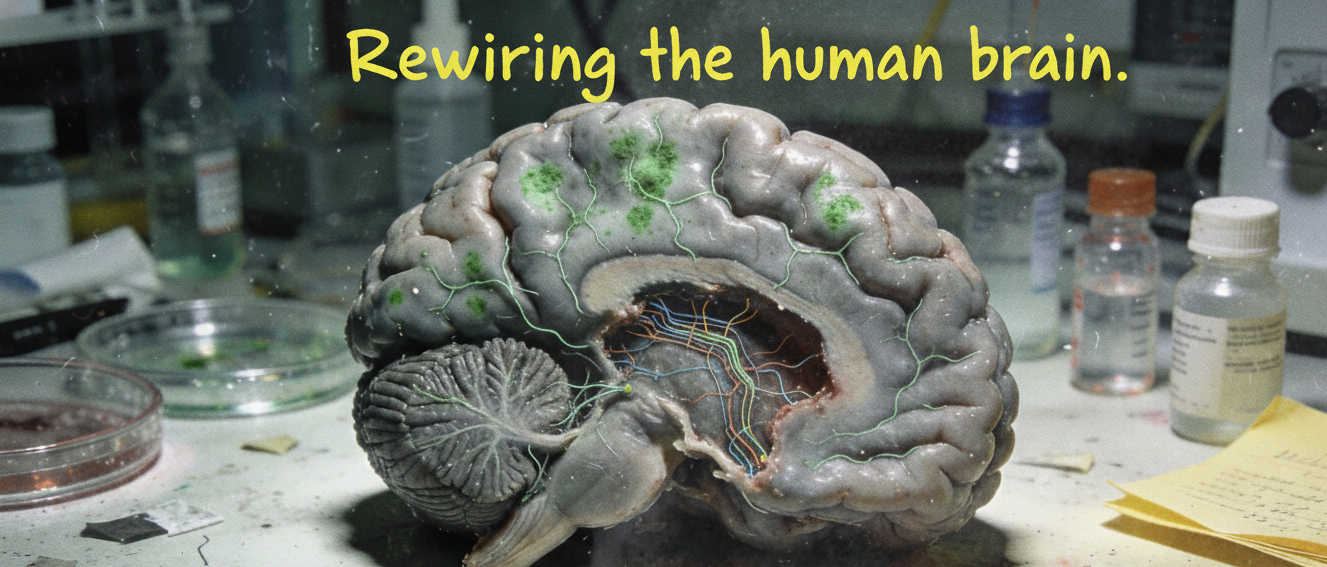
Beyond symptom management, research points to another important benefit: neuroplasticity. Ketamine appears to support the brain’s ability to form new neural connections. This is critical in recovery, because lasting sobriety often requires rewiring deeply ingrained behavioral patterns and thought processes. Ketamine seems to create a neurological environment that is more receptive to that kind of change.
Addressing Both Physical and Psychological Symptoms
One of the most compelling aspects of ketamine therapy is its dual action — it targets both physical discomfort and the psychological components of addiction simultaneously.
On the physical side, patients report reduced intensity of:
- Muscle pain and tension
- Nausea and gastrointestinal distress
- Restlessness and sleep disruption
On the psychological side, ketamine has demonstrated an ability to reduce:
- Depression and anxiety, both of which are common during withdrawal
- Intrusive cravings that often lead to relapse
- The emotional distress that can make early recovery feel unbearable
By addressing both layers, ketamine-assisted treatment creates a more complete and manageable withdrawal experience. This matters because when patients feel more in control during detox, they are more likely to stay engaged in treatment.
Ketamine-Assisted Therapy and Relapse Prevention
Relapse is one of the most serious obstacles in addiction recovery. Many patients who complete detox successfully still face a significant risk of returning to substance use, especially when underlying mental health conditions go untreated.
Ketamine-assisted therapy is emerging as a meaningful tool for relapse prevention because of its effect on brain chemistry. By stabilizing mood and reducing anxiety, ketamine helps remove two of the most common emotional triggers for substance use. This pharmacological stabilization complements behavioral therapy and counseling, giving patients a stronger foundation from which to build lasting change.
When ketamine is used as part of a structured, comprehensive program — not as a standalone treatment — outcomes tend to improve. Clinicians are finding that integrating ketamine into existing recovery frameworks enhances the effectiveness of behavioral interventions rather than replacing them.
Personalized Treatment: The Future of Opioid Recovery
No two people experience opioid addiction the same way. Factors like the type of opioid used, the duration of dependence, co-occurring mental health conditions, and individual brain chemistry all influence how withdrawal unfolds and what treatment approaches will work best.
Ketamine therapy fits naturally into a personalized care model. Clinicians can adjust dosing, frequency, and the combination of supportive therapies based on how each patient responds. This flexibility allows treatment teams to tailor the detox experience in ways that were not previously possible with one-size-fits-all protocols.
Treatment centers offering ketamine as part of their addiction services are increasingly pairing it with:
- Individual and group counseling
- Cognitive behavioral therapy
- Medication-assisted treatment where appropriate
- Ongoing mental health support
This integrated approach reflects a broader shift in addiction medicine toward treating the whole person rather than managing symptoms in isolation.
What This Means for People Seeking Help
If you or someone you care about is navigating opioid dependence, understanding the full range of available treatment options matters. Ketamine therapy is not a cure, and it is not right for every patient. But for many individuals who have struggled with conventional withdrawal management, it represents a genuinely promising path forward.
The science behind ketamine’s effects on opioid receptors is still evolving, and ongoing clinical research continues to refine best practices. What is clear is that the addiction treatment field is advancing rapidly, and ketamine is playing a meaningful role in that progress.
Speaking with a qualified addiction medicine specialist is the most reliable way to determine whether ketamine-assisted therapy would be appropriate as part of an individualized recovery plan.
A Shift Worth Paying Attention To
Ketamine’s transition from operating room anesthetic to a legitimate tool in opioid withdrawal management reflects how far addiction medicine has come. The combination of receptor modulation, neuroplasticity support, and dual-action symptom relief makes it one of the more compelling developments in the field in recent years.
As more treatment programs integrate this approach in 2026 and research continues to grow, ketamine therapy may well become a standard component of comprehensive opioid recovery care rather than an emerging alternative.
메타데이터
- post_id
- b5d4a152e7f5
- slug
- how-ketamine-is-transforming-opioid-withdrawal-treatment-in-2026-b5d4a152e7f5
- url
- https://medium.com/@SignsofWithdrawal/how-ketamine-is-transforming-opioid-withdrawal-treatment-in-2026-b5d4a152e7f5
- canonical_url
- https://medium.com/@SignsofWithdrawal/how-ketamine-is-transforming-opioid-withdrawal-treatment-in-2026-b5d4a152e7f5
- author_url
- https://medium.com/@SignsofWithdrawal
- status
- ok
- fetched_at
- 2026-06-09 15:37:30